Plantes d’extérieur
Tout pour fleurir, cultiver et aménager votre jardin.


Poinsettias are no longer limited to their traditional red color. Thanks to modern plant breeding and decorative techniques, this iconic holiday plant is now available in a wide range of colors. Each variety has unique characteristics, from natural pigmentation and color stability to light sensitivity and overall care requirements.
This guide explores the differences between red, pink, white, speckled, variegated and blue poinsettias, explains how blue poinsettias are created and shares practical tips to help preserve each variety's vibrant appearance.

Red poinsettias are the original variety native to Mexico. Their brilliant color comes from naturally occurring anthocyanin pigments that develop as nights become longer during the fall season.
Red varieties are generally the strongest and most resilient. They retain their color exceptionally well, tolerate bright indoor light and typically have the longest display life, making them the classic holiday favorite.

Pink poinsettias are produced through selective breeding that reduces the concentration of red pigments. Their colors range from soft pastel pink to bright rose tones.
Pink varieties are more sensitive to lighting conditions. Insufficient light may cause the bracts to become greener, while excessive sunlight can fade their vibrant color. Bright indirect light provides the best results.

White poinsettias are hybrids developed to minimize natural pigmentation, producing creamy white or ivory-colored bracts.
Because they contain less pigment, white varieties are more susceptible to yellowing from excessive heat and greening in low light. A cool room with bright indirect sunlight helps preserve their clean appearance.

Often known as "Jingle Bells" poinsettias, these varieties display white or cream splashes across red or pink bracts. The striking pattern is entirely genetic rather than artificially created.
Every plant develops its own distinctive pattern, making each specimen unique. Temperature and light can slightly influence the intensity of the variegation throughout the season.

Variegated poinsettias feature naturally depigmented sections that create beautiful white, cream or pale green patterns. These markings are genetic and have been selected through breeding for their ornamental appeal.
No two plants are exactly alike. Their variegation varies from one specimen to another and can become more pronounced depending on growing conditions. Bright indirect light helps maintain crisp patterns while protecting the lighter tissues from sun damage.

Blue poinsettias do not occur naturally. They are produced by applying a specialized water-based floral dye to white poinsettias after they have reached maturity.
The dye colors only the existing bracts and does not alter the plant's genetics. As the plant grows, all new bracts and leaves will naturally emerge white. Over time, the blue coloration gradually fades, which is completely normal.
To preserve the decorative color for as long as possible, avoid direct sunlight, maintain consistent indoor temperatures and water only when necessary. Even under ideal conditions, the blue dye will slowly fade over several weeks.
Yes. A water-based floral dye can be used to color the existing bracts of a white poinsettia. The results are usually more even when starting with a white variety, but any new growth will always remain its natural white color.
Tout pour fleurir, cultiver et aménager votre jardin.
Une touche de nature, dans chaque pièce.
Tout pour fleurir, cultiver et aménager votre jardin.
Tout découvrir Potager et fines herbes
 Fleurs et vivaces
 Arbres et arbustes
 Soins et plantation
Une touche de nature, dans chaque pièce.
Tout découvrir Plantes tropicales
 Cactus et succulentes
 Collections spécialisées
 Soins et accessoires
Tout pour semer, planter et faire pousser.
Tout découvrir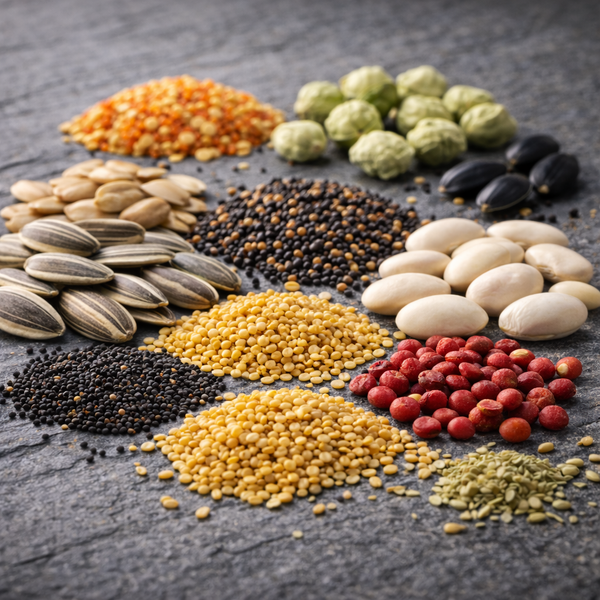 Semences
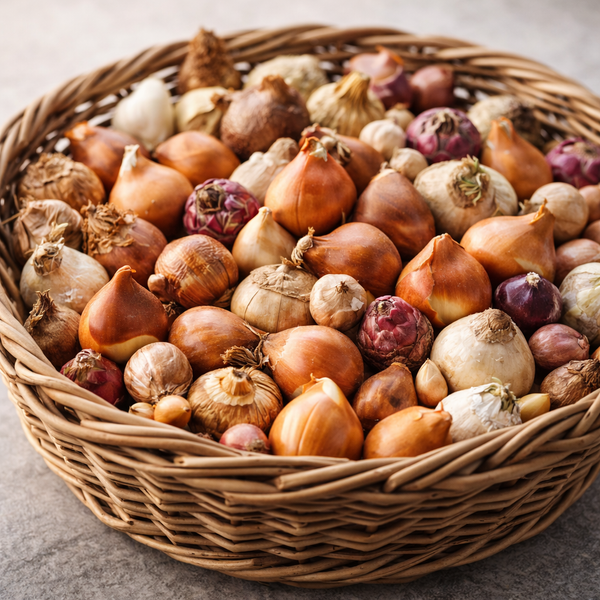 Bulbes
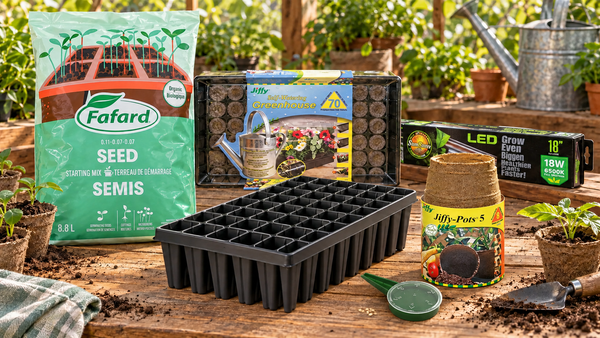 Tout pour les semis
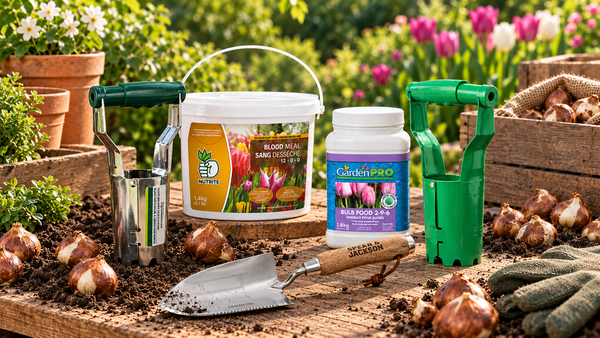 Pour planter les bulbes
Tout pour semer, nourrir et retrouver une belle pelouse.
Tout pour semer, nourrir et retrouver une belle pelouse.
Tout découvrir Semences à gazon
 Engrais pour gazon
 Tourbe et préparation
 Soins et traitements
Tout pour nourrir, protéger et entretenir vos plantes.
Tout pour nourrir, protéger et entretenir vos plantes.
Tout découvrir


Valide uniquement dans la succursale choisie lors de l’achat.
Choisir la carte en magasinTout pour semer, planter et faire pousser.
 Outils
 Compostage et écologie