


Plantes d’extérieur
Tout pour fleurir, cultiver et aménager votre jardin.


David Austin roses take center stage with their lush blooms, rich fragrance and timeless English garden charm. Known for their many petals, elegant growth habit and repeat flowering, they bring remarkable texture, romance and character to garden beds, borders and containers throughout the season.
David Austin roses are distinguished by the density of their petals, the complexity of their fragrance and a flowering habit that combines the visual richness of old garden roses with the repeat-blooming performance expected from modern shrub roses. Their blooms often show deeply cupped, rosette or quartered forms, creating a strong ornamental effect and a highly refined garden presence.
From a horticultural standpoint, these cultivars are valued for their ability to structure planting schemes while maintaining a softer, more romantic aesthetic than many conventional landscape shrubs. Their branching habit, floral weight, recurrent flowering cycles and perfume profile make them particularly useful in focal beds, mixed borders, cottage-style gardens and high-impact residential landscapes.
They are especially appreciated where plant selection must satisfy both decorative and sensory criteria. In addition to their floral abundance, David Austin roses contribute texture, seasonal rhythm and visual depth to the composition, while many varieties also offer good garden vigor when grown in fertile, well-drained soil with full sun exposure and sound air circulation.

Beyond flower shape alone, these roses are often selected for the balance they create between fragrance, shrub form, repeat bloom and visual softness in the garden.
Very double flowers, cupped or rosette-shaped forms and densely layered petals create the old rose effect that makes these cultivars so recognizable.
Many varieties are selected as much for perfume as for appearance, with notes ranging from classic rose to fruit, myrrh or tea depending on the cultivar.
Their shrub structure often helps them blend well with perennials, grasses and companion shrubs, creating a softer and more natural composition than many hybrid tea types.

David Austin roses generally perform best where they receive generous light, good air circulation and a soil that remains fertile without staying waterlogged. Their effect is strongest when they are allowed enough room to develop their natural shrub form rather than being squeezed into overly narrow spaces.
Discover our selection of David Austin roses, chosen for their generous blooms, fragrance, and elegance in the garden.
Good establishment depends on site selection, soil quality, watering regularity and balanced feeding. The goal is not only strong growth, but a healthy shrub capable of sustaining repeat bloom through the season.
A rich, well-structured soil with organic matter helps support vigor and flowering. Good drainage remains important, especially where winter moisture or heavy clay can become limiting.
Regular watering is especially important during establishment and during dry periods. Deep watering is generally preferable to frequent shallow irrigation.
Balanced nutrition supports both foliage quality and continued bloom. Excessive nitrogen should be avoided when it pushes soft growth at the expense of floral performance.
Spent flower removal, observation of plant balance and timely seasonal care all help maintain a cleaner plant, a longer bloom cycle and a more refined overall appearance.
David Austin roses bring together the romance of old garden roses and the performance needed for modern landscapes. Their richly petalled blooms, refined fragrance and naturally elegant habit make them a standout choice for borders, feature plantings, entrances and premium containers. When planted in a sunny location with rich, well-drained soil and cared for properly, they reward the garden with remarkable beauty and character.
Whether the goal is to create a classic English-style rose garden, soften a structured landscape or add an unforgettable focal point near the terrace, these roses offer depth, texture and presence unlike any other. Chosen carefully and maintained with consistency, David Austin roses turn an ordinary planting into something truly exceptional.
David Austin roses perform best when planting begins with a rich, well-prepared soil and the right products to support root establishment. Before planting, the goal is to improve soil structure, increase organic matter and create a balanced environment where the shrub can settle in properly.
Before planting the rose, the soil should be loosened, enriched and improved so roots can develop in a stable and well-drained environment.
A mature compost is one of the best foundations for rose planting. It improves soil texture, boosts biological activity and helps build a richer root zone around the shrub. It is especially useful for creating a deeper and more fertile planting bed.
A quality planting soil helps improve texture, water retention and root contact around the newly planted rose. It is especially helpful when the native soil is too poor, too compact or lacking in organic matter. It creates a more favourable planting environment from the start.
A marine compost amendment helps enrich the planting area while improving soil structure around the roots. For roses, it brings valuable organic matter and helps the soil hold the right balance of moisture, air and long-term fertility. It is especially useful when preparing the bed before planting or improving an existing rose border.
Before setting the rose in place, preparing the soil properly makes a real difference. A richer, looser and better-balanced base helps the roots settle faster, supports stronger early growth and creates better conditions for flowering over time.
Bone meal is a classic product for encouraging root development at planting time. Mixed into the planting zone, it helps the rose settle more quickly and supports early establishment. Its phosphorus content makes it especially relevant during this first phase.
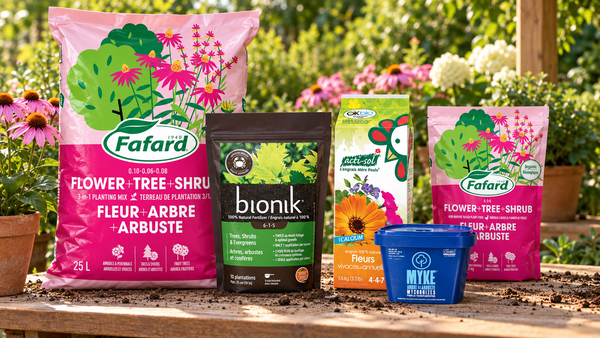
Mycorrhizae are especially useful at planting time because they help improve the relationship between the roots and the soil around them. For David Austin roses, this kind of product supports faster establishment, better water and nutrient uptake and a more stable start in the garden. It is a strong complement to good soil preparation when the goal is long-term performance.
Bionik Root Starter made with crab meal helps improve root contact with the soil and supports a stronger start after planting. For David Austin shrub roses, this type of product is especially useful during establishment, when the objective is to encourage rapid rooting, a more stable recovery and a stronger base for future growth.
In most cases, the best approach is to start with a richer soil, then use planting products that support root establishment and a smoother transition into the garden. For David Austin roses, success begins with soil preparation and careful planting much more than with aggressive feeding.

Planting a David Austin rose starts with a well-prepared site. The soil should be loose, rich and well drained, while still holding enough moisture to support steady establishment. The planting hole should be wide enough to allow the roots to spread naturally without being cramped, and the rose should be positioned carefully so it settles into a stable, balanced environment from the very beginning.
The exact planting depth can vary slightly depending on the rose format and local growing conditions, but the main objective remains the same: encourage strong rooting, maintain good soil contact around the roots and avoid conditions that stay too compact or waterlogged. A careful planting method makes all the difference in helping the shrub establish evenly and grow with strength.
Loosen the soil well and enrich it with compost or quality planting mix before placing the rose.
Place the rose carefully in the planting hole and spread the roots naturally without bending or forcing them.
Fill with soil gradually, then press lightly to remove large air pockets around the roots.
Water thoroughly after planting so the soil settles properly and the rose starts establishing under the best conditions.
Once established, David Austin roses respond best to consistent care rather than irregular interventions. The objective is to maintain steady growth, support repeat bloom and keep the shrub balanced, healthy and attractive throughout the season.
Regular observation makes a real difference. Watering, feeding, deadheading and monitoring the overall vigor of the plant all contribute to a stronger shrub and a more refined display in the garden.
Water deeply so moisture reaches the root zone, then allow the surface to dry slightly before watering again. Newly planted roses require closer follow-up, especially in hot weather or lighter soils. The goal is to avoid both prolonged drought stress and constantly saturated soil.
Once the shrub is actively growing, a balanced nutrition program helps sustain healthy foliage, strong stems and repeated flowering. Moderate, regular feeding is usually more effective than heavy applications. The objective is to support the rose without pushing excessively soft growth.
Removing faded blooms helps the plant stay cleaner and often encourages a more continuous flowering cycle. Damaged, weak or unhealthy growth should also be removed as needed. This regular maintenance improves both appearance and overall balance.
Watch the foliage color, stem strength and flowering rhythm throughout the season. A rose that loses vigor, yellows too quickly or blooms less generously may be reacting to watering issues, nutrient imbalance or site stress. Early observation allows for faster and more effective corrections.

Tout pour fleurir, cultiver et aménager votre jardin.
Une touche de nature, dans chaque pièce.
Tout pour fleurir, cultiver et aménager votre jardin.
Tout découvrir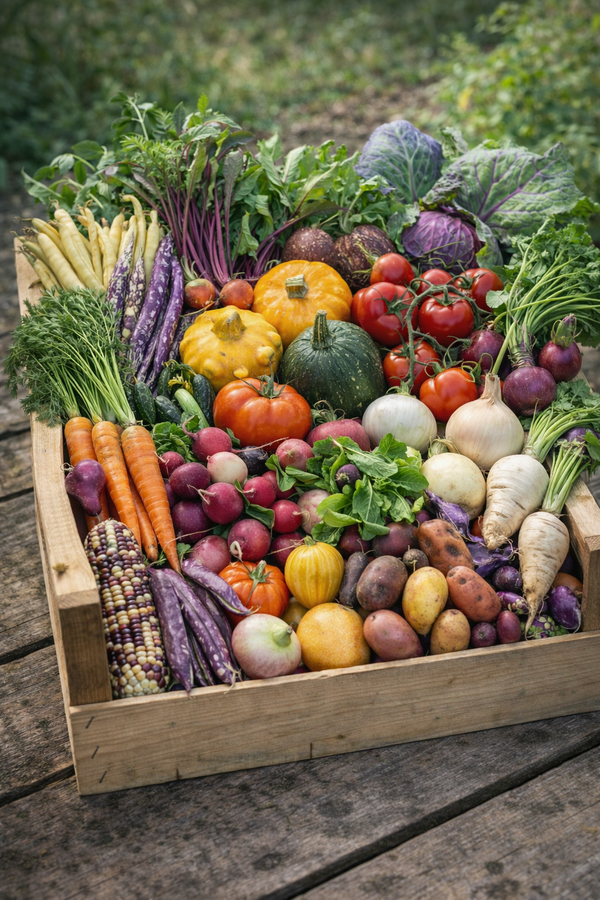 Potager et fines herbes
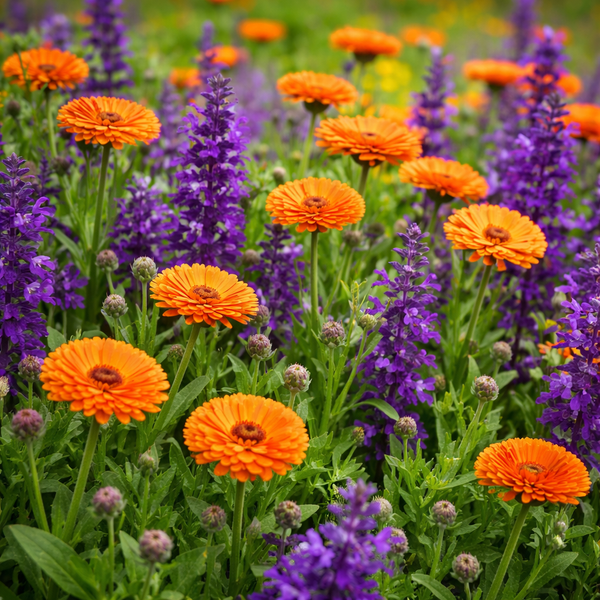 Fleurs et vivaces
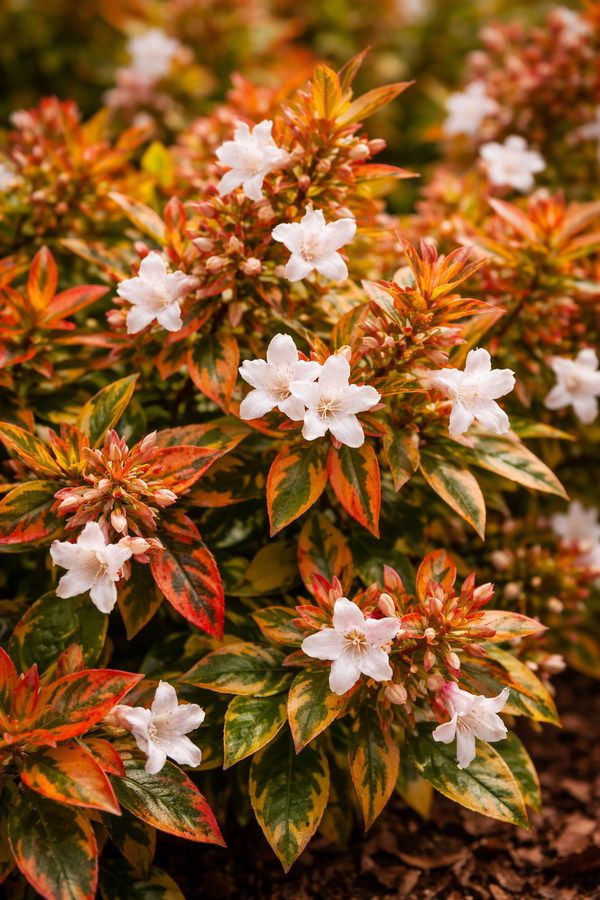 Arbres et arbustes
 Soins et plantation
Une touche de nature, dans chaque pièce.
Tout découvrir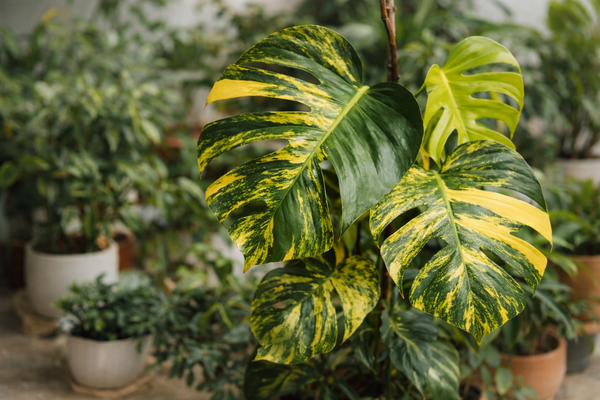 Plantes tropicales
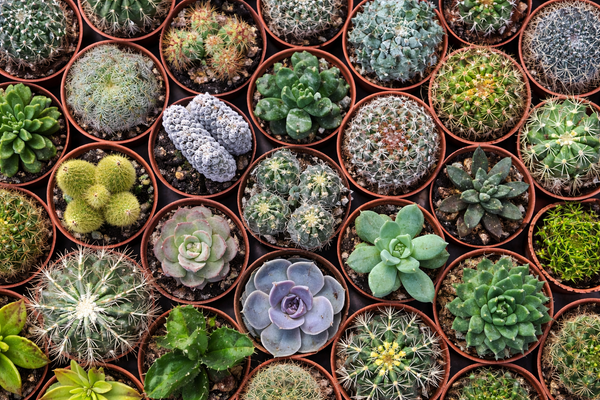 Cactus et succulentes
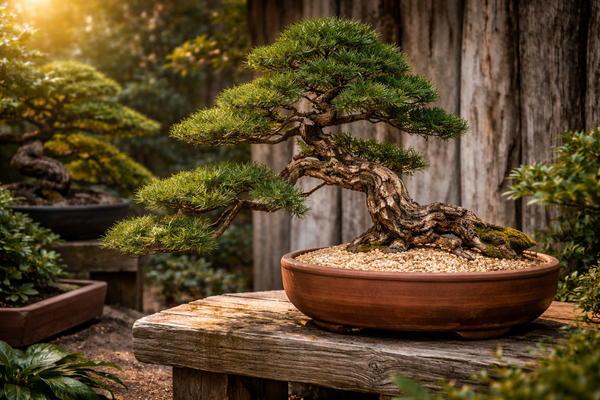 Collections spécialisées
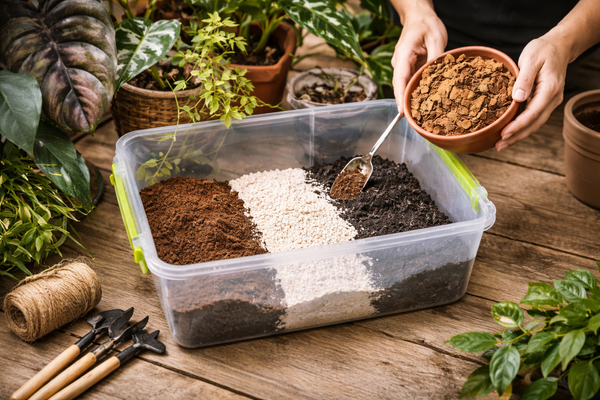 Soins et accessoires
Tout pour semer, planter et faire pousser.
Tout découvrir Semences
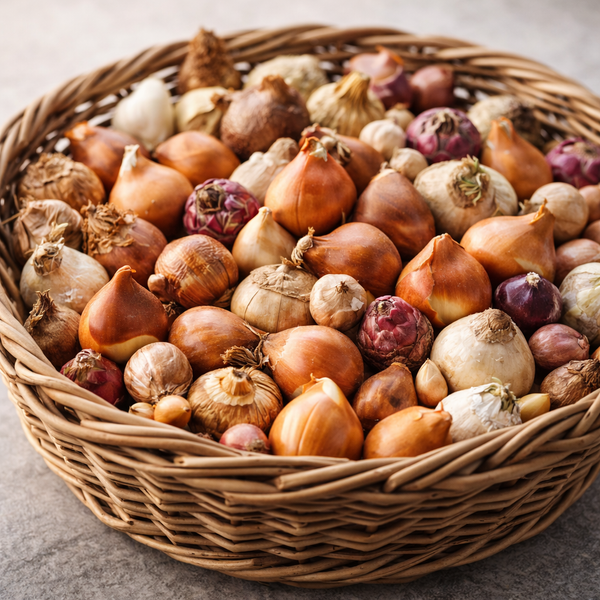 Bulbes
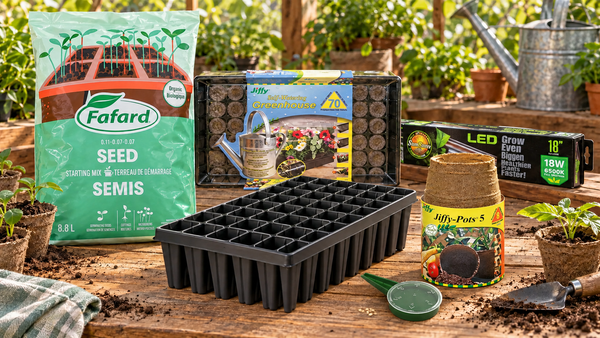 Tout pour les semis
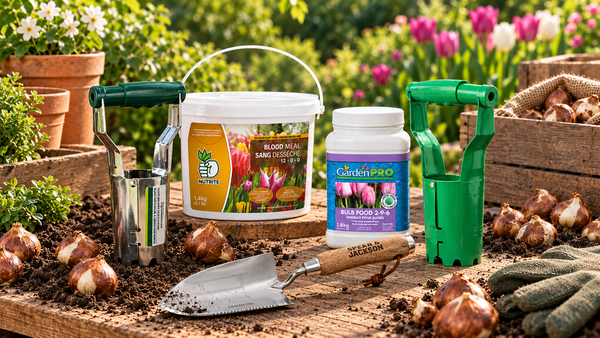 Pour planter les bulbes
Tout pour semer, nourrir et retrouver une belle pelouse.
Tout pour semer, nourrir et retrouver une belle pelouse.
Tout découvrir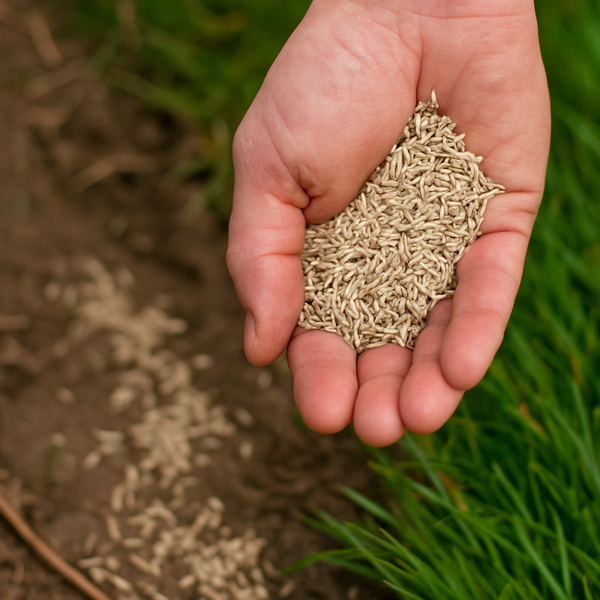 Semences à gazon
 Engrais pour gazon
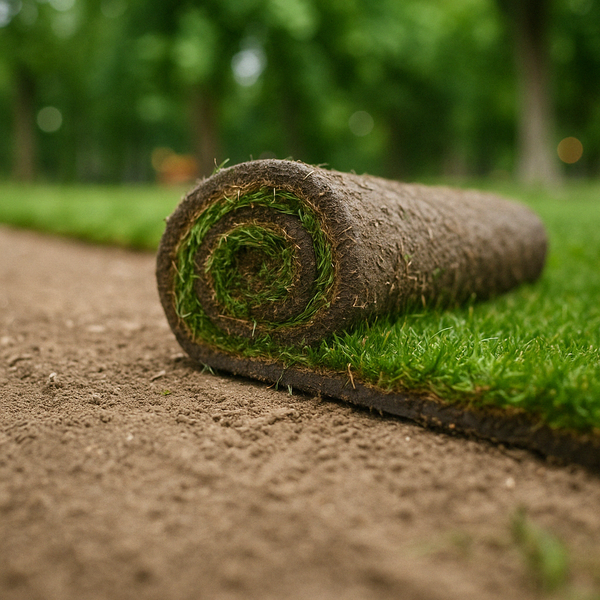 Tourbe et préparation
 Soins et traitements
Tout pour nourrir, protéger et entretenir vos plantes.
Tout pour nourrir, protéger et entretenir vos plantes.
Tout découvrir



Valide uniquement dans la succursale choisie lors de l’achat.
Choisir la carte en magasinTout pour semer, planter et faire pousser.
 Outils
 Compostage et écologie