

Recognize lean, dry soil
Lean soil is low in organic matter or nutrients. Dry soil holds little moisture or loses it quickly in sun and wind. You’ll often find both conditions on slopes, beside pavement, or in sandy or stony ground.
Check after a good rain
Use a trowel to check moisture below the surface, where the roots will grow. Notice which spots dry first and where water still pools. A bed that dries out in summer can stay wet during the spring thaw. Before choosing plants for a rock garden, make sure water can drain away in both seasons.

Ten plants for full sun and dry soil
Choose a site with about six hours or more of direct sun. Check each cultivar’s hardiness and mature size. Lavender and gaura especially need good winter drainage, and gaura is often grown as an annual where winters are cold.

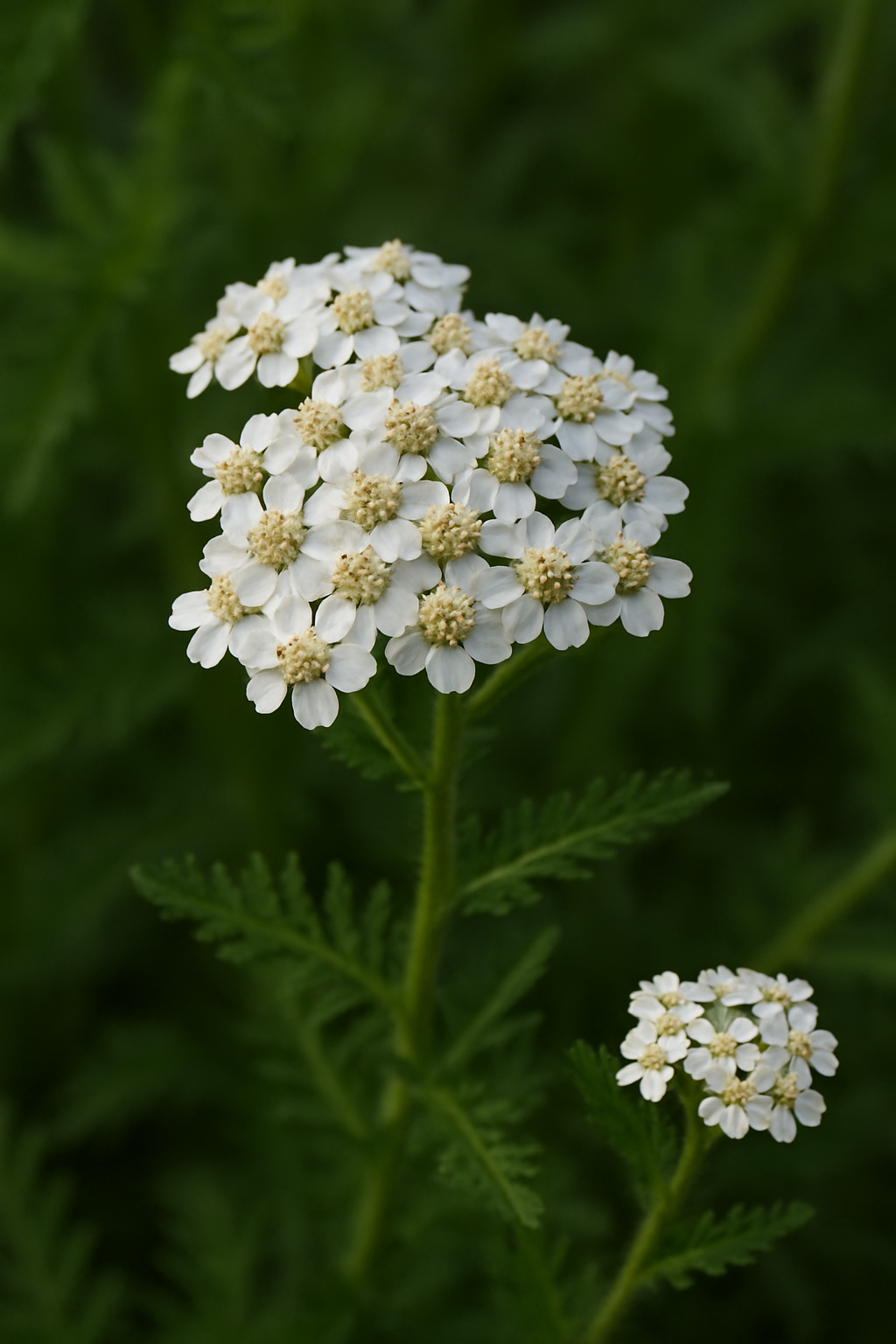
- Common yarrow Achillea millefolium
- Flat flower clusters attract pollinators. Hardy and well suited to lean soil.
- English lavender Lavandula angustifolia
- Fragrant. Give it full sun and excellent winter drainage. Check cultivar hardiness.
- Gaura Oenothera lindheimeri
- Airy flowers over a long season. Hardiness varies. Grow it as an annual in colder areas.
- Purple coneflower Echinacea purpurea
- Summer blooms draw pollinators. Tolerates dry spells once established.
- ‘Autumn Joy’ stonecrop Hylotelephium
- Succulent foliage and late‑season flowers. Prefers well‑drained soil.
- Lamb’s ear Stachys byzantina
- Silvery, fuzzy ground cover. Avoid sites that stay damp.
- Catmint Nepeta
- Flowers freely in sun. Check the cultivar’s mature height and spread.
- Russian sage Salvia yangii, syn. Perovskia atriplicifolia
- Airy lavender-blue flowers. Choose a warm, well‑drained site.
- ‘Silver Mound’ wormwood Artemisia
- A low mound of finely cut, silvery foliage for the front of a sunny border. Allow about 40 cm of spread and choose well‑drained soil.
- Lanceleaf coreopsis Coreopsis lanceolata
- Bright yellow flowers. A good choice for a sunny, well‑drained spot.
A planting combination for a dry border
Repeat low catmint along the front. Behind it, alternate groups of yarrow for summer colour and upright stonecrop for late‑season flowers. Leave the space recommended on each label so the groups can fill out without crowding their neighbours.
Perennials for dry shade
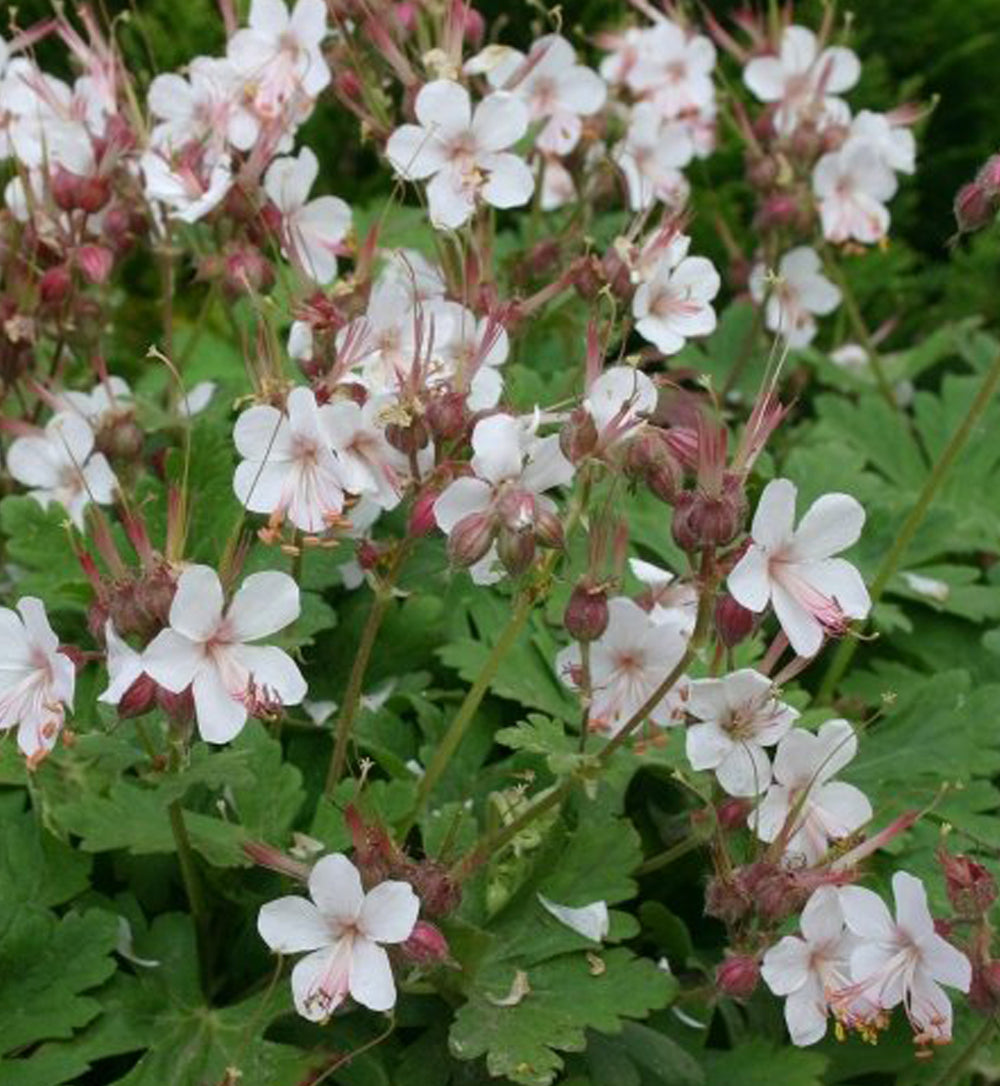
Under a tree, the canopy intercepts rain and existing roots compete for water. Try bigroot geranium (Geranium macrorrhizum) or an epimedium suited to your hardiness zone. Place small plants where there is room between the larger roots, and water them while they establish.
Keep added soil and mulch away from the trunk. If you’re unsure how much direct sun reaches the bed once the tree is in leaf, check it at different times of day.
Plant and water in the first year
Choose the right moment
Plant in spring once the soil is workable, or in early fall while there’s still time for roots to settle in. Avoid moving plants into a dry bed during a heat wave.
Set the root ball at soil level
Moisten a dry root ball first. Dig a hole wide enough to fit the roots comfortably and set the plant at the depth it grew in its pot, unless the tag says otherwise. Backfill and water thoroughly.
Check moisture near the roots
During the first growing season, check at root‑ball depth. Water slowly when the soil there starts drying out, and check more often during hot, windy spells. Even established plants can need water during a prolonged drought.
A rock garden or a hot border
A narrow bed along a paved path can feel as hot as a rock garden. The planting choice depends on how quickly water drains away after rain or snowmelt.
Between stones in full sun
Tuck hardy hens and chicks or creeping stonecrops into sunny pockets where the soil drains freely. Give each plant enough soil to root in and leave room for the rosettes or stems to spread. Avoid spots where water collects at the base of a stone.
Beside pavement or a sunny wall
Where the bed is deeper and well drained, use low catmint along the edge and yarrow a little farther back. If a downspout empties there or meltwater pools, choose a drier spot for those plants. A layer of gravel on top won’t fix poor drainage underneath.

When a perennial struggles to establish
Wilting alone won’t tell you whether a new plant needs water. Start by checking the root ball and the soil beside it. What you find determines what to try next.
The root ball is dry
Water slowly at the base. If the water runs off, pause and water again so it can soak in. Check the root ball itself with a finger or a trowel. The surrounding soil can feel damp while the potting mix is still dry.
The soil stays soggy
Hold off on watering and find out where the water is coming from. Look for runoff from a path or a downspout, or a low spot that stays wet. If the problem returns after each rain, consider moving the plant to a spot that drains more freely.
The soil is evenly moist
Check the plant again in the cool of the morning. If it perks up overnight, watch how it responds through the next hot spell. If it still wilts, check the crown and make sure its sun exposure matches the label before changing your watering routine.
Frequently asked questions
What perennials are drought tolerant?
In full sun and well‑drained soil, start with common yarrow, catmint and stonecrop. For dry shade, look for bigroot geranium or an epimedium suited to your hardiness zone.
What flowers grow well in a dry, sunny bed?
Lanceleaf coreopsis and yarrow flower earlier in the season. Upright stonecrop takes over in late summer or fall. Choose cultivars suited to your garden’s winter conditions and mature planting space.
Can a bed be dry in summer and too wet in spring?
Yes. Snowmelt can collect where drainage is slow, even if the surface dries out in summer. Watch the site after the thaw and after a soaking rain before choosing plants that need sharp drainage.
Should I add compost to poor, dry soil?
It depends on the plants and the soil. A little mature compost can help a very sandy bed hold moisture. Keep the soil lean and well drained for rock-garden plants that prefer those conditions, and use a soil test if you suspect a nutrient problem.
How often do new perennials need water?
Check the soil at the depth of the root ball during the first growing season. Water slowly when it starts to dry there. Adjust after rain and check more often in hot, windy weather.
Which mulch works in a dry perennial bed?
Gravel suits many sunny rock gardens. In a bed where you want to conserve moisture, an organic mulch may be more useful. Keep either material away from the plant crowns and match the mulch to the site.
















 Outils
 Compostage et écologie



