

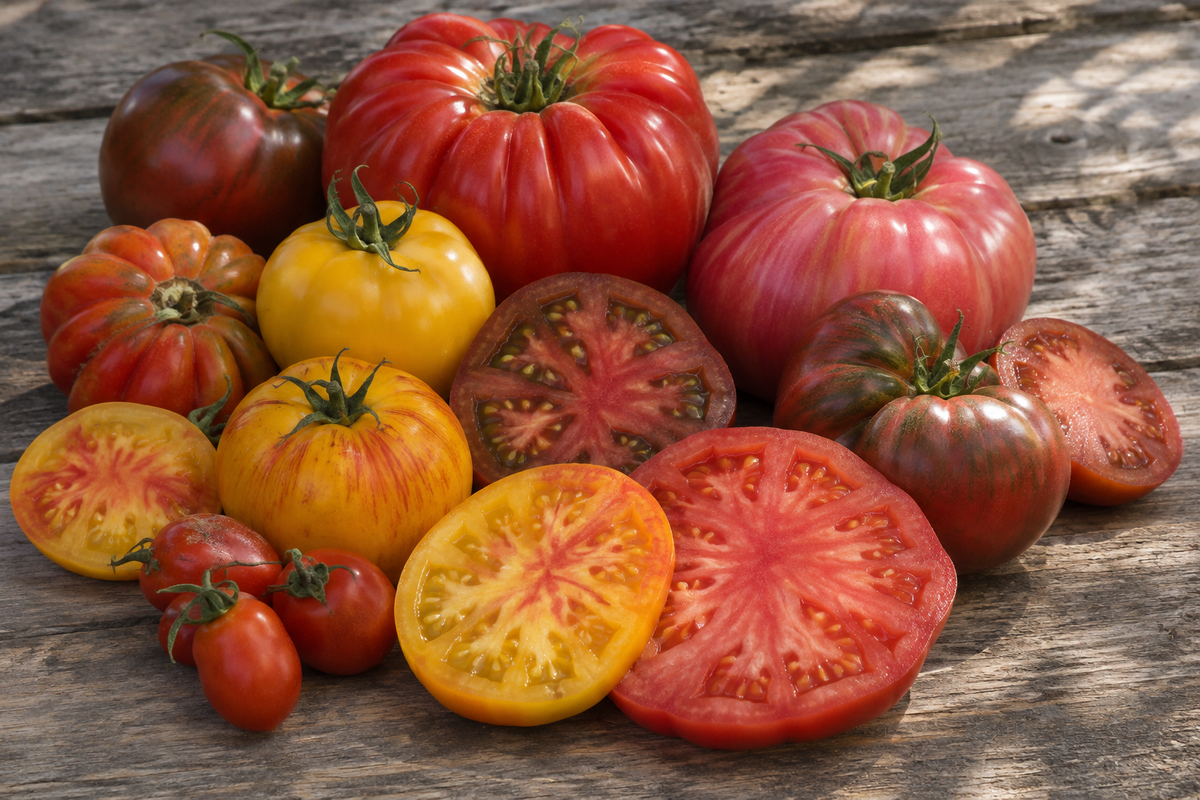
Ten heirloom tomato varieties by flavour and use
An heirloom tomato is an open‑pollinated variety kept in cultivation over time. In Québec and other parts of Canada with a short growing season, use the days to maturity on the packet as a guide. Then choose by what you like to eat: a meaty paste tomato for sauce, a juicy slicer for sandwiches or a bicolour for salads.
For sauces and sandwiches
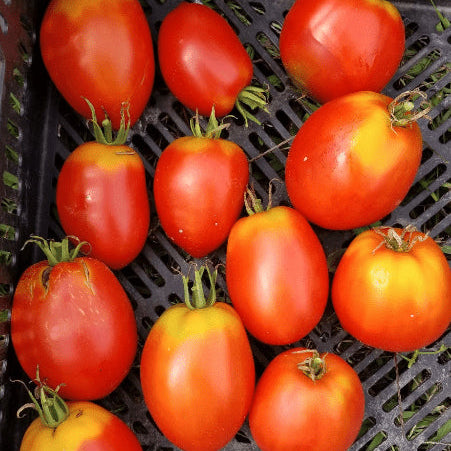
Amish Paste
Firm, meaty flesh cooks down into a thick sauce. Roast halved fruit first for a deeper flavour, or mix it with a juicy slicer when you want a looser sauce.
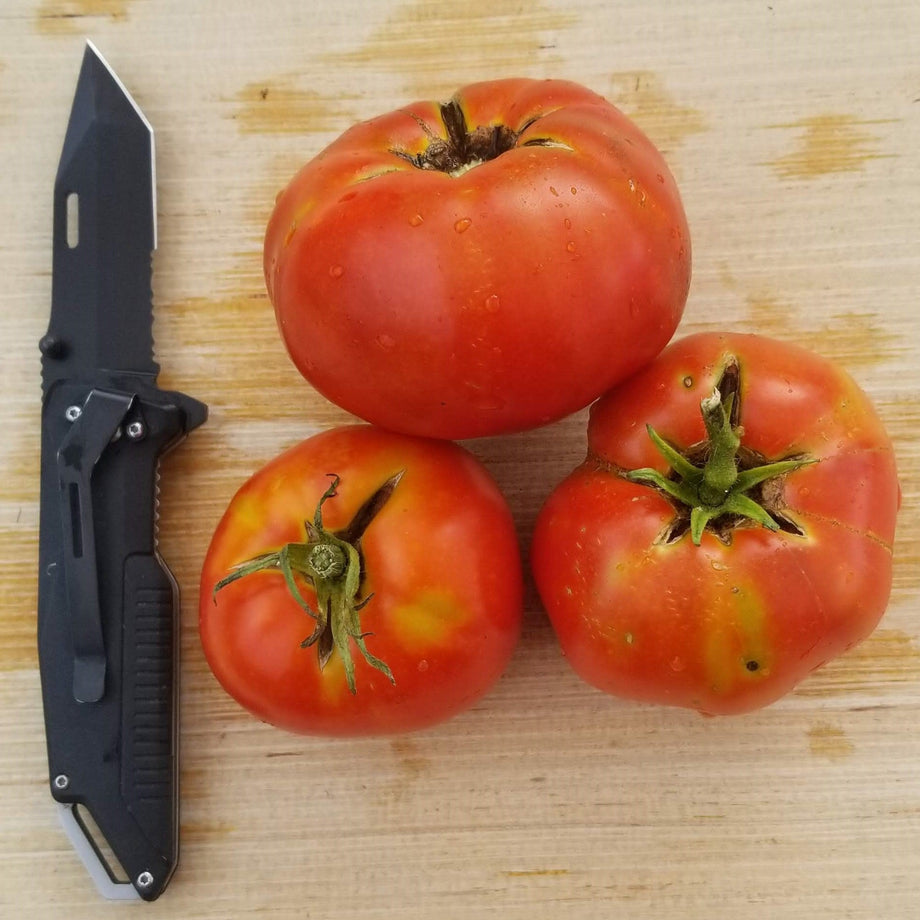
Delicious
This large red beefsteak is ideal for thick sandwich slices. Give heavy fruit clusters sturdy support and leave room around the plant so the foliage can dry after rain.
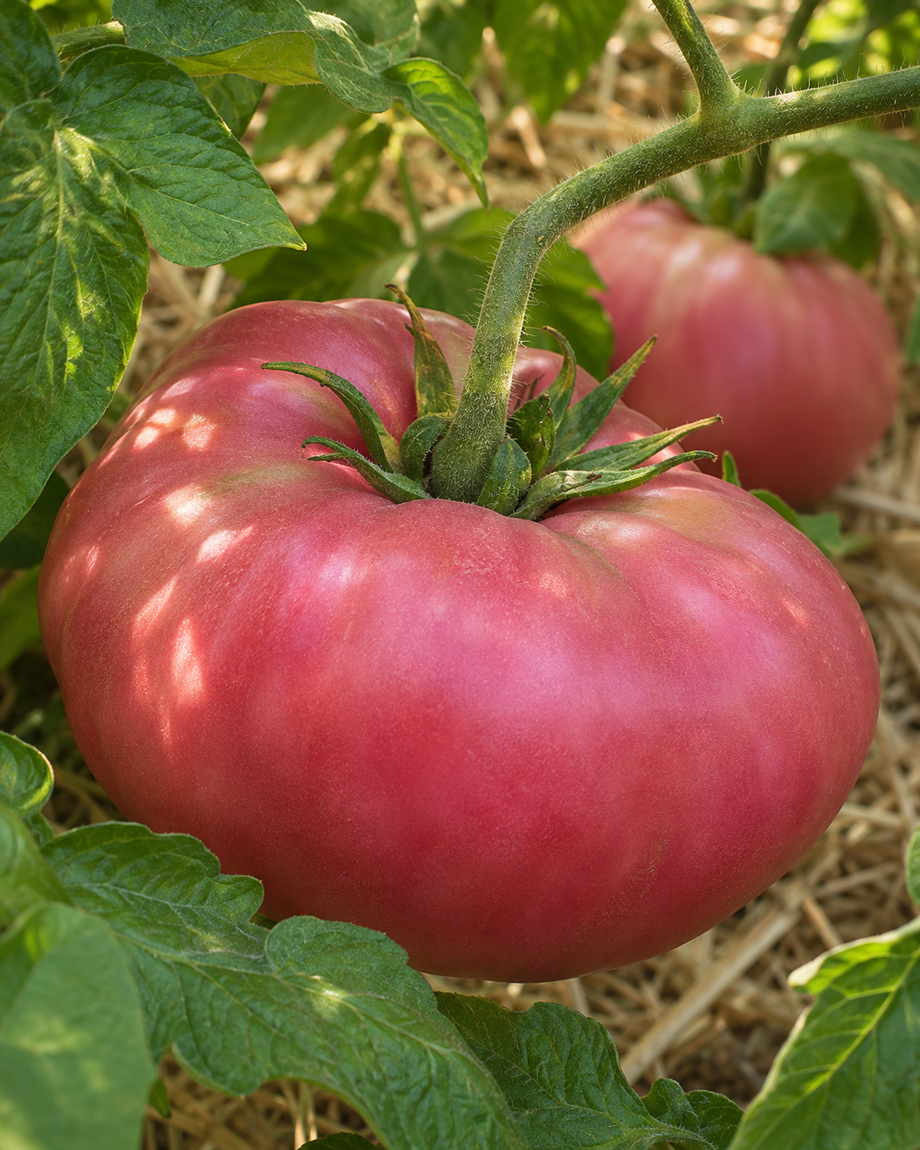
Brandywine Sudduth’s
A pink Brandywine selection with soft, juicy flesh and a full, sweet flavour. Give it a warm spot with a long stretch of sun, then serve it simply with a little salt.
View Brandywine Sudduth’s seeds
Red Brandywine
This red slicer has a lively flavour that comes through in sandwiches and fresh salsa. Try it beside pink Sudduth’s to compare the two selections at the same stage of ripeness.
Dark tomatoes
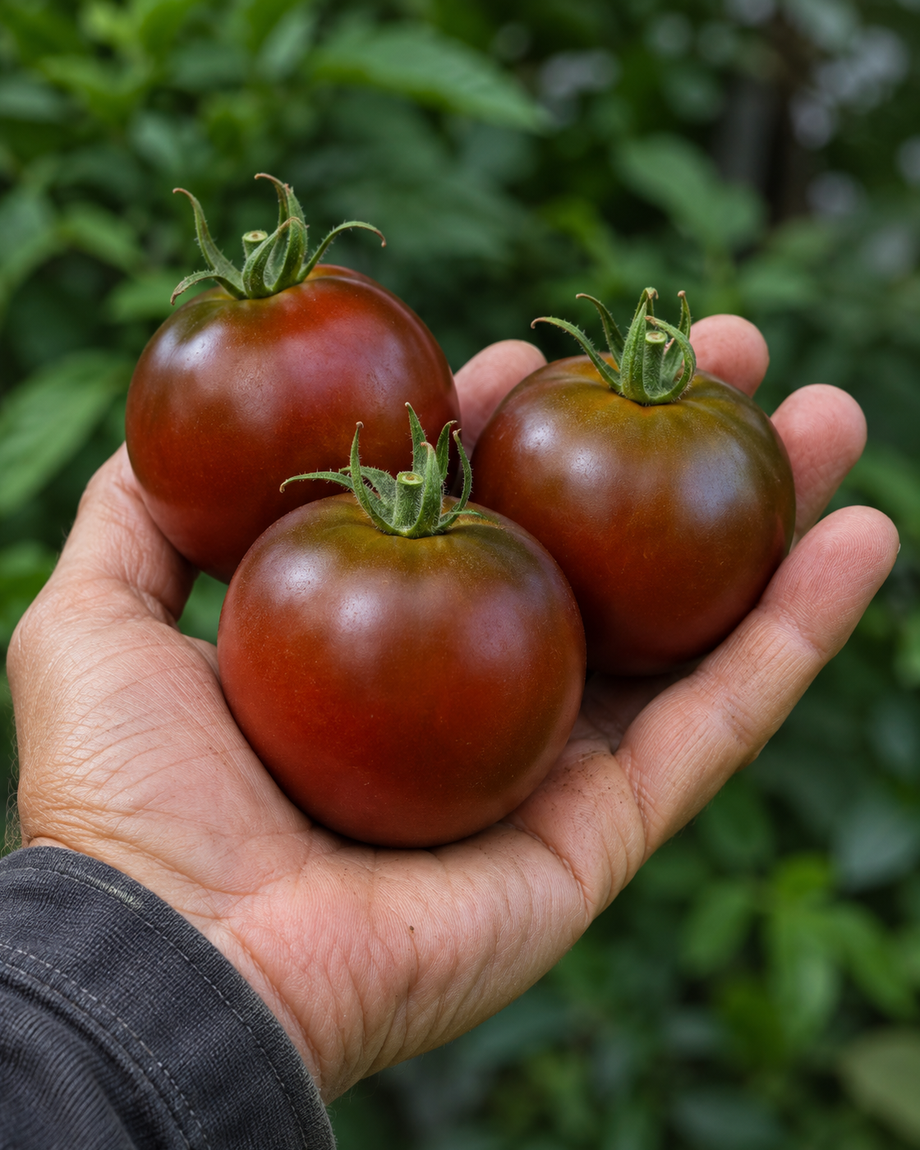
Black Prince
Smaller than many beefsteaks, Black Prince has dark reddish-brown skin and a rich flavour. Quarter it for a summer salad. If the shoulders stay green, use a little give to the touch as another sign of ripeness.
View Black Prince seeds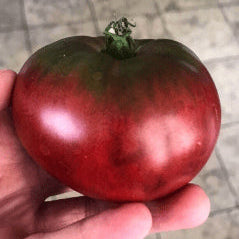
Black Krim
Also called Noire de Crimée, Black Krim has juicy, dark flesh and a full flavour. Slice it with a serrated knife for toast or salads, and keep soil moisture steady as the fruit swells.
View Black Krim seedsBicolour tomatoes
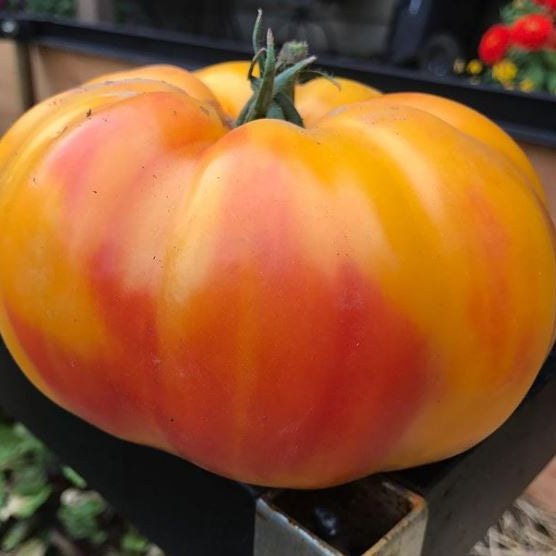
Gold Medal
Yellow flesh with a red blush makes this sweet, fruity slicer a good choice for a colourful platter. Wait for the fruit to soften slightly and handle ripe fruit gently.
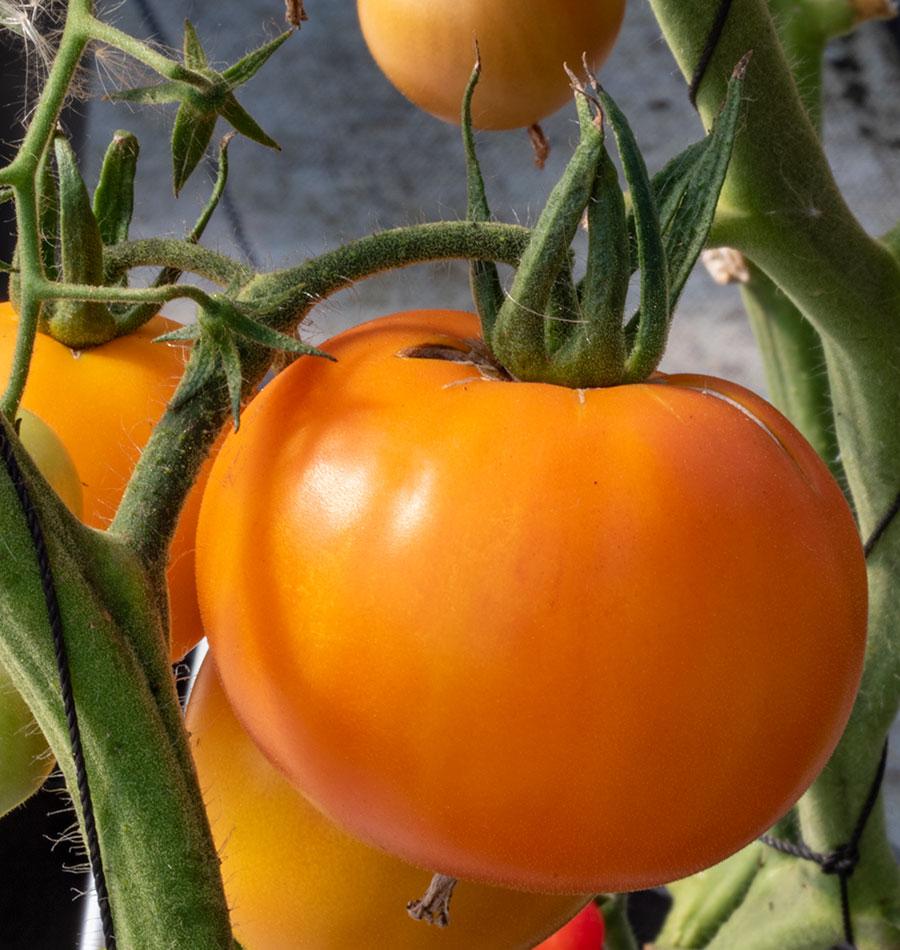
Old German
Large orange-gold fruit with red marbling and juicy, mild flesh. Give this vigorous plant a sturdy support and keep watering consistent, especially while the heavy fruit fills out.
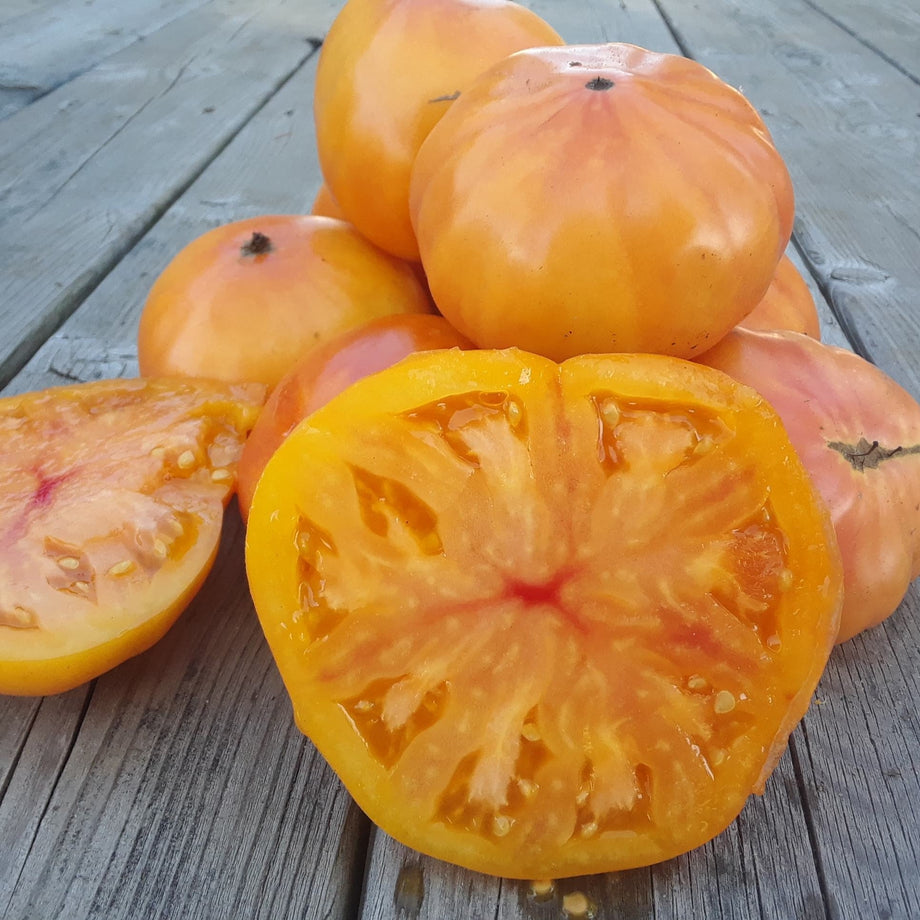
Pineapple
Also sold as Ananas, this large bicolour is sweet and meaty. Cut a ripe fruit across the middle to show its marbling. Give it one of the warmest spots in a short-season garden.
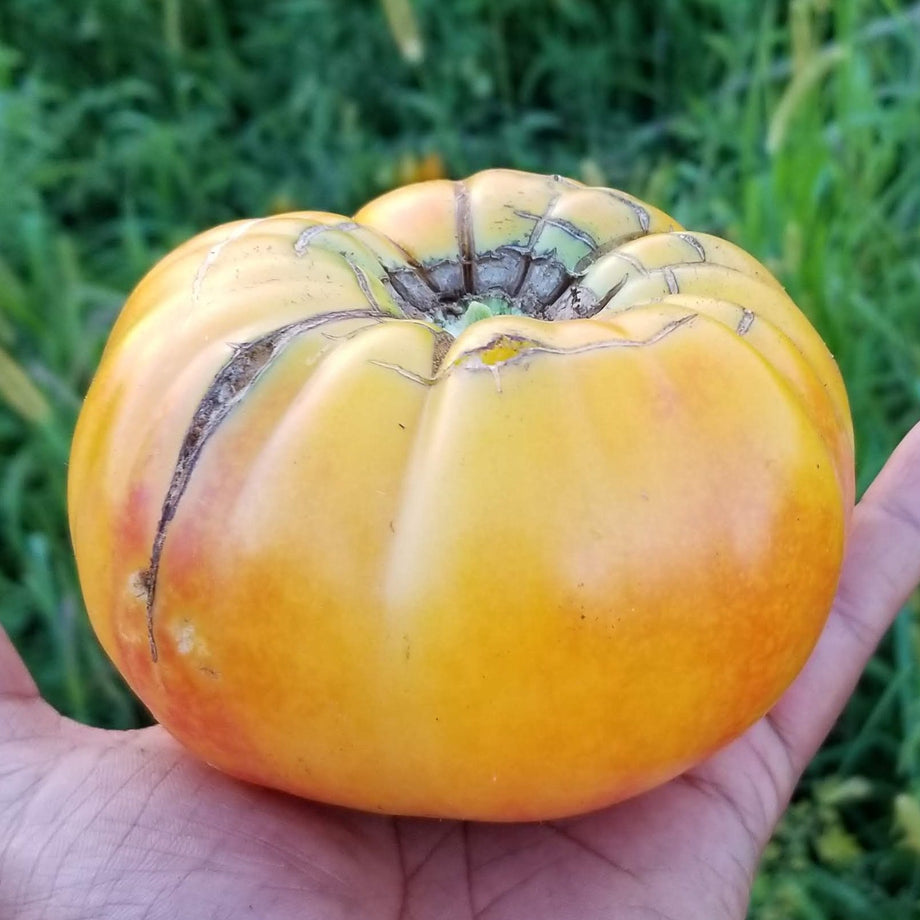
Striped German
Its red and yellow marbling runs through the flesh as well as the skin. The mild, fruity slices work well with herbs. In a cool garden, pair it with an earlier cultivar to spread out your harvest.
Compare maturity and yield
Check the days to maturity
Seed packets typically count tomato maturity from transplanting. Read the packet for its convention and allow extra time in a cool summer. Combine a cultivar that ripens earlier with a later slicer you especially want to grow.
Compare fruit size as well as fruit count
A large slicer such as Brandywine or Pineapple can give fewer fruits than a small‑fruited cultivar. Warmth, light, water and the length of your growing season all affect the harvest.
Growing and caring for heirloom tomatoes

Start indoors and transplant after frost
Start tomatoes indoors about five to six weeks before the usual last frost. Harden off the plants gradually, then transplant after frost risk has passed and the soil is warm. Choose a sunny spot and set up supports at planting time.
Support the vines and water evenly
Indeterminate plants keep growing and benefit from a sturdy cage or trellis. Remove a few suckers only if needed for your support system. Keep pruning light on determinate plants. Water at soil level, mulch and leave space between plants for airflow.
Watch for splitting and leaf spots
Heavy rain after a dry spell can split ripening tomatoes. Even watering and mulch help steady soil moisture. Airflow and less soil splash help reduce some leaf disease risks. Watch for symptoms during cool, wet periods.
Three fertilizers for tomatoes
Tomatoes need nutrients as they grow and set fruit. In the garden, let your soil test guide what you add. In pots, check whether the mix already contains fertilizer. Choose one suitable formula and follow its label. Extra nitrogen can produce lush foliage at the expense of fruit.
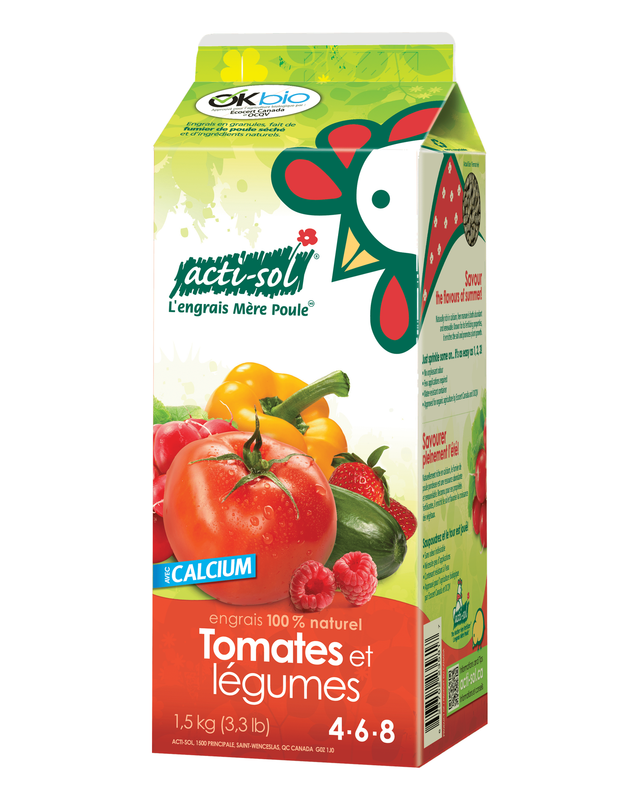
Acti‑Sol 4‑6‑8
A natural granular fertilizer for tomatoes and vegetables. Consider it when you prefer a dry product for the vegetable bed. Follow the label for the amount and when to apply it.
View Acti‑Sol 4‑6‑8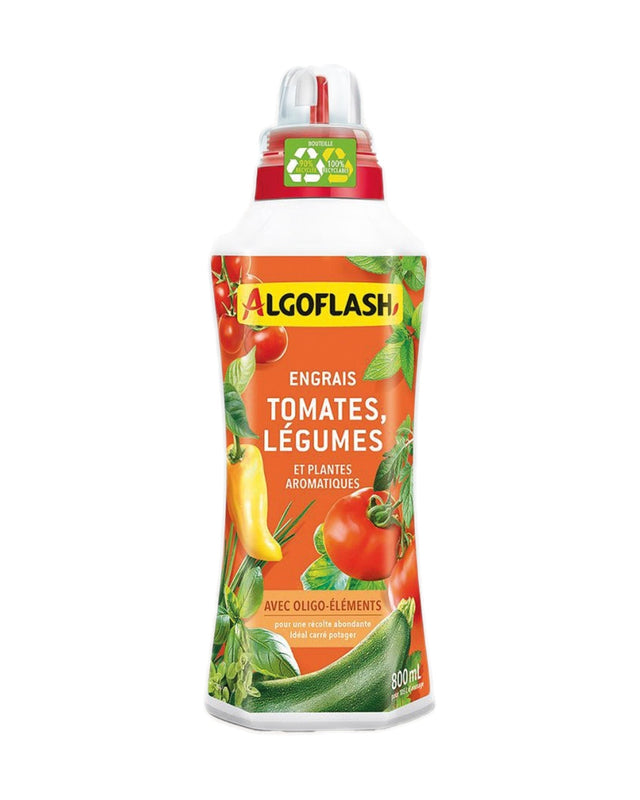
Algoflash 7‑5‑6
A liquid concentrate for tomatoes, vegetables and herbs. It’s convenient when you feed patio containers during watering. Dilute it according to the label and check the recommended frequency.
View Algoflash 7‑5‑6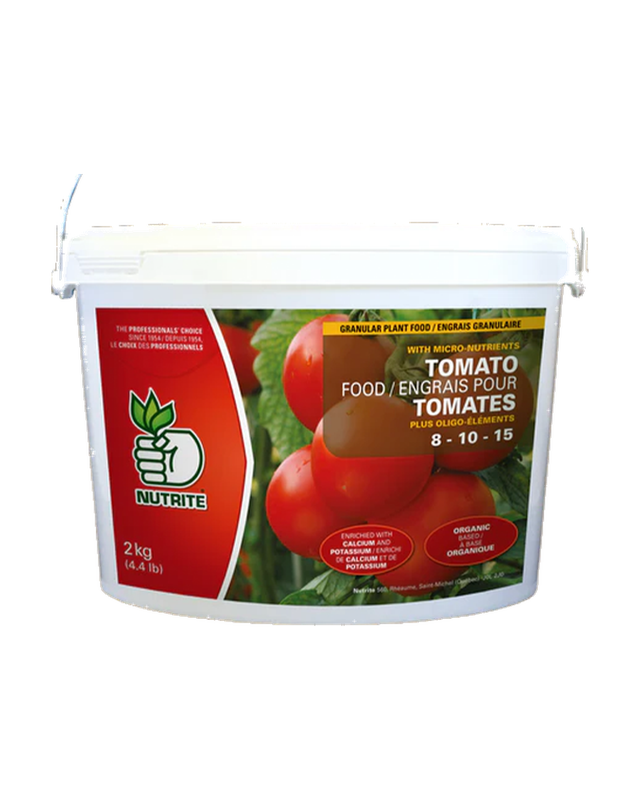
Nutrite 8‑10‑15
A granular tomato fertilizer with a higher potassium proportion than nitrogen. Choose it if the soil needs that balance. An already fertilized mix may need less or no extra fertilizer.
View Nutrite 8‑10‑15Blossom‑end rot and calcium
Recognize the sunken patch
A brown or black sunken patch at the blossom end, opposite the stem, is a typical sign of blossom‑end rot. The young fruit received too little calcium as it developed. This can happen even when the soil has enough calcium: a dry spell followed by heavy watering or damaged roots can interfere with uptake.
Start with even watering
Water at the base and keep the root zone evenly moist. Use mulch in the garden and make sure pots drain freely. Check containers more often during hot weather, and avoid overfertilizing or digging close to the roots. The damaged part of a fruit won’t heal. Watch the next fruit for improvement.
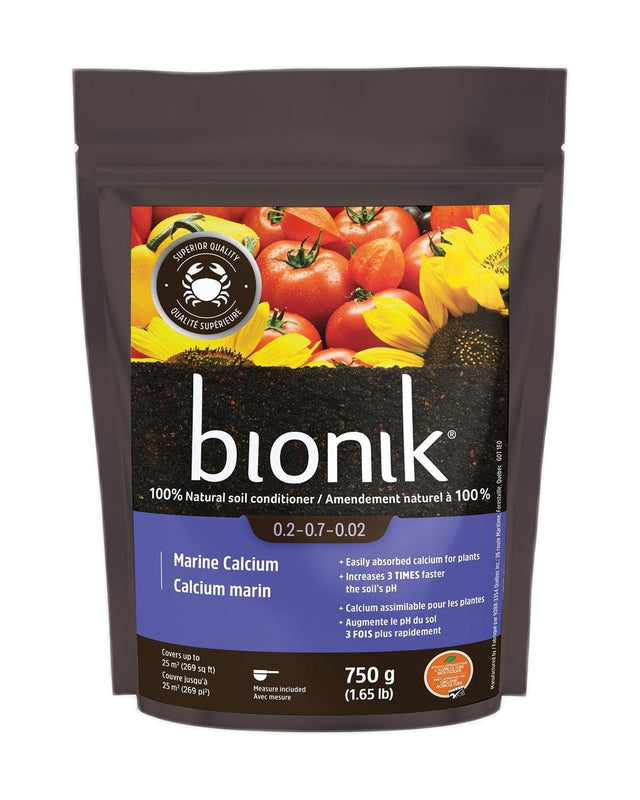
Bionik natural marine calcium
A calcium supplement to consider if a soil or growing-mix test shows a shortage. Calcium helps form healthy fruit tissue. The supplement cannot restore tissue already damaged or correct uneven watering. Follow the label and check new fruit as it develops.
View Bionik natural marine calciumSaving seeds for next year
Choose a ripe, typical fruit from a healthy open‑pollinated plant. Tomato flowers usually self‑pollinate, but crossing can happen. Seeds from an F1 hybrid such as Marriage Jersey Boy may produce plants with different traits from the parent.
Dry and store the seeds
Scoop out the seeds and gel. Let the gel break down in a labelled container, then rinse the seeds and spread them to dry completely. Store the dry seeds in a labelled envelope in a cool, dry place.

Frequently asked questions
What is an heirloom tomato?
It is an open‑pollinated variety kept in cultivation over time. Gardeners often choose one for its flavour, colour or culinary use.
Which tomato variety should I choose?
Start with how you’ll eat it. Amish Paste is a fleshy choice for sauce, while a large slicer such as Brandywine is good for sandwiches. In a short season, check the expected time to maturity.
When are heirloom tomatoes in season?
Many ripen from mid‑ to late summer and into early fall, depending on your area, the cultivar and the weather. Look for the cultivar’s ripe colour and slight give when gently pressed.
Do heirloom tomatoes need support?
Check whether the packet says determinate or indeterminate. Indeterminate vines continue growing and benefit from a sturdy cage, stake or trellis. Compact plants may still need support when they carry heavy fruit.
Can I grow heirloom tomatoes in pots?
Yes. Choose a cultivar suited to your space, a large pot with drainage holes and a mix made for containers. Support taller vines and check the moisture regularly in hot weather.
Why are my tomatoes splitting?
A sudden increase in moisture after dry weather can cause the fruit to expand faster than the skin. Mulch and regular watering help reduce the swings in soil moisture.
Can calcium fix blossom‑end rot on an affected tomato?
The sunken patch will remain. Keep soil moisture even and check the next fruit. Consider a calcium supplement only if testing points to a shortage in the soil or growing mix.
















 Outils
 Compostage et écologie



