Sale
Sold out

Native herbaceous perennial
Fabaceae
Native prairie perennials
Canada Milkvetch – Seeds
Astragalus canadensis
Product code :
This hardy native perennial produces summer clusters of creamy flowers visited by pollinators. Its rhizomatous habit suits meadows, slopes, and ecological restoration, while root associations with nitrogen-fixing bacteria support soil fertility.
- Quantity
- Around 75 seeds
- Exposure
- Full sun to partial shade
- Life cycle
- Perennial
- Hardiness
- USDA Zones 3 to 8
Discover the plant
Common nameCanada Milkvetch
FamilyFabaceae
GenusAstragalus
Speciescanadensis
Cultivar
TypeNative herbaceous perennial
Botanical nameAstragalus canadensis
Reproducible seedsYes
Canada Milkvetch (Astragalus canadensis) is a native perennial in the legume family, producing upright stems lined with green compound leaves. From June through August, it bears dense clusters of creamy white to greenish-yellow flowers, followed by cylindrical pods containing several seeds. Its natural form generally reaches 60 to 120 cm tall and may gradually widen through spreading rhizomes. Exceptionally hardy in Zones 3 to 8, this plant returns reliably after severe Canadian winters. Its summer flowers and airy silhouette add texture, movement, and ecological value to native meadows, pollinator gardens, and naturalized landscapes throughout Quebec and other parts of Canada.
Canada Milkvetch grows in full sun or partial shade and in well-drained soil ranging from moderately dry to consistently moist. It adapts to sandy or loamy ground and tolerates varied conditions once established, but does not perform well in standing water. The seeds have a hard outer coat, so careful scarification or soaking in hot water generally improves germination. They may then be sown in spring or planted directly outdoors in autumn. Keep the medium lightly moist during emergence and provide enough spacing for rhizomatous growth. Because this legume hosts nitrogen-fixing bacteria on its roots, high-nitrogen fertilizers are unnecessary and may encourage unbalanced, overly soft growth.
In the garden, Canada Milkvetch suits native meadows, open woodland edges, pollinator gardens, slopes, and ecological restoration projects. Its flowers are particularly attractive to bumblebees and various native bees, while the foliage may serve as a host plant for certain butterflies. Spreading rhizomes help establish durable colonies and hold soil in place, although their expansion should be monitored in smaller spaces. Pair this perennial with Wild Bergamot, goldenrods, coneflowers, and Black-Eyed Susans for a resilient, layered planting. Astragalus canadensis is not recommended for human or animal consumption and should be grown primarily for its ornamental, pollinator, soil-building, and habitat value.

Sowing guide
It all startswith a seed.
Sowing depth
Approximately 6 to 12 mm
Spacing / density
45 to 60 cm (18 to 24 in)
Germination temperature
18 to 22°C after scarification
Germination time
10 to 21 days after scarification
Sowing period
Autumn or spring after scarification
Propagation
Scarified seed or rhizome division
Seed scarification
Yes
Growing method
Canada Milkvetch seeds benefit from light scarification followed by cold stratification to improve germination. Sow the seeds about 5 mm deep in a light, well-drained growing medium and maintain consistent moisture without waterlogging. This native perennial thrives in full sun and relatively poor to moderately fertile soils. Like other legumes, Astragalus canadensis naturally enriches the soil through nitrogen fixation. Once established, it requires very little maintenance and performs exceptionally well in Canadian climates.
Soil and care
The right care,at the right time.
Soil pH
Slightly acidic to alkaline, about 6.0 to 8.0
Minimum temperature
Approximately -40°C
Care level
Low
Drought tolerance
Yes
Watering
Moderate during establishment; low to moderate afterward
Soil type
Sandy to loamy, moderately dry to moist, and well drained
Fertilization
Light compost only; avoid high-nitrogen fertilizers
Moisture
Low to moderate; well-drained soil
Seasonal care
In spring, remove dry stems after temperatures have warmed and apply a thin layer of compost only when the soil is exceptionally poor. Avoid high-nitrogen fertilizers because this legume associates with nitrogen-fixing bacteria on its roots. During the first growing season, water whenever the upper layer of soil begins to dry. Established plants mainly require irrigation through prolonged drought. In summer, monitor spreading rhizomes and remove shoots extending beyond the intended area. In autumn, leave some mature pods standing for seed-eating wildlife and limited natural reseeding, while removing excess pods where unwanted spread is a concern.
Container growing
A garden,within reach.
Recommended pot size
30 to 40 cm (12 to 16 in)
Canada Milkvetch can be grown in a deep container filled with a very well-drained growing medium. This legume develops a substantial taproot that requires adequate space for long-term growth. Place the container in full sun and avoid excessive watering to prevent root rot. Container culture is also useful for improving drainage in regions with consistently wet soils.

Bloom and dimensions
Its place,in your garden.
Mature height
Approximately 120 cm
Width / spread
Approximately 60 cm per plant
Flower color
Creamy white to greenish yellow
Foliage color
Green
Foliage type
Deciduous
Growth rate
Moderate
Growth habit
Upright, branching and moderately colony-forming
Fragrance
Lightly fragrant flowers
Bloom period
June to August
Fruiting
Cylindrical pods containing several seeds
Days to maturity
Usually flowers from the second year
Harvest
August to October

Garden associations
In goodcompany.
Companion plants
Wild Bergamot, goldenrods, coneflowers, and Black-Eyed Susans
Plants to avoid
Northern Blue Flag Iris, Marsh Marigold, and waterlogged-soil plants
Frequently asked questions
Your questions,answered.
When should Canada Milkvetch seeds be sown?
Canada Milkvetch seeds are best sown in autumn or in spring after scarification and cold stratification to improve germination.
Does Canada Milkvetch require rich soil?
No. It grows well in well-drained soils and naturally improves soil fertility through its symbiotic relationship with nitrogen-fixing bacteria.
Does Canada Milkvetch attract pollinators?
Yes. Its flowers attract native bees, bumblebees, and many other beneficial pollinating insects.
Can Canada Milkvetch be grown in a container?
Yes. Canada Milkvetch grows well in containers provided they are deep and filled with a very well-drained growing medium.
Is Canada Milkvetch edible?
Once established, Canada Milkvetch requires very little maintenance. Light weeding and excellent drainage are generally all that is needed.
Wildlife and pets
Life,around your plants.
Native plant
Yes
Reported toxicity
Yes
Supporting wildlife
Bees and pollinators
For a great start to your seeds
The right extras.Right here.
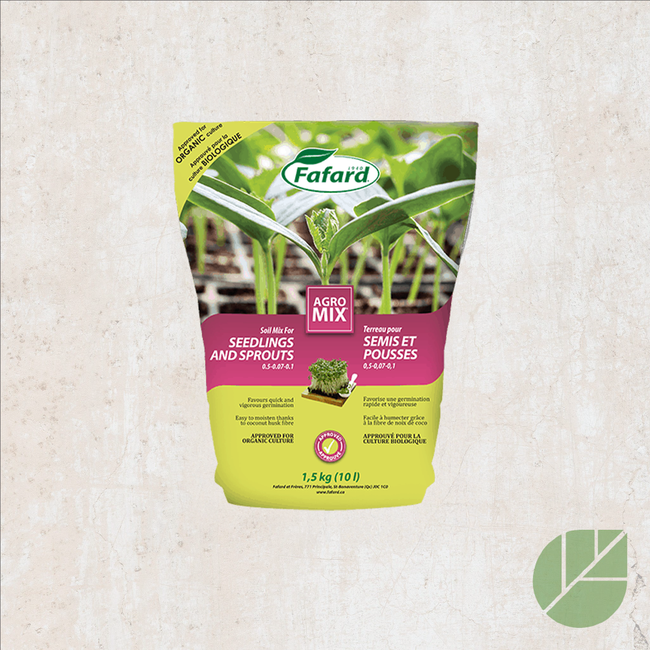
Seed Starting Soil
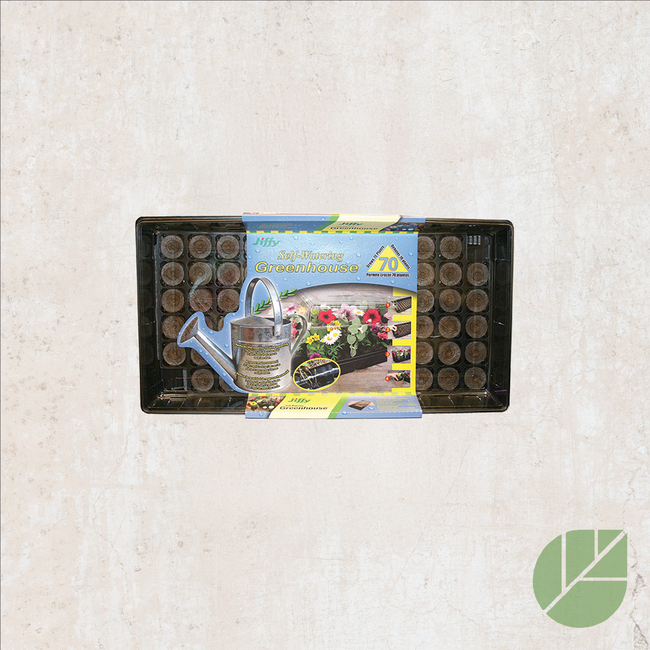
Shop the collectionSeed starting supplies
Shop the collection