

Sale
Sold out

Perennial root vegetable
Apiaceae
Heritage perennial vegetables
Skirret – Seeds
Sium sisarum
Product code :
Skirret is an old perennial root vegetable producing tender white roots with a mild, sweet flavour. Hardy and adapted to rich, moist soil, it returns annually and also provides white flower umbels visited by pollinating insects.
- Exposure
- Full sun to partial shade
- Life cycle
- Perennial
- Hardiness
- USDA Zones 4 to 8
Discover the plant
Common nameSkirret
FamilyApiaceae
GenusSium
Speciessisarum
Cultivar
TypePerennial root vegetable
Botanical nameSium sisarum
Reproducible seedsYes
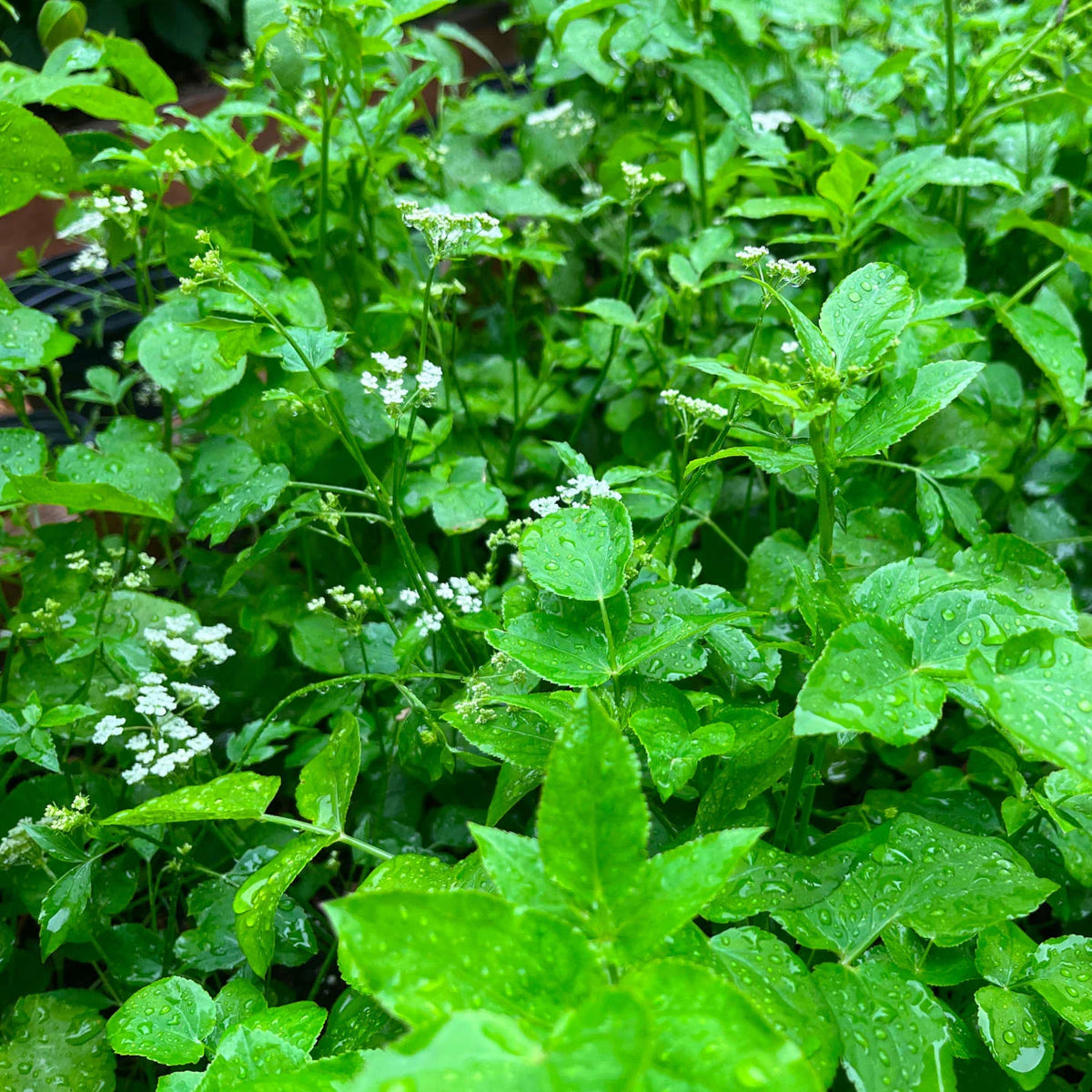
Skirret (Sium sisarum) is an old perennial root vegetable in the carrot family, grown for clusters of long white roots with a mild, naturally sweet flavour. Its compound green foliage forms a vigorous clump, followed by upright summer stems reaching approximately 1 to 1.5 m and carrying graceful umbels of small white flowers. These blooms attract bees, hoverflies, and many other beneficial insects. Hardy and well adapted to cool climates, Skirret returns for several years when established in deep, moist soil. Its airy form also provides ornamental interest in edible gardens while preserving a distinctive heritage crop rarely seen in modern Canadian vegetable plots.
Skirret prefers full sun or partial shade and deep, rich, loamy to clay soil that remains moist but drains well. Consistent moisture is important because prolonged drought may cause the roots to become more fibrous. Seeds can germinate slowly and unevenly; soaking them for 24 hours followed by 45 to 60 days of moist cold stratification may improve emergence. They may also be sown directly outdoors in autumn to receive natural winter chilling. Cover the seeds with approximately 5 mm of fine soil. An annual application of mature compost and an organic mulch support growth, conserve moisture, and reduce competition from weeds throughout the season.
In the vegetable garden, Skirret suits perennial edible beds, food gardens, and cool, moist sites that may be less suitable for conventional annual root crops. Harvest the roots after the foliage dies back, generally from late autumn through early spring, then steam, roast, sauté, or add them to soups and stews. Their flavour resembles parsnip but is often milder and sweeter. Summer umbels support pollinating insects, while established crowns may be divided to renew or expand the planting. Combine Skirret with borage, lettuce, celery, or leafy vegetables that also appreciate fertile soil and dependable moisture during active growth.

Sowing guide
It all startswith a seed.
Sowing depth
Approximately 5 mm
Spacing / density
30 to 45 cm (12 to 18 in.)
Germination temperature
15 to 20°C after stratification
Germination time
14 to 30 days after stratification
Sowing period
Autumn or late winter after cold stratification
Propagation
Stratified seed or crown division
Cold stratification
Yes
Growing method
Sow seeds in autumn or spring in a rich, loose, and moist substrate. A cold period promotes more uniform germination. Transplant young plants into full sun or partial shade and maintain regular moisture to encourage the development of edible roots.
Soil and care
The right care,at the right time.
Soil pH
Slightly acidic to neutral, about 6.0 to 7.0
Minimum temperature
Approximately -20 to -30°C with protection
Care level
Moderate
Watering
Regular to keep soil consistently moist
Soil type
Deep, rich, loamy to clay, and moist
Fertilization
Mature compost in spring and after harvest
Moisture
Moderate to high; prefers moist, fertile soil
Seasonal care
In spring, remove dry debris, gently loosen the soil surface, and apply mature compost around the crowns. Maintain an organic mulch to conserve moisture and suppress weeds. During summer, water deeply whenever the upper layer of soil begins to dry, because insufficient moisture may produce fibrous roots. Stake tall flowering stems in exposed sites. In autumn, harvest part of the root cluster after the foliage dies back and replant several vigorous crowns. Divide older clumps every three to four years to renew productivity, improve root quality, and prevent overcrowding within the planting.
Container growing
A garden,within reach.
Recommended pot size
20 to 30 L (5 to 8 gal)
Pot cultivation of skirret is possible in a deep container filled with rich, loose, and well-drained potting mix. The depth of the pot is important to allow the edible roots to develop properly. Place the container in full sun or partial shade and maintain regular moisture throughout growth.

Bloom and dimensions
Its place,in your garden.
Mature height
Approximately 1.5 m
Width / spread
Approximately 45 cm
Flower color
White
Foliage color
Green
Foliage type
Deciduous
Growth rate
Moderate
Growth habit
Upright, branching and clump-forming
Fragrance
Lightly aromatic foliage
Bloom period
July to August
Fruiting
Small aromatic dry fruits held in umbels
Days to maturity
Roots ready approximately 240 to 300 days after sowing
Harvest
Late autumn through early spring
Garden associations
In goodcompany.
Companion plants
Borage, lettuce, celery, and leafy vegetables
Plants to avoid
Fennel and plants requiring very dry soil
Recipe idea
From the gardento your plate.
Edible parts
Tuberous roots
Skirret is ideal for a perennial vegetable garden. Its sweet white roots can be cooked like carrots or parsnips, roasted, added to soups or served as a purée.
Frequently asked questions
Your questions,answered.
When should Skirret seeds be sown?
Sow skirret seeds in spring or autumn. A cold period can promote more even germination.
When should Skirret roots be harvested?
Harvest the roots generally from late fall, after the cold has improved their flavor, and as needed throughout the winter when the soil allows.
What does Skirret taste like?
Skirret has a mild, slightly sweet flavor, often compared to that of parsnips or carrots.
Does Skirret return every year?
Yes. Chervil is a perennial plant that can grow back for several years if left in the garden.
Which parts of Skirret are edible?
The roots are the main part consumed. Young shoots and leaves can also be used when tender.
Wildlife and pets
Life,around your plants.
Supporting wildlife
Bees, hoverflies, and pollinating insects
For a great start to your seeds
The right extras.Right here.
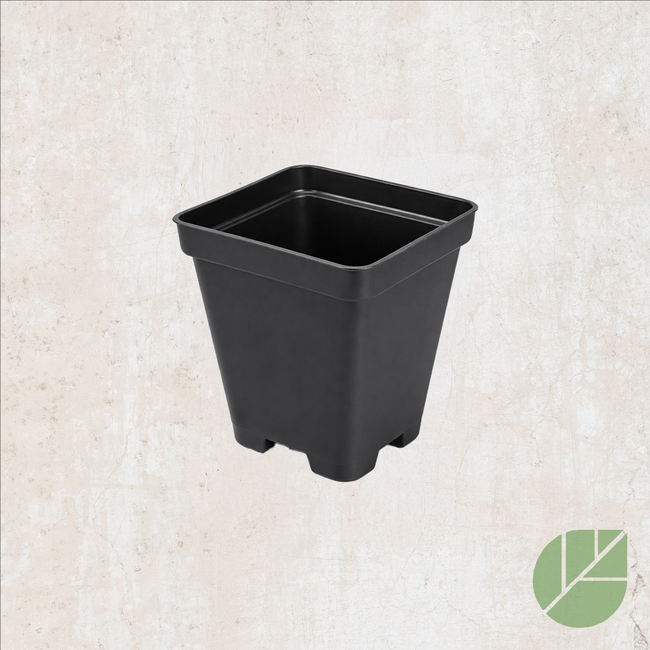
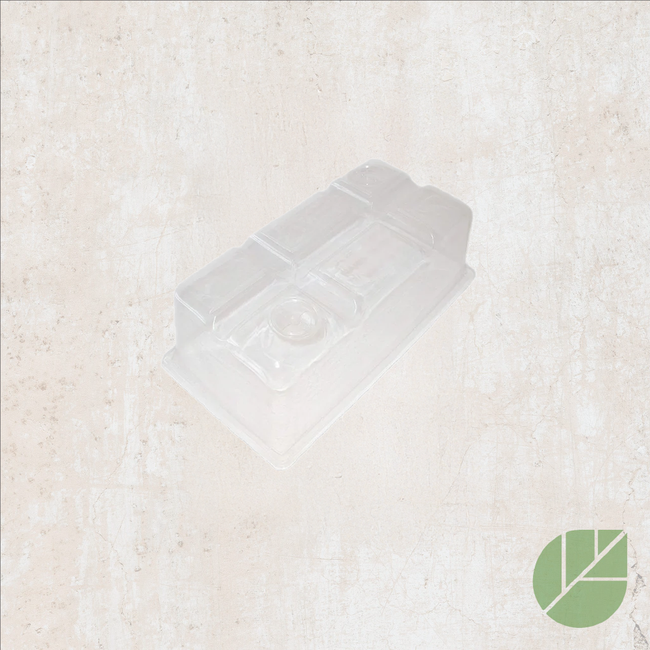
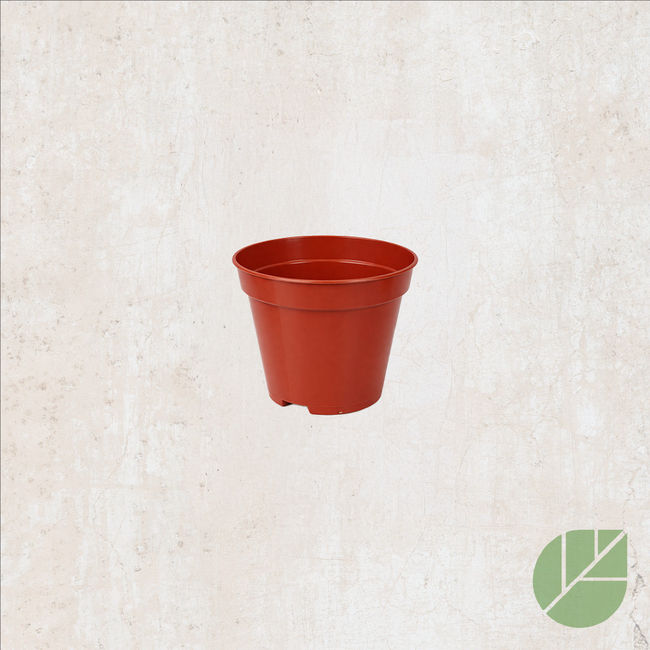
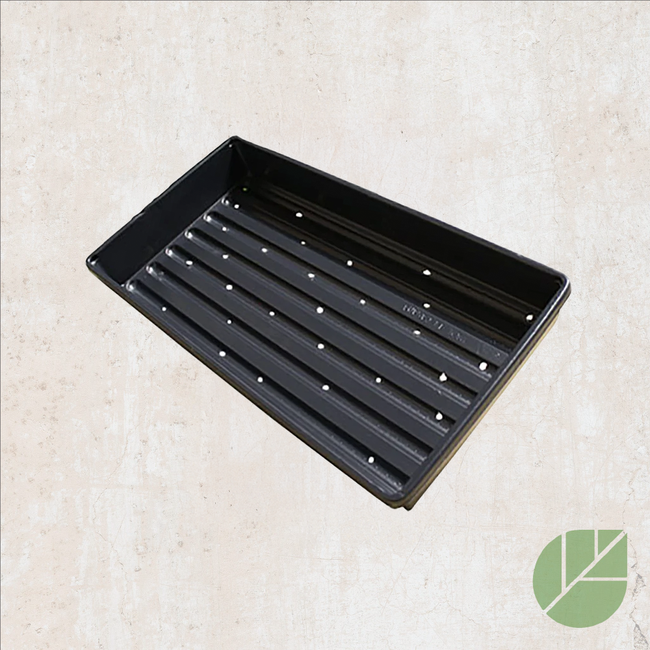
Platters, pots and domes
Shop the collection
Seed Starting Soil
Shop the collectionSeed starting supplies
Shop the collection




