

Sale
Sold out

Naturalized biennial flower
Scrophulariaceae
Ornamental biennials for pollinators
Common Mullein – Seeds
Verbascum thapsus
Product code :
This spectacular biennial forms a rosette of woolly silver foliage followed by a tall spike of yellow flowers. Drought tolerant, Common Mullein suits poor soil, dry slopes, wildflower meadows, and pollinator-friendly landscapes.
- Quantity
- Minimum 500 seeds
- Exposure
- Full sun
- Life cycle
- Biennial
- Hardiness
- USDA Zones 3 to 9
Discover the plant
Common nameCommon Mullein
FamilyScrophulariaceae
GenusVerbascum
Speciesthapsus
Cultivar
TypeNaturalized biennial flower
Botanical nameVerbascum thapsus
Reproducible seedsYes
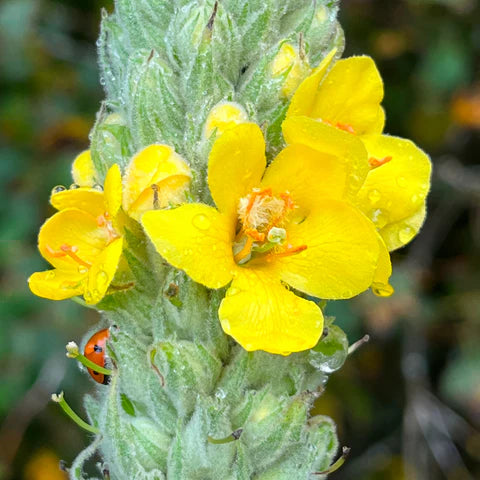
Common Mullein (Verbascum thapsus) is an imposing biennial recognized by a broad rosette of thick, silvery-green leaves covered in soft woolly hairs. During its first year, it mainly develops basal foliage; in the second, a tall upright flowering stalk may reach 1.5 to 2.5 m. Numerous yellow flowers open progressively along the spike from June through September, extending ornamental interest over many weeks. Its strong vertical silhouette creates a dramatic focal point in naturalized gardens. Exceptionally hardy, it overwinters successfully as a rosette in Quebec before completing its cycle and producing abundant seed.
Common Mullein prefers full sun and poor sandy, gravelly, or rocky soil with excellent drainage. Once established, it tolerates drought remarkably well and succeeds where more demanding perennials often struggle. The tiny seeds should be surface sown or covered with no more than 2 mm of medium because light encourages germination. Spring or autumn sowing is suitable. Maintain light moisture until seedlings emerge, then gradually reduce watering. Fertilizer is rarely required; overly rich soil may produce weak stems and excessive leafy growth. Avoid permanently wet ground, heavy compacted clay, and locations where the tall flower stalk may be damaged by strong wind.
In the garden, Common Mullein suits dry slopes, rock gardens, wildflower meadows, controlled naturalized areas, and pollinator plantings. Its flowers provide pollen and nectar for bees, bumblebees, and other beneficial insects over an extended period. Pair it with Yarrow, Purple Coneflower, Black-Eyed Susan, and Wild Bergamot to create a drought-tolerant planting. Because Verbascum thapsus produces enormous quantities of seed and may reseed aggressively, remove flower spikes before maturity where spread must be limited. This species is best grown for ornamental and ecological value rather than for food, smoking, or unsupervised medicinal use.

Sowing guide
It all startswith a seed.
Sowing depth
Surface to a maximum of 2 mm
Spacing / density
45 to 60 cm (18 to 24 in)
Germination temperature
18 to 22°C
Germination time
10 to 21 days
Sowing period
Spring or autumn
Propagation
Seed and abundant natural reseeding
Growing method
Surface sow Common Mullein seeds or cover them with no more than 2 mm of soil in spring or autumn. Light promotes fast, even germination. This biennial thrives in poor, dry to moderately moist, well-drained soils and forms a large woolly leaf rosette during its first year before producing its impressive flowering spike in the second season. Full sun encourages sturdy growth and abundant blooms. Once established, it readily self-seeds and requires very little maintenance.
Soil and care
The right care,at the right time.
Soil pH
Approximately 6.0 to 8.0
Minimum temperature
Approximately -40°C as an overwintering rosette
Care level
Low
Drought tolerance
Yes
Watering
Moderate during establishment; low afterward
Soil type
Sandy to rocky, poor, dry, and sharply drained
Fertilization
None or very light compost
Moisture
Low; prefers dry, very well-drained soil
Seasonal care
In spring, clear damp debris from around first-year rosettes and confirm that the soil drains rapidly. Water young plants only when the ground becomes very dry. During the second year, stake the flowering stem in sites exposed to strong wind. Avoid rich fertilizer and frequent watering. After flowering, remove spikes before the capsules mature to prevent abundant reseeding, or leave a few in a controlled naturalized area. In autumn, remove plants that have completed their life cycle when their dry structure is not desired through winter.
Container growing
A garden,within reach.
Recommended pot size
40 to 50 cm (16 to 20 in)
Common Mullein can be grown in deep containers at least 40 cm (16 in) deep using a sharply drained growing medium. Because it develops a long taproot, tall containers are preferable to wide ones. Place the container in full sun and water sparingly once the plant is established. Container growing allows gardeners to enjoy its spectacular flowering spike even in smaller spaces.
Bloom and dimensions
Its place,in your garden.
Mature height
Approximately 2.5 m
Width / spread
Approximately 60 cm
Flower color
Yellow
Foliage color
Silvery green, densely woolly
Foliage type
Semi-evergreen rosette depending on climate
Growth rate
Moderate
Growth habit
Rosette in the first year, followed by a tall upright spike
Fragrance
Little to no fragrance
Bloom period
June to September, generally in the second year
Fruiting
Capsules containing numerous tiny seeds
Days to maturity
Flowers in the second year
Harvest
Harvest flowers and leaves during summer, then collect seeds in late season
Garden associations
In goodcompany.
Companion plants
Yarrow, Purple Coneflower, Black-Eyed Susan, and Wild Bergamot
Plants to avoid
Northern Blue Flag Iris, Marsh Marigold, and wet-soil plants
Frequently asked questions
Your questions,answered.
When should Common Mullein seeds be sown?
Common Mullein seeds can be sown directly outdoors in spring or autumn. They germinate readily in sunny, well-drained locations.
Can Common Mullein grow in poor soil?
Yes. Common Mullein is exceptionally hardy throughout Canada and often self-seeds naturally from year to year.
Does Common Mullein attract pollinators?
Yes. Its abundant yellow flowers attract bees, butterflies, bumblebees, and many other beneficial pollinating insects over a long flowering season.
Can Verbascum thapsus become invasive?
Yes. Common Mullein thrives in poor, sandy, rocky, and dry soils where many other plants struggle to establish.
Is Common Mullein edible or medicinal?
Yes. The flowers and leaves have a long history of traditional herbal use. As with any medicinal plant, proper identification and appropriate guidance are recommended before use.
Wildlife and pets
Life,around your plants.
Attracts birds
Yes
Reported toxicity
Yes
Supporting wildlife
Bees, butterflies, and pollinators
For a great start to your seeds
The right extras.Right here.
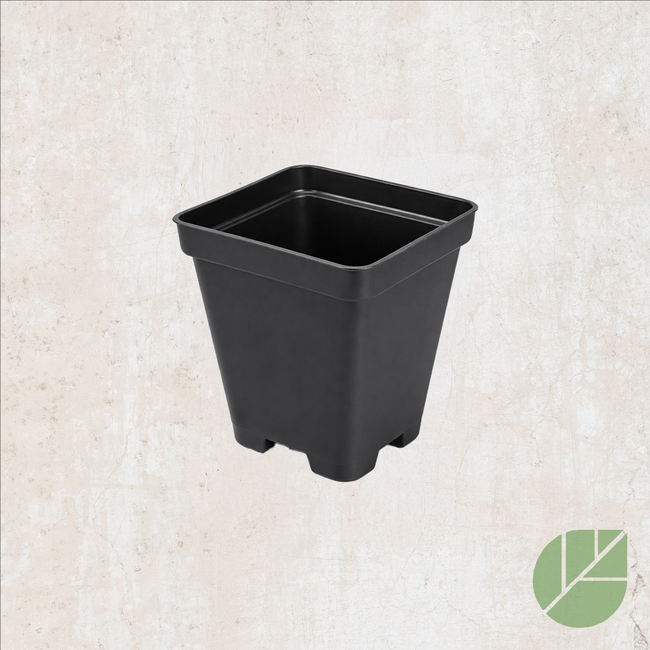
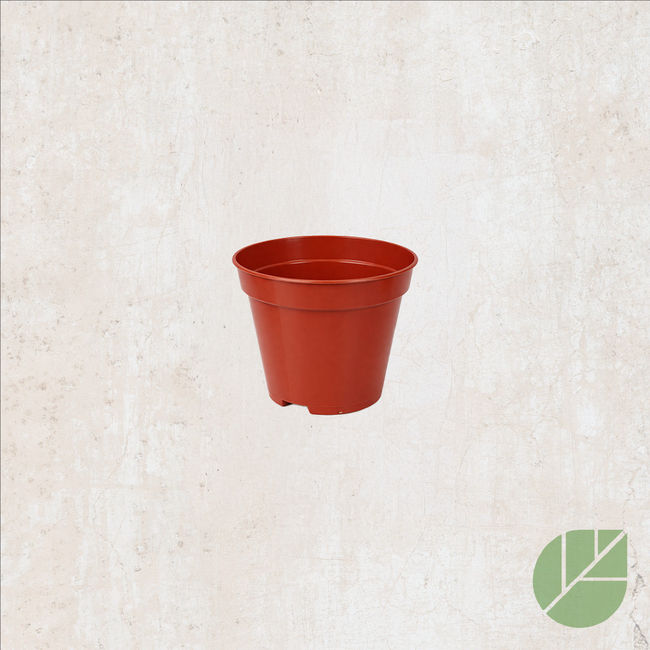
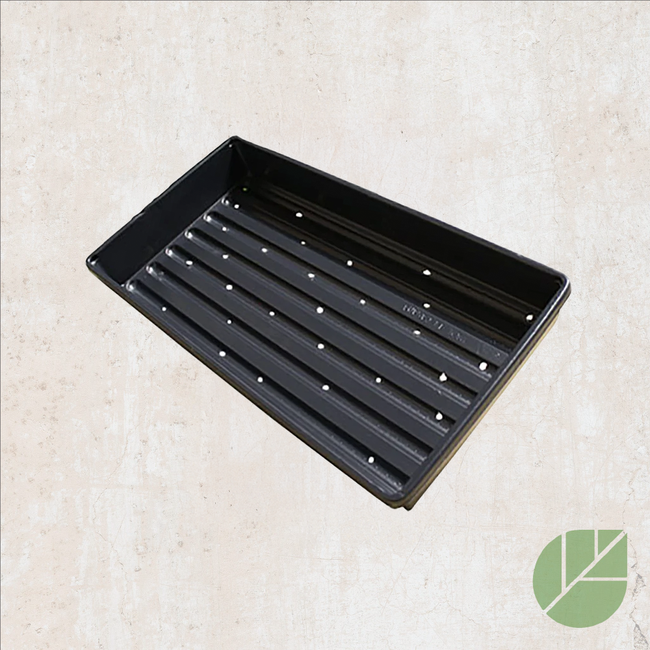
Platters, pots and domes
Shop the collection

Seed Starting Soil
Shop the collectionSeed starting supplies
Shop the collection




