

Sale
Sold out

Shrub
Ericaceae
Native shrubs for wet and boggy sites
Labrador Tea
Rhododendron groenlandicum
Product code : AKENE-0054
Native evergreen shrub with aromatic peatland foliage.
- Quantity
- About 50 seeds
- Exposure
- Sun to partial shade
- Life cycle
- Perennial
- Hardiness
- Zone 2 to 6
Discover the plant
Common nameLabrador Tea
FamilyEricaceae
GenusRhododendron
Speciesgroenlandicum
Cultivar
TypeShrub
Botanical nameRhododendron groenlandicum
Reproducible seedsYes
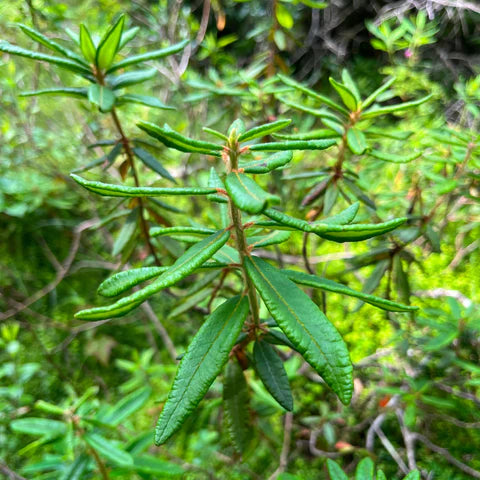
Labrador Tea (Rhododendron groenlandicum) is an iconic native shrub of Quebec peatlands, valued for its aromatic evergreen foliage and delicate white flowers. Its dark green leaves with brown undersides provide unique texture and a distinctive resinous fragrance that adds sensory interest to the garden. In spring, clusters of white flowers brighten acidic habitats and attract bees and other pollinators adapted to northern landscapes.
Labrador Tea (Rhododendron groenlandicum) thrives in very acidic, peaty, nutrient-poor soils that remain consistently cool and moist. It prefers sun to partial shade and requires little maintenance once established. Seeds are surface sown after cold stratification because they require light for germination. A mulch of conifer needles or acidic organic matter helps retain moisture and maintain the natural conditions required by this peatland plant.
Labrador Tea (Rhododendron groenlandicum) is ideal for bog gardens, acidic woodland landscapes, and natural plantings inspired by Quebec ecosystems. Its aromatic leaves have a long tradition of moderate use in herbal infusions, while its evergreen foliage provides year-round interest. Combined with wintergreen, sheep laurel, and cranberry, it helps create pollinator-friendly habitats and biodiverse northern gardens.

Sowing guide
It all startswith a seed.
Sowing depth
Surface sowing
Spacing / density
60 to 120 cm (24 to 48 in)
Germination temperature
18 to 20 °C
Germination time
Slow and irregular germination, generally in 30 to 90 days
Sowing period
Spring after stratification
Propagation
Seed propagation after cold stratification and division
Cold stratification
Yes
Growing method
Surface sow the seeds after a period of cold stratification using an acidic, peaty growing medium. Keep the substrate consistently moist with non-calcareous water and do not cover the seeds, as light promotes germination. This species is naturally adapted to bogs, wet heaths, and nutrient-poor acidic soils. Slow growth during the first few years is completely normal. Mulching with peat moss or pine needles helps preserve soil acidity. Once established, Labrador Tea requires very little maintenance and withstands severe northern winters exceptionally well.
Soil and care
The right care,at the right time.
Soil pH
4.0 to 5.5
Minimum temperature
-45 °C (-49 °F)
Care level
Low
Watering
Keep moist with low-mineral water
Soil type
Acidic, peaty, poor and moist
Fertilization
Light acidic organic matter
Moisture
High; moist to wet, acidic, peaty soil
Seasonal care
Maintain acidity, moisture, and add acidic mulch.
Container growing
A garden,within reach.
Recommended pot size
30 to 45 cm (12 to 18 in)
Labrador Tea grows well in wide containers filled with a highly acidic growing medium composed of peat moss and low-fertility organic matter. Maintain constant moisture using rainwater or other low-mineral water to preserve the conditions this bog species requires. Full sun to partial shade encourages dense, aromatic foliage. Container growing is especially suitable for miniature bog gardens and patios featuring acid-loving native plants.

Bloom and dimensions
Its place,in your garden.
Mature height
100 cm
Width / spread
120 cm
Flower color
White
Foliage color
Dark green with brown undersides
Foliage type
Evergreen
Growth rate
Slow
Growth habit
Low, upright and rounded shrub
Fragrance
Highly aromatic, resinous and camphor-like foliage
Bloom period
May to June
Fruiting
Seed capsules
Days to maturity
Slow growing; several years to full maturity
Harvest
Leaves from spring to summer
Garden associations
In goodcompany.
Companion plants
Wintergreen, sheep laurel, cranberry, round-leaved sundew
Plants to avoid
Lavender, santolina, rosemary, sedum
Recipe idea
From the gardento your plate.
Edible parts
Dried leaves traditionally used for infusion, only with moderation and caution
The aromatic leaves of Labrador Tea have traditionally been harvested in moderation from spring through summer and dried for fragrant herbal infusions. The plant has a long history of traditional use among many Indigenous peoples of Canada. The dried leaves may also be added to aromatic blends or used to flavor certain traditional preparations. Because Labrador Tea contains biologically active compounds, it should always be used with moderation and appropriate caution.
Frequently asked questions
Your questions,answered.
When should Labrador Tea be sown?
Labrador Tea is best sown in spring after a period of cold stratification, which reproduces the natural germination cycle of this northern species.
Can its leaves be harvested?
Yes. The leaves have traditionally been harvested in moderation from spring through summer, dried, and used to prepare fragrant herbal infusions.
What soil is best?
Labrador Tea requires very acidic, peaty, nutrient-poor soil that remains consistently cool to moist throughout the growing season.
Is it suitable for Quebec?
Yes. Its abundant white flowers attract native bees, bumblebees, and many other beneficial pollinating insects.
Does it attract pollinators?
Absolutely. Labrador Tea is perfectly adapted to the cold climates of Canada and thrives in harsh northern conditions where many other shrubs cannot grow.
Wildlife and pets
Life,around your plants.
Native plant
Yes
Reported toxicity
Yes
Supporting wildlife
Pollinators
For a great start to your seeds
The right extras.Right here.
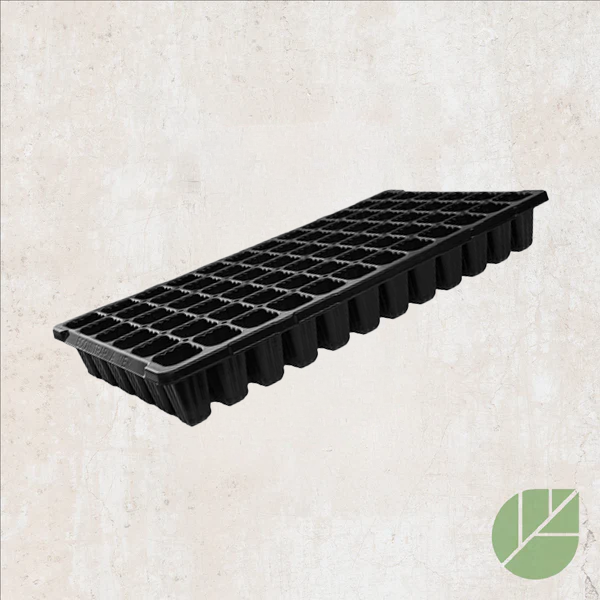
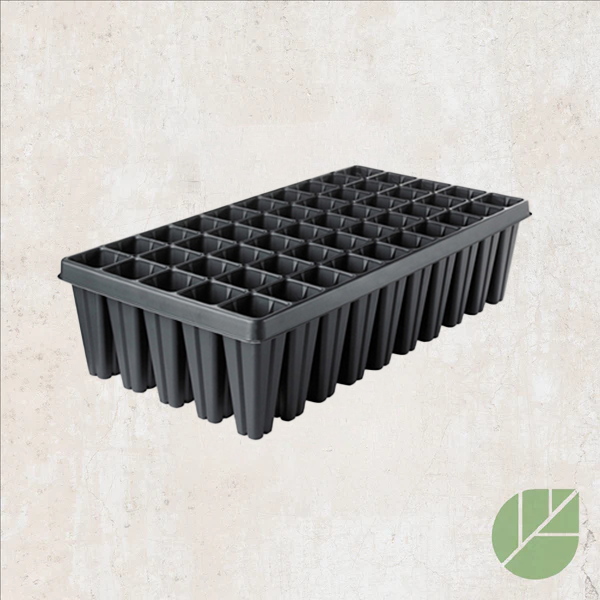
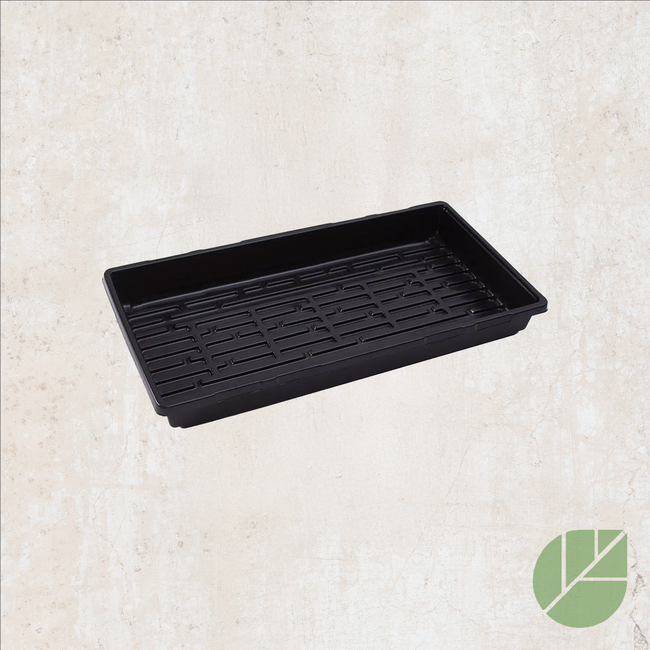
Platters, pots and domes
Shop the collection
Seed Starting Soil
Shop the collectionSeed starting supplies
Shop the collection




