


Sale
Sold out

Native plant
Asteraceae
Absinthe Grande organic
Artemisia absinthium
Product code : JAREC-0001
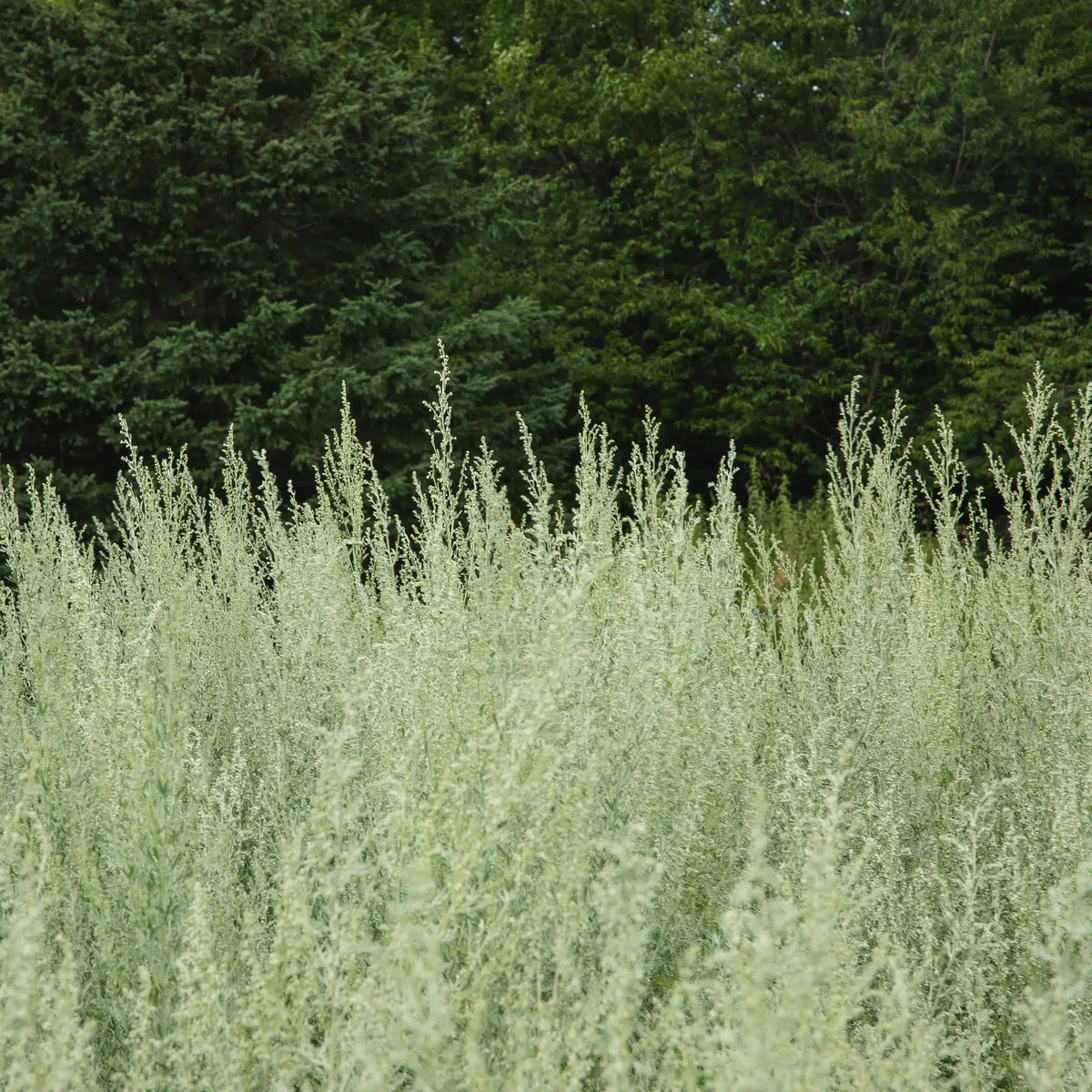
The silver, deeply cut foliage of common wormwood brightens sunny beds. Its distinctive scent can be detected when brushing against the leaves. This aromatic perennial finds its place in well-drained ornamental plantings, where its contrast with green foliage is more important than its discreet flowering. These organic seeds from Jardins de l’écoumène allow you to prepare your own plants and follow their development from sowing. Design your composition taking into account the adult habit and the distance from which the flowers will be observed. Small corollas benefit from being placed close to a path, while a tall silhouette can serve as a landmark at the back of a bed.
- Quantity
- About 300 seeds
- Exposure
- Sun
- Life cycle
- Perennial
Discover the plant
Common nameGrand wormwood
FamilyAsteraceae
GenusArtemisia
Specieswormwood
TypeNative plant
Botanical nameArtemisia absinthium
Reproducible seedsYes
Absinthe Grande Bio (Artemisia absinthium) , offered by Les jardins de l'écoumène
Absinthe Grande Bio is an imposing and elegant perennial plant, which can reach up to 1.5 meters in height. It is distinguished by its finely cut leaves with silvery reflections and its small yellow flower heads that appear during the summer. Valued for its aromatic foliage and unique appearance, this variety is ideal for sunny, dry gardens. Its hardiness in harsh conditions makes it a reliable and decorative plant, perfect for embellishing flowerbeds or borders.
Latin name : Artemisia absinthium
Maturity : Perennial
Germination : 10 to 20 days
Sowing temperature : 18 to 22°C
Plant height : Up to 1.5 meters
Spread : 60 to 80 cm
Flower color : Yellow
Quantity per pack : Approximately 50 seeds
Formulation : Organic
Use : Ornamental garden, medicinal plants, natural repellent
Companion plants : Cabbage, carrots, roses
Enemy plants : Anise, sage
Cultivation method:
Sow seeds directly into the ground in spring when the soil is warm, or start them indoors 6 to 8 weeks before the last frost. Spread the seeds on the surface of the soil without covering them, as they need light to germinate. Maintain a temperature of 18 to 22 °C and keep the soil slightly moist. Transplant the seedlings 60 to 80 cm apart in well-drained soil, ideally in full sun.
Prune the plant as needed to limit its expansion and prevent it from becoming too invasive. Wormwood prefers poor soils and requires little watering once established. This hardy plant is drought tolerant and attracts few pests, while repelling pests such as aphids.
An elegant and useful plant for your garden!
With its natural repellent properties, medicinal virtues and unique silver foliage, Absinthe Grande Bio is a versatile and decorative plant. It will add a touch of elegance and functionality to your outdoor spaces.

Sowing guide
It all startswith a seed.
Sowing depth
On the surface, without covering
Germination temperature
18 to 22°C (64 to 72°F)
Germination time
10 to 20 days
Sowing period
April to June
Propagation
Sowing
Growing method
Recommended sowing period: April to June. Sow on the surface, without covering. Germination usually takes 10 to 20 days. For germination, keep the potting soil at 18 to 22 °C (64 to 72 °F). Transplant young flowers when their true leaves have developed and their roots hold the root ball. Handle seedlings gently and avoid compressing the stem. Under lights, gradually space out containers so that the foliage does not overlap. Acclimatization then prepares the plants for sun, wind, and temperature variations. Planting out occurs when conditions match their hardiness. Observe the succession of buds, open flowers, and withered parts to choose appropriate interventions. Pruning should preserve shoots that will flower next. For tall-stemmed plants, check supports after a windy period. Light pruning helps maintain the plant's shape without denuding it. Adapt end-of-season care to the plant's cycle: annuals and perennials do not require the same winter preparation. Choose between extending the flowering period and keeping seeds on a few stems.
Soil and care
The right care,at the right time.
Care level
Regular during establishment, then adapted to growing conditions
Watering
Weak
Soil type
Poor and well-drained
Fertilization
Fertilisation supports growth and takes into account nutrients already present in the soil or potting mix. Use mature compost or a fertilizer suited to the crop, following the dosage instructions. Avoid using multiple products, especially in a container where roots occupy a limited volume. Water as needed after application and observe foliage development before re-fertilizing.
Moisture
Keep the compost moist during germination, with no standing water; then adjust according to the crop.
Seasonal care
Wormwood, a plant with silvery foliage, provides a textural contrast to green leaves. This absinthe wormwood is used here as an ornamental plant; prune damaged stems to keep a tidy clump. Transplant young flowers when their true leaves have developed and their roots hold the root ball together. Handle seedlings delicately and avoid compressing the stem. Under lighting, gradually space containers so that the foliage does not overlap. Acclimatization then prepares the plants for sun, wind, and temperature variations. Planting out occurs when conditions match their hardiness. Observe the succession of buds, open flowers, and faded parts to choose appropriate interventions. A cut should preserve the shoots that will flower next. For tall-stemmed plants, check supports after a windy period. Light pruning helps maintain the silhouette without stripping it bare. Adapt end-of-season care to the plant's cycle: annuals and perennials do not require the same winter preparation. Choose between extending flowering and preserving seeds on some stems. Removing faded flowers is suitable for many annuals, while capsules and dry inflorescences can have decorative interest. Keep plants identified when they no longer bear flowers and remove self-sown seedlings that are in a pathway. The silvery, cut foliage of great wormwood brightens sunny beds.
Container growing
A garden,within reach.
Recommended pot size
A pierced and sturdy container, wide enough for the plant to spread out and deep enough for the roots
Choose this exposure: full sun. Reserve this spread around the plant: 60 to 80 cm (24 to 32 in). A flowering container arrangement must allow space for each plant to grow. Place upright forms where they remain visible and allow trailing stems to occupy the edge when present. Ensure that combined plants share the desired exposure and humidity. After a few weeks, observe the areas that are densifying and only remove damaged parts or stems that hinder the composition's balance. The silvery, cut foliage of grand wormwood brightens sunny beds. Its strong scent is perceived when you brush against the leaves. This aromatic perennial finds its place in a well-drained ornamental planting, where its contrast with green foliage matters more than its discreet flowering. Observe the succession of buds, open flowers, and faded parts to choose useful interventions. A cut should preserve the shoots that will flower afterward. For tall-stemmed plants, check their supports after a windy period. Light pruning helps maintain the silhouette without denuding it. Adapt end-of-season care to the plant's cycle: annuals and perennials do not require the same winter preparation.

Bloom and dimensions
Its place,in your garden.
Mature height
4 to 5 ft (1.2 to 1.5 m)
Width / spread
60 to 80 cm (24 to 32 in)
Bloom period
July to September
Harvest
June to September
Garden associations
In goodcompany.
Companion plants
In a diversified plantation, you can reserve neighboring sections for these plants: cabbages, carrots, roses. The association here serves to organize space and harvests. Respect the height, light, and water needs of each plant, without crowding the foliage. Maintain a pathway for watering and picking, then remove finished crops to free up space. This organization facilitates maintenance without promising protection against pests. Design the layout taking into account the adult size and the distance from which the flowers will be observed.
Frequently asked questions
Your questions,answered.
How to successfully sow great wormwood?
Recommended sowing period: April to June. Sow on the surface, do not cover. Germination usually takes 10 to 20 days. For germination, keep the potting mix at 18 to 22 °C (64 to 72 °F). Transplant young flowers when their true leaves have developed and their roots hold the soil ball. Handle seedlings gently and avoid compressing the stem. Under lights, gradually space the containers so that the foliage does not overlap. Acclimatization then prepares the plants for sun, wind, and temperature variations. Planting out occurs when conditions match their hardiness.
Can you grow grand wormwood in a pot?
Choose this exposure: full sun. Allow this spacing around the plant: 60 to 80 cm (24 to 32 in). A floral container arrangement must allow space for each plant to grow. Place upright forms where they remain visible and allow trailing stems to occupy the edge when present. Ensure that the plants grouped together share the desired exposure and humidity. After a few weeks, observe the areas that are becoming denser and only remove damaged parts or stems that interfere with the balance of the composition. The silvery, cut foliage of great wormwood brightens sunny beds.
How to care for Great Wormwood during the season?
Choose between extending flowering and saving seeds on a few stems. Deadheading is suitable for many annuals, while seed pods and dry inflorescences can be ornamental. Keep plants identified when they are no longer in bloom and remove self-sown seedlings blocking a pathway. Observe the succession of buds, open flowers, and faded parts to choose useful interventions. A cut should preserve the shoots that will flower next. For tall-stemmed plants, check supports after a windy period. Light pruning helps maintain the silhouette without denuding it.
How to enjoy a large absinthe in the garden?
Wormwood, a plant with silvery foliage, provides a textural contrast with green leaves. This absinthe wormwood is used here as an ornamental plant; prune damaged stems to maintain a neat clump. The silvery, cut foliage of common wormwood brightens sunny beds. Its strong scent is perceived when leaves are brushed against. This aromatic perennial finds its place in well-drained ornamental plantings, where its contrast with green foliage matters more than its discreet flowering. Design the composition taking into account the mature habit and the distance from which the flowers will be observed. Small corollas benefit from being closer to a path, while a tall silhouette can serve as a landmark at the back of a bed.
How to organize a large Absinthe planting?
Draw the composition taking into account the adult habit and the distance from which the flowers will be observed. Small flowers benefit from being placed close to a path, while a tall silhouette can serve as a landmark at the back of a bed. Repeat a few plants of the same variety to make the color legible. Maintain access for cutting and avoid crowding clumps just to immediately fill the space. Observe the succession of buds, open flowers, and faded parts to choose useful interventions. A cut should preserve the shoots that will flower next. For tall-stemmed plants, check their support after a windy spell.
For a great start to your seeds
The right extras.Right here.
Seed Starting Soil
Shop the collectionSeed starting supplies
Shop the collection





