Sale
Sold out

Seeds
Amaranthaceae
Rainbow Swiss Chard Mix Seeds — Organic
Beta vulgaris
Product code : LOVE-0001
Organic Aimers Rainbow Swiss chard combines large dark green leaves with stalks in several colours. The plants contribute to the vegetable garden’s display while supplying leaves and stalks for savoury dishes. Sow in well-drained soil and monitor moisture during emergence. Thin gradually, then harvest outer leaves without damaging the growing centre. In Quebec, the production period depends on local conditions and maintenance. A small sowing does not necessarily contain equal proportions of every shade. This diversity is part of the blend’s appeal; prepare leaves and stalks according to their texture. The supplier describes this blend as open-pollinated. Stalk colours may vary among plants, and their appearance can change during cooking even when the garden display is vivid.
- Quantity
- Approximately 100 seeds
- Exposure
- Full sun
Discover the plant
Common nameSwiss chard
FamilyAmaranthaceae
GenusBeta
Speciesvulgaris
TypeSeeds
Botanical nameBeta vulgaris
Rainbow Swiss Chard Mix Seeds — Organic Beta vulgaris. Organic Rainbow Swiss chard combines brightly coloured stalks with large, slightly crinkled dark green leaves. OSC lists yellow, red, orange, violet, white, green and pink shades without guaranteeing identical proportions in every sowing. According to the supplier, the leaves have a lighter flavour than standard chard. This open-pollinated blend has both culinary and decorative roles in the garden. Harvest leaves and stalks gradually to enjoy the colours while preparing varied savoury dishes. The supplier describes this blend as open-pollinated. Stalk colours may vary among plants, and their appearance can change during cooking even when the garden display is vivid.
Rainbow seeds produce several stalk colours without a guaranteed distribution of shades. Direct-sow Swiss chard in well-drained soil in spring, when the ground has drained sufficiently and local weather is suitable. For Rainbow, the supplier recommends sowing 1 to 2 cm deep. Keep the seedbed moist during emergence and identify young shoots before weeding. Several seedlings may emerge close together; thin gradually to allow leaf and stalk development. Staggered sowings until early summer can spread the harvest. Choose a location where plants remain accessible for clean cuts of the outer leaves.
Harvest Rainbow’s coloured stalks with their leaves, starting at the outside of the plant. Start with outer leaves on established plants and cut each stalk near its base without damaging the growing centre. This method preserves the young leaves under development for subsequent harvests. Do not remove all foliage at once if you want continued growth. Small leaves and large stalks have different textures; pick according to your intended recipe. Use healthy thinnings as young leafy vegetables. The rate of foliage replacement varies with the weather, watering and vigour of the plant. Observe regrowth rather than expecting the same harvest every week.

Sowing guide
It all startswith a seed.
Sowing depth
1 to 2 cm
Germination time
1 to 2 semaines
Sowing period
In spring, according to soil warming and local weather.
Propagation
Direct sowing
Growing method
Rainbow seeds produce several stalk colours without a guaranteed distribution of shades. Direct-sow Swiss chard in well-drained soil in spring, when the ground has drained sufficiently and local weather is suitable. For Rainbow, the supplier recommends sowing 1 to 2 cm deep. Keep the seedbed moist during emergence and identify young shoots before weeding. Several seedlings may emerge close together; thin gradually to allow leaf and stalk development. Staggered sowings until early summer can spread the harvest. Choose a location where plants remain accessible for clean cuts of the outer leaves. Leave Rainbow plants’ growing centres intact to preserve developing young leaves. Maintain consistent moisture to support broad leaves and stalks. A well drained soil allows watering without keeping the roots in the water. Weed early, then avoid cultivating deeply near the plants. Examine the foliage to distinguish insect damage, spots and simply aging leaves. Carefully remove damaged leaves that obstruct harvesting. Base fertilization on soil fertility and harvest frequency; do not increase applications without observing the crop. Keep a passage wide enough to maintain the crop without trampling the soil around the plants or breaking their petioles. Several seedlings may appear close together after emergence.
Soil and care
The right care,at the right time.
Watering
Check moisture in the soil or potting mix before watering again. During germination, water with a gentle spray to keep the surface moist without displacing seeds. After emergence, adjust watering to root development, heat and wind. Excess water must be able to drain away. Rain may not wet a sheltered container as thoroughly as a garden bed; check the growing area rather than watering on a fixed schedule.
Soil type
Swiss chard grows in well-drained soil that retains moisture for its large leaves. OSC gives a pH range of 6.5 to 7.5 for Rainbow. Check this with a soil test before considering amendments. Prepare a loose seedbed and leave space around the plants. In containers, use a vegetable potting mix and allow excess water to drain freely. Assess pH with a soil test before adding amendments.
Fertilization
Swiss chard produces abundant foliage; match fertilizer to vigour and actual harvest frequency. Base fertilization on soil fertility, plant vigour and how heavily you harvest. Organic matter can provide a useful foundation, but keep additional applications measured. For containers, follow the directions on the fertilizer selected for vegetables or herbs. Adding fertilizer will not automatically correct slow growth caused by cold, insufficient light or saturated soil.
Seasonal care
Leave Rainbow plants’ growing centres intact to preserve developing young leaves. Maintain consistent moisture to support broad leaves and stalks. A well drained soil allows watering without keeping the roots in the water. Weed early, then avoid cultivating deeply near the plants. Examine the foliage to distinguish insect damage, spots and simply aging leaves. Carefully remove damaged leaves that obstruct harvesting. Base fertilization on soil fertility and harvest frequency; do not increase applications without observing the crop. Keep a passage wide enough to maintain the crop without trampling the soil around the plants or breaking their petioles. Harvest Rainbow’s coloured stalks with their leaves, starting at the outside of the plant. Start with outer leaves on established plants and cut each stalk near its base without damaging the growing centre. This method preserves the young leaves under development for subsequent harvests. Do not remove all foliage at once if you want continued growth. Small leaves and large stalks have different textures; pick according to your intended recipe. Use healthy thinnings as young leafy vegetables. The rate of foliage replacement varies with the weather, watering and vigour of the plant. Observe regrowth rather than expecting the same harvest every week. After harvesting outer leaves, check the growing centre and preserve the young leaves developing there. The pace of replacement follows plant vigour and weather rather than an identical weekly yield.
Container growing
A garden,within reach.
OSC also recommends Rainbow Swiss chard for containers because of its decorative appearance. Rainbow chard can form an attractive plant in a container if it has sufficient space and potting mix. Choose a stable container with drainage holes, as the leaves become large. Install it in the sun and watch the watering in the summer. Thin seedlings instead of keeping an overcrowded group. Coloured stalks are easier to harvest when you can reach the plant’s base. In mixed plantings, ensure neighbouring plants do not deprive the chard of light or water. The container must support a vegetable crop even when its role is decorative. Leave Rainbow plants’ growing centres intact to preserve developing young leaves. Maintain consistent moisture to support broad leaves and stalks. A well drained soil allows watering without keeping the roots in the water. Weed early, then avoid cultivating deeply near the plants. Examine the foliage to distinguish insect damage, spots and simply aging leaves. Carefully remove damaged leaves that obstruct harvesting. Base fertilization on soil fertility and harvest frequency; do not increase applications without observing the crop. Keep a passage wide enough to maintain the crop without trampling the soil around the plants or breaking their petioles.

Recipe idea
From the gardento your plate.
Sauté chopped Rainbow stalks before adding the leaves to a gratin. To prepare a Swiss chard gratin, separate the stalks from the leaves. Cut stalks into even pieces and cook them before adding the faster-softening leaves. Then gather the parts in a dish with a sauce and cheese chosen according to your taste. Final baking brings the dish together without needing every colour in the blend to remain unchanged. For a lighter version, sauté with garlic and a small amount of oil. Again, start with the stalks and add the leaves later. Precooked, drained chard also suits a savoury tart filling; adjust the preparation’s moisture. The leaves and petioles offer complementary textures rather than a uniform ingredient. Taste before adding many seasonings so the vegetable’s own flavour remains noticeable. The portion depends on the size of the leaves available and the role of the vegetable in the meal. Begin cooking with the firmer stalks.
Frequently asked questions
Your questions,answered.
When and how should I sow Swiss chard in Quebec?
Rainbow seeds produce several stalk colours without a guaranteed distribution of shades. Direct-sow Swiss chard in well-drained soil in spring, when the ground has drained sufficiently and local weather is suitable. For Rainbow, the supplier recommends sowing 1 to 2 cm deep. Keep the seedbed moist during emergence and identify young shoots before weeding. Several seedlings may emerge close together; thin gradually to allow leaf and stalk development. Staggered sowings until early summer can spread the harvest. Choose a location where plants remain accessible for clean cuts of the outer leaves. Several seedlings may appear close together after emergence. Thin them gradually so both broad leaves and coloured stalks have room to develop.
Can I grow Swiss chard in containers?
OSC also recommends Rainbow Swiss chard for containers because of its decorative appearance. Rainbow chard can form an attractive plant in a container if it has sufficient space and potting mix. Choose a stable container with drainage holes, as the leaves become large. Install it in the sun and watch the watering in the summer. Thin seedlings instead of keeping an overcrowded group. Coloured stalks are easier to harvest when you can reach the plant’s base. In mixed plantings, ensure neighbouring plants do not deprive the chard of light or water. The container must support a vegetable crop even when its role is decorative.
How do I harvest Swiss chard at the right stage?
Harvest Rainbow’s coloured stalks with their leaves, starting at the outside of the plant. Start with outer leaves on established plants and cut each stalk near its base without damaging the growing centre. This method preserves the young leaves under development for subsequent harvests. Do not remove all foliage at once if you want continued growth. Small leaves and large stalks have different textures; pick according to your intended recipe. Use healthy thinnings as young leafy vegetables. The rate of foliage replacement varies with the weather, watering and vigour of the plant. Observe regrowth rather than expecting the same harvest every week.
How can I use Swiss chard in cooking?
Sauté chopped Rainbow stalks before adding the leaves to a gratin. Prepare leaves and stalks together or separately according to size. Firmer stalks often need longer cooking than leaves; start with the stalks and add the leaves later. Swiss chard suits gratins, savoury tart fillings and simmered vegetable dishes. The blend’s colours create garden variety, but their appearance may change during cooking. Gather portions of similar size to obtain a regular texture. A simple recipe allows you to discover the flavour of the leaves without letting seasoning dominate this crop of the vegetable garden. Begin cooking with the firmer stalks.
What should I check if my Swiss chard gets off to a poor start?
A colour poorly represented in Rainbow does not mean the sowing failed. A Swiss chard blend does not give every plant the same colour or an equal distribution of shades. That diversity is part of its appeal. If growth slows, check the spacing, moisture and competition of other plants. Large leaves can conceal very dry soil or well-established weeds. If plants are damaged after harvesting, check how you cut them; the growing centre should remain intact. In Quebec, production time depends on the local season. Expect harvests to follow plant vigour, and monitor foliage regularly rather than relying on a constant yield.
For a great start to your seeds
The right extras.Right here.
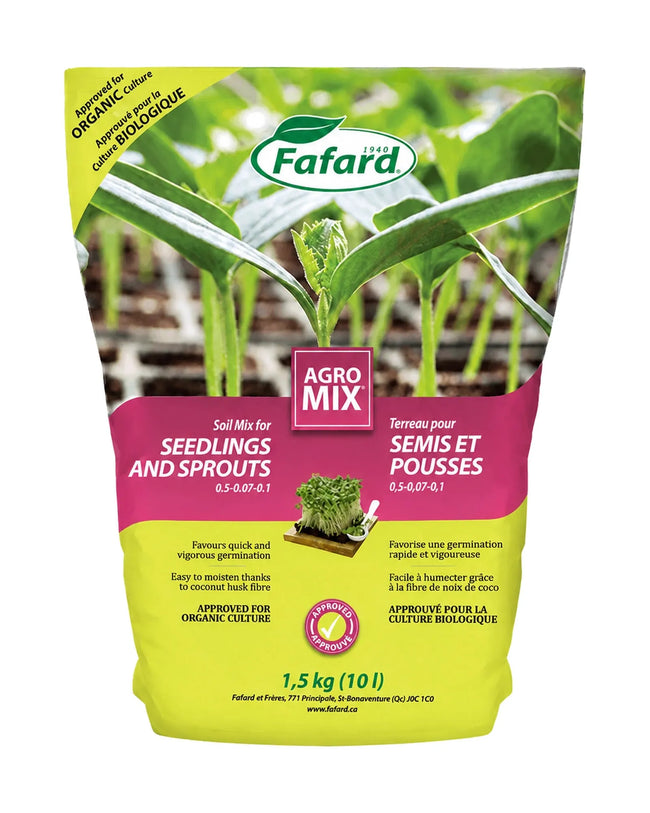
Seed Starting Soil
Shop the collectionSeed starting supplies
Shop the collection