Sale
Sold out

Seeds
Amaranthaceae
Beet 'Chioggia Guardsmark' Seeds — Organic
Beta vulgaris
Product code : LIKE-0003
Organic Aimers Chioggia Guardsmark adds a distinctive root to the beet harvest. The flattened globe reveals purple and white rings when sliced, with sweet flesh and the peppery note described by OSC. Young beet greens also suit leafy-vegetable dishes. Sow directly in loose soil, then thin to give each root room to develop. In Quebec, begin when the soil has drained sufficiently and keep moisture consistent throughout growth. Harvest according to the desired size. The rings are most apparent in the raw root; their contrast may change during cooking and with different preparations. The supplier identifies this as a heritage variety.
- Quantity
- Approximately 100 seeds
- Exposure
- Full sun
Discover the plant
Common nameBeet
FamilyAmaranthaceae
GenusBeta
Speciesvulgaris
CultivarChioggia Guardsmark
TypeSeeds
Botanical nameBeta vulgaris
Beet 'Chioggia Guardsmark' Seeds — Organic Beta vulgaris. Organic Chioggia Guardsmark produces flattened globe-shaped beet roots with purple and white rings revealed when sliced. OSC describes an improved, more uniform heritage selection with sweet flesh and a peppery finish. Harvest the tops as leafy vegetables when they are in good condition. Its interest lies as much in the appearance of the raw root as in its texture and flavour. The rings can change when cooking; their presence does not guarantee the same contrast in all preparations. The Guardsmark variety retains a distinct identity from traditional Chioggia and uniform red beets.
Sow Chioggia Guardsmark directly so its flattened globe-shaped roots develop without transplanting. Sow the beets directly into the garden in a well drained, fertile and loose soil. The supplier recommends sowing 1.25 cm deep in rows 30 to 45 cm apart. Maintain regular moisture during germination without allowing a hard crust to form on the surface. What looks like one seed can produce several seedlings, so plan to thin after emergence. Remove extra seedlings gently to give the remaining roots room to develop. In Quebec, choose your date based on the soil condition and local weather. Staggered sowings can spread the harvest if enough growing season remains.
Harvest a Chioggia Guardsmark root and slice it to discover the purple and white rings. Harvest the beets according to the size that is suitable for your preparations, observing the visible part of the root. An initial harvest of young roots lets you test tenderness and assess the crop. Lift roots carefully from resistant soil instead of pulling sharply on the tops. The leaves of thinned plants can also be used as leafy vegetables when they are in good condition. Avoid stripping plants whose roots are still growing, as their leaves support development. Spread harvesting along the row to balance root production with the use of young leaves.

Sowing guide
It all startswith a seed.
Sowing depth
1.25 cm
Germination time
1 to 2 semaines
Sowing period
In spring, according to soil warming and local weather.
Propagation
Direct sowing
Growing method
Sow Chioggia Guardsmark directly so its flattened globe-shaped roots develop without transplanting. Sow the beets directly into the garden in a well drained, fertile and loose soil. The supplier recommends sowing 1.25 cm deep in rows 30 to 45 cm apart. Maintain regular moisture during germination without allowing a hard crust to form on the surface. What looks like one seed can produce several seedlings, so plan to thin after emergence. Remove extra seedlings gently to give the remaining roots room to develop. In Quebec, choose your date based on the soil condition and local weather. Staggered sowings can spread the harvest if enough growing season remains. Chioggia Guardsmark’s rings are a varietal trait; care focuses mainly on steady root growth. Thinning is important to give roots room to develop. For these beets, the supplier recommends a final interval of 10 cm. Keep the best-established plants and limit weed competition. Water consistently, especially as roots enlarge. Alternating dry and waterlogged soil makes growth more difficult. Check the moisture in depth rather than systematically adding water every day. Match fertilization to soil fertility; extra fertilizer does not guarantee better roots. Maintain the surface carefully to avoid damaging the plants you want to keep.
Soil and care
The right care,at the right time.
Watering
Check moisture in the soil or potting mix before watering again. During germination, water with a gentle spray to keep the surface moist without displacing seeds. After emergence, adjust watering to root development, heat and wind. Excess water must be able to drain away. Rain may not wet a sheltered container as thoroughly as a garden bed; check the growing area rather than watering on a fixed schedule.
Soil type
Loose, fertile, well-drained soil helps beets form well-shaped roots. Prepare a fine seedbed and maintain consistent moisture during germination. The surface must not become a crust that blocks the shoots. After emergence, spacing counts as much as soil quality: several seedlings can come from the same seed. In a pot, provide useful depth and a mix that does not compact easily.
Fertilization
For beets, balanced nutrition accompanies root growth; more fertilizer does not replace thinning. Base fertilization on soil fertility, plant vigour and how heavily you harvest. Organic matter can provide a useful foundation, but keep additional applications measured. For containers, follow the directions on the fertilizer selected for vegetables or herbs. Adding fertilizer will not automatically correct slow growth caused by cold, insufficient light or saturated soil. Check the growing conditions first.
Seasonal care
Chioggia Guardsmark’s rings are a varietal trait; care focuses mainly on steady root growth. Thinning is important to give roots room to develop. For these beets, the supplier recommends a final interval of 10 cm. Keep the best-established plants and limit weed competition. Water consistently, especially as roots enlarge. Alternating dry and waterlogged soil makes growth more difficult. Check the moisture in depth rather than systematically adding water every day. Match fertilization to soil fertility; extra fertilizer does not guarantee better roots. Maintain the surface carefully to avoid damaging the plants you want to keep. Harvest a Chioggia Guardsmark root and slice it to discover the purple and white rings. Harvest the beets according to the size that is suitable for your preparations, observing the visible part of the root. An initial harvest of young roots lets you test tenderness and assess the crop. Lift roots carefully from resistant soil instead of pulling sharply on the tops. The leaves of thinned plants can also be used as leafy vegetables when they are in good condition. Avoid stripping plants whose roots are still growing, as their leaves support development. Spread harvesting along the row to balance root production with the use of young leaves. During root development, inspect spacing as well as moisture; several shoots can arise from one seed. Remove unwanted seedlings gently and avoid damaging the plants retained for the main root harvest.
Container growing
A garden,within reach.
A Chioggia Guardsmark container should give each root enough width to form its flattened globe. Choose a deep container with drainage holes and loose vegetable potting mix. Beets need space under the surface as well as between plants. An overcrowded sowing may produce tops without allowing roots to reach the desired size. Thin the seedlings, then observe their growth in sun. In containers, monitor moisture during warm periods while allowing excess water to drain. Do not compact the potting mix during routine care. Harvest appropriately sized roots gradually to free up space. Container growing needs regular attention and does not automatically reproduce garden-bed conditions. Chioggia Guardsmark’s rings are a varietal trait; care focuses mainly on steady root growth. Thinning is important to give roots room to develop. For these beets, the supplier recommends a final interval of 10 cm. Keep the best-established plants and limit weed competition. Water consistently, especially as roots enlarge. Alternating dry and waterlogged soil makes growth more difficult. Check the moisture in depth rather than systematically adding water every day. Match fertilization to soil fertility; extra fertilizer does not guarantee better roots. Maintain the surface carefully to avoid damaging the plants you want to keep.

Recipe idea
From the gardento your plate.
Thin slices of raw Chioggia Guardsmark show its rings; cooking may change their contrast. For roasted beets, cut the roots into even pieces and mix with a little oil and seasonings. Cook them to the desired texture, then adjust seasoning. Serve them with other roasted vegetables or let them cool to warm for a salad. Prepare young beet greens separately: distinguish firmer stalks from the leaves, sauté the stalks first, then add the leaves. This uses two textures without expecting them to cook at the same rate. For Chioggia Guardsmark, a presentation in thin raw slices highlights purple and white rings; cooking can change their contrast. Early Wonder also lends itself to a portion simply cooked to appreciate its sweetness. Taste the root before adding a pronounced dressing. Adjust quantities to the meal and the size of the roots. A simple recipe helps to compare the qualities of each variety without masking them.
Frequently asked questions
Your questions,answered.
When and how should I sow beets in Quebec?
Sow Chioggia Guardsmark directly so its flattened globe-shaped roots develop without transplanting. Sow the beets directly into the garden in a well drained, fertile and loose soil. The supplier recommends sowing 1.25 cm deep in rows 30 to 45 cm apart. Maintain regular moisture during germination without allowing a hard crust to form on the surface. What looks like one seed can produce several seedlings, so plan to thin after emergence. Remove extra seedlings gently to give the remaining roots room to develop. In Quebec, choose your date based on the soil condition and local weather. Staggered sowings can spread the harvest if enough growing season remains.
Can I grow beets in a container?
A Chioggia Guardsmark container should give each root enough width to form its flattened globe. Choose a deep container with drainage holes and loose vegetable potting mix. Beets need space under the surface as well as between plants. An overcrowded sowing may produce tops without allowing roots to reach the desired size. Thin the seedlings, then observe their growth in sun. In containers, monitor moisture during warm periods while allowing excess water to drain. Do not compact the potting mix during routine care. Harvest appropriately sized roots gradually to free up space. Container growing needs regular attention and does not automatically reproduce garden-bed conditions.
How do I harvest beets at the right stage?
Harvest a Chioggia Guardsmark root and slice it to discover the purple and white rings. Harvest the beets according to the size that is suitable for your preparations, observing the visible part of the root. An initial harvest of young roots lets you test tenderness and assess the crop. Lift roots carefully from resistant soil instead of pulling sharply on the tops. The leaves of thinned plants can also be used as leafy vegetables when they are in good condition. Avoid stripping plants whose roots are still growing, as their leaves support development. Spread harvesting along the row to balance root production with the use of young leaves.
How can I use beets in cooking?
Thin slices of raw Chioggia Guardsmark show its rings; cooking may change their contrast. Beet roots are suitable for roasted preparations, cooked accompaniments and salads. Young beet greens provide another use of the crop, with a different texture from the roots. Separate them at harvest if you plan different preparations. To discover the qualities of the variety, taste a small portion simply cooked before adding a pronounced seasoning. A staggered harvest allows the use of beets of several sizes. Small roots can be cooked whole, while larger ones can be cut into even portions. Choose a method of preparation adapted to the texture desired at the meal.
What should I check if my beets get off to a poor start?
Chioggia Guardsmark roots do not necessarily have rings as contrasted after cooking as before preparation. Small roots may reflect crowded sowing, competition or insufficient water while they enlarge. Check the spacing before adding fertilizer. Because one beet seed can produce several seedlings, a row that initially looks well-spaced may become crowded after emergence. Inspect leaf damage carefully: holes, spots and discolouration can indicate different problems. Keep good airflow in the garden and avoid responding automatically without identifying the cause. An early variety does not have one fixed harvest time throughout Quebec; soil, weather and harvest stage affect the result. Check how many seedlings occupy each position.
For a great start to your seeds
The right extras.Right here.
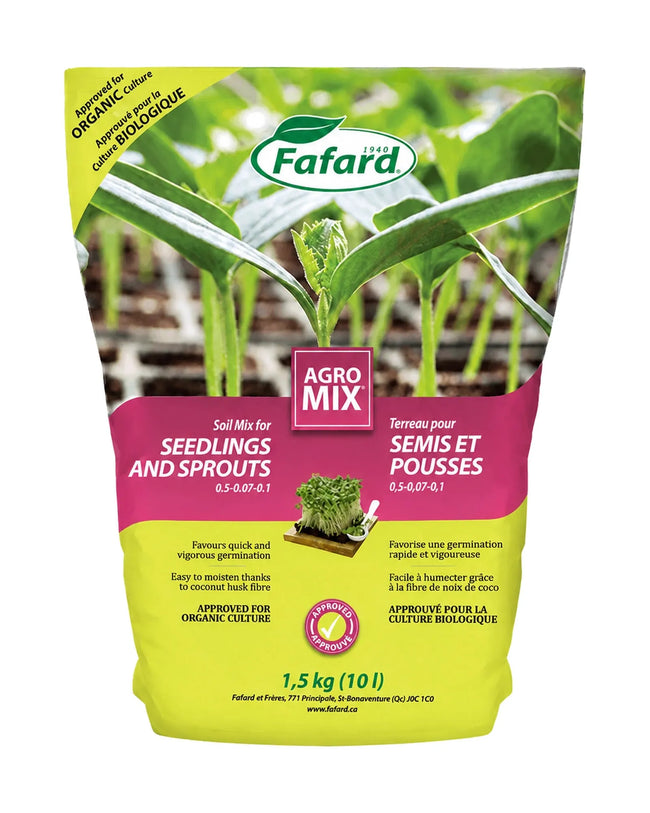
Seed Starting Soil
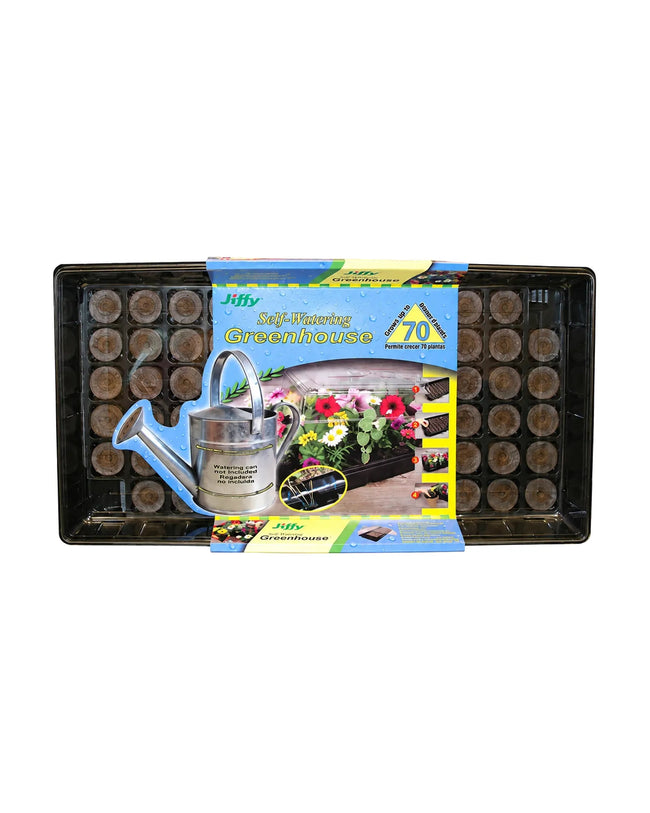
Shop the collectionSeed starting supplies
Shop the collection