Sale
Sold out

Seeds
Brassicaceae
Broccoli 'Green Sprouting' Seeds — Organic
Brassica oleracea
Product code : LIKE-0007
This broccoli forms a central head followed by numerous pale blue-green side heads. That characteristic allows several pickings from one plant while the crop remains healthy. Harvest while buds are still closed and preserve the secondary shoots when cutting the first head. Broccoli can be steamed, roasted or used in stir-fries. The central head and side shoots provide portions of different sizes. Pick while the buds remain closed to preserve the texture you want. Rinse the harvested parts and inspect them before cooking. Brief cooking retains more firmness, while longer cooking suits a purée or soup. Extra harvest can be blanched and frozen. Choose the preparation according to the size and tenderness of the heads you have picked. These Aimers organic seeds let you start the crop from an identified seed packet.
- Quantity
- Approximately 200 seeds per packet
- Exposure
- Full sun
- Life cycle
- Grown as an annual vegetable
Discover the plant
Common nameBroccoli
FamilyBrassicaceae
GenusBrassica
Speciesoleracea
CultivarGreen Sprouting
TypeSeeds
Botanical nameBrassica oleracea
Broccoli 'Green Sprouting' Seeds — Organic This plant belongs to Brassica oleracea. This broccoli forms a central head followed by numerous pale blue-green side heads. That characteristic allows several pickings from one plant while the crop remains healthy. Harvest while buds are still closed and preserve the secondary shoots when cutting the first head. Side-shoot production keeps the plant useful after the main harvest. These Aimers organic seeds let you start the crop from an identified seed packet. Keep the seed packet and plant label so you can refer to this variety’s growing directions throughout the season.
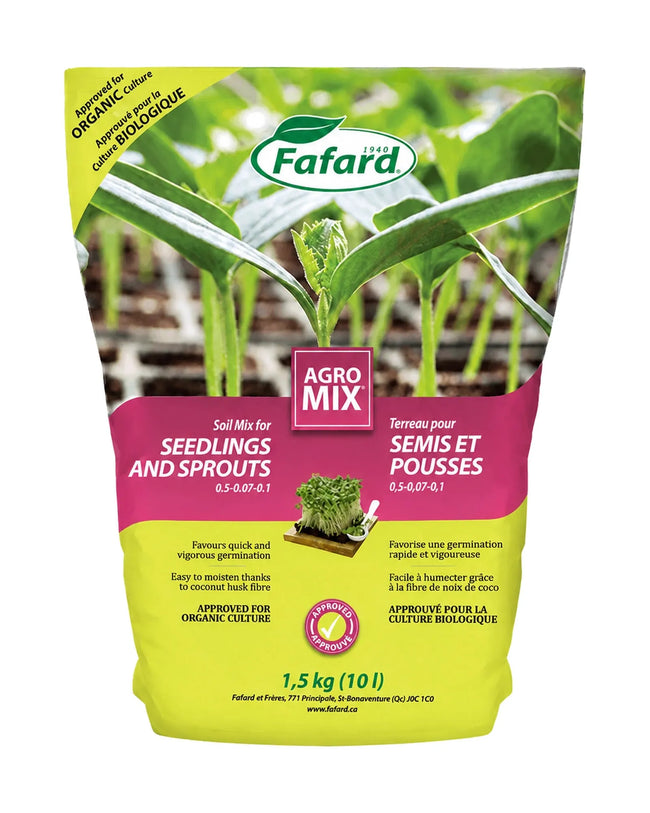
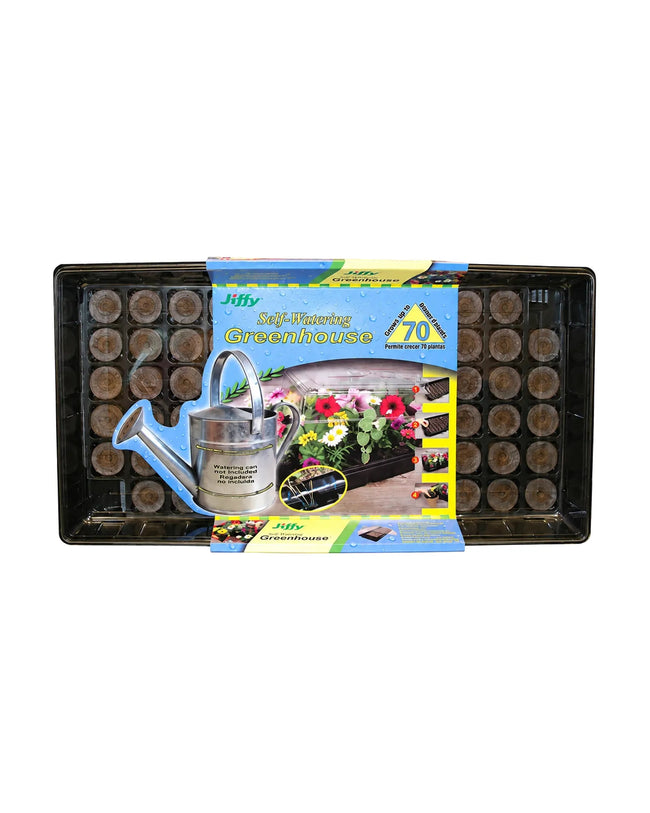
Broccoli develops its best harvest in cool weather. Start seeds indoors in a seed-starting mix for an early crop, then provide light as soon as seedlings emerge. Gradually harden off the plants before moving them outdoors. Direct sowing is also possible when conditions are suitable. Plant broccoli in full sun in deep, enriched, well-drained soil. For transplants, the supplier recommends about 45 cm between plants and 90 cm between rows. Allow leaves to develop without forming an overly crowded canopy. Adapt the start to your Quebec region and the weather, keeping plants within reach for regular care.
Harvest the main head while buds are still tight and closed, before they open into flowers. Cut below the head with a clean tool and preserve the side shoots. This variety then produces secondary heads that need regular checking. Harvest them at the same closed-bud stage. Broccoli can be steamed, roasted or used in stir-fries. The central head and side shoots provide portions of different sizes. Pick while the buds remain closed to preserve the texture you want. Rinse the harvested parts and inspect them before cooking. Extra harvest can be blanched and frozen using a suitable method. Choose preparation according to the heads’ size and tenderness.

Sowing guide
It all startswith a seed.
Spacing / density
Approximately 45 cm between plants; rows spaced 90 cm apart
Germination time
7 to 10 days
Sowing period
Start indoors for a cool-weather harvest
Propagation
Sowing seed
Growing method
To grow Green Sprouting, plan the start and the space for mature plants before sowing. Broccoli develops its best harvest in cool weather. Start seeds indoors in a seed-starting mix for an early crop, then provide light as soon as seedlings emerge. Gradually harden off the plants before moving them outdoors. Direct sowing is also possible when conditions are suitable. In Quebec, plan the start according to local weather and your intended harvest period rather than using one date for every region. Follow the plants’ development as well as the calendar. Plant broccoli in full sun in deep, enriched, well-drained soil. For transplants, the supplier recommends about 45 cm between plants and 90 cm between rows. Allow leaves to develop without forming an overly crowded canopy. Keep a path for checking the buds and cutting the central head. If a plant becomes top-heavy, a discreet stake can help keep it upright without constricting the stem. Leave enough access for the later harvest of side shoots. Prepare loose, well-drained soil enriched with mature compost. Avoid working waterlogged ground because it compacts easily. Remove weeds before sowing and keep the growing area accessible without walking on it. A soil test helps you decide which amendments are useful; do not add lime or fertilizer simply because a general recipe suggests it.
Soil and care
The right care,at the right time.
Care level
Moderate
Watering
Maintain regular moisture while plants establish roots and form heads. Water at soil level and adjust amounts to the ground and weather. A shortage of water during a dry period can affect harvest quality. Keep rows weeded to reduce competition around young plants. Mulch can help retain moisture, but it does not replace checking below the surface after several rainless days. Avoid saturating the soil, and make sure container-grown plants can drain freely after each watering.
Soil type
Prepare loose, well-drained soil enriched with mature compost. Avoid working waterlogged ground because it compacts easily. Remove weeds before sowing and keep the growing area accessible without walking on it. A soil test helps you decide which amendments are useful; do not add lime or fertilizer simply because a general recipe suggests it. Soil structure and drainage deserve as much attention as fertility. In containers, use an appropriate growing mix rather than compacted garden soil.
Fertilization
Adjust fertilization to the soil’s condition and the crop’s development. Mature compost contributes to garden preparation, but an additional application should not be automatic. Use a fertilizer intended for vegetables and follow its label. In containers, follow the growing mix’s recommendations and monitor plant growth. Increasing the dose does not correct cold conditions, insufficient light or excessive water. Check those growing conditions before deciding that a slow-growing plant needs more nutrients.
Seasonal care
Care for Green Sprouting begins with establishment and continues through the last harvest. Maintain regular moisture while plants establish roots and form heads. Water at soil level and adjust amounts to the ground and weather. A shortage of water during a dry period can affect harvest quality. Keep rows weeded to reduce competition around young plants. Mulch can help retain moisture, but it does not replace checking below the surface after several rainless days. Avoid saturating the soil, and make sure container-grown plants can drain freely after each watering. Inspect plants regularly, including the undersides of leaves and the area near the crown. Identify symptoms and insects before intervening; their presence alone does not justify treatment. Keep tools clean and remove heavily damaged parts when appropriate for the crop. Avoid actions that injure roots or break stems. Good air circulation, careful watering and an accessible row make monitoring easier throughout the season. Use your observations to decide what action is needed rather than treating every mark in the same way. Harvest the main head while buds are still tight and closed, before they open into flowers. Cut below the head with a clean tool and preserve the side shoots. This variety then produces secondary heads that need regular checking. Harvest them at the same closed-bud stage. Leaving the plant in place after the first cut lets you make use of this characteristic while the plant remains healthy and growing conditions are favourable. At the end of the season, monitor cold nights and finish harvesting according to the plants’ condition. Remove diseased residues and clean tools.
Container growing
A garden,within reach.
Plan container growing for Green Sprouting according to the plant’s development and the space available. Broccoli can be grown in a large, stable container, but its leaves and roots need adequate space. Choose a well-drained container and avoid crowding several plants against its sides. Use a growing mix intended for container vegetables, then monitor watering throughout growth. Place the container in full sun with good air circulation. Leave enough space around the plant to harvest side heads later without damaging the leaves. Keep access clear as the foliage expands. Maintain regular moisture while plants establish roots and form heads. Water at soil level and adjust amounts to the ground and weather. A shortage of water during a dry period can affect harvest quality. Keep rows weeded to reduce competition around young plants. Mulch can help retain moisture, but it does not replace checking below the surface after several rainless days. Avoid saturating the soil, and make sure container-grown plants can drain freely after each watering. Adjust fertilization to the soil’s condition and the crop’s development. Mature compost contributes to garden preparation, but an additional application should not be automatic. Use a fertilizer intended for vegetables and follow its label. In containers, follow the growing mix’s recommendations and monitor plant growth.

Bloom and dimensions
Its place,in your garden.
Growth habit
Upright
Days to maturity
Approximately 75 days depending on the conditions
Harvest
Depends on sowing, weather and the harvest stage

Garden associations
In goodcompany.
Companion plants
Plan neighbouring crops around their actual needs: light, water, space and harvesting access. Position tall crops where they will cast the least shade on nearby vegetables. Leave paths and avoid combining demanding plants in a small volume of soil. Nearby flowers can add diversity, but their presence does not guarantee protection from pests or a better harvest. Observe the plants, use a reasonable crop rotation and adjust combinations to their growth rather than relying on a list of supposed friends and enemies. Consider the full size of each crop when laying out a bed.
Recipe idea
From the gardento your plate.
Edible parts
Main head and side shoots with closed buds
Prepare the Green Sprouting harvest according to its tenderness and your intended use. For a broccoli stir-fry, divide the head into similarly sized florets and cut tender stems into pieces. Cook them in a pan with a little oil, adding a small amount of water if needed. Season to suit the meal and stop cooking at the texture you prefer. Side heads can be prepared the same way and often need less cutting. For soup, cook broccoli with an onion and broth, then blend. Refrigerate leftovers promptly. To freeze extra harvest, follow a blanching method suitable for vegetables before dividing it into portions. Prepare the stems and florets to sizes that will cook evenly. Side shoots provide small portions that can complete a meal without waiting for another large central head. Cut pieces to a consistent size for more even cooking. Keep tender stems according to their texture and remove tough parts. For a large harvest, decide promptly whether to use it fresh or freeze it rather than leaving heads for several days in a warm kitchen.
Frequently asked questions
Your questions,answered.
When should I sow Green Sprouting seeds in Quebec?
Broccoli develops its best harvest in cool weather. Start seeds indoors in a seed-starting mix for an early crop, then provide light as soon as seedlings emerge. Gradually harden off the plants before moving them outdoors. Direct sowing is also possible when conditions are suitable. In Quebec, plan the start according to local weather and your intended harvest period rather than using one date for every region. Follow the plants’ development as well as the calendar. In Quebec and across Canada, seasonal conditions vary among regions, urban gardens, exposed sites and sheltered locations. Check the forecast and the actual soil condition before planting. The same variety may develop at different rates in different gardens.
Can I grow Green Sprouting in a container?
Broccoli can be grown in a large, stable container, but its leaves and roots need adequate space. Choose a well-drained container and avoid crowding several plants against its sides. Use a growing mix intended for container vegetables, then monitor watering throughout growth. Place the container in full sun with good air circulation. Leave enough space around the plant to harvest side heads later without damaging the leaves. Keep access clear as the foliage expands. Maintain regular moisture while plants establish roots and form heads. Water at soil level and adjust amounts to the ground and weather. A shortage of water during a dry period can affect harvest quality. Keep rows weeded to reduce competition around young plants.
How should I water Green Sprouting in the garden?
Maintain regular moisture while plants establish roots and form heads. Water at soil level and adjust amounts to the ground and weather. A shortage of water during a dry period can affect harvest quality. Keep rows weeded to reduce competition around young plants. Mulch can help retain moisture, but it does not replace checking below the surface after several rainless days. Avoid saturating the soil, and make sure container-grown plants can drain freely after each watering. Prepare loose, well-drained soil enriched with mature compost. Avoid working waterlogged ground because it compacts easily. Remove weeds before sowing and keep the growing area accessible without walking on it.
When should I harvest Green Sprouting?
Harvest the main head while buds are still tight and closed, before they open into flowers. Cut below the head with a clean tool and preserve the side shoots. This variety then produces secondary heads that need regular checking. Harvest them at the same closed-bud stage. Leaving the plant in place after the first cut lets you make use of this characteristic while the plant remains healthy and growing conditions are favourable. Broccoli can be steamed, roasted or used in stir-fries. The central head and side shoots provide portions of different sizes. Pick while the buds remain closed to preserve the texture you want. Rinse the harvested parts and inspect them before cooking.
How can I use the Green Sprouting harvest in cooking?
Broccoli can be steamed, roasted or used in stir-fries. The central head and side shoots provide portions of different sizes. Pick while the buds remain closed to preserve the texture you want. Rinse the harvested parts and inspect them before cooking. Brief cooking retains more firmness, while longer cooking suits a purée or soup. Extra harvest can be blanched and frozen. Choose the preparation according to the size and tenderness of the heads you have picked. For a broccoli stir-fry, divide the head into similarly sized florets and cut tender stems into pieces. Cook them in a pan with a little oil, adding a small amount of water if needed. Season to suit the meal and stop cooking at the texture you prefer. Side heads can be prepared the same way and often need less cutting.
For a great start to your seeds
The right extras.Right here.
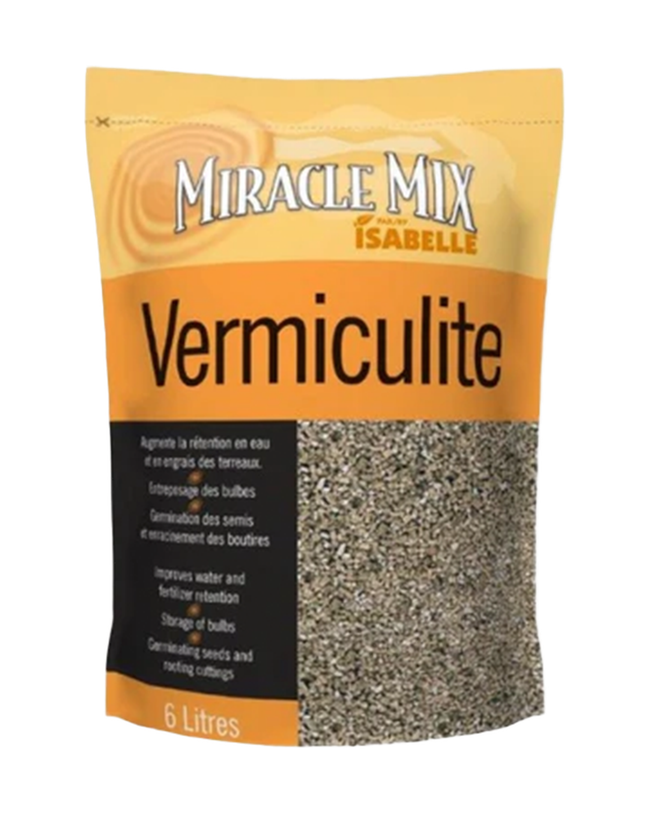
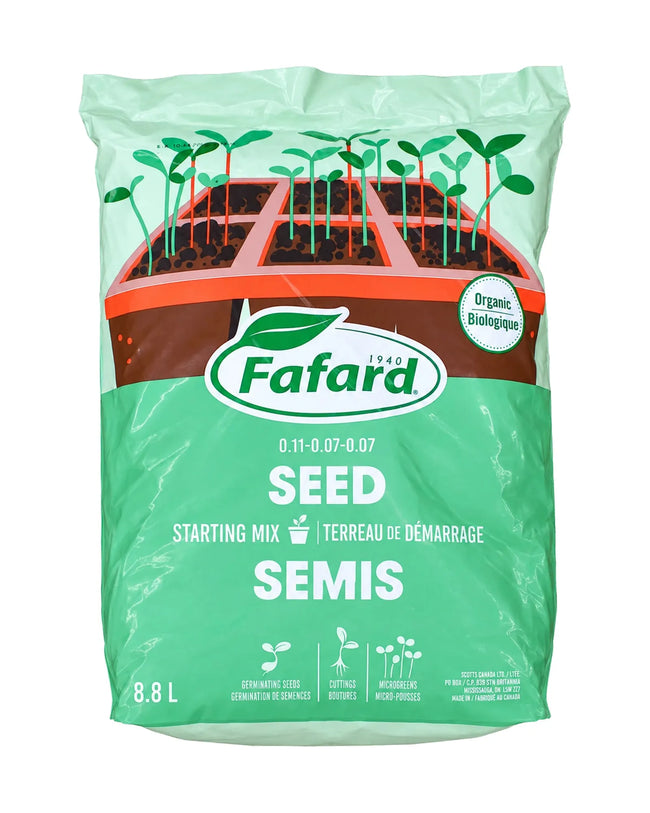
Seed Starting Soil
Shop the collectionSeed starting supplies
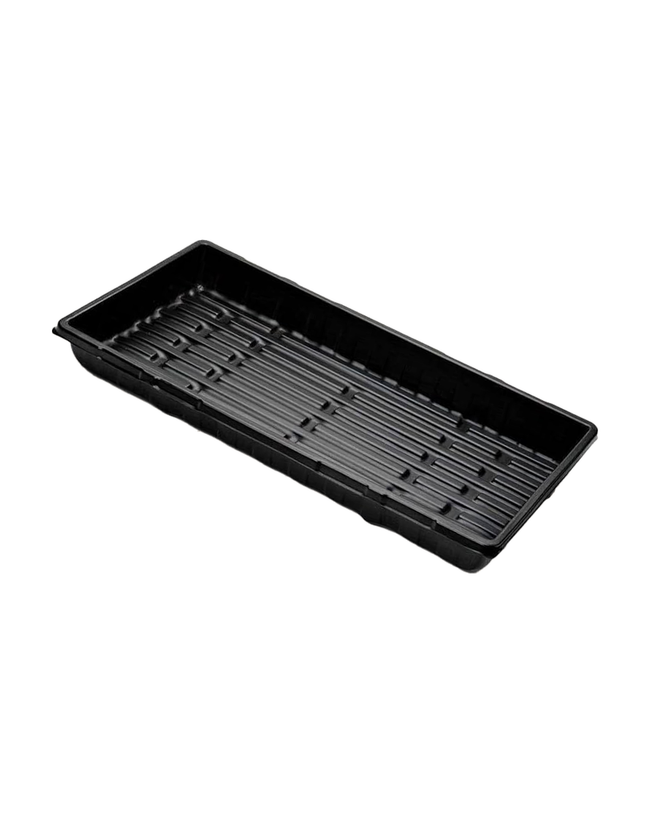
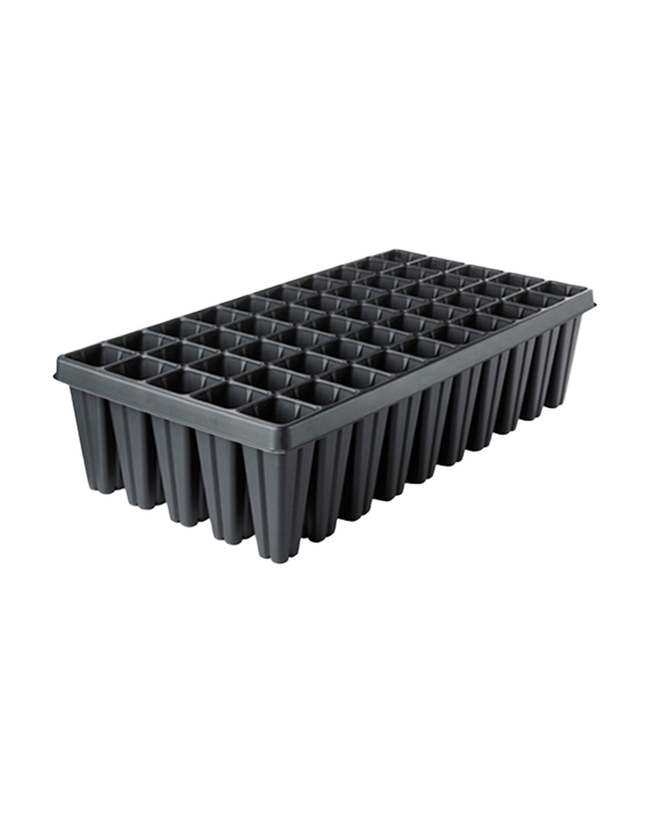
Shop the collection