Sale
Sold out

Vegetable seeds
Asteraceae
Lettuce 'Black Seeded Simpson' Seeds — Organic
Lactuca sativa
Product code : AIMER-0029
Organic Black Seeded Simpson lettuce produces a rosette of large, light-green, wavy, tender leaves. Its mild flavour suits seasonal salads and sandwiches. This loose-leaf type provides greens rather than a tightly formed head. Sow in spring in fertile, loose, well-drained soil and maintain consistent moisture. Successive sowings can renew the harvests during cool weather. For regrowth after cutting, leave the base recommended by the supplier. Watch the growing centre and pick before bolting to preserve the preferred texture and flavour. Black Seeded Simpson is a loose-leaf lettuce, so the large green leaves do not need to form a tightly closed head before use.
- Quantity
- Approximately 1,000 seeds
- Exposure
- Full sun
Discover the plant
Common nameLettuce
FamilyAsteraceae
GenusLactuca
Speciessativa
CultivarBlack Seeded Simpson
TypeVegetable seeds
Botanical nameLactuca sativa
Lettuce 'Black Seeded Simpson' Seeds — Organic (Lactuca sativa) Organic 'Black Seeded Simpson' lettuce produces large, bright-green, wavy, slightly crinkled leaves in a rosette. These lettuce seeds are part of the Aimers organic seed range. Their tender, juicy texture and mild flavour suit fresh salads. Harvest this heirloom as young leaves or at a more developed stage. Its loose habit makes leaf picking easy and offers an alternative to harvesting a tightly formed head. Large light-green leaves add volume to salads and contrast with red lettuces. Watch regrowth after an appropriate leaf cut and plan further sowings while the weather remains cool enough for tender foliage.
Sow as soon as the soil can be worked, about 3 mm deep in rows 45 cm apart or in blocks. Maintain even moisture and repeat sowings every two weeks while the weather stays cool. Protect the plant’s base when harvesting leaves if you want regrowth. The supplier recommends cutting above the base rather than too low on the plant. Then maintain consistent moisture and check the growing centre. Loose-leaf lettuce still needs space and light: avoid overcrowding and notice when plants begin to bolt. Loose, well-drained soil rich in organic matter suits this lettuce.
Use the large, tender leaves in seasonal salads or sandwiches. Combine with radishes and red lettuce for varied colours without an overly heavy dressing. Harvest the leaves or the whole plant. To encourage regrowth after cutting, the supplier recommends leaving at least 2.5 cm above the base. Harvest before bolting. Lettuce is mainly eaten fresh, after careful washing and gentle drying. Pick what you need for the meal to enjoy the leaves’ texture. Use fresh harvests promptly and refrigerate cut portions that will not be served immediately. Prepare the amount needed for the meal and refrigerate any cut vegetables.

Sowing guide
It all startswith a seed.
Sowing period
Spring, once the soil can be worked; adjust sowing to local weather
Propagation
Direct sowing
Growing method
Sow as soon as the soil can be worked, about 3 mm deep in rows 45 cm apart or in blocks. Maintain even moisture and repeat sowings every two weeks while the weather stays cool. Protect the plant’s base when harvesting leaves if you want regrowth. The supplier recommends cutting above the base rather than too low on the plant. Then maintain consistent moisture and check the growing centre. Loose-leaf lettuce still needs space and light: avoid overcrowding and notice when plants begin to bolt. Prepare the bed before sowing to provide good conditions for germination and emergence. After heavy rain, check drainage rather than automatically adding more water. During dry weather, check moisture near the roots. A plant label records the variety name and helps distinguish successive sowings. Record the stages of growth to adapt future crops to local conditions, without treating an estimated maturity period as a harvest guarantee. In Quebec and elsewhere in Canada, sow lettuce chiefly when the soil can be worked and the weather remains cool. Harvest above the base if you want to observe regrowth, then maintain moisture and check the growing centre. A loose-leaf habit still requires light and space, so avoid crowding that makes it difficult to see plants beginning to bolt.
Soil and care
The right care,at the right time.
Watering
Maintain consistent moisture during germination and growth. Water gently to avoid moving the small seeds, then adjust watering to rainfall and heat. Check below the surface: soil that looks dry on top may still be moist underneath. Prolonged drought reduces leaf quality. Check containers more frequently because sun and wind quickly dry the potting mix. Keep drainage open as well as checking moisture; more water does not help roots sitting in saturated potting mix.
Soil type
Loose, well-drained soil rich in organic matter suits this lettuce. Before sowing, prepare a fine surface to provide good contact between small seeds and soil. Avoid areas where water stands after rain. An open soil structure makes moisture checks and care easier in beds and containers alike. Work soil after excess moisture has drained rather than compacting it by starting too early in spring.
Fertilization
Preparing the soil with organic matter helps support lettuce growth. Adjust fertilizer to the soil’s actual fertility instead of routinely applying large amounts. If using fertilizer, choose a product suitable for vegetables and follow the manufacturer’s instructions. Regular watering and good drainage remain essential: extra fertilizer does not correct drought or overcrowding. Check watering and spacing before increasing fertilizer, since overcrowding or dry soil can also slow growth and affect the harvest.
Seasonal care
Sow as soon as the soil can be worked, about 3 mm deep in rows 45 cm apart or in blocks. Maintain even moisture and repeat sowings every two weeks while the weather stays cool. At the start of the season, prepare the soil and remove weeds that compete with young plants. As the plants grow, check moisture regularly and inspect the foliage so that problems are noticed promptly. If leaves are damaged, examine the plant and identify the cause before taking action. Avoid applying treatments simply out of habit. Handle plants gently and use clean tools when harvesting to reduce damage. After harvest, remove spent crop debris and record useful observations about the weather, harvest quality and care provided. These notes help you plan the next season around the conditions in your own garden. Maintain consistent moisture during germination and growth. Water gently to avoid moving the small seeds, then adjust watering to rainfall and heat. Check below the surface: soil that looks dry on top may still be moist underneath. Prolonged drought reduces leaf quality. Check containers more frequently because sun and wind quickly dry the potting mix. Check the centre as well as the outer leaves, particularly when temperatures rise. Even varieties with relative bolting resistance eventually need harvesting. Pick according to head or leaf development, and renew sowings when cool weather returns rather than expecting every plant to remain tender indefinitely.
Container growing
A garden,within reach.
Large light-green leaves add volume to salads and contrast with red lettuces. The loose-leaf habit lets you adapt picking to plant development. Container growing brings lettuce closer to the kitchen and makes its development easy to monitor. Choose a pot or planter with drainage holes and a potting mix suitable for vegetables. Give plants enough room for their leaves to develop without overcrowding. Sun and wind can dry containers quickly; check moisture before watering and make sure excess water drains away. Direct sowing is straightforward if the surface stays moist at first. Then thin seedlings according to the type of lettuce being grown. In hot weather, check the leaves and growing centre: upward elongation can signal bolting. Successive sowings in several containers replace harvested plants without relying on a single batch. The variety’s size influences the arrangement, but even small lettuce needs room and consistent watering. Success depends on available root space, light and consistent care. Allow space for the particular lettuce habit, whether a head or loose rosette, instead of crowding every young plant into the same pot. Check the growing centre during hot weather, harvest before bolting and plan another sowing when local conditions become suitable again.

Bloom and dimensions
Its place,in your garden.
Days to maturity
Approximately 45 days; an estimate
Harvest
Harvest the leaves or the whole plant. To encourage regrowth after cutting, the supplier recommends leaving at least 2.5 cm above the base. Harvest before bolting.
Recipe idea
From the gardento your plate.
Edible parts
Leaves
Use the large, tender leaves in seasonal salads or sandwiches. Combine with radishes and red lettuce for varied colours without an overly heavy dressing. Wash the harvested vegetables thoroughly before preparing them, and use clean utensils. Start with a simple recipe so you can appreciate this variety’s texture and flavour. Herbs, onion or a light dressing can complement the vegetable without masking its flavour. Adjust cutting and cooking to the size you have harvested rather than following one rule for every vegetable. For a complete meal, combine the harvest with ingredients you already enjoy: grains, legumes, other vegetables or a source of protein. Prepare the amount needed for the meal and refrigerate any cut vegetables. For longer-term food preservation, use a tested recipe and follow its exact proportions and processing instructions. Use the large leaves as the main green in a salad and add a red lettuce for contrast. A smaller picking can garnish sandwiches without harvesting the entire bed for one meal.
Frequently asked questions
Your questions,answered.
When should I sow Black Seeded Simpson lettuce in Quebec?
Sow as soon as the soil can be worked, about 3 mm deep in rows 45 cm apart or in blocks. Maintain even moisture and repeat sowings every two weeks while the weather stays cool. In Quebec and elsewhere in Canada, sow lettuce chiefly when the soil can be worked and the weather remains cool. Loose, well-drained soil enriched with organic matter supports steady root growth. Small seeds need gentle watering to stay in place and avoid drying during germination. Thin seedlings before they compete strongly with one another. Harvest above the base if you want to observe regrowth, then maintain moisture and check the growing centre.
What makes Black Seeded Simpson lettuce distinctive?
Organic 'Black Seeded Simpson' lettuce produces large, bright-green, wavy, slightly crinkled leaves in a rosette. Their tender, juicy texture and mild flavour suit fresh salads. Harvest this heirloom as young leaves or at a more developed stage. Its loose habit makes leaf picking easy and offers an alternative to harvesting a tightly formed head. Large light-green leaves add volume to salads and contrast with red lettuces. The loose-leaf habit lets you adapt picking to plant development. These organic seeds allow you to grow the characteristics described for this product in your own garden. Black Seeded Simpson is a loose-leaf lettuce, so the large green leaves do not need to form a tightly closed head before use.
Can I grow Black Seeded Simpson lettuce in a container?
Large light-green leaves add volume to salads and contrast with red lettuces. The loose-leaf habit lets you adapt picking to plant development. Container growing brings lettuce closer to the kitchen and makes its development easy to monitor. Choose a pot or planter with drainage holes and a potting mix suitable for vegetables. Give plants enough room for their leaves to develop without overcrowding. Sun and wind can dry containers quickly; check moisture before watering and make sure excess water drains away. Allow space for the particular lettuce habit, whether a head or loose rosette, instead of crowding every young plant into the same pot.
How should I harvest and prepare Black Seeded Simpson lettuce?
Harvest the leaves or the whole plant. To encourage regrowth after cutting, the supplier recommends leaving at least 2.5 cm above the base. Harvest before bolting. Use the large, tender leaves in seasonal salads or sandwiches. Combine with radishes and red lettuce for varied colours without an overly heavy dressing. Lettuce is mainly eaten fresh, after careful washing and gentle drying. Pick what you need for the meal to enjoy the leaves’ texture. Add dressing just before serving to help the leaves keep their texture. Use the large leaves as the main green in a salad and add a red lettuce for contrast.
How should I water Black Seeded Simpson lettuce?
Maintain consistent moisture during germination and growth. Water gently to avoid moving the small seeds, then adjust watering to rainfall and heat. Check below the surface: soil that looks dry on top may still be moist underneath. Prolonged drought reduces leaf quality. Check containers more frequently because sun and wind quickly dry the potting mix. Preparing the soil with organic matter helps support lettuce growth. Adjust fertilizer to the soil’s actual fertility instead of routinely applying large amounts. Regular moisture supports leaf quality, while space and drainage allow the plants to grow without crowding or waterlogged roots. Keep drainage open as well as checking moisture; more water does not help roots sitting in saturated potting mix.
For a great start to your seeds
The right extras.Right here.
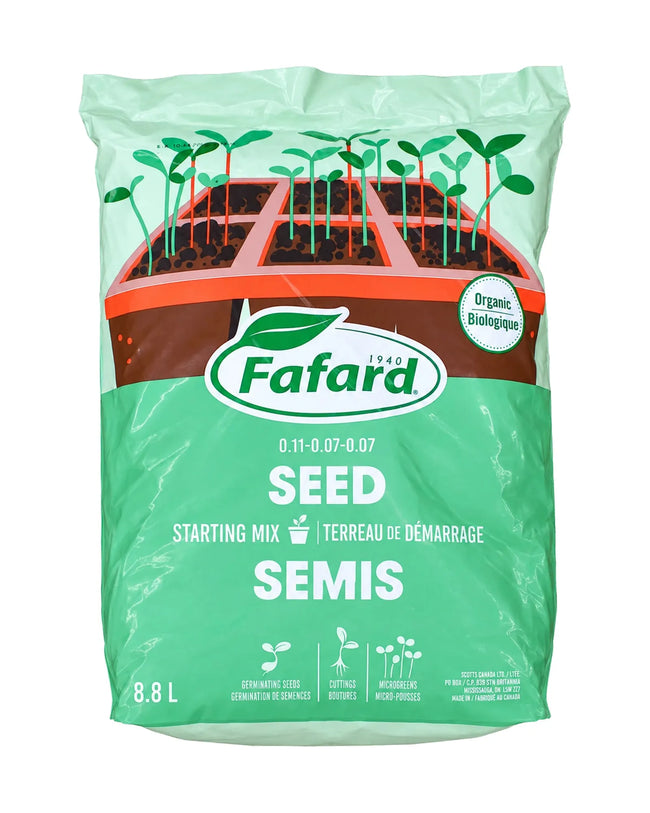
Seed Starting Soil
Shop the collectionSeed starting supplies
Shop the collection