Sale
Sold out

Seeds
Poaceae
Sweet Corn 'Supersweet 2171' Seeds — Organic
Zea mays
Product code : LOVE-0034
Supersweet 2171 is the organic Aimers corn identified in OSC and PNW catalogues; keep its exact name. Sweet corn, commonly called blé d’Inde in Quebec, grows in sunny, fertile soil warmed after frost risk has passed. Allow several short rows in a block to bring the plants closer together during wind pollination. Keep moisture steady, especially when flowers and ears develop. The length of your local season matters when choosing a sowing time. Harvest according to the kernels, without borrowing maturity times or dimensions from another Aimers corn such as Extra Tender Natural Sweet XR. Keep the cultivar label throughout the season.
- Exposure
- Full sun
Discover the plant
Common nameSweet corn
FamilyPoaceae
GenusZea
Speciesmays
CultivarSupersweet 2171
TypeSeeds
Botanical nameZea mays
Sweet Corn 'Supersweet 2171' Seeds — Organic Zea mays. Supersweet 2171 retains the identity of the sweet corn variety in this Aimers packet. Sweet corn, commonly called blé d’Inde in Quebec, has a culinary use distinct from ornamental or dry-grain corn. This crop occupies a visible place in the vegetable garden with its erect habit and its developed foliage. The choice of variety must take into account the heat and duration of the local season. Planting in a block supports wind pollination and organizes the harvest. Prepare ears according to their maturity to appreciate their sweetness.
Label the row Supersweet 2171 to distinguish this corn from nearby varieties. Sweet corn needs a sunny location and thoroughly warmed soil once the risk of frost has passed. Sow directly in a fertile and well drained soil, organizing several short rows in blocks. This arrangement brings plants closer together and facilitates wind pollination. A long isolated row does not offer the same conditions. Time sowing for temperatures in your Quebec garden, as a short season leaves less margin for a late start. Identify the variety precisely. Consider nearby corn varieties when growing supersweet corn; follow isolation recommendations for the exact corn type you grow in your garden.
Judge Supersweet 2171 by its own ears; another Aimers corn’s timetable does not establish its exact maturity. Watch the silks and developing kernels as ears approach harvest. Brown silks are a clue, but also check kernels for the appearance and texture expected of harvest-ready sweet corn. The ears in the same planting are not necessarily ready on the same day. Harvest at the right time for sweetness and tenderness, then use the ears promptly for your chosen preparation. In Quebec, maturity depends on the heat received during the season. The ears need not be ready together.

Sowing guide
It all startswith a seed.
Sowing period
In spring, according to soil warming and local weather.
Propagation
Direct sowing
Growing method
Label the row Supersweet 2171 to distinguish this corn from nearby varieties. Sweet corn needs a sunny location and thoroughly warmed soil once the risk of frost has passed. Sow directly in a fertile and well drained soil, organizing several short rows in blocks. This arrangement brings plants closer together and facilitates wind pollination. A long isolated row does not offer the same conditions. Time sowing for temperatures in your Quebec garden, as a short season leaves less margin for a late start. Identify the variety precisely. Consider nearby corn varieties when growing supersweet corn; follow isolation recommendations for the exact corn type you grow in your garden. Care for Supersweet 2171 as a sunny, regularly watered sweet corn crop. Maintain consistent moisture throughout growth, especially during flowering and ear development. The soil should drain excess water while retaining enough moisture for vigorous plants. Weed early to limit competition, then work cautiously near the roots. Strong wind exposure can make it harder for plants to remain upright. Base fertilizer on soil fertility; an improvised application does not replace good preparation. Watch the tassels and silks develop. Steady care and good organization support ear formation without guaranteeing complete filling.
Soil and care
The right care,at the right time.
Watering
Check moisture in the soil or potting mix before watering again. During germination, water with a gentle spray to keep the surface moist without displacing seeds. After emergence, adjust watering to root development, heat and wind. Excess water must be able to drain away. Rain may not wet a sheltered container as thoroughly as a garden bed; check the growing area rather than watering on a fixed schedule.
Soil type
Sweet corn prefers fertile, well-drained soil warmed sufficiently for sowing after frost risk has passed. A good moisture reserve then supports large plants, especially during flowering. Prepare a sunny location where several short rows can form a block. Keep clear maintenance paths without compacting the growing area. The requirements of the cultivar Supersweet 2171 should not be quantified from another variety.
Fertilization
Sweet corn needs good fertility to support large plants; plan applications for the soil and observed growth. Base fertilization on soil fertility, plant vigour and how heavily you harvest. Organic matter can provide a useful foundation, but keep additional applications measured. For containers, follow the directions on the fertilizer selected for vegetables or herbs. Adding fertilizer will not automatically correct slow growth caused by cold, insufficient light or saturated soil.
Seasonal care
Care for Supersweet 2171 as a sunny, regularly watered sweet corn crop. Maintain consistent moisture throughout growth, especially during flowering and ear development. The soil should drain excess water while retaining enough moisture for vigorous plants. Weed early to limit competition, then work cautiously near the roots. Strong wind exposure can make it harder for plants to remain upright. Base fertilizer on soil fertility; an improvised application does not replace good preparation. Watch the tassels and silks develop. Steady care and good organization support ear formation without guaranteeing complete filling. Judge Supersweet 2171 by its own ears; another Aimers corn’s timetable does not establish its exact maturity. Watch the silks and developing kernels as ears approach harvest. Brown silks are a clue, but also check kernels for the appearance and texture expected of harvest-ready sweet corn. The ears in the same planting are not necessarily ready on the same day. Harvest at the right time for sweetness and tenderness, then use the ears promptly for your chosen preparation. In Quebec, maturity depends on the heat received during the season. Avoid relying solely on a number of days copied from another variety or different climate. During flowering, observe both tassels and silks and keep watering consistent. Stress at this stage can affect ear filling even when the plants appear tall and vigorous.
Container growing
A garden,within reach.
A large Supersweet 2171 container mainly needs stability and a layout accommodating several plants. Container corn needs considerable space, preferably a large container where several plants form a small block. A solitary plant in a narrow pot is not a good basis for hoping for well-filled ears. Use a stable, deep container with drainage holes and enough potting mix. Place it in sun where watering remains easy. Water requirements increase with the volume of foliage. For a small balcony, first assess the space and layout; a garden bed is often simpler for this crop. Care for Supersweet 2171 as a sunny, regularly watered sweet corn crop. Maintain consistent moisture throughout growth, especially during flowering and ear development. The soil should drain excess water while retaining enough moisture for vigorous plants. Weed early to limit competition, then work cautiously near the roots. Strong wind exposure can make it harder for plants to remain upright. Base fertilizer on soil fertility; an improvised application does not replace good preparation. Watch the tassels and silks develop. Steady care and good organization support ear formation without guaranteeing complete filling. Check the arrangement before committing to a container crop.

Recipe idea
From the gardento your plate.
The ears of Supersweet 2171 can accompany a seasonal meal prepared with vegetables from the vegetable garden. Serve cooked sweet corn ears with simple seasoning to appreciate kernel sweetness and texture. Prepare servings adapted to the number of guests, then adjust the butter, oil or herbs according to your taste. You can also cut kernels from cooked ears and add them to a mixed salad. Pieces of crunchy vegetables and a light vinaigrette give a contrast without covering all the flavour of corn. Add kernels to a prepared soup or vegetable stir-fry in a way that preserves the desired texture. Harvest stage affects the result: very young kernels and more developed ones feel different in the mouth. For Supersweet 2171, therefore, look at the ears actually harvested rather than trusting the properties of another cultivar. Garden-grown sweet corn therefore fits several seasonal meals. Kernel texture depends on harvest maturity. Use the ears actually grown as your guide rather than expecting the properties of another hybrid.
Frequently asked questions
Your questions,answered.
When and how should I sow sweet corn in Quebec?
Label the row Supersweet 2171 to distinguish this corn from nearby varieties. Sweet corn needs a sunny location and thoroughly warmed soil once the risk of frost has passed. Sow directly in a fertile and well drained soil, organizing several short rows in blocks. This arrangement brings plants closer together and facilitates wind pollination. A long isolated row does not offer the same conditions. Time sowing for temperatures in your Quebec garden, as a short season leaves less margin for a late start. Identify the variety precisely. Consider nearby corn varieties when growing supersweet corn; follow isolation recommendations for the exact corn type you grow in your garden.
Can I grow sweet corn in a container?
A large Supersweet 2171 container mainly needs stability and a layout accommodating several plants. Container corn needs considerable space, preferably a large container where several plants form a small block. A solitary plant in a narrow pot is not a good basis for hoping for well-filled ears. Use a stable, deep container with drainage holes and enough potting mix. Place it in sun where watering remains easy. Water requirements increase with the volume of foliage. For a small balcony, first assess the space and layout; a garden bed is often simpler for this crop. Check the arrangement before committing to a container crop.
How do I harvest sweet corn at the right stage?
Judge Supersweet 2171 by its own ears; another Aimers corn’s timetable does not establish its exact maturity. Watch the silks and developing kernels as ears approach harvest. Brown silks are a clue, but also check kernels for the appearance and texture expected of harvest-ready sweet corn. The ears in the same planting are not necessarily ready on the same day. Harvest at the right time for sweetness and tenderness, then use the ears promptly for your chosen preparation. In Quebec, maturity depends on the heat received during the season. Avoid relying solely on a number of days copied from another variety or different climate.
How can I use sweet corn in cooking?
The ears of Supersweet 2171 can accompany a seasonal meal prepared with vegetables from the vegetable garden. Sweet corn, or blé d’Inde in Quebec, suits cooked ears and dishes made with kernels. A tender harvest allows you to discover its sweetness with a simple seasoning. Kernels complement salads, soups and vegetable stir-fries. Choose ears at the right stage and prepare servings for the meal. The texture changes with maturity and cooking method; the very young grains and those harvested too late do not give the same result. To keep part of the crop, follow a method appropriate to corn rather than improvising from another vegetable.
What should I check if my sweet corn gets off to a poor start?
Supersweet 2171 and Extra Tender Natural Sweet XR are two distinct identities: their data must not be mixed. Poorly filled ears can result from inadequate pollination or stress during flowering. Check the block layout, plant vigour and consistent watering before blaming the seeds. The varieties and types of maize grown nearby must also be taken into account. If emergence is poor, check soil warmth and drainage. Starting in cold soil can compromise the result. Growing corn in Quebec requires season length to match the variety’s development. The characteristics of a different hybrid do not predict those of Supersweet 2171. Look at the layout and flowering conditions together.
For a great start to your seeds
The right extras.Right here.
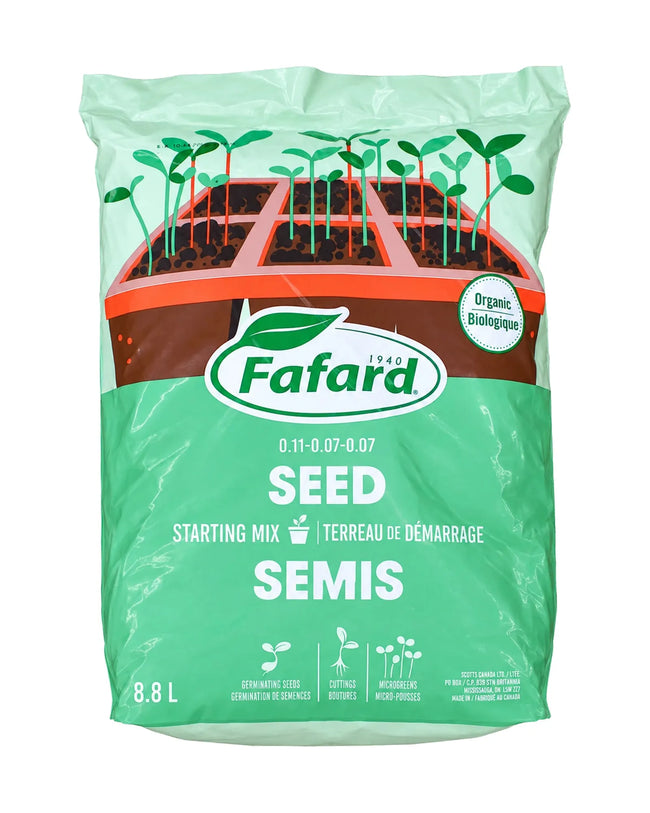
Seed Starting Soil
Shop the collectionSeed starting supplies
Shop the collection