Sale
Sold out

Seeds
Apiaceae
Rainbow Carrot Blend Seeds — Organic
Daucus carota
Product code : LOVE-0035
Organic Aimers Rainbow Carrot Blend offers a harvest in which each root may reveal a different colour. OSC documents five varieties with differing textures and sweet flavours. Sow directly in deeply loosened soil and maintain consistent moisture until emergence. Thin seedlings to give roots room to enlarge. In Quebec, time sowings for soil warming and the length of the local season. Harvest gradually and compare roots instead of waiting for uniform size. Raw vegetable presentations show the varied shades, which can change during cooking. Thin to leave room for the roots to enlarge. Even seed tape can need a spacing adjustment when seedlings appear too close together.
- Quantity
- Approximately 600 seeds
- Exposure
- Full sun
Discover the plant
Common nameCarrot
FamilyApiaceae
GenusDaucus
Speciescarota
TypeSeeds
Botanical nameDaucus carota
Rainbow Carrot Blend Seeds — Organic Daucus carota. This blend of organic rainbow carrots brings together Atomic Red, Bambino, Cosmic Purple, Lunar White and Solar Yellow according to OSC. Roots offer red, purple, white and yellow shades, with textures and sweet flavours that differ among the varieties. The open-pollinated seeds produce a colourful planting rather than a row of one variety. Each harvest lets you compare roots and their interiors without expecting equal sizes or colour proportions. The blend diversifies raw and cooked dishes while requiring normal carrot-growing care.
Rainbow Blend contains five carrots: mark the row without expecting perfectly uniform emergence. Sow carrots directly in their final location in loosened soil without large clods. The root benefits from a depth of soil sufficient to develop. Sow these loose carrot seeds lightly along a prepared row, then cover as directed on the packet. Maintain moisture during germination: the surface must not dry completely or become a hard crust. Identify the row so that weeds can be removed without removing the small shoots. In Quebec, time the start for the condition of the soil. A variety suitable for heavier soils still requires carefully worked soil and satisfactory drainage.
A gradual harvest of rainbow carrots allows comparison of sizes and textures between colours. Harvest a few carrots when the roots have good colour and a size suited to your needs. Colour alone cannot reveal the full root size beneath the soil; a trial harvest helps you judge. Loosen resistant soil gently rather than pulling sharply on the tops. In a blend, varieties may develop at different rates; choose ready roots instead of lifting the whole row together. Gradual harvesting also frees up space. A trial root helps you assess the hidden size.

Sowing guide
It all startswith a seed.
Sowing depth
7 to 15 mm
Germination time
2 to 3 semaines
Sowing period
In spring, according to soil warming and local weather.
Propagation
Direct sowing
Growing method
Rainbow Blend contains five carrots: mark the row without expecting perfectly uniform emergence. Sow carrots directly in their final location in loosened soil without large clods. The root benefits from a depth of soil sufficient to develop. Sow these loose carrot seeds lightly along a prepared row, then cover as directed on the packet. Maintain moisture during germination: the surface must not dry completely or become a hard crust. Identify the row so that weeds can be removed without removing the small shoots. In Quebec, time the start for the condition of the soil. A variety suitable for heavier soils still requires carefully worked soil and satisfactory drainage. The components of the rainbow mixture may have different vigours without constituting a seed defect. The thinning allows the roots to grow without strong competition. The supplier recommends a final 5 cm interval for these carrots. Even a seed tape may require adjustment if the plants are too close. Weed while weeds are small and avoid disturbing the remaining roots. Maintain steady moisture during growth. Excess nitrogen-rich fertilizers should be avoided; abundant foliage does not guarantee a harvest of beautiful roots. Look at the state of the soil and the general vigour before fertilizing. Keep the row accessible for care and harvest without unnecessarily compacting the soil.
Soil and care
The right care,at the right time.
Watering
Check moisture in the soil or potting mix before watering again. During germination, water with a gentle spray to keep the surface moist without displacing seeds. After emergence, adjust watering to root development, heat and wind. Excess water must be able to drain away. Rain may not wet a sheltered container as thoroughly as a garden bed; check the growing area rather than watering on a fixed schedule.
Soil type
Carrots need deeply worked, loose soil without large obstacles that distort roots. Prepare a fine surface for emergence and maintain consistent moisture. A hard crust impedes young shoots. Even varieties suited to heavier soil still need drainage and loosening. In containers, useful depth must support root development; a shallow pot limits the crop. Leave enough unobstructed depth for roots to form.
Fertilization
OSC recommends avoiding nitrogen-rich fertilizers for carrots; abundant leaves do not guarantee good roots. Base fertilization on soil fertility, plant vigour and how heavily you harvest. Organic matter can provide a useful foundation, but keep additional applications measured. For containers, follow the directions on the fertilizer selected for vegetables or herbs. Adding fertilizer will not automatically correct slow growth caused by cold, insufficient light or saturated soil.
Seasonal care
The components of the rainbow mixture may have different vigours without constituting a seed defect. The thinning allows the roots to grow without strong competition. The supplier recommends a final 5 cm interval for these carrots. Even a seed tape may require adjustment if the plants are too close. Weed while weeds are small and avoid disturbing the remaining roots. Maintain steady moisture during growth. Excess nitrogen-rich fertilizers should be avoided; abundant foliage does not guarantee a harvest of beautiful roots. Look at the state of the soil and the general vigour before fertilizing. Keep the row accessible for care and harvest without unnecessarily compacting the soil. A gradual harvest of rainbow carrots allows comparison of sizes and textures between colours. Harvest a few carrots when the roots have good colour and a size suited to your needs. Colour alone cannot reveal the full root size beneath the soil; a trial harvest helps you judge. Loosen resistant soil gently rather than pulling sharply on the tops. In a blend, varieties may develop at different rates; choose ready roots instead of lifting the whole row together. Gradual harvesting also frees up space. Growing conditions affect size and texture even in a variety known for storage qualities. Check the soil surface during the wait for emergence rather than disturbing the seedbed to look for seeds.
Container growing
A garden,within reach.
For container-grown Rainbow Carrot Blend, provide enough depth for its different varieties. Container carrots need useful root depth, effective drainage and loose potting mix. Choose a stable container rather than a small, shallow pot. Sow directly and plan to thin, as crowding limits root development. Cut seed tape to follow the container’s layout without folding it over itself. Wind dries the potting-mix surface quickly; monitor it during the wait for emergence. After germination, water according to the actual moisture of the tray. For well-shaped roots, avoid compacted areas and obstacles within the growing volume. The components of the rainbow mixture may have different vigours without constituting a seed defect. The thinning allows the roots to grow without strong competition. The supplier recommends a final 5 cm interval for these carrots. Even a seed tape may require adjustment if the plants are too close. Weed while weeds are small and avoid disturbing the remaining roots. Maintain steady moisture during growth. Excess nitrogen-rich fertilizers should be avoided; abundant foliage does not guarantee a harvest of beautiful roots. Look at the state of the soil and the general vigour before fertilizing. Keep the row accessible for care and harvest without unnecessarily compacting the soil.

Recipe idea
From the gardento your plate.
Serve Rainbow Carrot Blend raw to appreciate the colours and flavours before cooking. For roasted carrots, cut the roots into regular pieces so that the different sizes of the harvest cook in a comparable way. Mix them with a little oil and the selected spices, then cook them to the desired texture. Red Cored Chantenay provides fleshy roots suited to this presentation. Rainbow carrots give many shades, but their appearance can evolve during cooking. To show the colours before cooking, prepare raw carrot sticks or a thinly sliced salad. A light vinaigrette allows you to compare the flavours without covering them. Grate larger roots for a salad, or simply cut smaller ones for your chosen presentation. Taste several carrots from the blend to compare their differences. The shape of the cut and the degree of cooking influence both texture and colour. Adjust the amounts to the meal and the roots actually available.
Frequently asked questions
Your questions,answered.
When and how should I sow carrots in Quebec?
Rainbow Blend contains five carrots: mark the row without expecting perfectly uniform emergence. Sow carrots directly in their final location in loosened soil without large clods. The root benefits from a depth of soil sufficient to develop. Sow these loose carrot seeds lightly along a prepared row, then cover as directed on the packet. Maintain moisture during germination: the surface must not dry completely or become a hard crust. Identify the row so that weeds can be removed without removing the small shoots. In Quebec, time the start for the condition of the soil. A variety suitable for heavier soils still requires carefully worked soil and satisfactory drainage.
Can I grow carrots in containers?
For container-grown Rainbow Carrot Blend, provide enough depth for its different varieties. Container carrots need useful root depth, effective drainage and loose potting mix. Choose a stable container rather than a small, shallow pot. Sow directly and plan to thin, as crowding limits root development. Cut seed tape to follow the container’s layout without folding it over itself. Wind dries the potting-mix surface quickly; monitor it during the wait for emergence. After germination, water according to the actual moisture of the tray. For well-shaped roots, avoid compacted areas and obstacles within the growing volume. The container should also provide space between individual roots.
How do I harvest carrots at the right stage?
A gradual harvest of rainbow carrots allows comparison of sizes and textures between colours. Harvest a few carrots when the roots have good colour and a size suited to your needs. Colour alone cannot reveal the full root size beneath the soil; a trial harvest helps you judge. Loosen resistant soil gently rather than pulling sharply on the tops. In a blend, varieties may develop at different rates; choose ready roots instead of lifting the whole row together. Gradual harvesting also frees up space. Growing conditions affect size and texture even in a variety known for storage qualities. A trial root helps you assess the hidden size.
How can I use carrots in cooking?
Serve Rainbow Carrot Blend raw to appreciate the colours and flavours before cooking. Use carrots in raw vegetable plates, grated salads, soups and roasted dishes. Simple seasoning also lets you appreciate their texture and sweetness. In a coloured mix, cut the roots to discover their inner appearance before choosing the presentation. The shades do not necessarily remain the same after cooking. For even cooking, group similarly sized pieces even when the original roots differ. A small harvest allows the carrots to be used at the desired stage. If you are considering storage, select roots in good condition and plan conditions suitable for this use.
What should I check if my carrots get off to a poor start?
A small sowing of Rainbow Carrot Blend will not necessarily contain equal colour proportions. Carrot emergence is often slow; monitor moisture before immediately resowing. A surface crust, excessive cover or drying can explain an irregular row. After emergence, misshapen roots can indicate obstacles, compacted soil or excessive competition. The rainbow mixture may have different dimensions depending on its components; this variation alone does not prove a problem. Keep notes on soil preparation and date of planting. These observations help to improve the next series under the particular conditions of your Quebec garden. Check surface crusting before deciding to sow again.
For a great start to your seeds
The right extras.Right here.
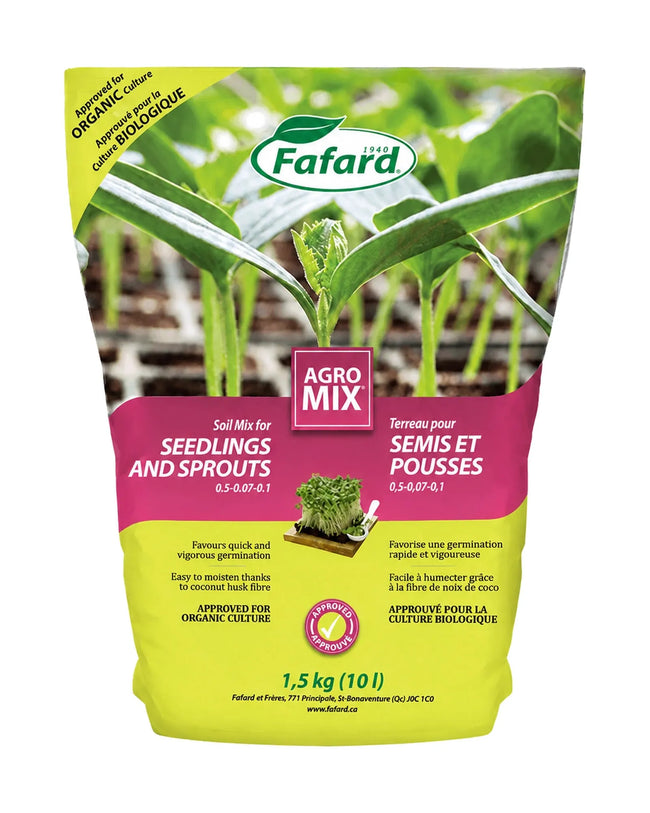
Seed Starting Soil
Shop the collectionSeed starting supplies
Shop the collection