Sale
Sold out

Seeds
Solanaceae
Hot Pepper 'Long Red Cayenne' Seeds — Organic
Capsicum annuum
Product code : TO LOVE-0042
Organic Aimers Long Red Cayenne produces long, slender peppers that turn from green to red when ripe. Their heat livens up sauces and spicy dishes; OSC also notes their suitability for drying. Start the seeds indoors warm, then give the young plants a bright light. Harden them off gradually before planting in sun after frost risk has passed. In Quebec, the heat and the duration of the season condition ripening. Water regularly and protect plants from heavy gusts. Harvest carefully according to the desired stage and use small amounts in the kitchen to adjust the intensity to the prepared meal.
- Quantity
- Approximately 25 seeds
- Exposure
- Full sun
Discover the plant
Common nameHot pepper
FamilySolanaceae
GenusCapsicum
Speciesannuum
CultivarCayenne Rouge
TypeSeeds
Botanical nameCapsicum annuum
Hot Pepper 'Long Red Cayenne' Seeds — Organic Capsicum annuum. Organic Long Red Cayenne hot pepper produces long, slender, slightly wrinkled fruits that turn from green to red at maturity. This heritage Aimers variety adds distinct heat to sauces and spicy dishes. OSC also highlights its suitability for drying, unlike thicker peppers mainly used fresh. The fruits can be harvested green, but the supplier prefers red maturity to appreciate this variety. Its elongated fruits distinguish this cayenne pepper from broader types and help identify the variety at harvest. Its development requires heat, light and careful acclimation before planting.
OSC recommends starting Long Red Cayenne indoors, sowing 2 mm deep and keeping it warm for germination. Start hot peppers indoors in seed-starting mix, as they need warmth and a long enough growing season. Keep the mix moist without saturating it and provide bright light as soon as seedlings emerge. Follow packet directions for the variety’s sowing depth and temperature. Pot on young plants when they are ready, avoiding crowding under the lights. Before planting, gradually acclimatize them to the sun, wind and outside temperatures. Seedlings need space as well as bright light.
Harvest Long Red Cayenne green if desired, but OSC prefers leaving fruits on the plant until red. Harvest the peppers at the stage that corresponds to the intended use. Green fruits and ripe red fruits can offer different textures and flavours. Cut the fruit stalk carefully instead of pulling on a loaded branch. Ripening depends on accumulated warmth and the remaining growing season. In a Quebec autumn, watch temperatures instead of waiting only for a colour change. Heat varies among fruits and with conditions; a stated Scoville value does not measure every harvest.

Sowing guide
It all startswith a seed.
Sowing depth
2 mm
Germination time
14 to 21 days
Sowing period
Start indoors before outdoor planting; transplant after frost risk has passed.
Propagation
Indoor sowing
Growing method
OSC recommends starting Long Red Cayenne indoors, sowing 2 mm deep and keeping it warm for germination. Start hot peppers indoors in seed-starting mix, as they need warmth and a long enough growing season. Keep the mix moist without saturating it and provide bright light as soon as seedlings emerge. Follow packet directions for the variety’s sowing depth and temperature. Pot on young plants when they are ready, avoiding crowding under the lights. Before planting, gradually acclimatize them to the sun, wind and outside temperatures. In Quebec, wait until frost risk has passed and conditions are truly suitable; one fixed date does not suit every region. Long Red Cayenne’s long fruits grow on plants that benefit from shelter against strong gusts. Install the peppers in the sun in a fertile, well drained soil, sheltered from heavy gusts where possible. Maintain consistent moisture and avoid waterings that leave the soil constantly wet. A stake can support a fruit-laden plant, especially in a windy location. Fertilization should remain measured: a high dose of nitrogen can encourage many leaves. Inspect plants and adjust care to their vigour. In the cool season, growth can slow down despite good care. Observation of foliage, flowers and fruit helps to distinguish this slowdown from a lack of water or other stress.
Soil and care
The right care,at the right time.
Watering
Check moisture in the soil or potting mix before watering again. During germination, water with a gentle spray to keep the surface moist without displacing seeds. After emergence, adjust watering to root development, heat and wind. Excess water must be able to drain away. Rain may not wet a sheltered container as thoroughly as a garden bed; check the growing area rather than watering on a fixed schedule.
Soil type
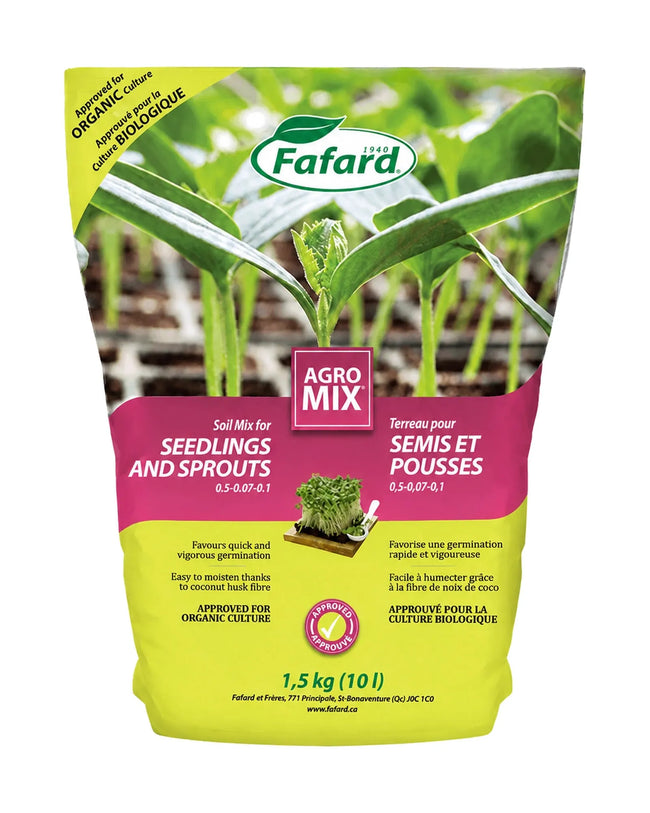
A fertile and well drained soil is suitable for hot peppers once the plants have acclimated and the weather is favorable. Choose a sunny site where the soil warms readily. A constantly saturated soil should be avoided, even if the plant needs regular moisture. For an indoor start, seed-starting mix makes moisture easier to manage. In pots, use a vegetable potting mix and effective drainage.
Fertilization
Avoid excessive nitrogen for peppers, as abundant foliage does not mean a larger fruit harvest. Base fertilization on soil fertility, plant vigour and how heavily you harvest. Organic matter can provide a useful foundation, but keep additional applications measured. For containers, follow the directions on the fertilizer selected for vegetables or herbs. Adding fertilizer will not automatically correct slow growth caused by cold, insufficient light or saturated soil.
Seasonal care
Long Red Cayenne’s long fruits grow on plants that benefit from shelter against strong gusts. Install the peppers in the sun in a fertile, well drained soil, sheltered from heavy gusts where possible. Maintain consistent moisture and avoid waterings that leave the soil constantly wet. A stake can support a fruit-laden plant, especially in a windy location. Fertilization should remain measured: a high dose of nitrogen can encourage many leaves. Inspect plants and adjust care to their vigour. In the cool season, growth can slow down despite good care. Observation of foliage, flowers and fruit helps to distinguish this slowdown from a lack of water or other stress. Harvest Long Red Cayenne green if desired, but OSC prefers leaving fruits on the plant until red. Harvest the peppers at the stage that corresponds to the intended use. Green fruits and ripe red fruits can offer different textures and flavours. Cut the fruit stalk carefully instead of pulling on a loaded branch. Ripening depends on accumulated warmth and the remaining growing season. In a Quebec autumn, watch temperatures instead of waiting only for a colour change. Heat varies among fruits and with conditions; a stated Scoville value does not measure every harvest. Organize the harvest to enjoy the fruits present without unnecessarily weakening the plant. As fruit weight increases, inspect branches and add support if needed rather than waiting for damage.
Container growing
A garden,within reach.
A potted Long Red Cayenne requires a location where its elongated fruit remains accessible for picking. Grow a hot pepper in a stable container with drainage holes, placed in a sunny, warm location. Choose a volume that allows the roots to grow without drying out too quickly. A vegetable potting mix supports drainage and moisture management. After acclimation, place the plant outside when conditions are appropriate. Watch the watering in the wind and in high heat; the needs evolve with the size of the foliage and the presence of the fruits. Provide support if necessary. In Quebec, containers help you choose a favourable location, but peppers remain sensitive to frost. Long Red Cayenne’s long fruits grow on plants that benefit from shelter against strong gusts. Install the peppers in the sun in a fertile, well drained soil, sheltered from heavy gusts where possible. Maintain consistent moisture and avoid waterings that leave the soil constantly wet. A stake can support a fruit-laden plant, especially in a windy location. Fertilization should remain measured: a high dose of nitrogen can encourage many leaves. Inspect plants and adjust care to their vigour. In the cool season, growth can slow down despite good care. Observation of foliage, flowers and fruit helps to distinguish this slowdown from a lack of water or other stress.

Recipe idea
From the gardento your plate.
Long Red Cayenne’s slender fruits suit drying and can season a sauce in small amounts. Add a small amount of finely chopped hot pepper to a vegetable salsa. Start with a modest amount, mix, then taste before adding it: not all fruits give the same strength. Jalapeno adds a noticeable fleshy wall, while Long Red Cayenne provides a thinner fruit. You can also increase the heat of a sauce gradually during cooking. Choose seasonings that complement the main ingredients and avoid adding many sources of heat before tasting. Green fruits and ripe red fruits offer different textures and flavours, allowing varied uses of one cultivar. OSC also notes Long Red Cayenne’s suitability for drying; use an appropriate method rather than improvising preservation. The recipes described here relate to servings cooked for the meal. For a preparation that is intended to be kept for a long time, use a proven method corresponding to the chosen product.
Frequently asked questions
Your questions,answered.
When and how should I sow hot peppers in Quebec?
OSC recommends starting Long Red Cayenne indoors, sowing 2 mm deep and keeping it warm for germination. Start hot peppers indoors in seed-starting mix, as they need warmth and a long enough growing season. Keep the mix moist without saturating it and provide bright light as soon as seedlings emerge. Follow packet directions for the variety’s sowing depth and temperature. Pot on young plants when they are ready, avoiding crowding under the lights. Before planting, gradually acclimatize them to the sun, wind and outside temperatures. In Quebec, wait until frost risk has passed and conditions are truly suitable; one fixed date does not suit every region.
Can I grow hot peppers in a container?
A potted Long Red Cayenne requires a location where its elongated fruit remains accessible for picking. Grow a hot pepper in a stable container with drainage holes, placed in a sunny, warm location. Choose a volume that allows the roots to grow without drying out too quickly. A vegetable potting mix supports drainage and moisture management. After acclimation, place the plant outside when conditions are appropriate. Watch the watering in the wind and in high heat; the needs evolve with the size of the foliage and the presence of the fruits. Provide support if necessary. In Quebec, containers help you choose a favourable location, but peppers remain sensitive to frost.
How do I harvest hot peppers at the right stage?
Harvest Long Red Cayenne green if desired, but OSC prefers leaving fruits on the plant until red. Harvest the peppers at the stage that corresponds to the intended use. Green fruits and ripe red fruits can offer different textures and flavours. Cut the fruit stalk carefully instead of pulling on a loaded branch. Ripening depends on accumulated warmth and the remaining growing season. In a Quebec autumn, watch temperatures instead of waiting only for a colour change. Heat varies among fruits and with conditions; a stated Scoville value does not measure every harvest. Organize the harvest to enjoy the fruits present without unnecessarily weakening the plant.
How can I use hot peppers in cooking?
Long Red Cayenne’s slender fruits suit drying and can season a sauce in small amounts. Hot peppers add character to sauces, salsas and spicy dishes. Start with a small amount, then adjust according to your taste: intensity may vary from one fruit to another. Long Red Cayenne suits drying, while Jalapeno offers a fleshier wall for salsas and garnishes. Choose sound fruits at a maturity suited to the recipe. For a preparation to be preserved, use a proven method rather than an improvised proportion. Cultivar choice lets you select a specific texture as well as a level of heat. Start with a measured amount of pepper.
What should I check if my hot peppers get off to a poor start?
Long Red Cayenne turns red at maturity; cooler conditions can slow that change. Peppers staying green for a long time do not necessarily indicate poor growing practices. Ripening needs sufficient warmth and may slow in late summer. Also check the exposure, plant strength and watering. Heavy leaf growth does not guarantee more fruit; reconsider nitrogen applications before fertilizing again. If flowers drop, consider temperature and water stress instead of assuming one cause immediately. In Quebec climate, acclimatization and planting date are important. A plant weakened by cold nights can be delayed even in a location that is then sunny. Consider recent night temperatures as well as daytime sun.
For a great start to your seeds
The right extras.Right here.
Seed Starting Soil
Shop the collectionSeed starting supplies
Shop the collection