Sale
Sold out

Vegetable seeds
Brassicaceae
Daikon Radish Seeds — Organic
Raphanus sativus
Product code : LOVE-0048
Organic daikon provides long, mild, crisp white roots for late-season harvests. Eat it grated or sliced in salads, or peel it and add it to soups. Its shape requires deeply loosened soil and enough space between plants for root development. Plan sowings in the second half of summer, adjusting the window to the growing time available in your region. Maintain consistent moisture. At harvest, loosen the soil before gently pulling to avoid breaking the root. This Japanese radish offers uses beyond those of small spring radishes. Daikon’s long white root provides more cutting options than a small round radish: thin slices, grated garnish or diced pieces for a cooked dish, according to the meal.
- Quantity
- Approximately 175 seeds
- Exposure
- Full sun
Discover the plant
Common nameDaikon radish
FamilyBrassicaceae
GenusRaphanus
Speciessativus
TypeVegetable seeds
Botanical nameRaphanus sativus
Daikon Radish Seeds — Organic (Raphanus sativus) Organic daikon is a Japanese radish with a long white root resembling a large carrot. These radish seeds are part of the Aimers organic seed range. Its tender, crisp flesh has a mild flavour and works well raw or cooked. The supplier describes roots averaging 20 cm long and 7 cm in diameter. This vegetable suits late-season harvests and adds variety to the garden’s root crops. Unlike small round radishes, daikon needs sufficiently deep soil to develop its long root. Daikon’s long white root provides more cutting options than a small round radish: thin slices, grated garnish or diced pieces for a cooked dish, according to the meal.
The supplier recommends sowing from mid-July to mid-August, repeating every two weeks. Sow 1 cm deep in rows 30 cm apart, then thin plants to 10 cm apart. Adjust this sowing window to your local growing season. Loosen the soil deeply before sowing daikon. Large clods and stones can obstruct the long root even when the surface looks finely prepared. Thinning then gives each plant the space recommended by the supplier. Late in the season, check root development and the weather. Daikon needs deeply loosened soil to develop its long white root.
Grate daikon into a crisp salad, slice it thinly for a fresh garnish, or peel and dice it for soup. Its mild flavour pairs well with more strongly flavoured ingredients. Loosen the soil around the roots with a garden fork before gently pulling them. Do not force a root out of compacted soil: the long white root can break if held firmly below ground. The white daikon root suits salads, fresh garnishes and soups. Grate, slice or dice it according to the dish. Wash the harvested vegetables thoroughly before preparing them, and use clean utensils.

Sowing guide
It all startswith a seed.
Sowing period
Mid-July to mid-August, adjusted to the local season
Propagation
Direct sowing
Growing method
The supplier recommends sowing from mid-July to mid-August, repeating every two weeks. Sow 1 cm deep in rows 30 cm apart, then thin plants to 10 cm apart. Adjust this sowing window to your local growing season. Loosen the soil deeply before sowing daikon. Large clods and stones can obstruct the long root even when the surface looks finely prepared. Thinning then gives each plant the space recommended by the supplier. Late in the season, check root development and the weather. Careful harvesting after loosening the soil is preferable to forceful pulling in compacted ground. Prepare the bed before sowing to provide good conditions for germination and emergence. After heavy rain, check drainage rather than automatically adding more water. During dry weather, check moisture near the roots. A plant label records the variety name and helps distinguish successive sowings. Record the stages of growth to adapt future crops to local conditions, without treating an estimated maturity period as a harvest guarantee. Daikon’s long root needs deep, loose, well-drained soil. Leave a sufficiently deep, loose root zone and thin seedlings before the plants become crowded. At harvest, loosen the surrounding ground before pulling; this is especially important for a long root held below the soil surface.
Soil and care
The right care,at the right time.
Watering
Maintain consistent moisture during germination and root growth. Water without displacing the seeds, then adjust watering to rainfall and moisture deeper in the soil. A dry surface does not always mean watering is needed; check soil near the plants. However, do not let daikon experience prolonged drought. Drainage remains important, because waterlogged soil does not support good growth or an easy harvest.
Soil type
Daikon needs deeply loosened soil to develop its long white root. Remove large stones and compacted clods before sowing. Well-drained soil prevents roots from sitting in water after rain. Work the soil when it is no longer too wet, then prepare a fine surface for seedling emergence. In a container, check the actual root depth available, rather than considering only its width.
Fertilization
Prepare fertile soil without adding fertilizers indiscriminately. Daikon chiefly needs loose soil for root development, consistent moisture and suitable spacing. If using vegetable fertilizer, follow the label and adjust applications to the bed’s fertility. Poor root development may also indicate compacted soil or overcrowded seedlings. Check soil structure and root spacing before increasing fertilizer, as a compacted bed or crowded sowing can also limit development.
Seasonal care
The supplier recommends sowing from mid-July to mid-August, repeating every two weeks. Sow 1 cm deep in rows 30 cm apart, then thin plants to 10 cm apart. Adjust this sowing window to your local growing season. At the start of the season, prepare the soil and remove weeds that compete with young plants. As the plants grow, check moisture regularly and inspect the foliage so that problems are noticed promptly. If leaves are damaged, examine the plant and identify the cause before taking action. Avoid applying treatments simply out of habit. Handle plants gently and use clean tools when harvesting to reduce damage. After harvest, remove spent crop debris and record useful observations about the weather, harvest quality and care provided. These notes help you plan the next season around the conditions in your own garden. Maintain consistent moisture during germination and root growth. Water without displacing the seeds, then adjust watering to rainfall and moisture deeper in the soil. A dry surface does not always mean watering is needed; check soil near the plants. However, do not let daikon experience prolonged drought. Drainage remains important, because waterlogged soil does not support good growth or an easy harvest. As the roots develop, keep watching soil moisture and the remaining season. At harvest, loosen soil around each root before pulling gently.
Container growing
A garden,within reach.
Unlike small round radishes, daikon needs sufficiently deep soil to develop its long root. Loosening the soil before harvest makes the root easier to lift. Container-grown daikon needs enough depth for its long root above all. A small, shallow pot is unsuitable even if the foliage appears to fit. Choose a stable container with drainage, filled with potting mix that stays loose. Sow directly and then thin seedlings to leave room for the roots. Container planting does not change the recommended season: plan for late summer only if your region has enough time before severe cold. Check moisture more often than in garden beds, as wind and sun can quickly dry the potting mix. Avoid leaving water standing in a saucer. At harvest, gently loosen the potting mix around the plant, then lift the root without forcing it. This method brings daikon closer to the kitchen while allowing the space needed for its development. Success depends on available root space, light and consistent care. Check the depth below the soil surface before choosing the container. The long root needs more than a wide opening; it needs loose potting mix along its length.

Bloom and dimensions
Its place,in your garden.
Days to maturity
Approximately 50 days; an estimate
Harvest
Loosen the soil around the roots with a garden fork before gently pulling them. Do not force a root out of compacted soil: the long white root can break if held firmly below ground.
Recipe idea
From the gardento your plate.
Edible parts
Roots
Grate daikon into a crisp salad, slice it thinly for a fresh garnish, or peel and dice it for soup. Its mild flavour pairs well with more strongly flavoured ingredients. Wash the harvested vegetables thoroughly before preparing them, and use clean utensils. Start with a simple recipe so you can appreciate this variety’s texture and flavour. Herbs, onion or a light dressing can complement the vegetable without masking its flavour. Adjust cutting and cooking to the size you have harvested rather than following one rule for every vegetable. For a complete meal, combine the harvest with ingredients you already enjoy: grains, legumes, other vegetables or a source of protein. Prepare the amount needed for the meal and refrigerate any cut vegetables. For longer-term food preservation, use a tested recipe and follow its exact proportions and processing instructions. The mild white root can connect several parts of a meal: a small grated salad first, followed by diced daikon in broth.
Frequently asked questions
Your questions,answered.
When should I sow daikon in Quebec?
The supplier recommends sowing from mid-July to mid-August, repeating every two weeks. Sow 1 cm deep in rows 30 cm apart, then thin plants to 10 cm apart. Adjust this sowing window to your local growing season. Daikon’s long root needs deep, loose, well-drained soil. Prepare the bed before sowing and remove obstacles that could impede root growth. The supplier’s instructions place this crop in the second half of summer for a late-season harvest. In Quebec and elsewhere in Canada, adjust sowing to the time available before severe cold arrives. Leave a sufficiently deep, loose root zone and thin seedlings before the plants become crowded.
What shape does a daikon root have?
Organic daikon is a Japanese radish with a long white root resembling a large carrot. Its tender, crisp flesh has a mild flavour and works well raw or cooked. The supplier describes roots averaging 20 cm long and 7 cm in diameter. This vegetable suits late-season harvests and adds variety to the garden’s root crops. Unlike small round radishes, daikon needs sufficiently deep soil to develop its long root. Loosening the soil before harvest makes the root easier to lift. These organic seeds allow you to grow the characteristics described for this product in your own garden. Daikon’s long white root provides more cutting options than a small round radish: thin slices, grated garnish or diced pieces for a cooked dish, according to the meal.
Can I grow daikon in a container?
Unlike small round radishes, daikon needs sufficiently deep soil to develop its long root. Loosening the soil before harvest makes the root easier to lift. Container-grown daikon needs enough depth for its long root above all. A small, shallow pot is unsuitable even if the foliage appears to fit. Choose a stable container with drainage, filled with potting mix that stays loose. Sow directly and then thin seedlings to leave room for the roots. Container planting does not change the recommended season: plan for late summer only if your region has enough time before severe cold. Check the depth below the soil surface before choosing the container.
How should I harvest and cook daikon?
Loosen the soil around the roots with a garden fork before gently pulling them. Do not force a root out of compacted soil: the long white root can break if held firmly below ground. Grate daikon into a crisp salad, slice it thinly for a fresh garnish, or peel and dice it for soup. Its mild flavour pairs well with more strongly flavoured ingredients. The white daikon root suits salads, fresh garnishes and soups. Grate, slice or dice it according to the dish. The supplier highlights its mild flavour and crisp flesh, useful when adding a root vegetable without overpowering other ingredients.
What soil and watering does daikon need?
Maintain consistent moisture during germination and root growth. Water without displacing the seeds, then adjust watering to rainfall and moisture deeper in the soil. A dry surface does not always mean watering is needed; check soil near the plants. However, do not let daikon experience prolonged drought. Drainage remains important, because waterlogged soil does not support good growth or an easy harvest. Prepare fertile soil without adding fertilizers indiscriminately. Daikon chiefly needs loose soil for root development, consistent moisture and suitable spacing. Leave enough space after thinning and keep soil loose in depth; fertilizer alone does not correct crowding or an obstructed root zone.
For a great start to your seeds
The right extras.Right here.
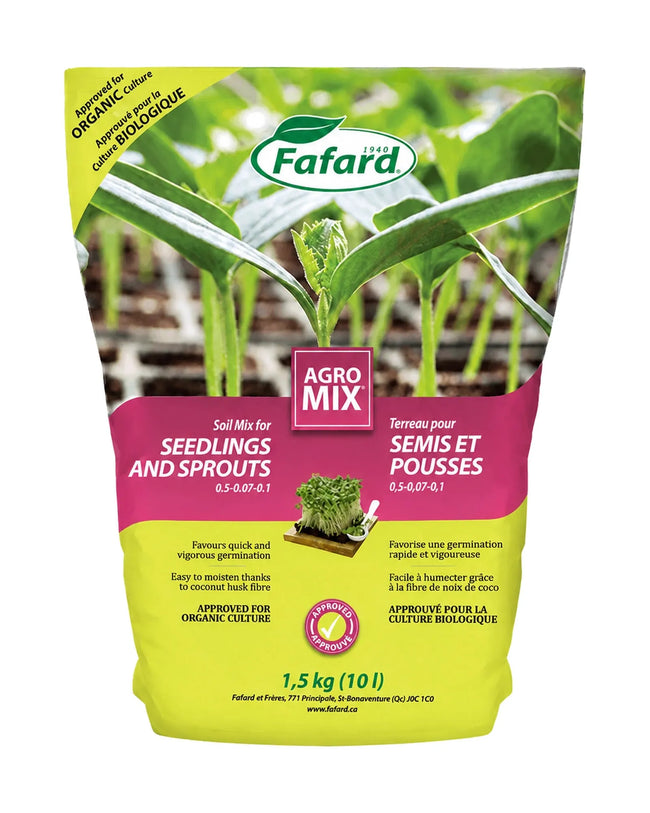
Seed Starting Soil
Shop the collectionSeed starting supplies
Shop the collection