Sale
Sold out

Annual flower
Amaranthaceae
Organic seeds
Amaranth 'Opopeo' (Amaranthus cruentus)
Product code : JAREC-0005
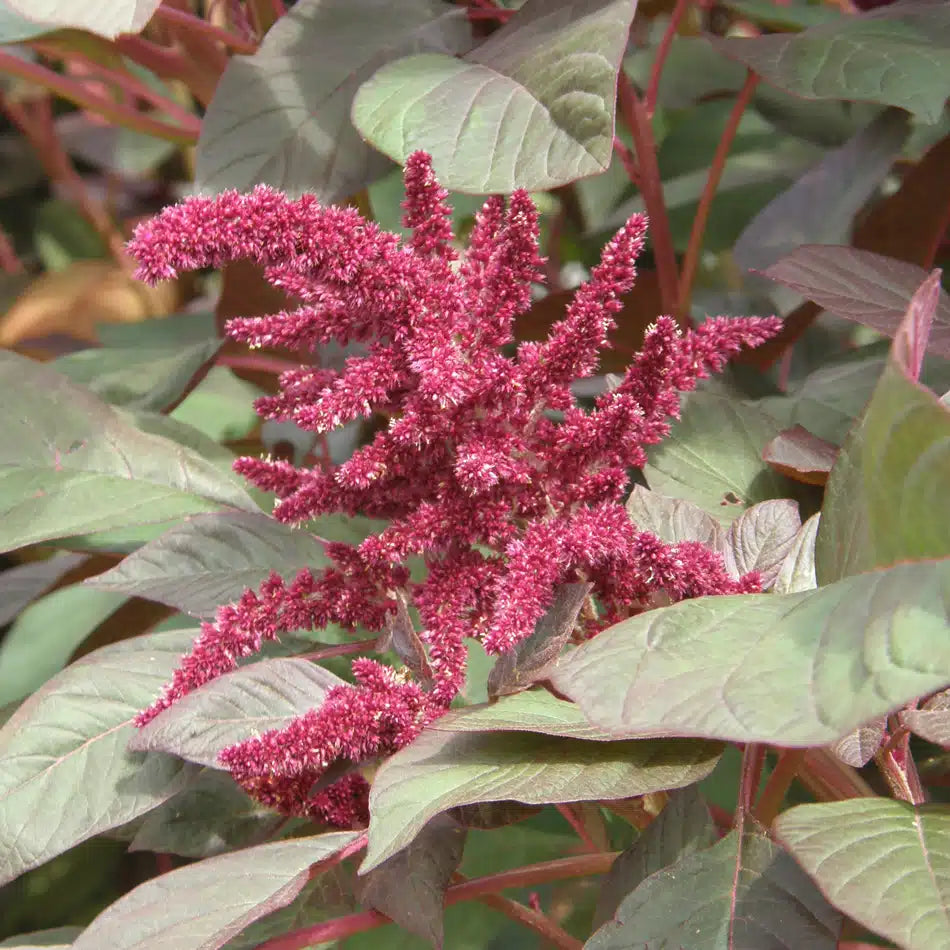
Amaranth ‘Opopeo’ is a spectacular annual that lends an opulent air to the garden with its large, wine-red, feathery plumes standing tall above elegant bronze-green foliage. This variety is not just ornamental: its tender young leaves can also be enjoyed in the kitchen, while its seeds can be harvested for various culinary uses, making it a plant that is as beautiful as it is useful. Throughout the summer, it creates a vibrant and warm presence, particularly interesting for structuring flowerbeds or adding dimension to edible gardens. Easy to grow in a sunny spot, it thrives in well-drained soil and grows quickly once the weather warms up.
- Quantity
- Approximately 400 seeds
- Exposure
- Sun
- Life cycle
- Annual
Discover the plant
Common nameAmaranth ‘Opopeo’
FamilyAmaranthaceae
GenusAmaranth
Speciesbloody
CultivarOpopeo
TypeAnnual flower
Botanical nameAmaranthus cruentus
Reproducible seedsYes
Heirloom varietyYes
‘Opopeo’ Amaranth (Amaranthus cruentus). ‘Opopeo’ amaranth is a spectacular annual that lends an opulent look to the garden with its large, wine-red, feathery spikes held above elegant bronze-green foliage. This variety is not only ornamental: its tender young leaves can also be enjoyed in cooking, while its seeds can be harvested for various culinary uses, making it a plant as beautiful as it is useful. Throughout the summer, it creates a vibrant and warm presence, particularly interesting for structuring beds or adding relief to food gardens.
Recommended sowing period: May to June. The recommended depth is 0.5 cm (0.2 in). Germination usually takes 7 to 14 days. For germination, maintain the potting mix at 20 to 24 °C (68 to 75 °F). Transplant young plants when their true leaves have developed and their roots hold the soil ball. Handle seedlings gently and avoid compressing the stem. Under grow lights, gradually space out the containers so that the foliage does not overlap. Acclimatization then prepares the plants for sun, wind, and temperature variations.
These Opopeo amaranths combine ample foliage with upright inflorescences. Harvest young leaves for cooking without completely stripping the plants, which need to continue growing. Design your composition taking into account the adult habit and the distance from which the flowers will be observed. Small corollas benefit from being close to a path, while a tall silhouette can serve as a landmark at the back of a bed. Repeat a few plants of the same variety to make the color legible. Maintain access for cutting and avoid overcrowding the clumps just to fill the space immediately.

Sowing guide
It all startswith a seed.
Sowing depth
0.2 in (0.5 cm)
Germination temperature
20 to 24 °C (68 to 75 °F)
Germination time
7 to 14 days
Sowing period
May to June
Propagation
Sowing
Growing method
Recommended sowing period: May to June. Sow to a depth of 0.5 cm (0.2 in). Germination usually takes 7 to 14 days. For germination, maintain the potting soil at 20 to 24 °C (68 to 75 °F). Transplant young flowers when their true leaves have developed and their roots hold the root ball. Handle seedlings gently and avoid compressing the stem. Under lighting, gradually space out the containers so that the foliage does not overlap. Acclimatization then prepares the plants for sun, wind, and temperature variations. Planting out occurs when conditions match their hardiness. Observe the succession of buds, open flowers, and faded parts to choose appropriate interventions. Pruning should preserve shoots that will flower next. For tall-stemmed plants, check supports after windy periods. Light cleaning helps maintain the plant's shape without stripping it bare. Adapt end-of-season care to the plant's cycle: annuals and perennials do not require the same winter preparation. Choose between prolonging flowering and saving seeds on a few stems.
Soil and care
The right care,at the right time.
Care level
Regular during establishment, then adapted to growing conditions
Watering
Moderate
Soil type
Prepare well-drained, moderately rich soil. Transplant young flowers when their true leaves have developed and their roots hold the soil ball together. Handle the seedlings gently and avoid compressing the stem. Under lighting, gradually space out the containers so that the foliage does not overlap. Acclimatization then prepares the plants for sun, wind, and temperature variations.
Fertilization
Fertilization supports growth and takes into account the nutrients already present in the soil or potting mix. Use mature compost or a fertilizer suited to the crop, following the dosage instructions. Avoid using too many products, especially in a container where roots occupy a limited volume. Water as needed after application and observe foliage development before re-fertilizing.
Moisture
Moist compost during germination, without standing water; adjust thereafter to the crop
Seasonal care
These Opopeo amaranths combine ample foliage with upright inflorescences. Harvest young leaves for cooking without completely denuding the plants, which should continue to grow. Transplant young flowers when their true leaves have developed and their roots hold the root ball. Handle seedlings delicately and avoid compressing the stem. Under lighting, gradually space the containers so that the foliage does not overlap. Acclimatization then prepares the plants for sun, wind, and temperature variations. Planting out occurs when conditions match their hardiness. Observe the succession of buds, open flowers, and faded parts to choose appropriate interventions. Pruning should preserve shoots that will flower later. For tall-stemmed plants, check supports after a windy period. Light cleaning helps maintain the plant's shape without denuding it. Adapt end-of-season care to the plant's cycle: annuals and perennials do not require the same winter preparation. Choose between prolonging flowering and preserving seeds on a few stems. Removing spent flowers is suitable for many annuals, while dried capsules and inflorescences can have ornamental interest. Keep plants identified when they no longer bear flowers and remove spontaneous seedlings that block a path. This variety is not just ornamental: its tender young leaves can also be enjoyed in cooking, while its seeds can be harvested for various culinary uses, making it a plant that is as beautiful as it is useful.
Container growing
A garden,within reach.
Recommended pot size
Stable, perforated container, wide enough to allow the plant to spread out, and deep enough for the roots.
Choose this exposure: full sun. Reserve this spacing around the plant: 45 to 60 cm (18 to 24 in.). A floral container arrangement should allow room for each plant to grow. Place upright forms where they remain visible and let trailing stems occupy the edge if there are any. Ensure that the combined plants share the desired exposure and moisture. After a few weeks, observe the areas that become denser and remove only damaged parts or stems that disturb the composition's balance. This variety is not just ornamental: its tender young leaves can also be enjoyed in cooking, while its seeds can be harvested for various culinary uses, making it a plant as beautiful as it is useful. Amaranth 'Opopeo' is a spectacular annual that gives the garden an opulent look with its large, wine-red feathery plumes standing tall above elegant bronzed-green foliage. Throughout the summer, it creates a vibrant and warm presence, particularly interesting for structuring beds or adding depth to food gardens. Easy to grow in a sunny location, it prefers well-drained soils and develops quickly once the weather warms up.

Bloom and dimensions
Its place,in your garden.
Mature height
1.5 to 1.8 m (5 to 6 ft)
Width / spread
45 to 60 cm (18 to 24 in)
Foliage type
Seasonal foliage
Growth habit
Drawn up
Bloom period
July to September
Fruiting
This variety is not just ornamental: its tender young leaves can also be used in cooking, while its seeds can be harvested for various culinary uses, making it a plant that is as beautiful as it is useful. Choose between prolonging flowering and preserving seeds on a few stems. Removing spent flowers is suitable for many annuals, while dry capsules and inflorescences can have decorative appeal.
Harvest
90 to 110 days after sowing
Garden associations
In goodcompany.
Companion plants
In a diversified plantation, you can dedicate adjacent sections to these plants: corn, sunflowers, and beans. The purpose of this association is to organize space and harvests. Respect each plant's height, light, and water requirements, without crowding their foliage. Maintain a path for watering and harvesting, then remove spent crops to free up space. This organization facilitates maintenance but does not guarantee protection against pests. Design the layout taking into account the adult size of the plants and the distance from which the flowers will be observed.
Recipe idea
From the gardento your plate.
Edible parts
Young leaves and ripe seeds
Amaranth 'Opopeo' cooking idea: vegetable stir-fry for four portions. Prepare 400g of the harvested part, one clove of garlic, 15ml of oil, and 30ml of water. Cut the stems, ribs, or firm parts into small pieces and set the leaves aside. Heat the oil, sauté the garlic without burning it, then add the firm pieces and water. Cover for a few minutes. Add the leaves or tender parts next and continue until the desired texture is reached. Season to taste and serve hot. Prepare the ingredients with clean utensils and adjust the cutting to the size of your harvest. This recipe highlights freshly picked parts: remove damaged pieces before preparation. If you double the quantities, leave enough space in the pan to mix or cook evenly. Quickly refrigerate leftovers in a closed container and consume within two days. For a meal for two people, simply halve all quantities.
Frequently asked questions
Your questions,answered.
How to successfully sow 'Opopeo' Amaranth?
Recommended sowing period: May to June. The recommended depth is 0.5 cm (0.2 in). Germination usually takes 7 to 14 days. For germination, keep the soil mix at 20 to 24 °C (68 to 75 °F). Transplant young plants when their true leaves have developed and their roots hold the soil ball. Handle seedlings gently and avoid compressing the stem. Under grow lights, gradually space out the containers so that the foliage does not overlap. Acclimatization then prepares the plants for sun, wind, and temperature variations. Planting out should occur when conditions match their hardiness.
Can Amaranth 'Opopeo' be grown in a pot?
Choose this exposure: sun. Reserve this spread around the plant: 45 to 60 cm (18 to 24 in). A floral container arrangement must leave room for each plant to grow. Place upright forms where they remain visible and allow trailing stems to occupy the edge when present. Ensure that the combined plants share the desired exposure and moisture. After a few weeks, observe the areas that are densifying and only remove damaged parts or stems that interfere with the composition's balance. The 'Opopeo' amaranth is a spectacular annual that gives the garden an opulent look with its large, upright, wine-red feathery spikes towering above elegant bronze-green foliage.
When to harvest Amaranth 'Opopeo'?
This variety is not just ornamental: its tender young leaves can also be enjoyed in cooking, while its seeds can be harvested for various culinary uses, making it a plant as beautiful as it is useful. Choose between extending flowering or keeping seeds on a few stems. Removing spent flowers is suitable for many annuals, while dry capsules and inflorescences can have decorative appeal. Keep plants identified when they are no longer in flower and remove self-seeded plants that are blocking a pathway. Observe the succession of buds, open flowers, and faded parts to choose the most useful interventions.
How to enjoy Amarante Opopeo in the garden?
These 'Opopeo' amaranths combine abundant foliage with upright inflorescences. Harvest the young leaves for cooking without completely stripping the plants, which should continue to grow. The 'Opopeo' amaranth is a spectacular annual that lends an opulent look to the garden with its tall, wine-red feathery spikes rising above elegant bronzed-green foliage. This variety is not just ornamental: its tender young leaves can also be eaten, while its seeds can be harvested for various culinary uses, making it a plant that is both beautiful and useful. Throughout the summer, it creates a vibrant and warm presence, particularly interesting for structuring flowerbeds or adding dimension to edible gardens.
How to plant 'OPOPEO' amaranth?
Draw the composition bearing in mind the adult habit and the distance from which the flowers will be observed. Small corollas benefit from being placed closer to a path, while a tall silhouette can serve as a landmark at the back of a bed. Repeat a few plants of the same variety to make the color legible. Maintain access for cutting and avoid packing plants too tightly just to immediately fill the space. Observe the succession of buds, open flowers, and faded parts to choose useful interventions. A cut should preserve the shoots that will flower next. For tall-stemmed plants, check the supports after a windy period.
For a great start to your seeds
The right extras.Right here.
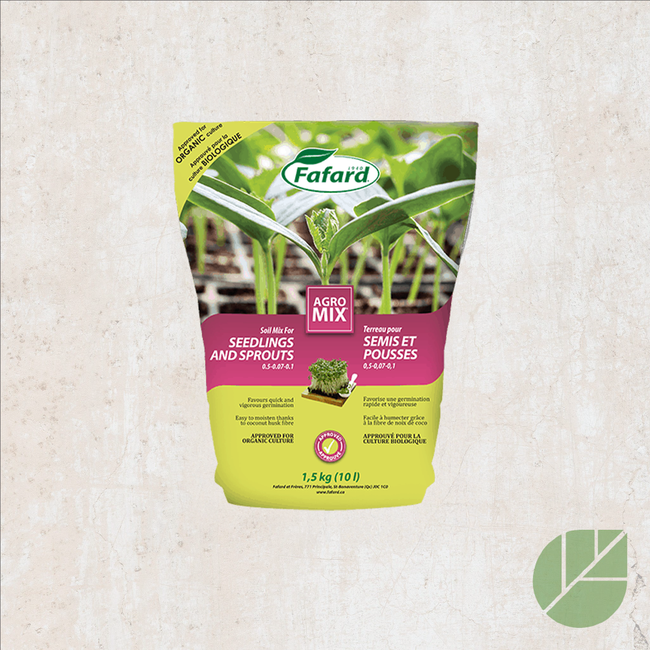
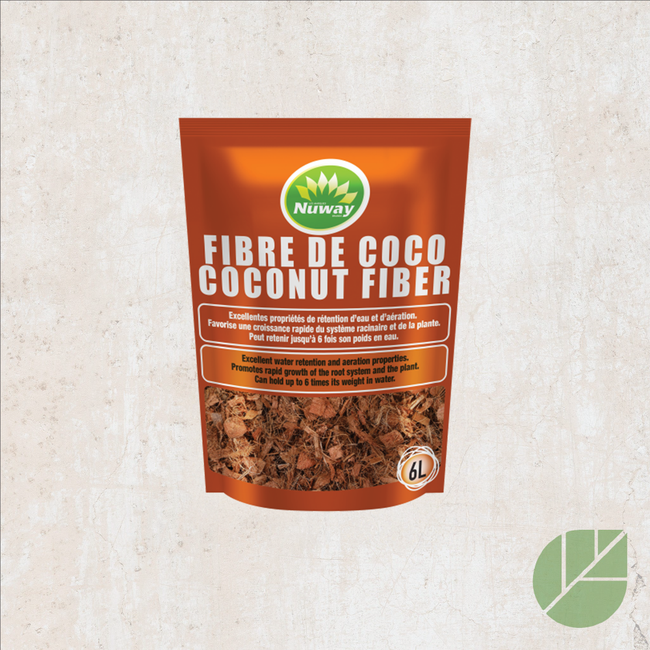
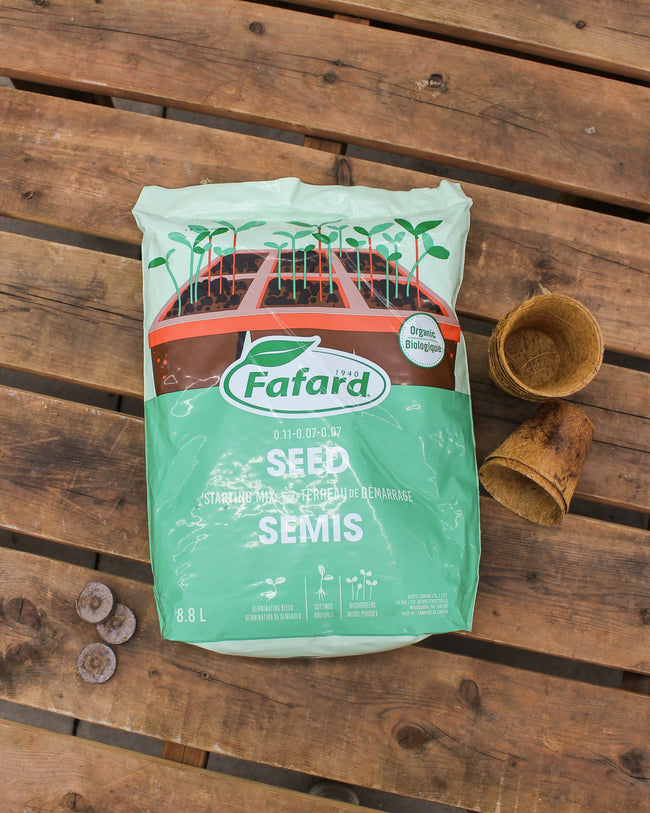
Seed Starting Soil
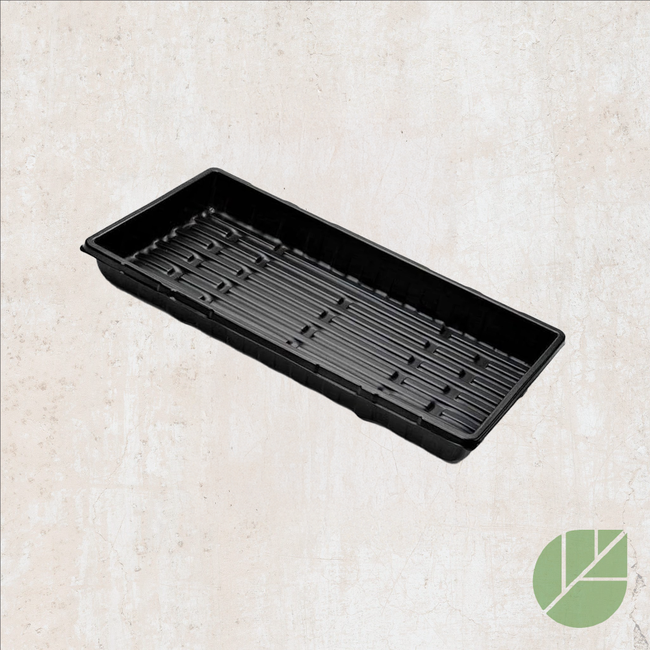
Shop the collectionSeed starting supplies
Shop the collection