Sale
Sold out

Vegetable
Asteraceae
Artichoke 'Tavor'
Cynara cardunculus var. scolymus
Product code : JAREC-0009
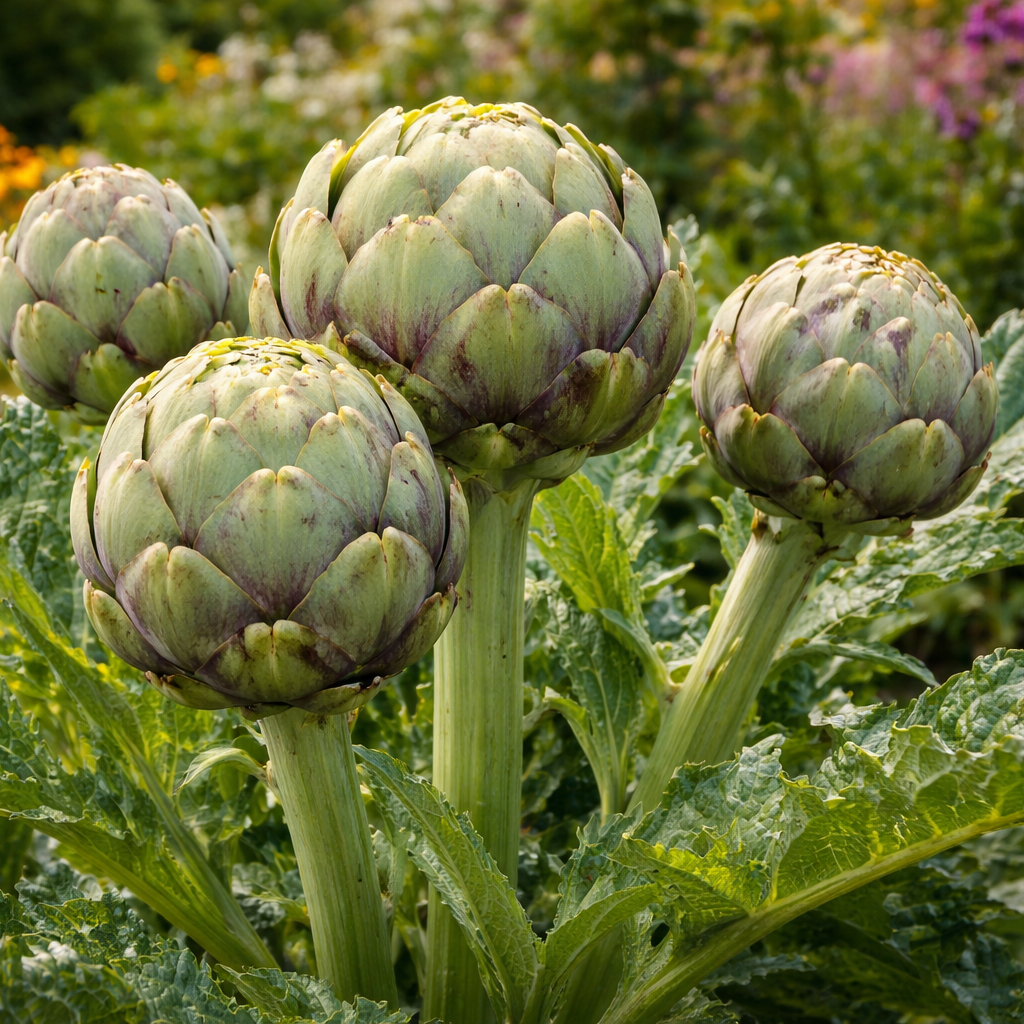
The organic 'Tavor' artichoke is a majestic variety that immediately gives the vegetable garden a generous and structured look, with its large, deeply cut grey-green foliage and powerful flower stalks. Derived from *Cynara cardunculus var. scolymus*, it is sought after for its vigor, its ability to produce several beautiful heads from the first year, and its high ornamental as well as nutritional value. In the garden, it creates an almost architectural presence, elegantly filling the space while offering a tasty harvest of tender heads with a buttery texture after cooking. Its flowering, when a few heads are allowed to open, intensely attracts pollinators thanks to its nectar and pollen-rich inflorescences, making it a valuable ally for biodiversity.
- Quantity
- About 10 seeds
- Exposure
- Sun
- Life cycle
- Perennial
Discover the plant
Common nameArtichoke 'Tavor'
FamilyAsteraceae
GenusCynara
Speciescardunculus
CultivarTavor
TypeVegetable
Botanical nameCynara cardunculus var. scolymus
Reproducible seedsYes
Artichoke 'Tavor' (Cynara cardunculus var. scolymus). The organic 'Tavor' artichoke is a majestic variety that immediately gives the vegetable garden a generous and structured look, with its large, deeply cut grey-green foliage and strong flower stalks. Derived from Cynara cardunculus var. scolymus, it is sought after for its vigor, its ability to produce several beautiful heads from the first year, and its great ornamental as well as nutritional value. In the garden, it creates an almost architectural presence, elegantly occupying space while offering a flavorful harvest of tender heads with a buttery texture after cooking.
Recommended sowing period: February to March indoors. The depth to respect is 1 cm. Emergence usually takes 7-20 days. For germination, maintain the potting mix at 21 to 27 °C (70 to 81 °F). Start artichokes early enough indoors to get vigorous plants before transplanting to the garden. Pot individually when roots hold the soil ball and provide abundant light. In Quebec, prepare this variety for a harvest within the season, without counting on its winter survival. Gradually acclimatize the plants and plant them in rich soil, with enough space for their large foliage.
The patient gardener then sees superb green artichokes nuanced with purplish hues forming, promising an abundant and refined harvest. The artichoke occupies an important place in the vegetable garden with its ample, deeply cut foliage. Plant it at a distance from low-growing vegetables to preserve their light. A spot at the edge of a bed allows you to reach the heads without walking around the plant. You can let one head flower to enjoy its ornamental aspect and harvest the others before they open. In the garden, it creates an almost architectural presence, elegantly occupying space while offering a flavorful harvest of tender heads with a buttery texture after cooking.

Sowing guide
It all startswith a seed.
Sowing depth
1 cm (0.4 in)
Spacing / density
90 cm (35 in.) between plants
Germination temperature
21 to 27 °C (70 to 81 °F)
Germination time
7-20 days
Sowing period
February to March indoors
Propagation
Sowing
Growing method
Recommended sowing period: February to March indoors. Sow at a depth of 1 cm. Germination usually takes 7-20 days. For germination, maintain potting mix at 21 to 27 °C (70 to 81 °F). Start artichokes indoors early enough to get vigorous plants before transplanting to the garden. Transplant individually when roots hold the soil ball and provide abundant light. In Quebec, prepare this variety for harvest within the season, without counting on its winter survival. Gradually acclimate the plants and plant them in rich soil, with enough space for their large foliage. Monitor the development of the flower heads and harvest them while still closed. An open flower gives a beautiful decorative effect, but the heart and bracts will have passed the desired stage for culinary use. Cut with a clean tool, leaving a portion of the stem. Maintain moisture during growth and remove damaged leaves. The plant requires a sufficiently long season to form its heads. Leafy vegetables require harvesting adjusted to the type of plant. Harvesting outer leaves preserves the heart when continued production is desired. Very old leaves do not offer the same tenderness as young shoots.
Soil and care
The right care,at the right time.
Soil pH
Low alkaline
Care level
Regular during establishment, then adapted to growing conditions
Watering
Regular
Soil type
Rich, deep, and well-drained
Fertilization
Fertilisation supports growth and takes into account nutrients already present in the soil or potting mix. Use mature compost or a fertilizer suited to the crop, following the dosage instructions. Avoid using too many different products, especially in a container where roots have limited space. Water as needed after application and observe foliage development before re-fertilizing.
Moisture
Cool, well-drained soil
Seasonal care
In the garden, it creates an almost architectural presence, elegantly occupying the space while offering a tasty harvest of tender heads with a buttery texture after cooking. Start artichokes indoors early enough to get vigorous plants before transplanting them into the garden. Transplant individually when the roots hold the soil ball and provide abundant light. In Quebec, prepare this variety for a harvest within the season, without counting on its winter survival. Gradually acclimatize the plants and place them in rich soil, with enough space for their broad foliage. Monitor the development of the flower heads and harvest them while still closed. An open flower gives a beautiful decorative effect, but the heart and bracts will then have passed the stage desired for cooking. Cut with a clean tool, keeping a portion of the stem. Maintain moisture during growth and remove damaged leaves. The plant requires a sufficiently long season to form its heads. Leafy vegetables require harvesting adjusted to the type of plant. An outer harvest preserves the heart when you want to continue production. Very old leaves do not offer the same tenderness as young shoots. Rinse the harvest just before use or dry it carefully before a short stay in the refrigerator. The patient gardener will then see superb green artichokes nuanced with purplish hues forming, promising an abundant and refined harvest. Recommended sowing period: February to March indoors. The depth to respect is 1 cm.
Container growing
A garden,within reach.
Suitable for containers
Yes
Recommended pot size
A stable, perforated container, wide enough to allow the plant to spread out and deep enough for its roots
Choose this exposure: sun. Reserve this spread around the plant: 80 cm to 1 m (31 to 39 in). Pot cultivation allows the artichoke to be placed in a warm, sheltered spot. Choose a stable container that supports the plant's shape and maintains a reserve of potting mix around the roots. Install an inconspicuous support before the flower heads become heavy. The large leaves transpire water during hot days: check the potting mix deeply and water slowly to moisten the entire root ball. The organic 'Tavor' artichoke is a majestic variety that immediately gives the garden a lush and structured look, with its large, deeply lobed grey-green foliage and powerful flower stalks. Derived from Cynara cardunculus var. scolymus, it is sought after for its vigor, its ability to produce several beautiful flower heads from the first year, and its great ornamental as well as nutritional value. In the garden, it creates an almost architectural presence, elegantly occupying space while offering a delicious harvest of tender heads with a buttery texture after cooking. Its flowering, when a few flower heads are allowed to open, intensely attracts pollinators thanks to its nectar and pollen-rich inflorescences, making it a valuable ally for biodiversity.

Bloom and dimensions
Its place,in your garden.
Mature height
1 to 1.2 m (3.3 to 4 ft)
Width / spread
80 cm to 1 m (31 to 39 in.)
Foliage type
Seasonal foliage
Bloom period
July to September
Fruiting
In the garden, it creates an almost architectural presence, elegantly occupying the space while offering a tasty harvest of tender, buttery-textured heads once cooked. The patient gardener then sees superb green artichokes with purplish hues form, promising an abundant and refined harvest. Leafy vegetables require harvesting adjusted to the type of plant. Picking the outer leaves preserves the heart when you wish to continue production.
Harvest
Approximately 90 days
Garden associations
In goodcompany.
Companion plants
In a diversified plantation, you can reserve neighboring sections for these plants: lettuce, peas, cabbage. The association here serves to organize space and harvests. Respect the height, light, and water needs of each plant, without crowding the foliage. Maintain an aisle for watering and picking, then remove finished crops to free up space. This organization facilitates maintenance without promising protection against pests. Artichokes occupy a significant place in the vegetable garden with their large and lobed foliage.
Recipe idea
From the gardento your plate.
Edible parts
Capitulum base and fleshy base of the bracts, before opening
Artichoke 'Tavor' cooking idea: steamed artichokes for four servings. Prepare four small, still-closed heads, one lemon, and 30 ml of olive oil. Cut off any damaged parts and shorten the stem, then rub the cuts with lemon. Steam until a bract pulls away easily, checking after twenty-five minutes and extending the cooking time depending on the size. Serve with the oil and lemon juice. Eat the fleshy base of the bracts and the heart, after removing the central choke. Prepare ingredients with clean utensils and adjust the cutting to the size of your harvest. This recipe highlights freshly picked parts: remove damaged pieces before preparation. If you double the quantities, ensure enough space in the dish for even mixing or cooking. Quickly place leftovers in the refrigerator in a closed container and consume within two days. For a meal for two people, simply divide all quantities by two.
Frequently asked questions
Your questions,answered.
How to successfully sow 'Tavor' Artichoke seeds?
Recommended sowing period: February to March indoors. The depth to respect is 1 cm. Germination usually takes 7-20 days. For germination, maintain potting soil at 21 to 27 °C (70 to 81 °F). Start artichokes early enough indoors to obtain vigorous plants before transplanting them to the garden. Pot them individually when roots hold the root ball and provide abundant light. In Quebec, prepare this variety for a harvest within the season, without counting on its winter survival. Gradually acclimate the plants and install them in rich soil, with enough space for their large foliage.
Can Artichoke ‘Tavor’ be grown in a pot?
Choose a sunny location. Allow 80 cm to 1 m (31 to 39 in) of space around the plant. Pot cultivation allows the artichoke to be placed in a warm, sheltered spot. Choose a stable container that supports the plant's shape and retains a reserve of potting soil around the roots. Place a discreet support before the flower heads become heavy. The large leaves evaporate water during hot days: check the potting soil deeply and water slowly to moisten the entire root ball. The organic 'Tavor' artichoke is a majestic variety that immediately gives the vegetable garden a lush and structured look, with its broad, gray-green cut foliage and powerful flower stalks.
When to harvest Artichoke ‘Tavor’?
In the garden, it creates an almost architectural presence, elegantly occupying the space while offering a delicious harvest of tender heads with a buttery texture after cooking. The patient gardener then sees superb green artichokes nuanced with purple form, promising an abundant and refined harvest. Leafy vegetables require harvesting adjusted to the type of plant. An outer harvest preserves the heart when you want to continue production. Very old leaves do not give the same tenderness as young shoots. Rinse the harvest just before use or dry it carefully before a short stay in the refrigerator. Monitor the development of the flower heads and harvest them while they are still closed.
What makes Artichoke 'Tavor' stand out in the garden?
The organic 'Tavor' artichoke is a majestic variety that immediately gives the vegetable garden a lush and structured look, with its large, deeply cut grey-green foliage and powerful flower stalks. Derived from Cynara cardunculus var. scolymus, it is sought after for its vigor, its ability to produce several beautiful heads from the first year, and its great ornamental as well as nutritional value. In the garden, it creates an almost architectural presence, elegantly occupying space while offering a flavorful harvest of tender heads with a buttery texture after cooking. Its flowering, when a few heads are allowed to open, intensely attracts pollinators thanks to its nectar and pollen-rich inflorescences, making it a valuable ally for biodiversity.
How to organize an Artichoke 'Tavor' planting?
At planting, space plants 90 cm (35 in) apart. Artichokes take up a lot of space in the garden with their large, deeply cut foliage. Plant them away from shorter vegetables to prevent shading. Planting them at the edge of a bed makes it easier to reach the flower heads without walking around the plant. You can let one head bloom for its ornamental value and harvest the others before they open. Monitor the development of the flower heads and harvest them while they are still closed. An open flower is very decorative, but the heart and bracts will have passed their prime for culinary use.
For a great start to your seeds
The right extras.Right here.
Seed Starting Soil
Shop the collectionSeed starting supplies
Shop the collection