

Sale
Sold out

Biennial table beet grown as an annual
Amaranthaceae
Organic root vegetable seeds
Organic ‘Biomix’ beet mix (Beta vulgaris)
Beta vulgaris subsp. vulgaris
Product code : BIOVO-0006
Organic ‘Biomix’ beet mix, Beta vulgaris, is an organic beet seed mix whose colours, shapes, and proportions may vary. This product contains approximately 100 organic Biomix beet seeds. Roots suit roasting, pickling, soups, and salads, while sound young tops cook as greens. Direct-sow 1 or 2 cm deep in deep loose stone-free well-drained soil. Every seed cluster may produce several seedlings; thin to 7 or 10 cm with scissors. Grow in sun or partial shade and maintain steady moisture. Begin checking diameter as root shoulders begin to enlarge, then harvest each root before it becomes fibrous. Lift gently from moist soil and cool roots and tops separately.
- Quantity
- Approximately 100 organic seeds
- Exposure
- Sun to partial shade
- Life cycle
- Biennial, generally harvested in the first year
Discover the plant
Common name‘Biomix’ beet, beet mixture
FamilyAmaranthaceae
GenusBeta
Speciesvulgaris subsp. vulgaris
TypeBiennial table beet grown as an annual
Botanical nameBeta vulgaris subsp. vulgaris
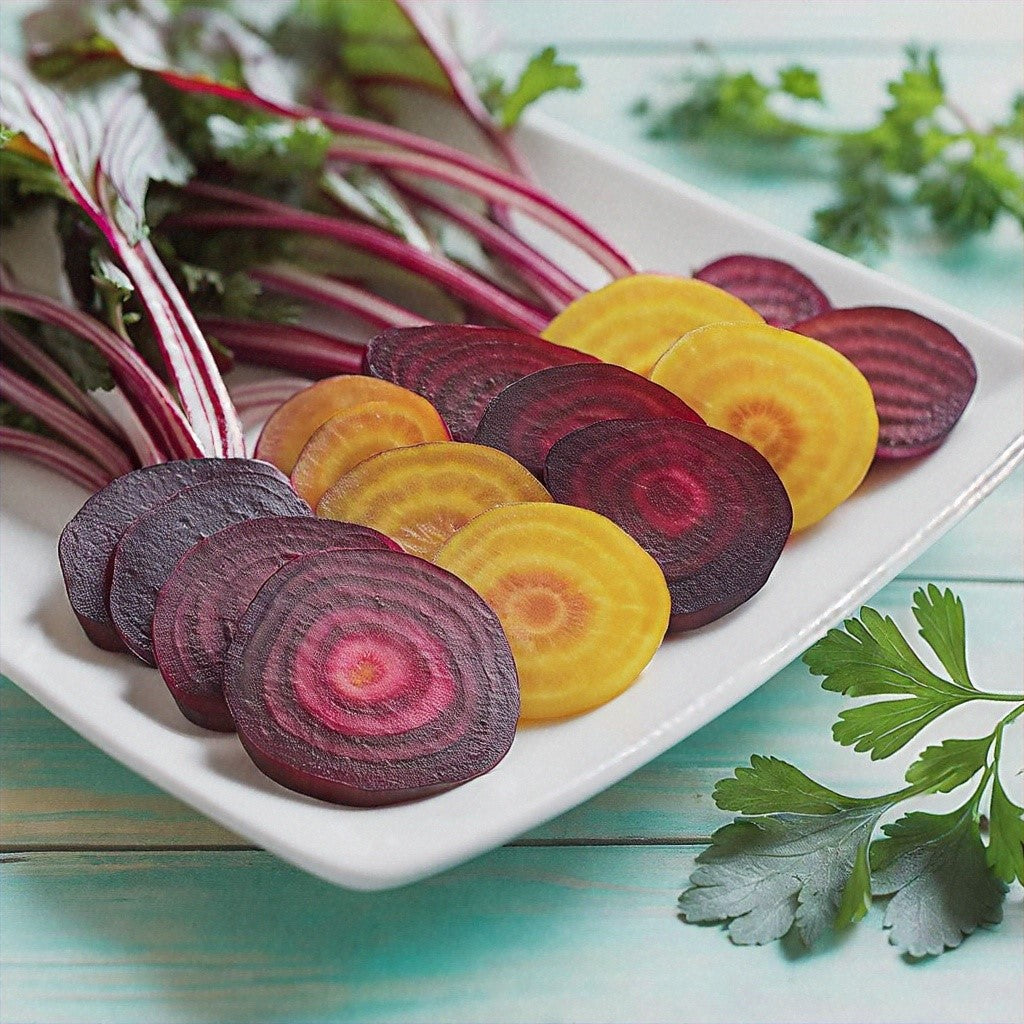
Organic ‘Biomix’ beet mix (Beta vulgaris) contains beets whose composition, colours, shapes, and proportions may vary from one sowing to another. Approximately 100 organic seeds allow several sowing dates and reveal the actual diversity at harvest without guaranteeing one precise combination. Roots may be roasted, steamed, pickled, added to soups, or grated into salads. Young leaves and stalks are also edible when sound. This biennial is normally harvested as an annual vegetable during its first season. Growing several plants together lets the garden display the mix as it truly develops rather than promising named cultivars that are not specified.
Direct-sow two to four weeks before last frost as soon as soil can be worked. Place clusters approximately 1 or 2 cm deep, keep the seedbed moist, and thin groups of seedlings with scissors. Retain approximately 7 to 10 cm between plants intended for roots. Choose sun or bright partial shade, then prepare deep loose stone-free soil enriched with mature compost and drained well. Avoid fresh manure, unnecessary transplanting, and excess nitrogen. Steady moisture supports tender roots, while prolonged dry periods may slow enlargement or increase cracking. Make additional sowings only while enough cool-season time remains before hard freezing.
Begin inspecting shoulders as root shoulders begin to enlarge without treating that number as a guarantee shared by every root in the mix. Lift one sample while soil is slightly moist and harvest each root according to diameter and tenderness before texture becomes fibrous. Trim tops while leaving a short stem, keep roots shaded, and refrigerate both portions separately. Monitor leaf miners, slugs, Cercospora leaf spot, and damage associated with irregular watering. Successive sowings every two or three weeks extend harvest and allow the diversity obtained at different dates to be compared. Discard any root or leaf showing rot, contamination, or uncertain storage history.

Sowing guide
It all startswith a seed.
Sowing depth
Approximately 1 to 2 cm (3/8 to 3/4 in)
Spacing / density
Thin to approximately 7 to 10 cm (3 to 4 in)
Germination temperature
Cool soil at least approximately 5 to 10°C
Germination time
Approximately 5 to 14 days depending on temperature
Sowing period
Direct-sow 2 to 4 weeks before last frost, then make successive sowings through midsummer
Propagation
Direct sowing
Growing method
Direct-sow ‘Biomix’ two to four weeks before last frost as soon as soil can be worked. Loosen ground deeply, remove stones, and make furrows 1 to 2 cm deep. Space clusters, cover, and water gently. Every cluster may produce several seedlings. Once first true leaves appear, thin with scissors to approximately 7 to 10 cm without pulling neighbouring roots. Keep soil moist with deep irrigation and light mulch. Remove only several young outer leaves when good roots are also desired. Make successive sowings every two or three weeks through midsummer. Monitor leaf miners, Cercospora leaf spot, slugs, and uneven growth. Once roots reach 3 to 7 cm depending on use, lift them from moist soil. Trim tops while leaving a short stem and cool roots and leaves separately. For fall harvest, use light row cover. Record actual diameter and growing time so later harvests can reflect the diversity observed. Identify the row as ‘Biomix’ so successive sowings remain easy to distinguish. Inspect both leaf surfaces weekly. When tops grow without root enlargement, check spacing, light, and nitrogen before adding anything. Harvest into shade, clean tools after diseased plants, and keep top and root batches separate. Keep every row clearly labelled and maintain steady moisture while varied roots enlarge.
Soil and care
The right care,at the right time.
Soil pH
Approximately 6.0 to 8.0
Care level
Easy
Watering
Keep soil evenly moist from germination through full root enlargement. Water deeply at soil level as the surface begins drying. Alternating drought and excess water may slow growth or split varied roots. After thinning, mulch lightly without covering the crown. In containers, check moisture daily during hot periods, irrigate slowly until excess drains, and always empty saucers after watering or rain. Reduce watering only briefly before lifting when soil is saturated.
Soil type
Prepare deep loose fine stone-free soil so varied roots can enlarge without deformation. Incorporate well-matured compost to improve structure and water retention, but avoid fresh manure. Ground should remain moist while draining excess water promptly; prolonged saturation increases risks of rot and oxygen stress. In clay soil, use a raised bed or loosen a sufficiently deep layer. Do not compact the bed after sowing. A pH of approximately 6.0 to 8.0 generally suits beets, although a soil test should guide needed corrections. Rotate away from related beet and chard crops when foliar disease has been significant.
Fertilization
Incorporate mature compost before sowing to improve soil structure and water retention. In poor ground, apply moderate balanced organic feeding according to soil-test results. Avoid heavy nitrogen, which mainly favours tops, fresh manure that may deform roots, and concentrated fertilizer applied to dry soil. Water after a labelled granular application and keep fertilizer from touching emerging seedlings. More feeding does not compensate for overcrowding, poor light, or compacted soil.
Moisture
Beet prefers steady root-zone moisture with good airflow among tops. Avoid saturated soil and evening irrigation on foliage. Water at soil level in the morning, space plants correctly, and remove heavily spotted leaves to reduce conditions favouring foliar disease.
Seasonal care
In late winter, inspect seed and prepare a rotated plot away from sectors with substantial leaf spots. In early spring, loosen soil deeply, remove stones, and incorporate mature compost. Sow 1 or 2 cm deep as soon as ground can be worked. Keep the surface moist until emergence, then thin seedling groups with scissors to 7 to 10 cm. Mulch lightly. During cool spring weather, monitor leaf miners and remove few tops. Make successive sowings every two or three weeks. In early summer, irrigate deeply, remove spotted leaves, and clean tools. During heat waves, check moisture more often and avoid large water swings. In midsummer, sow a row for fall. Begin measuring roots when their shoulders become visible. Harvest by diameter, trim tops, and cool separately. In fall, use row cover during cold nights, ventilate on mild days, and harvest before soil freezes. After the season, compost only healthy tissue, clean containers, and record sowing, thinning, pests, diameter, and yield to improve the next schedule. Retain exact cultivar labels on every row. In containers, rotate pots for balanced light, empty saucers, and check moisture daily during heat waves. After harvesting tops, allow new leaves before another cut. When nights remain mild beneath cover, ventilate to prevent condensation. Keep culinary tops separate from leaves removed for disease. Sanitize harvest containers and store unused seed cool, dry, and clearly labelled. Before the next sowing, compare diameter, tenderness, watering, pests, and the dates that produced the most even harvest. Keep those observations with the seed label for future planning.
Container growing
A garden,within reach.
Recommended pot size
At least 25 to 30 cm (10 to 12 in) deep
Choose a container at least 25 to 30 cm (10 to 12 in) deep with many drainage holes. Fill with loose fertile well-drained mix free of large clods. Sow clusters 1 or 2 cm deep, then thin with scissors to 7 to 10 cm. Place in sun or bright partial shade. Keep mix evenly moist; during heat, check daily and always empty the saucer. Mulch lightly without covering the crown. Avoid nitrogen-rich feeding that favours tops over roots. Inspect leaves for miners and spots. Remove few tops when full roots are desired. Begin checking diameter as roots enlarge, then harvest according to observed size. Lift gently rather than pulling by leaves. For fall, move the pot beside a sheltered wall or use row cover. After harvest, clean the container, compost only healthy tissue, and renew mix before another beet crop. Keep roots shaded and cool promptly. After heavy rain, verify drainage and keep mulch from covering root shoulders. When the container fills with tops, thin plants instead of feeding more. Record diameter and harvest date to improve the next sowing. Keep pots away from crops with substantial leaf disease and clean tools before lifting roots. After each harvest, cool sound tops promptly and keep lifted roots shaded until refrigeration.

Bloom and dimensions
Its place,in your garden.
Mature height
Approximately 30 to 45 cm (12 to 18 in) including tops
Width / spread
Approximately 20 to 30 cm (8 to 12 in)
Flower color
Inconspicuous green
Foliage color
Green with red to purple veins
Foliage type
Deciduous, harvested as an annual vegetable
Growth rate
Fast
Growth habit
Upright rosette above a root whose shape may vary
Fragrance
Mild, earthy, and slightly sweet after cooking
Bloom period
Beet is biennial, but the ‘Biomix’ mixture is normally harvested as a root vegetable during its first season. When a sound root overwinters and receives a cold period, a branched flower stalk may appear in the second year. It carries small inconspicuous greenish flowers. Bolting generally makes roots and leaves less tender. To favour culinary harvest, remove any premature stalk and maintain steady moisture throughout root enlargement.
Fruiting
During their second year, some beets in the mix can flower and form seed clusters containing several seeds. This stage is not required for harvesting roots and tops. To collect seed where permitted, allow a few healthy plants to complete their cycle, gather stalks in dry weather, and finish drying away from moisture. The mixture’s composition and the fidelity of resulting plants are not assured when the included cultivars are unknown or adequate isolation from other flowering beet and chard is not maintained.
Days to maturity
Timing varies among roots in the mix; harvest according to diameter and tenderness
Harvest
Begin checking as roots enlarge; harvest each plant according to diameter and tenderness
Garden associations
In goodcompany.
Companion plants
No specific companion plant is confirmed for this product. ‘Biomix’ can nevertheless grow near vegetables that prefer loose, consistently moist, well-drained soil when enough room remains for its roots and tops. Low crops harvested quickly may share the bed without shading the beets. Maintain 7–10 cm between beet plants, preserve good airflow, and water every crop according to its needs. Companion planting does not replace rotation, weeding, or monitoring for leaf miners and foliar spots. Results may vary with soil, weather, and garden layout. Thin or move neighbouring plants when they begin to restrict light, airflow, root space, or access for harvesting.
Recipe idea
From the gardento your plate.
Edible parts
Roots, young leaves, and stalks
Roasted ‘Biomix’ beets with sautéed tops — Preheat the oven to 200°C (400°F). Rinse six small sound beets, trim tops while leaving approximately 2 cm of stem, then retain only healthy leaves. Wrap roots in foil or place in a covered dish with one tablespoon water. Cook for 35 to 60 minutes depending on diameter until a knife enters easily. Cool slightly, peel, and cut. Meanwhile, rinse tops, chop stalks, and cook them in a skillet with one tablespoon oil for three minutes. Add leaves and continue until tender. Season separately. Use only tissue free from spots, rot, or contamination. Refrigerate leftovers within two hours. This recipe is culinary and makes no medical claim. Anyone following specific dietary restrictions should adapt portions with qualified guidance. Reheat leftovers thoroughly and discard food with an unusual odour or uncertain storage history. Keep roots and tops refrigerated separately before preparation because their storage lives differ.
Frequently asked questions
Your questions,answered.
What kinds of beets can the ‘Biomix’ mixture produce?
‘Biomix’ is sold as a beet mixture, but its precise composition, cultivars, colours, shapes, and proportions are not guaranteed. Grow several plants and discover the actual diversity at harvest. Label rows by sowing date, then compare every root by exterior colour, flesh, shape, diameter, texture, and number of days. These observations make the experience more interesting without implying that every seed will produce the same result. Deep loose stone-free soil, thinning to 7 or 10 cm, and steady moisture support each plant in the mixture. Harvest roots individually as they reach a tender useful size rather than waiting for the entire row to look identical.
Why do several seedlings emerge from one beet cluster?
A beet “seed” is often a corky cluster containing several flowers and potential seeds. Two or more seedlings may therefore emerge in one place. Wait for first true leaves, then use small clean scissors to cut excess seedlings at soil level. Retain the strongest and space plants approximately 7 to 10 cm apart for roots. Pulling seedlings may disturb neighbouring roots and deform the crop. Water after thinning and keep soil moist. Cut young leaves may be used only when healthy, clean, and sufficiently developed. Do not compensate for an overcrowded row with more fertilizer: space and light are essential. Record cluster emergence when evaluating germination so several seedlings are not counted as several sown units.
When is ‘Biomix’ beet ready to harvest?
Begin checking as root shoulders begin to enlarge, then harvest each root according to desired diameter and texture. Expose one root shoulder gently without injuring it. Small roots are often tender; lift one sample while soil is slightly moist and taste it before harvesting more. Plants in a mixture may progress at different rates. A root left too long may become fibrous, while dry ground slows enlargement. After harvest, trim tops while leaving a short stem, keep roots shaded, and cool both portions separately. Record the date, diameter, and texture to adjust later sowings without treating the day count as a guarantee shared by every plant.
Can beet tops be harvested without harming the roots?
Yes, in moderation. Wait until plants are established, then cut one or two young outer leaves per plant with clean scissors. Always retain most foliage and the centre because leaves produce energy required for root enlargement. Repeated or severe defoliation delays harvest. Choose only healthy leaves free from miners, spots, rot, or contamination. Rinse and use promptly because tops store for less time than roots. When the main goal is a large beet, reduce leaf removal. After heat, drought, or disease, wait for new growth before harvesting again. Keep culinary tops separate from leaves removed solely for pest or disease control, and refrigerate sound leaves promptly.
How should beet roots and tops be stored after harvest?
Separate tops from roots at harvest while leaving approximately 2 cm of stem without cutting the root itself. This limits water loss. Place clean tops in a ventilated refrigerator container and use them within several days. Brush soil from roots gently without injury; wash immediately before use when storing them for a longer period. Keep roots cold at high humidity in a perforated or suitable container. Under good conditions, sound roots may keep for several weeks or longer, but actual duration depends on temperature, humidity, and initial quality. Discard any soft, mouldy, rotting, or contaminated root, and check stored produce regularly so deteriorating roots can be removed promptly.
Wildlife and pets
Life,around your plants.
Supporting wildlife
Organic ‘Biomix’ beet mix is grown primarily for harvest. When several plants reach bloom, their flowers may receive small bees, hoverflies, and other insects. This contribution remains secondary and varies with flowering duration, weather, and neighbouring crops. Avoid treatments while insects are actively visiting and retain only healthy flowering specimens away from the main harvest.
For a great start to your seeds
The right extras.Right here.
Platters, pots and domes
Shop the collection
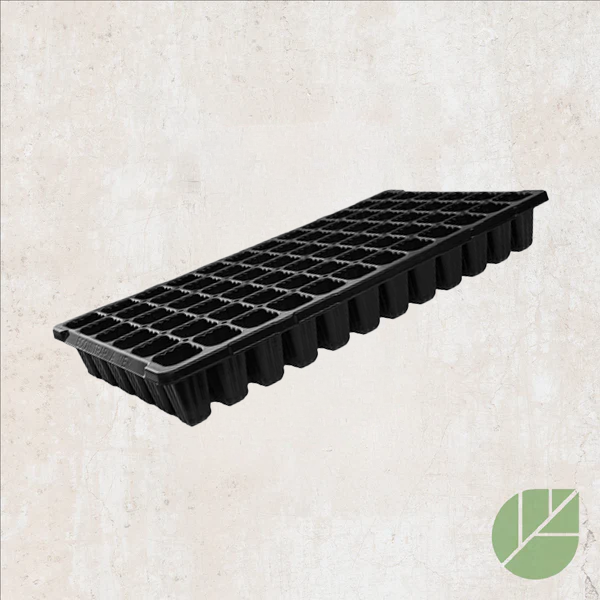
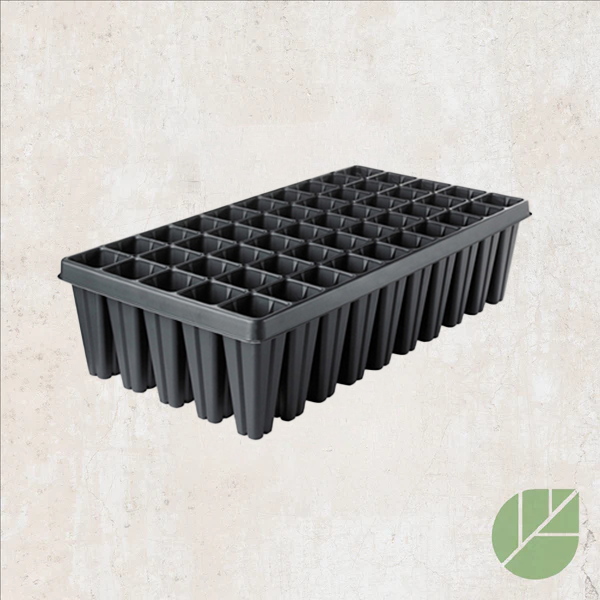
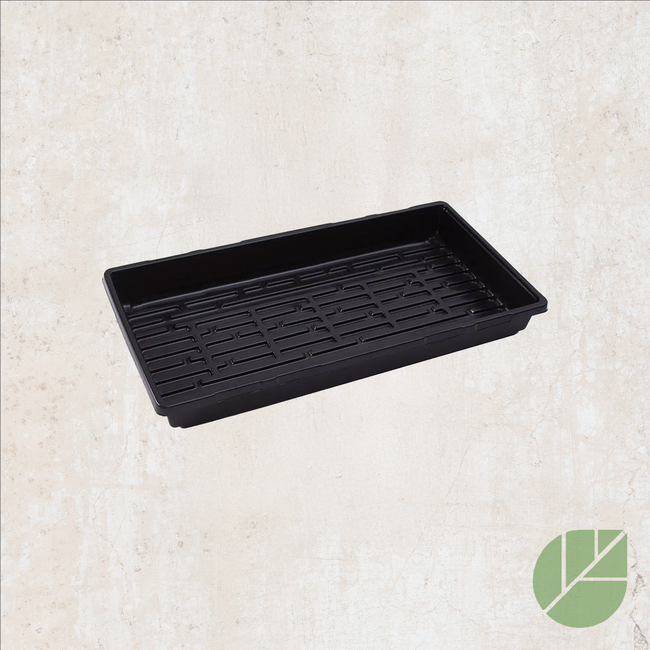
Seed Starting Soil
Shop the collectionSeed starting supplies
Shop the collection




