Sale
Sold out

Fruiting vegetable
Solanaceae
Organic fruiting vegetable seeds
Organic 'Aurora' hot pepper
Capsicum annuum
Product code : BIOVO-0070
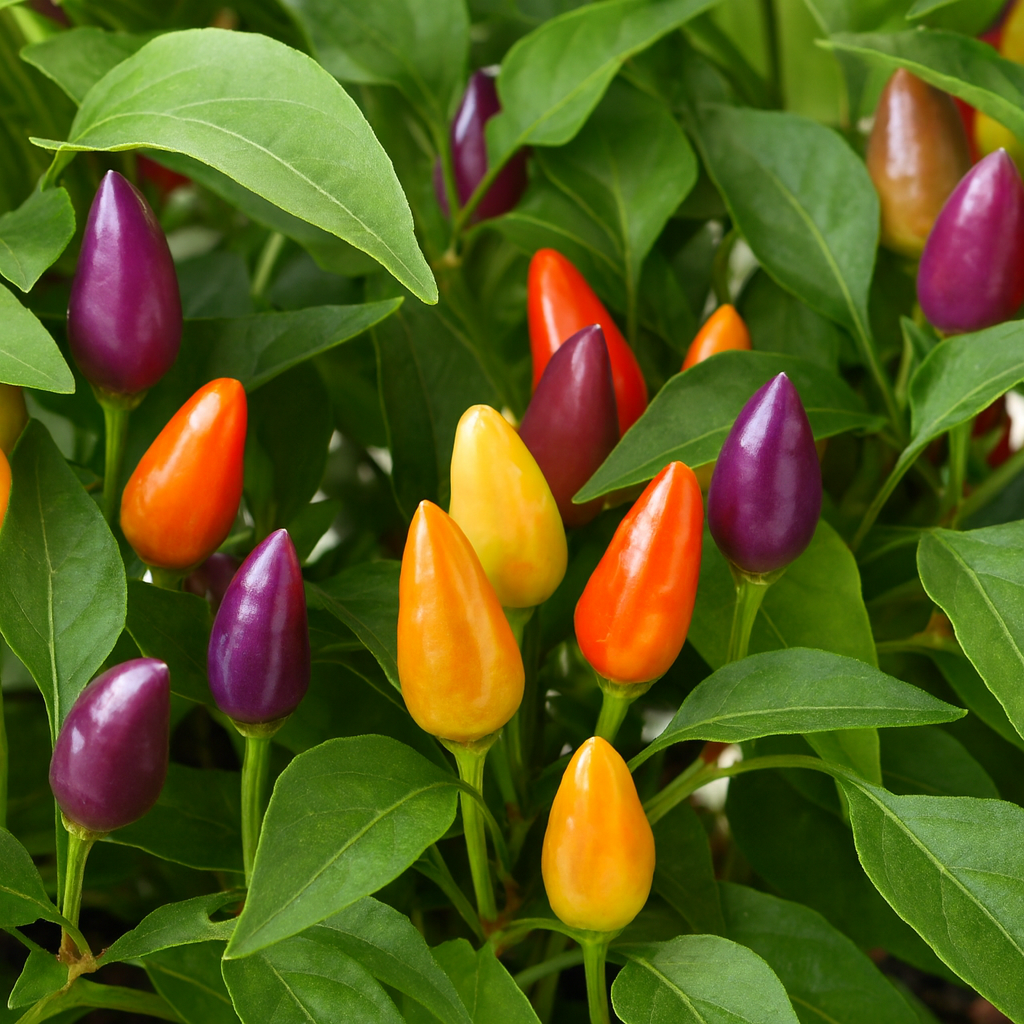
'Aurora' is a compact ornamental Capsicum annuum pepper producing small tapered fruit held upright above the foliage. Colour changes from lavender or purple through orange and then red, so several shades may appear simultaneously. Plants generally reach approximately 25 to 38 cm (10 to 15 in) and particularly suit pots, borders, and small urban gardens. Fruit is hot despite its decorative appearance, so always taste a minute portion before cooking. In your region, an early indoor start, abundant light, and a warm location support a long colourful display. This organic seed combines manageable size, visual interest, and a specialized culinary harvest that must be labelled clearly.
- Exposure
- Sun
- Life cycle
- Annual
Discover the plant
Common name'Aurora' ornamental hot pepper
FamilySolanaceae
GenusCapsicum
Speciesannuum
CultivarAurora
TypeFruiting vegetable
Botanical nameCapsicum annuum
Organic 'Aurora' hot pepper (Capsicum annuum) is a compact ornamental cultivar carrying small tapered fruit upright above its foliage. Several colours can appear simultaneously on one plant as peppers change from lavender or purple through orange and finally red at full maturity. Green foliage may also show purple tones. Generally reaching approximately 25 to 38 cm (10 to 15 in), 'Aurora' suits containers, borders, and small spaces. Fruit is hot despite its decorative appearance; intensity can vary and should be assessed cautiously before any culinary use. This organic seed provides a vivid seasonal display in a manageable plant size.
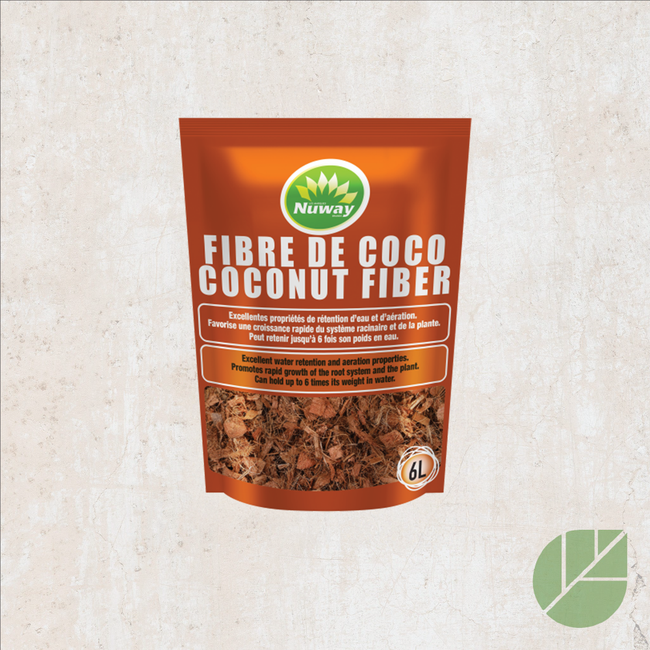
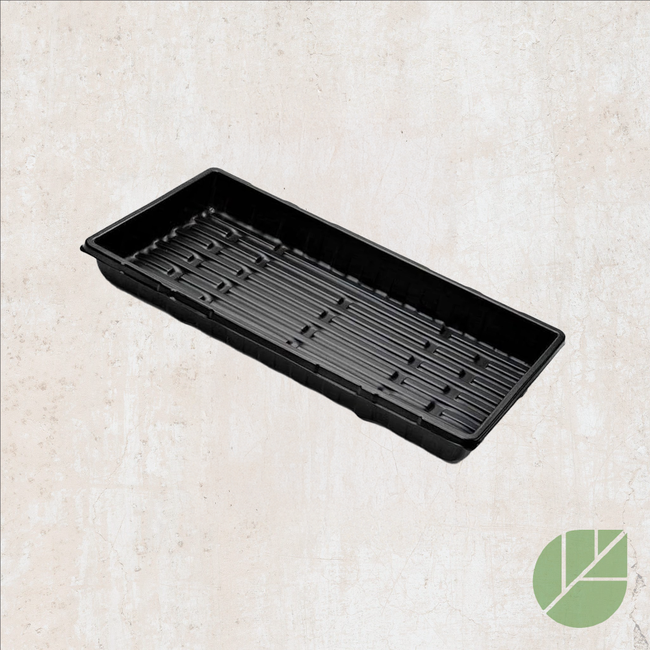
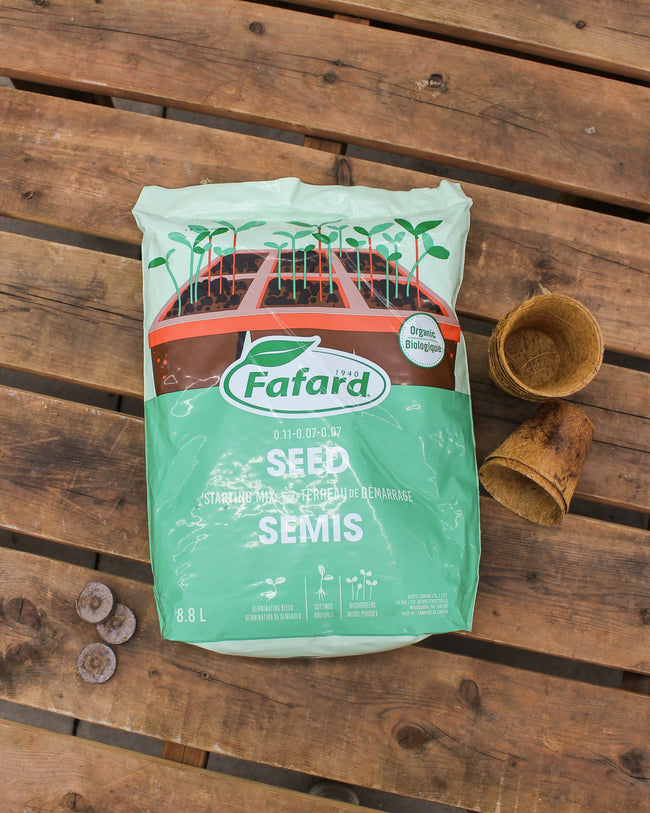
Start seed indoors eight to ten weeks before the last frost, approximately 5 or 6 mm (1/4 in) deep. Keep clean starting mix warm and lightly moist until emergence, then provide intense light to preserve a compact habit. Pot on when plants are well established and harden them gradually. Transplant only when nights are mild into a site receiving at least six to eight hours of sun. Fertile well-drained soil, deep watering when the surface begins to dry, and moderate fertilizer support flowering and colour development. Avoid excess nitrogen, which promotes foliage at the expense of fruit. In containers, check moisture daily during hot windy weather.
Place 'Aurora' beside a path or on a patio where its colour sequence can be observed, but label the plant clearly so fruit is not mistaken for harmless decoration. Harvest at different stages to study colour or wait for full red maturity. A small quantity can add heat to salsa, stir-fry, or sauce. Fruit can also be dried with a controlled food-safe method and then made into flakes. Wear gloves if your skin reacts to hot peppers, avoid touching your eyes, and taste only a minute portion before seasoning an entire dish. Keep harvested peppers and prepared flakes clearly labelled and beyond the reach of young children.

Sowing guide
It all startswith a seed.
Sowing depth
5 to 6 mm (approximately 1/4 in)
Spacing / density
Space approximately 45 to 60 cm (18 to 24 in) apart
Germination temperature
Approximately 24 to 29 °C (75 to 85 °F)
Germination time
Approximately 10 to 14 days at 21–29°C; cooler media can extend emergence to about three weeks.
Sowing period
Indoors, 8 to 10 weeks before the last frost
Propagation
Seed
Growing method
Growing 'Aurora' hot pepper from seed. Sow indoors eight to ten weeks before the last frost, 5 or 6 mm (1/4 in) deep in clean, lightly moist starting mix. For 'Aurora' indoor sowing, follow the frost-relative timing above. After germination, give 'Aurora' strong light and gentle airflow while keeping the young root zone evenly moist. A pepper seedling needs strong light, gentle airflow, and an evenly moist root zone without standing water. If a seed harvest from the pepper plant is planned, retain the cultivar label and consult crop-specific isolation guidance; vegetable harvest directions alone are not sufficient. Water at soil level when the upper root zone begins drying, maintaining even moisture through fruit development. Plan around the way the crop grows: compact, dense, upright, and branching. Keep access to the root zone for watering and inspection. Harden plants gradually to sun, wind, and cooler air, bringing them back under cover if frost threatens. After emergence, move seedlings immediately under strong light with gentle airflow so stems remain sturdy. At final planting, space this pepper approximately 45 to 60 cm (18 to 24 in) apart; crowding extra plants reduces access. Mulch only after the ground has warmed, and keep the material away from the stem. Give the pepper plant sun, and keep water from collecting around the crown or container base. After late-season rain or wind, confirm drainage and support while preserving healthy foliage needed to finish ripening. Clip the crop at the intended colour, supporting loaded branches with the other hand. Gloves and clear labels protect the kitchen workflow, while a frost forecast determines when remaining usable fruit must come inside.
Soil and care
The right care,at the right time.
Soil pH
Approximately 6.0 to 6.8
Minimum temperature
12 °C (54 °F)
Care level
Moderate
Watering
Water deeply when the soil surface begins to dry, then allow excess water to drain away. Even moisture supports flowering, fruit set, and consistent fruit colour. Avoid waterlogged roots and repeated swings between severe dryness and saturation. Check containers more often during hot or windy weather because they dry quickly. Apply water at soil level whenever practical so foliage stays relatively dry and air circulation remains good.
Soil type
This plant prefers fertile, light, well-drained soil that holds even moisture without remaining waterlogged. Before planting, incorporate a moderate amount of mature compost. In a container, choose a quality vegetable potting mix and a pot of at least 10 to 15 L with drainage holes. Slightly acidic to neutral soil suits it well. Avoid compacted ground and saucers that remain continuously filled with water.
Fertilization
Incorporate mature compost before planting, then apply balanced fertilizer for fruiting vegetables according to label directions and, ideally, a soil test. Avoid excess nitrogen, which promotes foliage at the expense of blossoms and fruit. In containers, divide applications into smaller doses because frequent watering leaches nutrients more quickly. Water dry potting mix before fertilizing and reduce feeding if growth becomes overly leafy.
Moisture
Consistent soil moisture without saturation; good air circulation around the foliage.
Seasonal care
Seasonal care for 'Aurora' hot pepper. 'Aurora' hot pepper begins with season-aware timing—indoors, 8 to 10 weeks before the last frost—so compare that guidance with the actual spring or autumn at your site. Sow 5 to 6 mm deep and allow 10 to 14 days for emergence at approximately 24 to 29 °C (75 to 85 °F), then move seedlings promptly into strong light as soon as they appear. After emergence, give 'Aurora' seedlings bright light and gentle air movement; pot on before roots circle densely, without burying a weak stem in wet mix. Harden the plants gradually, then transplant only after frost risk has passed, the soil is warm, and nights remain consistently mild. Choose full sun and loose fertile soil, mixing in mature compost while preserving drainage around the crown. Judge irrigation by moisture below the surface, not by a weekly schedule, and keep late-day water off the foliage. If potted, follow this provision for 'Aurora' hot pepper: approximately 10 to 15 L, at least 25 to 30 cm (10 to 12 in) in diameter. Recheck root-zone moisture whenever heat or wind increases evaporation. During flowering, inspect 'Aurora' foliage for pests, maintain airflow, and avoid excess nitrogen, which can favour leafy growth over flower set and fruit ripening. Follow the supplied harvest guidance—75 to 85 days after transplanting—while remembering that warmth and light still determine how quickly each fruit reaches its final stage. When 'Aurora' fruit begins colouring, handle it with gloves until the actual heat is known and label green and fully ripe harvests separately. Before the first autumn frost, move portable pots under protection or collect sound developed fruit, then remove diseased debris from the growing area.
Container growing
A garden,within reach.
Recommended pot size
Approximately 10 to 15 L, at least 25 to 30 cm (10 to 12 in) in diameter
Growing 'Aurora' hot pepper in containers. For 'Aurora', choose a container matching this guide: approximately 10 to 15 L, at least 25 to 30 cm (10 to 12 in) in diameter. Keep several drainage holes unobstructed. Fill the container with fresh, airy vegetable potting mix amended modestly with mature compost, never dense garden soil. 'Aurora' hot pepper produces the expected harvest form: small tapered fruit held upright above the foliage. Protect the developing crop from soil splash and rough handling. Feed at a modest labelled rate after watering. Excess nitrogen can delay flowering and ripening while encouraging leafy growth. Choose a position for the crop with sun without sacrificing airflow or watering access. Water slowly when the upper mix begins drying, continue until surplus drains, and empty the saucer. The spacing guidance for the pepper plant is approximately 45 to 60 cm (18 to 24 in) apart; use it when balancing airflow with the available growing area. Check moisture daily during hot or windy periods, using pot weight and the root zone rather than a rigid schedule. Leave this pepper open to light, airflow, and watering at soil level. Its growth is compact, dense, upright, and branching. Prevent soil splash on lower leaves, fasten stems without constriction, and keep flower clusters and developing fruit easy to inspect. As nights cool, let the rate of mix drying guide watering, and inspect leaf undersides before sheltering the container. Complete the harvest as cold nights approach, retaining only sound fruit. A container brought under cover needs useful light, warmth, and a short isolation period for pest inspection.

Bloom and dimensions
Its place,in your garden.
Mature height
Approximately 25 to 38 cm (10 to 15 in)
Width / spread
Approximately 25 to 40 cm (10 to 16 in)
Flower color
White to greenish white
Foliage color
Green, sometimes purple-tinged
Foliage type
Herbaceous
Growth rate
Fast
Growth habit
Compact, dense, upright, and branching
Bloom period
Small, inconspicuous blossoms appear during warm weather when the plant receives enough sunlight. Depending on conditions, they may show pale or purple tones and are followed by upright fruit. Excessive heat, drought stress, or too much nitrogen can cause blossom drop. Maintain even moisture, moderate feeding, and good air circulation to support fruit set and the colourful display that follows throughout the season.
Fruiting
Small, tapered fruit stands upright above the foliage and ripens through several stages. Peppers change from lavender or deep purple to yellow or orange and finally red, often displaying several colours on one plant. Fruit remains decorative for a long period when left unpicked. Its small size does not mean it is mild, so handle it as a hot pepper and keep the plant clearly identified around children and visitors.
Harvest
75 to 85 days after transplanting
Garden associations
In goodcompany.
Companion plants
Basil, parsley, oregano, or chives can occupy nearby space around 'Aurora' when they do not shade the pepper. Give the pepper plant enough sun and airflow as branches begin carrying fruit. Rotate 'Aurora' hot pepper with crops outside the nightshade family; nearby herbs do not interrupt a soil-borne disease cycle. Remove any neighbour that begins competing for light, moisture, airflow, or harvest access. In the 'Aurora' planting, keep access open to the small tapered fruit held upright above the foliage so gloves, labels, and clean harvest containers can be used without brushing other crops. Use companion planting to organize succession and diversity, not as a substitute for sound crop care. Reassess the arrangement around 'Aurora' as both crops approach mature size.
Plants to avoid
Fennel
Recipe idea
From the gardento your plate.
Edible parts
Fruit, after appropriate culinary preparation
'Aurora' hot pepper in the kitchen. To prepare a small amount of 'Aurora' flakes, harvest only sound, well-coloured fruit. Wear gloves, protect your eyes, and work in a very well-ventilated area. Wash peppers, remove stems, and follow food-dehydrator instructions for small hot peppers; never grind fruit that remains moist. Avoid inhaling vapours or particles. When peppers are completely dry and brittle, let them cool, then crumble them cautiously inside a closed container instead of in open air. Label the jar with the cultivar name and a clear heat warning. Use only a pinch in sauce, soup, or stir-fry, then adjust after tasting. Clean the dehydrator, gloves, tools, and surfaces separately. Keep flakes dry and beyond the reach of children and animals, and discard any preparation showing unusual moisture or odour. Store the sealed jar in a cool dark cupboard and check periodically for condensation. If any moisture returns, do not consume the flakes. Wash hands with soap after removing gloves, and never use the same grinder for mild spices unless it has been thoroughly cleaned.
Frequently asked questions
Your questions,answered.
When should 'Aurora' pepper be sown in your region?
Sow 'Aurora' indoors about eight to ten weeks before the expected last frost rather than placing seed into cold spring ground. Bury each seed only 5–6 mm in a clean starting mix and maintain approximately 24–29°C. Germination can take 10 to 14 days, depending on warmth and the seed lot, so use gentle bottom warmth if needed and keep moisture even, not saturated. Once the seedlings emerge, strong light is more important than continued excessive heat; turn the tray so the compact plants remain balanced. Move rooted seedlings into individual pots before they become crowded. Harden them outdoors in gradually longer sessions for about one week. Transplant after all frost risk has passed and nights remain mild, setting the compact plants 45–60 cm apart or into their final containers. Shelter them from abrupt cold during establishment.
Why does 'Aurora' display several colours at once?
Fruit does not ripen all at the same time. Each pepper follows a sequence that may begin lavender or purple, move through orange, and finish red. A loaded plant therefore carries several stages simultaneously, creating its characteristic multicolour effect. The exact sequence and strength of each shade can vary with light, temperature, and individual fruit, so a perfectly uniform palette should not be expected. Abundant light helps display colour, while temperatures that are too cool slow ripening. Photograph the plant weekly to follow development and harvest only sound, firm, properly developed peppers. Colour is decorative but does not indicate that the fruit is mild.
Is 'Aurora' pepper only ornamental?
No. 'Aurora' is primarily valued for its compact plant and multicolour fruit, but the peppers are genuine hot fruit and may be used cautiously in cooking. Small size and variable heat make them better suited to measured seasoning than eating like a sweet pepper. Begin with a minute cooked portion in salsa, sauce, or stir-fry. Completely dried fruit can also become flakes through a controlled food-safe method. Wear gloves if your skin is sensitive, avoid touching your eyes, and label both the plant and preparations clearly. Never allow attractive colour to suggest to children or visitors that the fruit is harmless. Keep harvested peppers beyond their reach.
What container suits 'Aurora' pepper?
Choose a stable container of approximately 10 to 15 L, at least 25 to 30 cm (10 to 12 in) in diameter, with several drainage holes. Fill it with airy vegetable potting mix amended with a little compost. Place the pot in full sun in a warm sheltered location. Water slowly when the surface begins to dry, then empty any water collected in the saucer. Check moisture daily during heat waves because a small volume dries quickly. Fertilize moderately after fruit set and rotate the pot when light comes mainly from one side. Label the plant clearly and move the container temporarily under protection when nights become cold. Do not treat the plant as frost hardy.
When should 'Aurora' fruit be harvested?
Fruit may be observed and harvested at several colour stages, but it reaches advanced maturity when red. For culinary use, choose firm peppers without soft areas, major cracks, or decay. Cut the stem with clean small scissors instead of pulling the fruit. Separate harvests by colour when you want to compare flavour and intensity cautiously. Before the first cold nights, pick peppers that have reached a useful size and move the container under protection when needed. Wear gloves if your skin is sensitive, then refrigerate fruit or dry it promptly with a suitable food-safe method. Label every batch because colour does not reliably indicate heat.
Wildlife and pets
Life,around your plants.
Supporting wildlife
Aurora bears small self-fertile pepper flowers through warm weather. Wind and normal flower movement can release pollen without insects, while visiting bumblebees or other bees may improve pollen transfer outdoors. The plant should still be considered a fruit crop, not a major forage species. Avoid spraying open blooms when visitors are active and provide diverse flowers nearby.
For a great start to your seeds
The right extras.Right here.
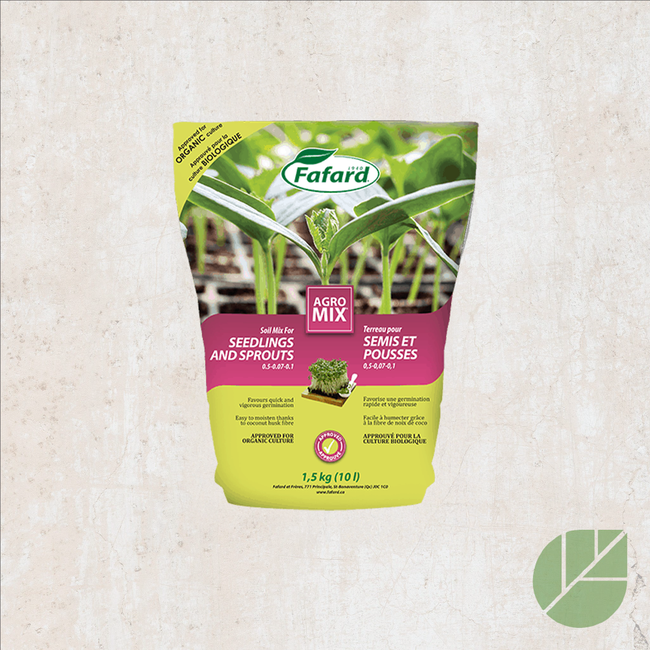
Seed Starting Soil
Shop the collectionSeed starting supplies
Shop the collection