Sale
Sold out

Compact root vegetable
Apiaceae
Organic root vegetable seeds
Organic ‘Bollin’ carrot
Daucus carota subsp. sativus
Product code : BIOVO-0015
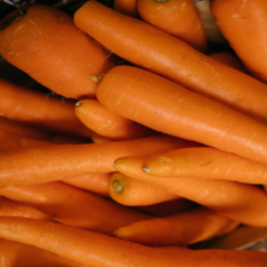
Organic Bollin carrot forms long orange Nantes-type roots measuring approximately 15 to 20 cm. Crisp, mildly sweet flesh suits raw dishes as well as cooked preparations. This product contains approximately 250 organic seeds and matures around 75 days after direct sowing. Sow in deep, loose, stone-free, well-drained soil and keep the surface moist through emergence. Thin carefully to 5.1 cm for adequate root space, then water regularly to reduce fibrous texture and cracking. Observe shoulder diameter and lift one test root before harvesting the entire row. Deep containers can work when the mix stays loose and drainage remains reliable throughout the crop cycle.
- Quantity
- Approximately 250 organic seeds
- Exposure
- Sun
- Life cycle
- Biennial grown as an annual crop
Discover the plant
Common nameBollin carrot
FamilyApiaceae
GenusDaucus
Speciescarota subsp. sativus
CultivarBollin
TypeCompact root vegetable
Botanical nameDaucus carota subsp. sativus
Reproducible seedsYes
Organic ‘Bollin’ carrot (Daucus carota subsp. sativus) is an orange Nantes-type carrot valued for good storage potential. Elongated roots commonly reach 15 to 20 cm and provide crisp texture with mild flavour. This product contains approximately 250 organic seeds. Maturity occurs around 75 days after direct sowing. The reference germination rate is 85%, although results can vary with seed freshness, temperature, and moisture. Final spacing of 5.1 cm between carrots and 30.5 cm between rows supports even roots that are easy to harvest. Deep loose soil is especially important because stones and compaction can distort the developing taproot.
Direct-sow as soon as soil can be worked because transplanting easily distorts the taproot. Prepare light, deep, loose, stone-free, well-drained soil. Place seeds approximately 6 to 12 mm deep and about 2.5 cm apart, then keep the surface moist until emergence. Thin gradually to 5.1 cm so roots have enough room to develop. Weed shallowly to avoid damaging young carrots and maintain even moisture without saturation. Avoid fresh manure and excess nitrogen, which can promote forked roots or excessive foliage. Succession sowings can spread the harvest over a longer period. Label each row with its sowing date and thin before roots begin crowding one another.
Begin checking roots around 75 days after sowing. Harvest when they reach the desired size and show a well-developed orange colour. Loosen soil with a fork before pulling to reduce breakage. Remove tops promptly, cool sound roots, and use split or damaged carrots first. Bollin may be eaten raw, roasted, glazed, steamed, or added to soups. Rosemary and sage can accompany carrots in a diversified vegetable garden, but their presence does not replace direct monitoring for carrot fly. For longer storage, keep only sound roots in cool, humid conditions, inspect them regularly, and remove any carrot that develops soft rot, mould, or extensive decay.

Sowing guide
It all startswith a seed.
Sowing depth
Approximately 6 to 12 mm (1/4 to 1/2 in)
Spacing / density
2.5 cm between seeds; thin to 5.1 cm; 30.5 cm between rows
Germination temperature
Approximately 15 to 21°C (59 to 70°F)
Germination time
Approximately 10 to 21 days depending on temperature and moisture
Sowing period
Spring as soon as soil can be worked, then successive sowings through late summer according to the local season
Propagation
Direct sowing only for regular root production
Growing method
Direct-sow as soon as soil can be worked. Loosen at least 30 to 35 cm (14 to 16 in) of soil, remove stones, and incorporate only well-decomposed compost. Make a furrow 6 to 12 mm (1/4 to 1/2 in) deep, distribute seed sparingly, and firm lightly. Keep the surface moist with a gentle spray until emergence, which may require up to three weeks. When crust forms after rain, break it carefully without disturbing seed. Once seedlings reach 8 to 10 cm (3 to 4 in), thin gradually to 5 or 8 cm (2 to 3 in). Water deeply to provide approximately 2.5 cm (1 in) weekly, including rainfall, and weed shallowly. Cover any greening shoulder with a little soil. Make two or three sowings three weeks apart. Harvest when diameter suits your use, loosen with a fork, and remove tops. Record dates, texture, and forked roots to improve the next batch. Cool every harvest promptly and keep rows labelled. Inspect foliage for aster oranges symptoms and remove suspicious plants rather than composting them beside healthy carrots. Keep the surface evenly moist during hot winds. After each thinning, close gaps gently without compacting the remaining roots.
Soil and care
The right care,at the right time.
Soil pH
Approximately 6.0 to 7.0
Minimum temperature
-10°C (14°F)
Care level
Easy
Watering
Keep the surface consistently moist during germination, which may take up to three weeks. Use a fine watering rose so seed is not displaced. After emergence, provide approximately 2.5 cm (1 in) of water weekly, including rainfall, watering deeply when the surface dries. Even moisture supports tender, uniform roots. Alternating drought and excess water can cause bitterness, cracking, or misshapen growth. Check containers more often in hot weather and always let excess water drain away.
Soil type
The ‘Bollin’ carrot prefers deep, light, loose soil completely free of stones. Sandy loam amended with a moderate amount of mature compost lets long roots enlarge without forking. Aim for slightly acidic to neutral soil, around pH 6.0 to 7.0, with reliable drainage. Avoid fresh manure, hard clods, compaction, and surface crusting. In containers, use a fine vegetable mix at least 25 to 30 cm (10 to 12 in) deep and make sure every drainage hole remains open.
Fertilization
Incorporate a moderate amount of mature compost before sowing. Normally fertile soil then needs little additional fertilizer. When a soil test shows a need, choose a balanced low-nitrogen formula and apply it lightly after thinning. Excess nitrogen favours foliage instead of roots, while fresh manure can cause forking. Never apply concentrated fertilizer to dry soil. Correct watering, drainage, crowding, and compaction first when growth slows, because these conditions often limit root development more than nutrients do.
Moisture
Evenly moist soil without saturation
Seasonal care
In spring, prepare light soil and sow as soon as it can be worked. Keep the surface moist through slow germination and prevent soil crusting. After emergence, thin promptly and weed shallowly. Provide approximately 2.5 cm (1 in) of water weekly, including rainfall, adjusting frequency for sandy soil and containers. Mulch lightly after plants establish without covering their centres. In early summer, harvest initial sowings before roots become oversized and make another sowing when the local calendar allows. During heat, monitor moisture more closely and provide light afternoon protection for scorching containers. In late summer, sow one final small batch for autumn. Harvest before a deep freeze, remove tops, and cool roots. Sort broken or diseased carrots for immediate use or disposal. Clean tools and containers, then record emergence, thinning, and harvest dates. During storage, inspect roots regularly and remove any specimen that softens or develops rot. Wash reusable crates and allow them to dry completely. In containers, check moisture daily during windy periods and empty saucers after rain. Compare roots from different sowings to identify the best spacing and calendar. Remove plants showing serious symptoms instead of leaving them in the bed. Keep notes with the rotation plan and change the mix when roots repeatedly show compaction, forking, or poor drainage. Sanitize tools after diseased tissue, wash reusable labels, and never store wet carrots in a sealed unventilated container.
Container growing
A garden,within reach.
Recommended pot size
30 cm (12 in)
Choose a planter or pot at least 30 to 35 cm (14 to 16 in) deep with numerous holes. Fill it with light, stone-free potting mix amended with a moderate amount of mature compost. Do not use heavy garden soil that compacts. Sow 6 to 12 mm (1/4 to 1/2 in) deep, maintain surface moisture, and protect it from drying wind until emergence. Thin to 5 or 8 cm (2 to 3 in), cutting surplus seedlings at soil level when pulling would disturb neighbours. Place the container in sun, then check moisture daily during hot periods. Water slowly until excess drains and empty the saucer. Rotate the pot for balanced light. Cover exposed shoulders, avoid nitrogen-heavy feeding, and harvest one test root at the desired size. After harvest, remove remaining roots, clean the container, and replace mix when disease or serious compaction appeared. Label every sowing and compare how quickly different containers dry. Label the pot with date, spacing, and potting-mix type. After heavy rain, check for surface crust and loosen only the upper few millimetres. Cool roots immediately after separating foliage. Keep harvest tools and containers clean, and compare root shape among pots before reusing the same mix or fertilizer plan.
Bloom and dimensions
Its place,in your garden.
Mature height
Foliage approximately 30 to 45 cm tall
Width / spread
Approximately 2 to 3 cm per root after thinning
Flower color
White, when flowering in the second year
Foliage color
Green
Foliage type
Deciduous
Growth rate
Fast
Growth habit
Rosette of finely divided leaves above a cylindrical blunt-ended root
Bloom period
Bollin, like other carrots, is biennial: it normally forms its storage root in the first year and flowers after a cold period during the second season. For eating, harvest roots before a flower stalk appears because bolting makes them more fibrous. Second-year white umbels attract many insects. When saving seed, isolate plants from other flowering carrots and wild carrot because crossing can alter later generations. Only healthy, correctly shaped roots should be selected for overwintering and seed production.
Fruiting
Bollin forms orange Nantes-type roots measuring approximately 15 to 20 cm. Begin checking shoulder diameter around 75 days after direct sowing. Loose soil, thinning to 5.1 cm, and even moisture support straight roots. Loosen soil before pulling to reduce breakage, remove tops promptly, and use split or marked carrots first. For storage, cool sound roots promptly and keep them under cool, humid conditions. Inspect stored carrots regularly and remove any root showing soft rot or mould.
Days to maturity
Approximately 75 days after direct sowing
Harvest
Approximately 75 days from direct sowing; harvest at the desired diameter when roots are bright orange
Garden associations
In goodcompany.
Companion plants
Rosemary and sage can accompany Bollin in a diversified vegetable garden. Their presence does not provide assured protection from carrot fly. Place each plant according to its own light, soil, and watering needs, then leave enough room to weed and harvest without compacting the bed. Monitor pests directly, use recognized controls when needed, and rotate with crops from other families. Record observations from one season to another instead of attributing every difference in damage to companion planting alone. Observe carefully.
Plants to avoid
Dill, Parsnip
Recipe idea
From the gardento your plate.
Edible parts
Roots; young tops only when clean and correctly identified
Glazed ‘Bollin’ carrots — Wash 500 g small carrots and remove tops. Scrub carefully, peeling only when skin is thick or damaged. Place whole roots in a large pan with 125 mL (1/2 cup) water, 15 mL (1 tbsp) butter or oil, and a small pinch of salt. Cover and simmer for 8 to 12 minutes according to diameter. Remove the lid, add 5 mL (1 tsp) honey, and continue cooking until the liquid forms a light glaze. Check tenderness with a knife tip; roots should remain firm. Add parsley and a little lemon juice when serving. Refrigerate leftovers within two hours. To freeze raw carrots, follow a tested method that includes blanching rather than skipping that step. Use a clean board and keep soil-covered roots separate from ready-to-eat foods. Taste before adding more salt or sweetness. Wash hands before preparation, use a fresh tasting spoon, and cool cooked carrots in a shallow container so refrigeration occurs quickly and evenly.
Frequently asked questions
Your questions,answered.
When and how should Bollin carrot be sown?
Direct-sow as soon as soil can be worked, then repeat two or three times at approximately three-week intervals. Do not transplant carrots because their taproot distorts easily. Prepare light, stone-free soil and place seed 6 to 12 mm (1/4 to 1/2 in) deep. Keep the surface moist for 10 to 21 days and prevent crusting after rain. When seedlings measure 8 to 10 cm (3 to 4 in), thin gradually to 5 or 8 cm (2 to 3 in). Label the row because slow emergence allows weeds to become difficult to distinguish. Use a gentle spray so tiny seed and seedlings are not washed out of position.
Why do carrots become forked or fibrous?
Forked roots often result from compact stony soil, transplanting, fresh manure, or injury early in growth. Loosen soil deeply, remove stones, and direct-sow. Fibrous, bitter, or tough texture is often worsened by insufficient water or late harvest. Provide approximately 2.5 cm (1 in) of water weekly, including rainfall, and avoid extreme changes between drought and saturation. Thin on time to reduce competition. Harvest one test root when shoulders reach the desired size. Record observed defects to distinguish a soil problem from watering or timing. Cover green shoulders with a little soil, but never bury the leaf centre or compact the root zone.
Can Bollin be grown in a container?
Yes. Its cylindrical blunt-ended root suits a planter at least 30 to 35 cm (14 to 16 in) deep, but drainage and texture remain essential. Use light stone-free potting mix instead of compact garden soil. Direct-sow 6 to 12 mm (1/4 to 1/2 in) deep, maintain surface moisture, and thin to 5 or 8 cm (2 to 3 in). Place the container in sun, check moisture daily during hot periods, and always empty the saucer. Cover exposed shoulders with a little mix. Harvest one test root at the desired diameter and replace the substrate when it becomes severely compacted or shows disease. Label each container so sowing dates and spacing remain clear.
When should Bollin carrot be harvested?
Maturity commonly occurs around 75 days after direct sowing; also use shoulder diameter and texture instead of one absolute date. Bollin may be harvested young for very small roots or left slightly longer for a larger whole carrot. Water the previous day or harvest after light rain, then loosen soil with a fork before pulling. Late harvest or water stress can make roots stronger and more fibrous. Remove tops promptly, wash carrots, and cool them. Use every broken, split, or lightly damaged root first and discard those showing decay. Record the preferred size so following sowings can be harvested more consistently. Compare several roots before deciding that the entire row is ready.
Can seed be saved from Bollin?
Carrot is biennial: a retained root may produce umbels and seed in the second year. Seedlings may not remain true to type when another cultivated carrot or wild carrot flowers nearby because cross-pollination can occur. Retain only healthy typical roots, protect them correctly through winter, and label the experiment. Before flowering, check which other Apiaceae are present. Harvest umbels only as they brown and dry them completely. For reliable results, follow an isolation and selection protocol suited to seed growers. For ordinary cultivation, using certified, identified seed remains the simplest way to obtain Bollin again. Seeds from one uncontrolled backyard harvest may produce variable plants.
Wildlife and pets
Life,around your plants.
Supporting wildlife
Organic ‘Bollin’ carrot is grown primarily for harvest. When several plants reach bloom, their flowers may receive small bees, hoverflies, and other insects. This contribution remains secondary and varies with flowering duration, weather, and neighbouring crops. Avoid treatments while insects are actively visiting and retain only healthy flowering specimens away from the main harvest.
For a great start to your seeds
The right extras.Right here.
Seed Starting Soil
Shop the collectionSeed starting supplies
Shop the collection