

Sale
Sold out

Organic root-vegetable mixture
Apiaceae
Organic multicolour carrot seeds
Organic ‘Rainbow Mix’ carrot blend
Daucus carota subsp. sativus
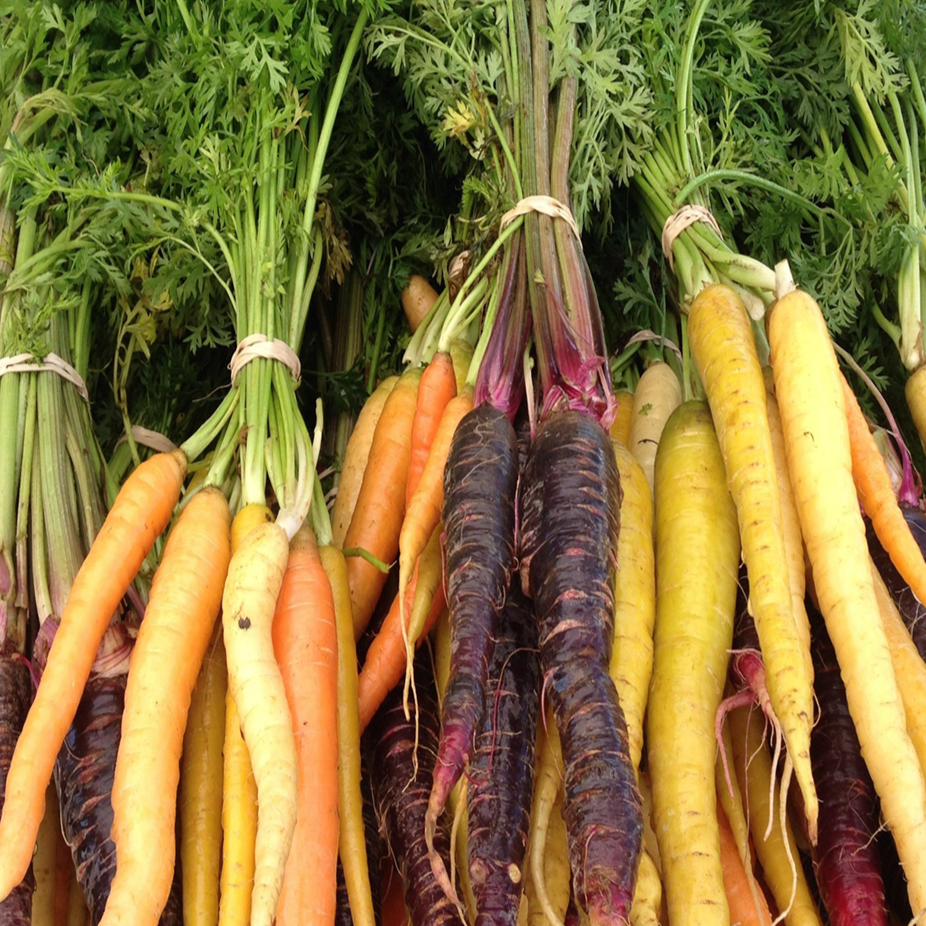
The organic ‘Rainbow Mix’ carrot blend, Daucus carota subsp. sativus, combines ‘Atomic Red’, ‘Bambino Orange’, ‘Cosmic Purple’, ‘Lunar White’, and ‘Solar Yellow’. Direct-sow in deep loose stone-free soil. Space seed approximately 2.5 cm apart, thin to 5 cm, and leave 30 cm between rows. Maintain surface moisture during emergence. Inspect several plants between 60 and 80 days, then harvest each root according to size and texture. Red, orange, purple, white, and yellow roots make fresh snacks, salads, and roasted dishes especially colourful. Progressive harvesting accommodates the different varieties in the blend. In this overview, inspect Organic ‘Rainbow Mix’ carrot blend regularly and adjust care to its actual stage of growth.
- Quantity
- Approximately 250 seeds
- Exposure
- Full sun to partial shade
- Life cycle
- Biennial grown as an annual
Discover the plant
Common name‘Rainbow Mix’ carrots, rainbow carrot blend
FamilyApiaceae
GenusDaucus
Speciescarota subsp. sativus
TypeOrganic root-vegetable mixture
Botanical nameDaucus carota subsp. sativus
Organic ‘Rainbow Mix’ carrot blend (Daucus carota subsp. sativus) combines five organic varieties listed on the selection: ‘Atomic Red’, ‘Bambino Orange’, ‘Cosmic Purple’, ‘Lunar White’, and ‘Solar Yellow’. This blend produces red, orange, purple, white, and yellow roots whose shape, flavour, and growth rate may vary. The product contains approximately 250 organic seeds, and the selection announces 85% germination. Colourful roots add contrast to fresh snacks, salads, soup, and roasted dishes. Each harvest can contain a different balance of colours. This variation makes each row especially interesting to observe and taste.
Direct-sow approximately 2.5 cm (1 in) apart in deep loose moist stone-free soil. Place seed approximately 0.5 to 1 cm deep, then maintain surface moisture until emergence. Once seedlings establish, thin to 5 cm (2 in) and leave 30 cm (12 in) between rows. Full sun supports even growth, while light partial shade remains acceptable. Use well-matured compost and avoid fresh manure because it may cause forked or misshapen roots. Cut surplus seedlings with scissors when pulling might disturb neighbouring taproots. Label every row so successive sowing dates remain easy to compare accurately.
Inspect several plants between 60 and 80 days because the five varieties may not mature at the same time. Expose shoulders gently and harvest every root according to diameter and tenderness instead of waiting for complete uniformity. Loosen soil before pulling foliage, then trim tops promptly and keep roots cool. Cook strongly pigmented roots separately when you want pale colours to remain distinct. Rosemary and sage are traditionally paired with carrots, but continue inspecting plants and use integrated pest-management methods when needed. Wash all roots thoroughly before eating or storing.

Sowing guide
It all startswith a seed.
Sowing depth
Approximately 6 mm (1/4 in)
Spacing / density
Sow 2.5 cm (1 in) apart, thin to 5 cm (2 in), and space rows 30 cm (12 in) apart
Germination temperature
10 to 30°C (50 to 86°F), with more even emergence near 20°C
Germination time
Approximately 10 to 20 days depending on temperature and moisture; announced rate of 85%
Sowing period
Spring as soon as soil can be worked, then successive sowings through late summer according to the local season
Propagation
Direct sowing only for regular root production
Growing method
Direct-sow as soon as soil can be worked. Loosen at least 25 to 30 cm (10 to 12 in) of soil, remove stones, and incorporate only well-decomposed compost. Make a furrow 6 mm (1/4 in) deep, distribute seed sparingly, and firm lightly. Keep the surface moist with a gentle spray until emergence, which may require up to three weeks. When crust forms after rain, break it carefully without disturbing seed. Once seedlings reach 8 to 10 cm (3 to 4 in), thin gradually to 5 cm (2 in). Water deeply to provide approximately 2.5 cm (1 in) weekly, including rainfall, and weed shallowly. Cover any greening shoulder with a little soil. Make two or three sowings three weeks apart. Harvest when diameter suits your use, loosen with a fork, and remove tops. Record dates, texture, and forked roots to improve the next batch. Cool every harvest promptly and keep rows labelled. Inspect foliage for aster yellows symptoms and remove suspicious plants rather than composting them beside healthy carrots. Keep the surface evenly moist during hot winds. After each thinning, close gaps gently without compacting the remaining roots. Record the sowing date on a weatherproof label.
Soil and care
The right care,at the right time.
Soil pH
Approximately 6.0 to 7.0
Care level
Moderate
Watering
Keep the upper soil continuously moist during germination, which may last up to three weeks. Use a fine spray so seed is not displaced. After emergence, water deeply when the surface begins drying to encourage even roots. Alternating drought and excess water may slow growth, toughen tissue, or cause splitting. Light mulch stabilizes moisture after thinning without covering crowns. Water in the morning and adjust frequency to rainfall and soil type. In containers, check daily during heat and allow excess water to drain freely. Avoid prolonged saturation that excludes oxygen and encourages rot.
Soil type
Prepare loose, fine soil at least 10 inches deep and free of stones. The five varieties can produce roots of different shapes and lengths, and every one may still fork in clods or compacted areas. Incorporate only mature compost and avoid fresh manure. Soil should retain steady moisture while draining excess water promptly. In heavy ground, use a raised bed. A pH near 6.0 to 7.0 generally suits carrots, and soil testing should guide amendments.
Fertilization
Before sowing, incorporate a small amount of mature compost when soil is poor. Avoid fresh manure and nitrogen-rich fertilizers, which favour tops and may contribute to forked roots. If a soil test reveals a deficiency, apply a balanced organic fertilizer at a low labelled rate. Check moisture, spacing, and compaction first when growth seems slow. Do not place concentrated fertilizer directly against seed or young roots.
Moisture
Evenly moist soil without saturation
Seasonal care
In spring, prepare light soil and sow as soon as it can be worked. Keep the surface moist through slow germination and prevent soil crusting. After emergence, thin promptly and weed shallowly. Provide approximately 2.5 cm (1 in) of water weekly, including rainfall, adjusting frequency for sandy soil and containers. Mulch lightly after plants establish without covering their centres. In early summer, harvest initial sowings before roots become oversized and make another sowing when the local calendar allows. During heat, monitor moisture more closely and provide light afternoon protection for scorching containers. In late summer, sow one final small batch for autumn. Harvest before a deep freeze, remove tops, and cool roots. Sort broken or diseased carrots for immediate use or disposal. Clean tools and containers, then record emergence, thinning, and harvest dates. During storage, inspect roots regularly and remove any specimen that softens or develops rot. Wash reusable crates and allow them to dry completely. In containers, check moisture daily during windy periods and empty saucers after rain. Compare roots from different sowings to identify the best spacing and calendar. Remove plants showing serious symptoms instead of leaving them in the bed. Keep notes with the rotation plan and change the mix when roots repeatedly show compaction, forking, or poor drainage. Sanitize tools after diseased tissue, wash reusable labels, and never store wet carrots in a sealed unventilated container.
Container growing
A garden,within reach.
Recommended pot size
Well-drained container at least 25 to 30 cm (10 to 12 in) deep
Choose a planter or pot at least 25 to 30 cm (10 to 12 in) deep with numerous holes. Fill it with light, stone-free potting mix amended with a moderate amount of mature compost. Do not use heavy garden soil that compacts. Sow 6 mm (1/4 in) deep, maintain surface moisture, and protect it from drying wind until emergence. Thin to 5 cm (2 in), cutting surplus seedlings at soil level when pulling would disturb neighbours. Place the container in sun, then check moisture daily during hot periods. Water slowly until excess drains and empty the saucer. Rotate the pot for balanced light. Cover exposed shoulders, avoid nitrogen-heavy feeding, and harvest one test root at the desired size. After harvest, remove remaining roots, clean the container, and replace mix when disease or serious compaction appeared. Label every sowing and compare how quickly different containers dry. Label the pot with date, spacing, and potting-mix type. After heavy rain, check for surface crust and loosen only the upper few millimetres. Cool roots immediately after separating foliage. Keep harvest tools and containers clean, and compare root shape among pots before reusing the same mix or fertilizer plan.

Bloom and dimensions
Its place,in your garden.
Mature height
Foliage approximately 20 to 30 cm (8 to 12 in), depending on conditions
Width / spread
Approximately 10 to 20 cm (4 to 8 in)
Foliage color
Green, with stalks that may vary by variety
Growth rate
Moderate
Growth habit
Rosette of finely divided leaves above roots with varied shapes and colours
Bloom period
When Organic ‘Rainbow Mix’ carrot blend reaches its reproductive stage, flower stalks emerge and carry blooms visited by small insects. For crops normally harvested before flowering, cut at the recommended culinary stage to preserve texture. If one plant is retained in bloom, keep it apart from the main harvest, maintain watering, and avoid disturbing active visitors. During flowering, inspect Organic ‘Rainbow Mix’ carrot blend regularly and adjust care to its actual stage of growth.
Fruiting
After flowering and pollination, Organic ‘Rainbow Mix’ carrot blend gradually directs energy toward fruit or seed formation. This stage is not always wanted when leaves, roots, or stems are the primary harvest. For culinary quality, harvest at the recommended stage; allow only several healthy plants to complete the cycle when observing maturation or collecting permitted seed. During maturation, inspect Organic ‘Rainbow Mix’ carrot blend regularly and adjust care to its actual stage of growth.
Days to maturity
Approximately 60 to 80 days; maturity varies among the five varieties
Harvest
Inspect several plants between 60 and 80 days and harvest each variety according to diameter and tenderness
Garden associations
In goodcompany.
Companion plants
Rosemary and sage are traditionally paired with carrots, and the selection presents them as plants that may discourage carrot rust fly. Add them only when their light, water, and spacing needs suit your garden plan. Their presence does not replace regular crop inspection. Check foliage, protect young seedlings, and use integrated pest-management methods when pests appear. Maintain good air circulation, rotate Apiaceae crops, and prevent neighbouring plants from shading the row. This pairing may diversify the vegetable garden, but it cannot guarantee freedom from damage. Base planting decisions on practical growing conditions and continued observation.
Recipe idea
From the gardento your plate.
Edible parts
Roots; young tops only when clean and correctly identified
Glazed ‘Rainbow Mix’ carrots — Wash 500 g small carrots and remove tops. Scrub carefully, peeling only when skin is thick or damaged. Place whole roots in a large pan with 125 mL (1/2 cup) water, 15 mL (1 tbsp) butter or oil, and a small pinch of salt. Cover and simmer for 8 to 12 minutes according to diameter. Remove the lid, add 5 mL (1 tsp) honey, and continue cooking until the liquid forms a light glaze. Check tenderness with a knife tip; roots should remain firm. Add parsley and a little lemon juice when serving. Refrigerate leftovers within two hours. To freeze raw carrots, follow a tested method that includes blanching rather than skipping that step. Use a clean board and keep soil-covered roots separate from ready-to-eat foods. Taste before adding more salt or sweetness. Wash hands before preparation, use a fresh tasting spoon, and cool cooked carrots in a shallow container so refrigeration occurs quickly and evenly.
Frequently asked questions
Your questions,answered.
Which varieties make up the ‘Rainbow Mix’ blend?
The official selection names five varieties: ‘Atomic Red’, ‘Bambino Orange’, ‘Cosmic Purple’, ‘Lunar White’, and ‘Solar Yellow’. They produce red, orange, purple, white, and yellow roots. The proportion of every variety is not listed, so a small row may contain more of certain colours. Sow several seeds and harvest progressively to observe the blend’s full diversity. Label rows with their date and photograph whole roots before cooking. Do not identify one variety from stalk colour alone because the root remains the best clue. Keep the selection with your notes to compare results from following sowings. Separate strongly coloured roots during cooking when preserving pale shades matters.
Why do carrots become forked or fibrous?
Forked roots often result from compact stony soil, transplanting, fresh manure, or injury early in growth. Loosen soil deeply, remove stones, and direct-sow. Fibrous, bitter, or tough texture is often worsened by insufficient water or late harvest. Provide approximately 2.5 cm (1 in) of water weekly, including rainfall, and avoid extreme changes between drought and saturation. Thin on time to reduce competition. Harvest one test root when shoulders reach the desired size. Record observed defects to distinguish a soil problem from watering or timing. Cover green shoulders with a little soil, but never bury the leaf centre or compact the root zone.
Can ‘Rainbow Mix’ be grown in a container?
Yes. Choose a planter at least 25 to 30 cm (10 to 12 in) deep with several drainage holes. Use light loose stone-free potting mix instead of compact garden soil. Direct-sow approximately 0.5 to 1 cm deep, maintain surface moisture, and thin to 5 cm between plants. Place the container in sun and check moisture daily during hot periods. Because the blend contains five varieties, harvest roots progressively between 60 and 80 days according to diameter. Label the pot, record obtained colours, and replace the substrate when it becomes compacted or shows disease. Empty every saucer after watering or heavy rain.
When should ‘Rainbow Mix’ carrots be harvested?
Inspect several plants between 60 and 80 days after sowing because the five varieties may reach their best size at different times. Expose shoulders gently and lift one test root from several row sections. Harvest every carrot according to diameter and tenderness instead of waiting for complete uniformity. Water the previous day or work after light rain, then loosen soil with a fork before pulling. Trim tops promptly, wash roots, and cool them. Use broken or split carrots first. Record date, colour, and size so following sowings can be planned more accurately. Discard every root showing rot before storage or food preparation.
Will harvested seed reproduce the same mixture?
Carrot is biennial and produces seed in its second year. However, collecting seed from a row of five varieties guarantees neither the same proportions, the same colours, nor identical offspring. Carrots may also cross with other cultivated or wild carrots flowering nearby. For an experiment, retain only healthy roots, label every colour, and follow a suitable isolation protocol. Harvest umbels as they brown and dry them completely. To obtain the ‘Rainbow Mix’ presented here as simply as possible, use new correctly identified organic seed instead of promising that home-collected seed will remain true. Keep experimental seed separate from purchased seed and label its harvest year clearly.
Wildlife and pets
Life,around your plants.
Supporting wildlife
Organic ‘Rainbow Mix’ carrot blend is grown primarily for harvest. When several plants reach bloom, their flowers may receive small bees, hoverflies, and other insects. This contribution remains secondary and varies with flowering duration, weather, and neighbouring crops. Avoid treatments while insects are actively visiting and retain only healthy flowering specimens away from the main harvest.
For a great start to your seeds
The right extras.Right here.
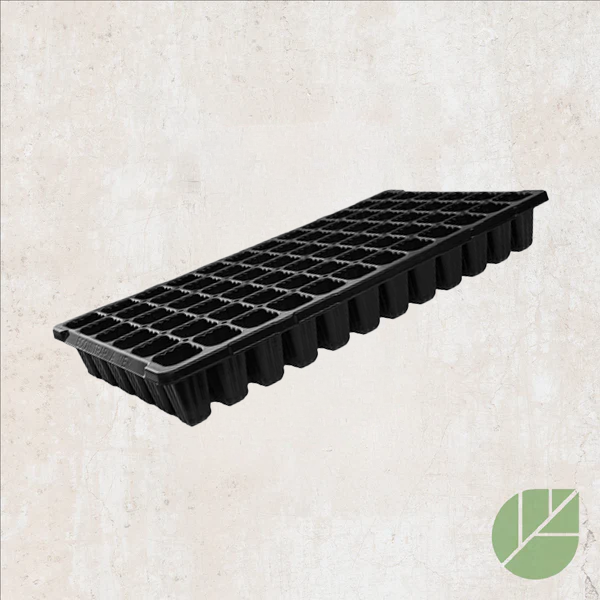
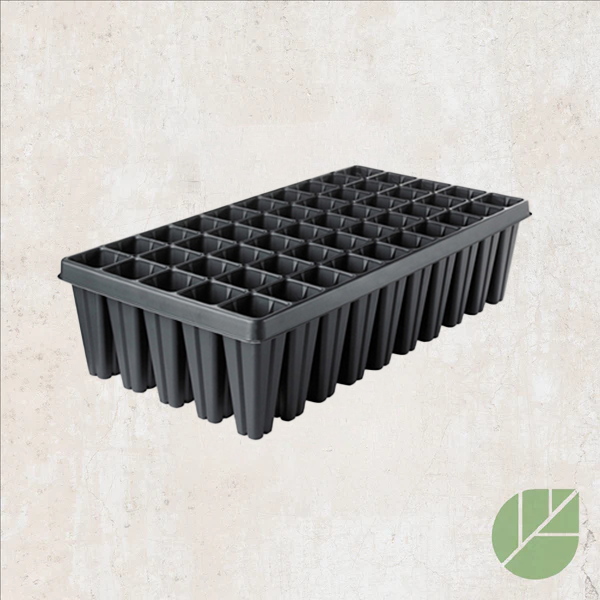
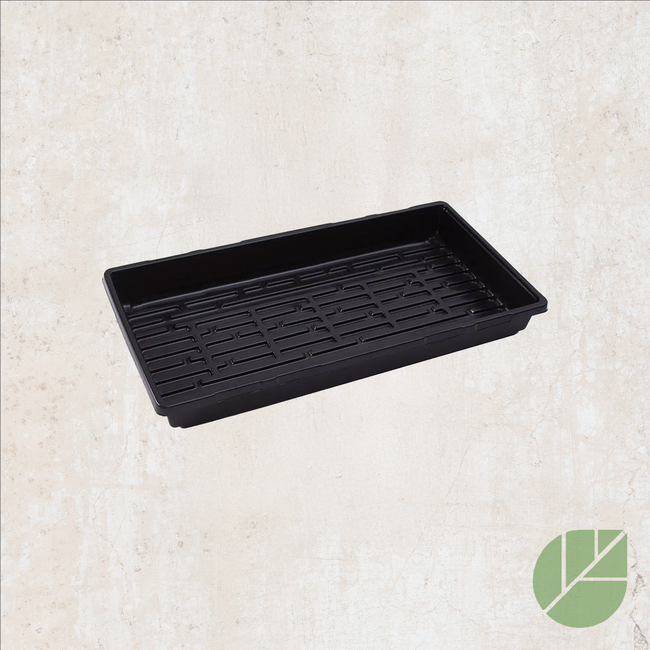
Platters, pots and domes
Shop the collection
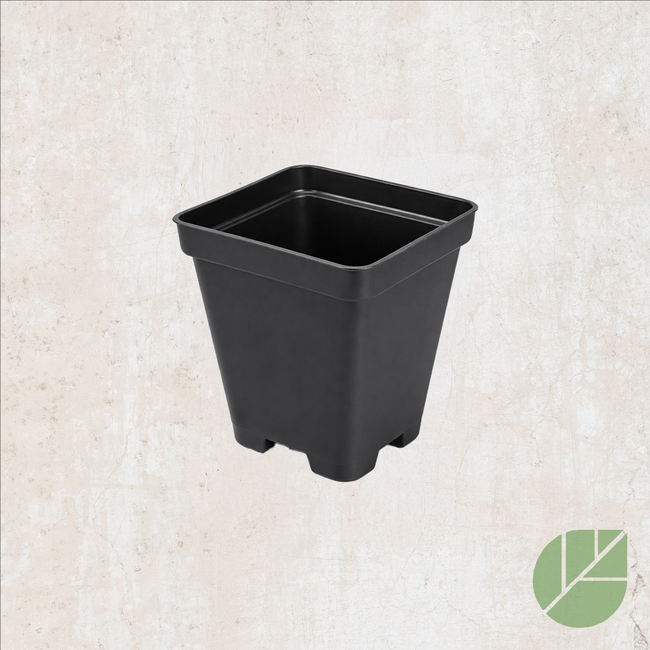

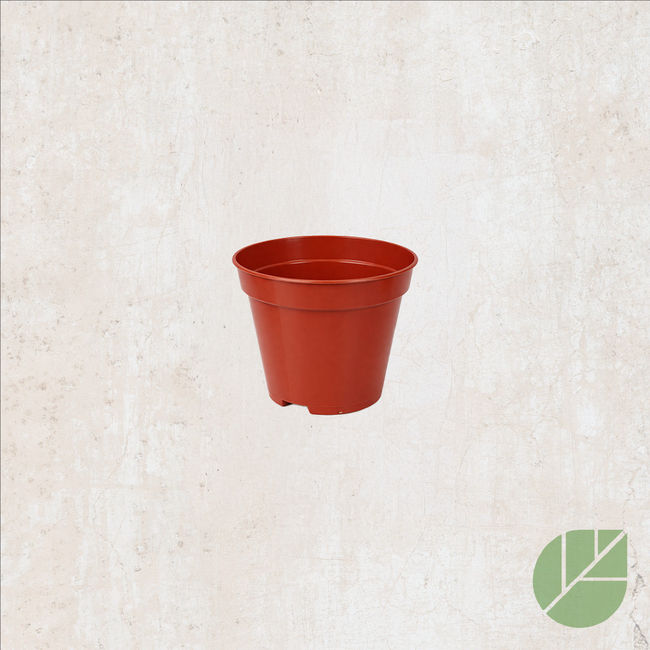
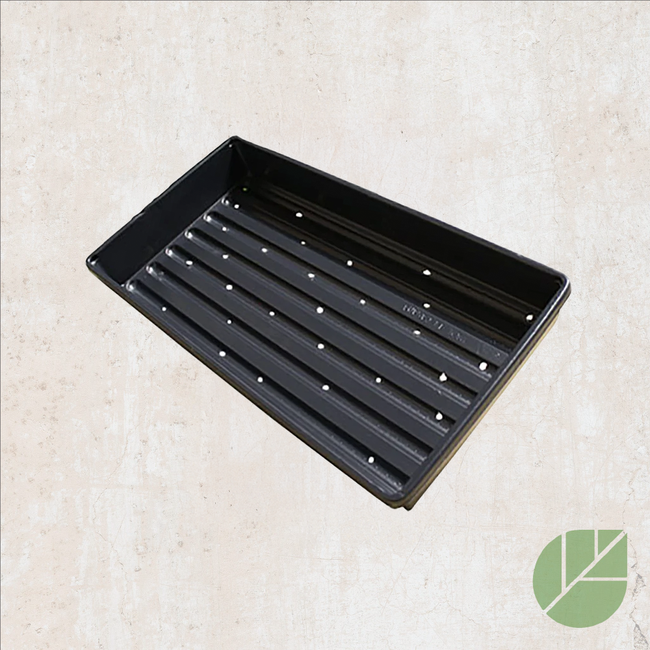
Seed Starting Soil
Shop the collectionSeed starting supplies
Shop the collection




