Sale
Sold out

Cupressaceae
Trees and shrubs
False cypress
Chamaecyparis pisifera
- Exposure
- Partial shade
- Hardiness
- Zone 4
Discover the plant
Common nameFalse cypress
FamilyCupressaceae
GenusChamaecyparis
Speciespisifera
CultivarPaillettes d'or
TypeConiferous
Botanical nameChamaecyparis pisifera
False Cypress ‘Gold Spangles’ (Chamaecyparis pisifera ‘Gold Spangles’). Chamaecyparis pisifera ‘Gold Spangles’ is a rare and spectacular variety with dark green foliage mottled with irregular golden spots, creating a unique luminous and decorative effect. Its compact, conical shape is suitable for small gardens, borders, and ornamental displays. Very hardy and original, ‘Gold Spangles’ immediately catches the eye with its natural contrast. It is perfect for introducing a graphic and bold touch to plant compositions. The indicated mature size is 1 to 1.2 m (39 to 48 inches) in height and 1 m (3 feet) in width.
To plant False Cypress ‘Gold Spangles’, choose a suitable exposure: full sun to partial shade. The recommended soil is slightly acidic to acidic, well-drained. Respect the natural silhouette of the conifer and avoid cutting deeply into parts without foliage. Monitor moisture after planting, including in the fall when the weather is dry. Aeration and drainage are as important as watering frequency. Water the root ball before planting and ensure that water can drain after planting. During establishment, check the moisture by hand before watering again.
Allow a width of 1 m (3 feet) when planning this plant's placement in the garden. The indicated height of 1 to 1.2 m (39 to 48 inches) helps in choosing its position relative to neighboring plants. Maintain access to the base for weeding, checking moisture, and removing damaged parts. Pair this variety with plants that have compatible light and water needs. If you are considering a container, first check that its volume and drainage are suitable for root development. Potted roots are more exposed to cold than those planted in the ground.

Soil and care
The right care,at the right time.
Minimum temperature
'-30°C
Watering
Regular watering
Soil type
Slightly acidic to acidic, well drained
Fertilization
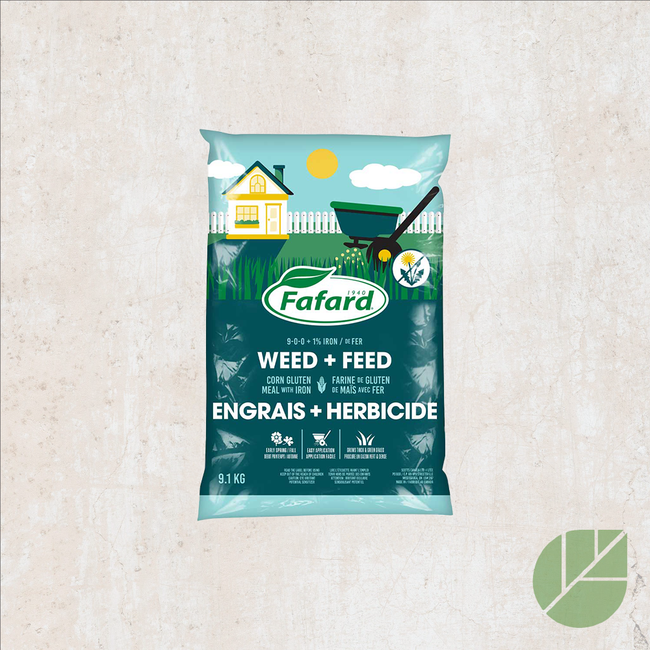
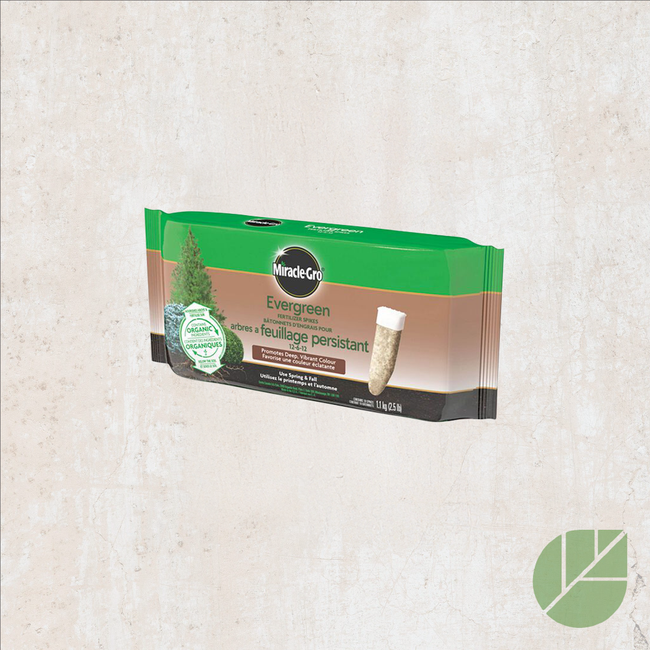
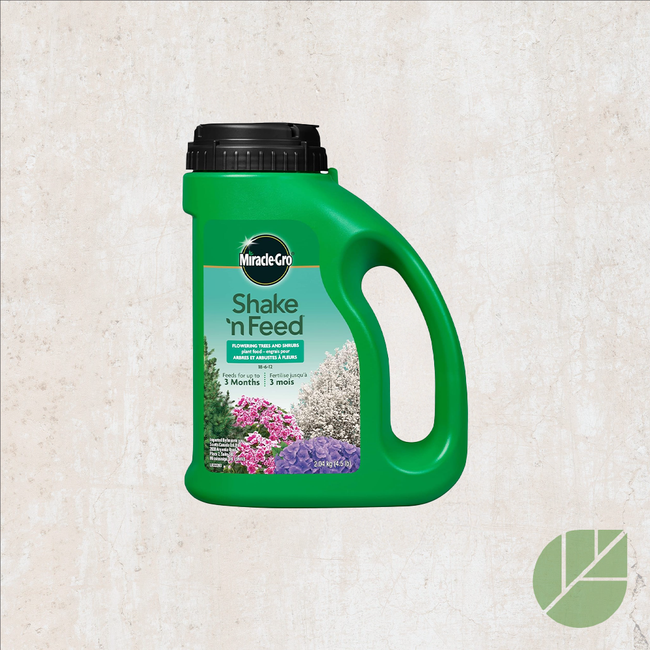
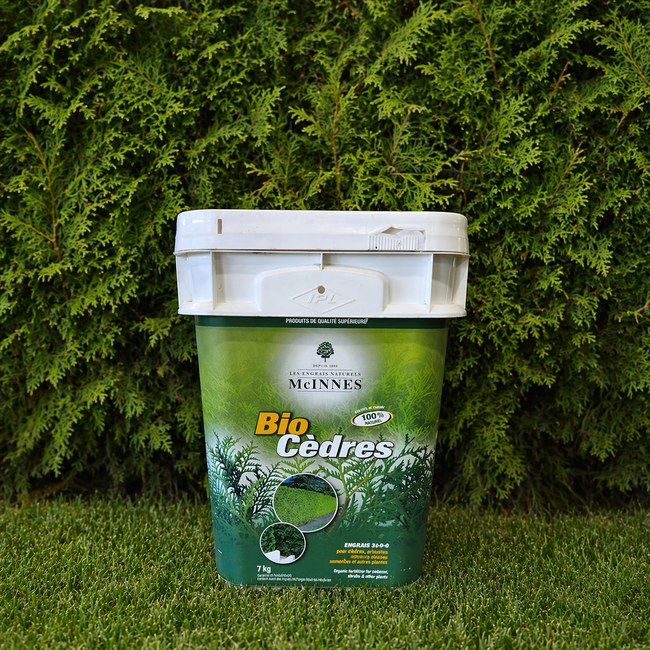
Slow-release fertilizer in spring. Fertilize monthly or as directed on the bag. Not recommended – use Bionik rooter or bone meal.
Bloom and dimensions
Its place,in your garden.
Mature height
1 to 1.2 m (39 to 48 inches)
Width / spread
1 m (3 feet)
Flower color
Non-ornamental
Foliage color
Variegated green yellow
Foliage type
Persistent
Growth rate
very slow
Growth habit
Dwarf
Bloom period
Not significant
Fruiting
Insignificant fruit set.
Wildlife and pets
Life,around your plants.
For your trees, shrubs and conifers
The right extras.Right here.
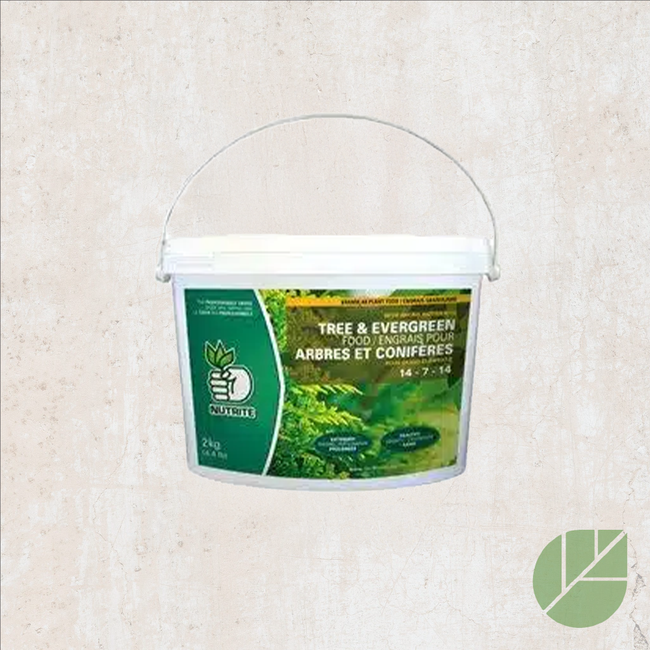
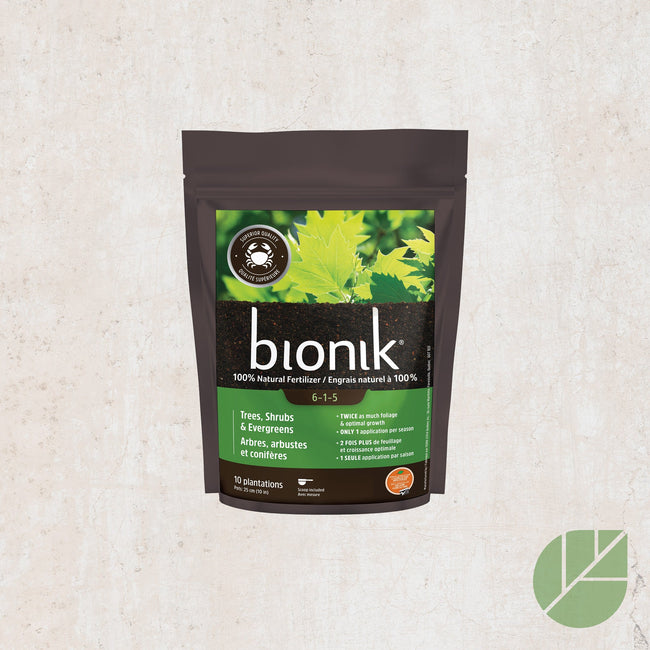
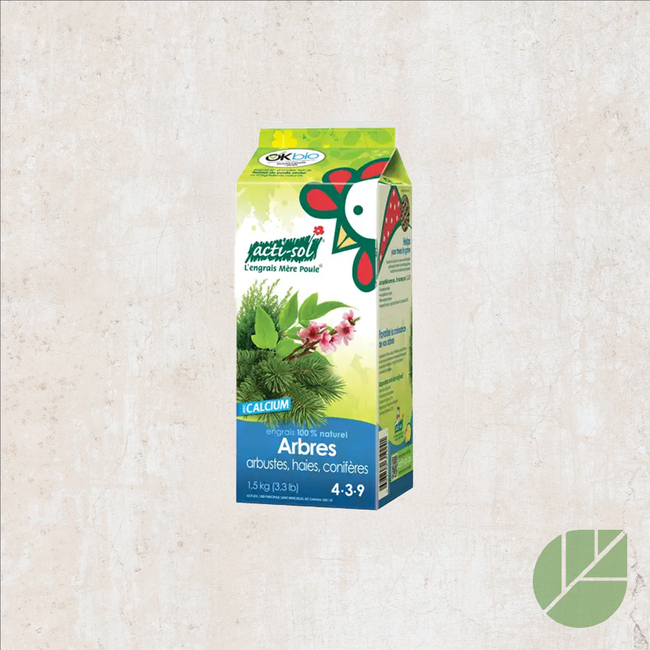
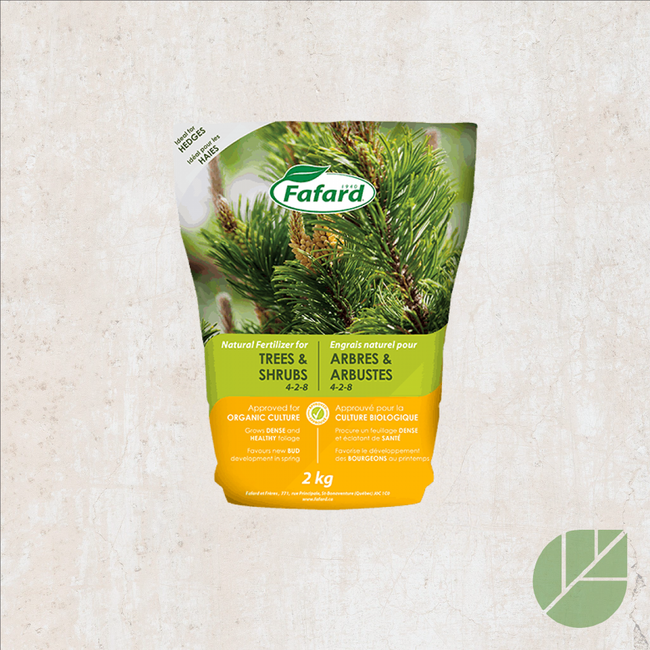
Tree and Shrub Fertilizer
Shop the collection