


Sale
Sold out

chicory
Asteraceae
Galatina Late Puntarelle Chicory Seeds
Cichorium intybus
Product code : WESTO-0052
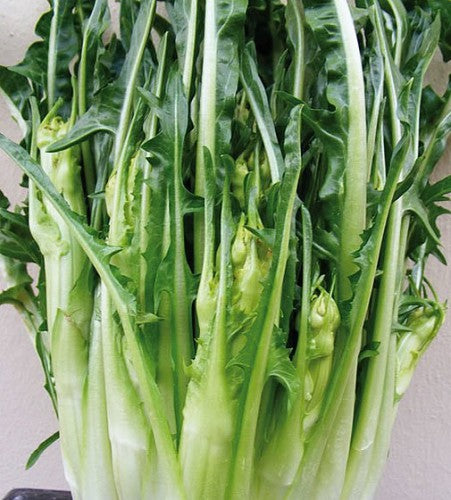
Galatina Late Puntarelle Chicory is a late chicory cultivar selected for home food or ornamental gardens. It prefers sun to partial shade and light, fertile, moist, well-drained soil. Sow in spring and late summer for cool-season harvests. Sow about 3 mm deep. Allow 20 to 25 cm between plants. Water regularly to reduce excessive bitterness and bolting. For best results, label the row and observe the plants regularly as conditions change through the season. Adjust watering to rainfall, wind, container size, and the actual moisture at soil level. Good air circulation and adequate spacing help foliage dry normally after rain or irrigation. Keep the growing area free of weeds that compete for light, moisture, and nutrients. Use clean tools for harvest and remove damaged plant material when it appears.
- Quantity
- 1500 seeds
- Exposure
- Sun to partial shade
- Life cycle
- Annual or biennial depending on type
Discover the plant
Common nameLate chicory
FamilyAsteraceae
GenusCichorium
Speciesintybus
CultivarGalatina
Typechicory
Botanical nameCichorium intybus
Galatina Late Puntarelle Chicory Seeds (Cichorium intybus) A late puntarelle chicory reference requiring time for plant development. Galatina provides a late puntarelle chicory harvest.
Sow in spring and late summer for cool-season harvests. Sow about 3 mm deep. Keep the seedbed evenly moist through emergence. Allow 20 to 25 cm between plants. Provide sun to partial shade and avoid standing water. A germination temperature of 16 to 20°C is appropriate for this crop. Thin crowded seedlings early and harden indoor-started plants gradually before transplanting.
Reserve enough of the local growing season for this late selection to develop. Water regularly to reduce excessive bitterness and bolting. Use clean tools and remove damaged material. Adjust watering to rainfall, wind and actual soil moisture, and keep enough space for air circulation.

Sowing guide
It all startswith a seed.
Sowing depth
3 mm
Spacing / density
20 to 25 cm between plants
Germination temperature
16 to 20°C
Sowing period
Sow in spring and late summer for cool-season harvests
Propagation
Seed
Growing method
Prepare a clean seedbed or containers with light, fertile, moist, well-drained soil. Sow in spring and late summer for cool-season harvests. Sow about 3 mm deep unless the packet gives a more specific direction. Use the following spacing as the crop develops: 20 to 25 cm between plants. Keep the medium evenly moist during emergence without leaving it saturated. Provide sun to partial shade and good air movement. Thin crowded seedlings early so the remaining plants develop without unnecessary competition. Harden indoor-started plants gradually before transplanting them outdoors after the appropriate frost date. Water regularly to reduce excessive bitterness and bolting. For best results, label the row and observe the plants regularly as conditions change through the season. Adjust watering to rainfall, wind, container size, and the actual moisture at soil level. Good air circulation and adequate spacing help foliage dry normally after rain or irrigation. Keep the growing area free of weeds that compete for light, moisture, and nutrients. Use clean tools for harvest and remove damaged plant material when it appears. Always follow the packet information when a variety-specific direction differs from general guidance. A simple garden label makes the cultivar easy to identify from sowing through harvest or flowering. Check young plants frequently because small moisture or pest problems are easier to address early.
Soil and care
The right care,at the right time.
Soil pH
5.5 to 6.5
Watering
Water regularly to reduce excessive bitterness and bolting. Check moisture at soil level instead of watering only by schedule. Water gently during germination so seeds are not displaced, then direct irrigation toward the root zone. Avoid standing water and adjust frequency after rain. For best results, label the row and observe the plants regularly as conditions change through the season. Adjust watering to rainfall, wind, container size, and the actual moisture at soil level.
Soil type
Galatina Late Puntarelle Chicory performs best in light, fertile, moist, well-drained soil. Loosen compacted ground before sowing and remove large stones or persistent weeds. Mature compost may improve poor soil, but avoid creating a heavy or waterlogged seedbed. For best results, label the row and observe the plants regularly as conditions change through the season. Adjust watering to rainfall, wind, container size, and the actual moisture at soil level. Good air circulation and adequate spacing help foliage dry normally after rain or irrigation.
Fertilization
Prepare the soil with mature compost when fertility is low. A light, balanced fertilizer may be used according to its label, but excessive feeding can cause weak or unbalanced growth. Observe leaf colour and plant development before adding more nutrients. Water after any application. For best results, label the row and observe the plants regularly as conditions change through the season. Adjust watering to rainfall, wind, container size, and the actual moisture at soil level.
Seasonal care
At sowing time, prepare light, fertile, moist, well-drained soil and follow this timing: Sow in spring and late summer for cool-season harvests. Keep the surface moist until emergence, label the row, and thin seedlings according to the recommended spacing. During active growth, provide sun to partial shade and monitor soil moisture, weeds, and leaf condition. Water regularly to reduce excessive bitterness and bolting. In warm or windy weather, check containers and exposed beds more frequently. Remove damaged material and keep enough space for air circulation. At harvest or after flowering, use clean tools and clear unhealthy debris. Healthy residue may be composted where appropriate. At the end of the season, clean containers and tools, record useful observations, and store remaining seed in a cool, dry, dark place. For best results, label the row and observe the plants regularly as conditions change through the season. Adjust watering to rainfall, wind, container size, and the actual moisture at soil level. Good air circulation and adequate spacing help foliage dry normally after rain or irrigation. Keep the growing area free of weeds that compete for light, moisture, and nutrients. Use clean tools for harvest and remove damaged plant material when it appears. Always follow the packet information when a variety-specific direction differs from general guidance. A simple garden label makes the cultivar easy to identify from sowing through harvest or flowering. Check young plants frequently because small moisture or pest problems are easier to address early. Avoid standing water around the roots, even when the crop prefers steady moisture.
Container growing
A garden,within reach.
A sufficiently wide container makes the leaves easy to reach.

Bloom and dimensions
Its place,in your garden.
Mature height
30 to 41 cm (12–16 in)
Width / spread
30 to 36 cm (12–14 in)
Days to maturity
85 to 90 days
Harvest
Reserve enough of the local growing season for this late selection to develop.
Garden associations
In goodcompany.
Companion plants
Radishes or lettuce can border these greens when their seasonal growing needs are compatible.
Other recommended plants
Wild Chicory; Bionda Broad Leaf Cutting Chicory; KS Attraction Lettuce
Frequently asked questions
Your questions,answered.
How should Galatina Late Puntarelle Chicory be sown?
Sow in spring and late summer for cool-season harvests. Prepare light, fertile, moist, well-drained soil. Sow about 3 mm deep. Keep the seedbed evenly moist until emergence without saturating it. Label the row and provide sun to partial shade. Thin crowded seedlings so the final spacing follows this guidance: 20 to 25 cm between plants. If plants are started indoors, provide strong light and harden them gradually before transplanting outdoors at the appropriate time. For best results, label the row and observe the plants regularly as conditions change through the season. Adjust watering to rainfall, wind, container size, and the actual moisture at soil level. Good air circulation and adequate spacing help foliage dry normally after rain or irrigation.
Where should I grow Galatina Late Puntarelle Chicory?
Light: Sun to partial shade. A fine seedbed without a compacted surface crust helps small seeds emerge. Light: Sun to partial shade. Galatina Late Puntarelle Chicory prefers sun to partial shade and light, fertile, moist, well-drained soil. Choose a location that leaves enough room for 20 to 25 cm between plants. Avoid low spots where water remains after rain. In a container, use drainage holes and a clean growing mix. Observe how light moves across the space during the day, especially near buildings or taller plants. For best results, label the row and observe the plants regularly as conditions change through the season. Adjust watering to rainfall, wind, container size, and the actual moisture at soil level. Good air circulation and adequate spacing help foliage dry normally after rain or irrigation. Keep the growing area free of weeds that compete for light, moisture, and nutrients.
How should I water Galatina Late Puntarelle Chicory?
Water gently during establishment, then check moisture beneath the leaves. Water regularly to reduce excessive bitterness and bolting. During germination, use a gentle spray or careful watering so seed is not displaced. After establishment, water at soil level when the surface begins to dry. Adjust frequency to rainfall, heat, wind, soil texture, and container size. Avoid standing water because roots still require oxygen. Morning watering can help foliage dry normally during the day. For best results, label the row and observe the plants regularly as conditions change through the season. Adjust watering to rainfall, wind, container size, and the actual moisture at soil level. Good air circulation and adequate spacing help foliage dry normally after rain or irrigation. Keep the growing area free of weeds that compete for light, moisture, and nutrients.
What maintenance does Galatina Late Puntarelle Chicory need?
Keep the planting labelled, weeded, and appropriately spaced. Check young plants regularly for wilting, chewing damage, discolouration, or crowding. Provide sun to partial shade and maintain the moisture pattern described for the crop. Use clean tools, avoid deep cultivation near established roots, and remove unhealthy debris. Apply any fertilizer or pest-control product only according to its label. For best results, label the row and observe the plants regularly as conditions change through the season. Adjust watering to rainfall, wind, container size, and the actual moisture at soil level. Good air circulation and adequate spacing help foliage dry normally after rain or irrigation. Keep the growing area free of weeds that compete for light, moisture, and nutrients. Use clean tools for harvest and remove damaged plant material when it appears.
When should I harvest Galatina Late Puntarelle Chicory?
Reserve enough of the local growing season for this late selection to develop. Harvest Galatina Late Puntarelle Chicory when the edible part reaches the stage described for the cultivar or on the packet. Pick during the cooler part of the day when practical and use clean tools. Remove damaged portions, rinse according to the intended preparation, and cool perishable produce promptly. Regular picking may extend production for crops that continue forming leaves, pods, or fruit. Stop using any plant material that appears spoiled or unidentified. For best results, label the row and observe the plants regularly as conditions change through the season. Adjust watering to rainfall, wind, container size, and the actual moisture at soil level. Good air circulation and adequate spacing help foliage dry normally after rain or irrigation.
For a great start to your seeds
The right extras.Right here.
Seed Starting Soil
Shop the collectionSeed starting supplies
Shop the collection





