Sale
Sold out

Organic seeds
Cucurbits
Long Pie Pumpkin, ecologically grown seeds
Cucurbita pepo
Product code : GAIAS-0302
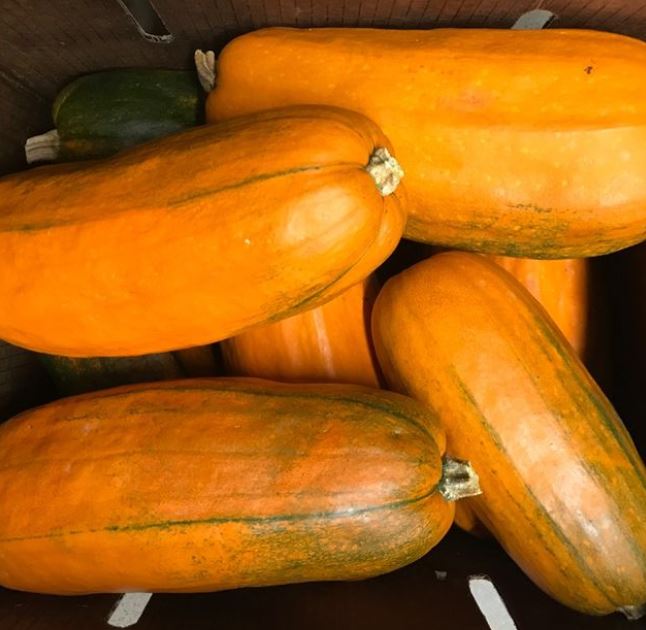
‘Long Pie’ pumpkin is a free-pollinating heirloom variety once widely grown in Maine. Its vigorous vines produce elongated fruits weighing 1.4 to 2.3 kg, green when harvested and then bright orange after ripening in storage. The sweet, tender flesh is particularly suitable for pies, purees, breads, and soups. Young fruits can also be cooked like zucchini. The packet contains 5 organic seeds. Allow approximately 100 to 102 days to maturity, a full sun location, warm, rich soil, and generous space for the long trailing vines.
- Quantity
- 5 seeds
- Exposure
- Sun
- Life cycle
- Annual
Discover the plant
Common name'Long Pie' Pumpkin
FamilyCucurbits
GenusSquash
Speciespepo
CultivarLong Pie
TypeOrganic seeds
Botanical nameCucurbita pepo
Reproducible seedsYes
Heirloom varietyYes
Long Pie Pumpkin, ecologically grown seeds (Cucurbita pepo) This open-pollinated heirloom, once widely grown in Maine, was preserved and later reintroduced to commerce. It develops elongated fruit weighing 3 to 5 pounds. Skin is often green at harvest and turns bright orange while the pumpkin ripens in storage. Sweet flesh is useful for pie, purée, bread, and soup. Young tender fruit may also be picked and cooked like summer squash. The packet contains 5 ecologically grown seeds; Gaia does not present them as certified organic. Vigorous vines require generous space and can produce well under warm conditions.
Start seed indoors three to four weeks before the last frost in individual pots, or direct sow after frost danger has passed and the soil is thoroughly warm. Plant approximately 1 inch deep. Germination generally takes 7 to 10 days at 21 to 35°C; soaking and scarification are not required. Harden plants gradually before setting them in full sun. Space plants 2 to 3 feet apart with 6 to 8 feet between rows. Rich, loose, well-drained soil, deep watering at the base, and good pollinator activity support production. Apply mulch only after the soil has warmed.
Allow approximately 100 to 102 days to maturity. Harvest pumpkins for storage before a hard frost when the rind is hard and the stem begins to dry, even if skin remains green. Retain about 2 inches of stem and let fruit ripen in a warm, dry, well-ventilated place until it develops orange colour. Store sound pumpkins in cool, dry conditions without stacking and inspect them regularly. Use damaged or softening fruit promptly. For summer-squash use, pick young fruit while the skin and flesh remain tender. Cooked mature flesh can be frozen in measured portions for convenient winter baking and soup.

Sowing guide
It all startswith a seed.
Sowing depth
1 in
Spacing / density
60-90 cm between plants and 1.8-2.4 m between rows
Germination temperature
21 to 35 °C; optimum 27 to 35 °C
Germination time
7 to 10 days in warm soil; no soaking or scarification is necessary
Sowing period
Start indoors three to four weeks before the last frost in individual pots, or sow directly when all risk of frost has passed and the soil is thoroughly warmed. Gradually acclimate young plants before transplanting and avoid disturbing their roots.
Propagation
Sowing
Growing method
Plant one seed per pot at a depth of 2.5 cm, three to four weeks before the last frost, or sow directly into warm soil. Germination usually takes 7 to 10 days between 21 and 35 °C. Acclimatize seedlings before transplanting, then space them 60 to 90 cm apart with 1.8 to 2.4 m between rows. Grow in full sun in rich, well-drained soil. Water deeply at the base and direct long stems to an open space. Bees ensure pollination of female flowers; avoid insecticide treatments on open flowers. Read package directions before starting and keep the label to track the variety throughout the season. Prepare a clean, loose, well-drained substrate, then moisten it before depositing the seeds to limit their displacement. Keep the seedbed uniformly moist without standing water, as excess moisture reduces aeration around young roots. Place seedlings in bright light upon emergence and regularly turn containers to promote balanced growth. When multiple seedlings compete for the same space, thin carefully to keep the most vigorous subjects without disturbing their roots.
Soil and care
The right care,at the right time.
Care level
Moderate
Soil type
Rich, loose, humus-rich, and well-drained soil, amended with mature compost. Read the instructions on the packet before starting and keep the label to track the variety throughout the season. Prepare a clean, loose, and well-drained substrate, then moisten it before placing the seeds to limit their displacement. Keep the seedlings uniformly moist without allowing stagnant water, as excess moisture reduces aeration around young roots.
Seasonal care
In spring, start seeds indoors three to four weeks before the last frost. Transplant hardened plants into full sun once the soil is warm. In summer, water deeply at the base, maintain consistent moisture, and train the vines into open spaces. Young fruits can be harvested as summer squash. For storage pumpkins, allow the rind to harden. In fall, harvest before a hard frost, leaving about 5 cm of stem. Ripen fruits in a warm, dry, and well-ventilated place until they turn orange, then store them in a cool, dry location. Read package directions before starting and save the tag to track the variety throughout the season. Prepare a clean, loose, well-draining growing medium, then moisten it before planting seeds to minimize displacement. Keep seedlings uniformly moist without allowing standing water, as excess moisture reduces aeration around young roots. Place seedlings in bright light immediately after germination and regularly rotate containers to encourage balanced growth. When multiple seedlings compete for the same space, carefully thin them, keeping the most vigorous ones without disturbing their roots. Before outdoor planting, gradually acclimate young plants to wind, sun, and temperature fluctuations for several days.
Container growing
A garden,within reach.
In-ground cultivation is recommended; use a very large container of 40 L or more only if support and regular watering are possible. Adapt the container to the plant's development and ensure free drainage from planting. Read the instructions on the packet before starting and keep the label to track the variety throughout the season. Prepare a clean, loose, well-drained substrate, then moisten it before placing the seeds to limit their displacement. Keep the seedling uniformly moist without leaving standing water, as excess humidity reduces aeration around young roots. Place seedlings in bright light as soon as they emerge and regularly turn containers to promote balanced growth. When multiple seedlings compete for the same space, carefully thin them to keep the most vigorous specimens without disturbing their roots. Before outdoor planting, gradually acclimate young plants to wind, sun, and temperature fluctuations for several days. Respect the indicated spacing so that air circulates between plants and each has sufficient light, water, and nutrients. Water at the base when the surface begins to dry, then adjust the frequency according to the weather, drainage, and container volume.

Bloom and dimensions
Its place,in your garden.
Mature height
30 to 60 cm; prostrate habit
Width / spread
Stems 3 to 4.5 m depending on conditions
Foliage color
Green
Foliage type
Herbaceous
Growth rate
Modérée.
Growth habit
Climbing or creeping
Days to maturity
Around 100 to 102 days
Harvest
For use as a summer squash, harvest young fruits while the skin is still tender. For storage, wait approximately 100 to 102 days, when the rind is hard and the stem begins to dry. Cut before a hard frost, leaving about 5 cm of stem. Even if green, ripe fruits can turn bright orange in a warm, dry, and ventilated area. Then store healthy pumpkins in a cool, dry place.
Garden associations
In goodcompany.
Companion plants
No particular companion plants are essential. Low-growing flowers can attract pollinators if they don't cover the pumpkin stems or flowers. Most importantly, ensure enough light, water, space, and air circulation for each plant. Read the package directions before starting and keep the label to track the variety throughout the season. Prepare a clean, loose, well-draining growing medium, then moisten it before placing the seeds to limit their displacement. Keep the seedlings evenly moist without standing water, as excess moisture reduces aeration around young roots.
Plants to avoid
No specific enemy plant is confirmed for this variety. Above all, avoid competition from vigorous plants and rotate with crops from other families to reduce the buildup of cucurbit pests and diseases.
Recipe idea
From the gardento your plate.
Edible parts
Young fruits, pulp of ripe fruits, ripe seeds and fresh male flowers
For a pie, prepare 500 ml of ‘Long Pie’ pumpkin puree. Carefully cut a ripe fruit, remove the seeds, and roast the pieces cut-side down at 200°C until the flesh is tender. Scoop out the flesh and puree it. Mix 500 ml of puree with two eggs, 125 ml of brown sugar, 250 ml of milk, 5 ml of cinnamon, and a pinch of nutmeg. Pour into an uncooked pie crust. Bake at 190°C for approximately 45 to 55 minutes, until the center is almost set. Let cool before serving, and refrigerate leftovers within two hours. Read the package directions before beginning and save the label to track the variety throughout the season. Prepare a clean, loose, well-draining growing medium and moisten it before sowing seeds to limit their movement.
Frequently asked questions
Your questions,answered.
How much does the packet contain?
The packet contains 5 seeds. Read the instructions on the packet before you begin and keep the label to track the variety throughout the season. Prepare a clean, loose, well-draining substrate, then moisten it before placing the seeds to limit their movement. Keep the seedbed uniformly moist without allowing standing water, as excess moisture reduces aeration around young roots. Place the seedlings in bright light immediately after germination and regularly rotate the containers to promote balanced growth. When multiple seedlings compete for the same space, carefully thin them to keep the most vigorous ones without disturbing their roots.
How to start seedlings?
Start one seed per pot at 2.5 cm deep, three to four weeks before the last frost, or sow directly when the soil is warm and the risk of frost is over. Germination typically takes 7 to 10 days at 21 to 35 °C. No soaking or scarification is necessary. Keep the substrate moist without waterlogging it, provide bright light after emergence, and acclimate the seedlings before planting out. Space them 60 to 90 cm apart and allow 1.8 to 2.4 m between rows for their long stems.
How long does germination take?
Germination generally takes 7 to 10 days when the substrate remains between 21 and 35 °C, with a warm optimum of 27 to 35 °C. Sow 2.5 cm deep and keep the soil evenly moist, without standing water. No soaking or scarification is necessary. Cold soil slows emergence and increases the risk of rot. As soon as seedlings appear, provide bright light and allow the surface to dry slightly between waterings. Handle roots as little as possible during transplanting. Read the package directions before starting and keep the label to track the variety throughout the season.
How to organize planting in the garden?
Allow 60 to 90 cm between plants and 1.8 to 2.4 m between rows. The edge of the vegetable garden is ideal for directing long stems towards a path or open area. Full sun, compost-enriched soil, and deep watering at the base promote production. No particular companion plants are necessary; above all, avoid excessive competition and keep flowers accessible to bees. Rotate with crops from other families rather than planting Cucurbitaceae in the same spot each year. Mulch added after the soil warms up helps stabilize moisture.
When should we harvest?
For summer squash, pick young fruits while the skin is tender. For a storage pumpkin, wait approximately 100 to 102 days, until the rind is hard and the stem begins to dry. Harvest before a hard frost, keeping about 5 cm of stem. The skin may still be green; allow the fruit to ripen in a warm, dry, well-ventilated place until it turns orange. Then store healthy pumpkins in a cool, dry place, without stacking them, and check them regularly. Read the instructions on the packet before starting and keep the label to track the variety throughout the season.
For a great start to your seeds
The right extras.Right here.
Seed Starting Soil
Shop the collectionSeed starting supplies
Shop the collection