SaleSold out

Bionik marine and forest compost 0.6-1.8-0.13
Marine and Forest Compost – Natural organic amendment for vegetable gardens, flower beds, and plantings
Marine and Forest Compost is a natural organic amendment designed to durably enrich soils, improve their structure, and support vigorous plant growth. Composed of 75% forest residues and 25% marine residues, it combines the benefits of plant and marine organic matter to create a rich, balanced compost suitable for vegetable gardens, flower beds, trees, shrubs, hedges, conifers, and landscaping.
Its formulation without peat moss, animal manure, or fillers is suitable for gardeners looking for an organic marine compost, a marine and forest compost, or a natural solution to improve heavy, poor, or compacted soil. Forest residues, such as bark, help improve the physical structure of the soil, while marine residues, particularly from snow crab, whelks, and various fish, provide diverse organic matter.
Approved for organic farming by Québec Vrai, this marine compost helps decompact clay soils, improve aeration, porosity, water infiltration, and the biological activity of the soil. It gradually releases its nutrients, promotes root development, and helps build a more vibrant, fertile, and resilient soil season after season.
Uses
- Amending residential vegetable gardens.
- Enriching ornamental flower beds.
- Improving clay or compacted soils.
- Planting trees, shrubs, and conifers.
- Organic fertilization of hedges.
- Regenerating depleted soils.
- Improving the structure of heavy soils.
- Providing organic matter for market gardening.
- Soil preparation before planting.
- Natural maintenance of landscaped areas.
Characteristics
- Product Type: Marine and forest compost.
- Category: Natural organic soil amendment.
- Composition: 75% forest residues and 25% marine residues.
- Forest Residues: Notably contains bark.
- Marine Residues: Notably contains snow crab, whelks, and various fish.
- Peat Moss-Free: Yes.
- Animal Manure-Free: Yes.
- Filler-Free: Yes.
- Certification: Approved for organic farming by Québec Vrai.
- Function: Improves soil aeration, porosity, and water retention.
- Action: Promotes biological activity and root development.
- Use: Vegetable gardens, flower beds, trees, shrubs, hedges, conifers, and depleted soils.
Recommended Plants
- Garden vegetables.
- Market garden crops.
- Herbs.
- Annual flowers.
- Ornamental perennials.
- Deciduous trees.
- Decorative shrubs.
- Conifers.
- Ornamental hedges.
- Small fruits.
- Mixed flower beds.
- Heavy, clay, or depleted soils before planting.
Advantages
Marine and Forest Compost improves soil quality by providing diverse organic matter that gradually nourishes microbial life. In a vegetable garden, flower bed, or ornamental planting, this biological activity is essential for transforming organic matter, making nutrients more available, and supporting more consistent plant growth. A living soil becomes more fertile, more stable, and better adapted to the needs of plants.
Its action is particularly beneficial in clay or compacted soils. These soils often retain a lot of water, lack aeration, and can become difficult to work. By adding marine and forest compost, soil porosity is improved, which facilitates air and water circulation. Roots can then extend better, explore the soil, and absorb the nutrients necessary for their development.
In light or depleted soils, this compost also helps improve water retention and the soil's ability to retain nutrients. Sandy soils or those poor in organic matter often quickly lose moisture and nutrients. Regular addition of compost helps create a more balanced structure, capable of supporting plantings longer between waterings and fertilization.
The combination of forest and marine residues offers a complete and distinctive organic input. Bark and forest residues contribute to soil structure, while marine materials from snow crab, whelks, and various fish add interesting organic diversity. This composition allows for enriching the soil without using peat moss, animal manure, or fillers.
Marine and Forest Compost also promotes better rooting. When soil is well-structured, aerated, and alive, roots establish more easily and remain more active. Whether for vegetables, perennials, shrubs, or conifers, a good root environment is the basis for healthy growth, better stress tolerance, and greater vigor.
Its approval for organic farming by Québec Vrai is a significant advantage for gardeners who prioritize products compliant with an ecological approach. This organic marine compost integrates well into natural vegetable gardens, sustainable flower beds, and landscapes where the use of synthetic inputs is to be reduced.
Used regularly, this compost helps maintain good soil structure in the long term. It does not just feed plants for one season: it contributes to the progressive improvement of the soil, year after year. This lasting action is particularly useful in residential areas where the soil can become depleted, compacted, or lose its vitality over time.
Its versatility makes it a practical amendment for various garden uses. The same product can be used in the vegetable garden, in flower beds, around trees and shrubs, in hedges, or to improve soil before new landscaping. For gardeners who want to simplify their work while building a more fertile soil, Marine and Forest Compost is a reliable and natural solution.
Usage Tips
For vegetable gardens and flower beds, spread a layer of approximately 10 mm, or 0.4 inches, on the soil surface. Quickly incorporate the compost into the existing soil to thoroughly mix the organic matter in the cultivated area. This incorporation promotes better integration into the soil and makes the benefits more accessible to the roots.
Water after application to activate biological processes and promote contact between the compost and the soil. Adequate moisture helps microorganisms transform organic matter and support the gradual release of nutrients.
For demanding plants, add 1 to 3 handfuls of compost in the planting hole. Mix well with the existing soil before planting. This method directly enriches the root zone without concentrating the compost in an isolated layer.
For trees, shrubs, conifers, and hedges, apply approximately 10 mm of compost over the area covered by the plants. Lightly incorporate it into the surface, without damaging superficial roots. Avoid accumulating compost directly against trunks or main stems to maintain good aeration at the collar.
Renew the application approximately every two years to maintain the structural quality of the soil and support long-term fertility. In very poor, very compacted, or heavily stressed soils, gradual improvement over several seasons often yields better results than a single, too-large application.
When preparing a new vegetable garden or flower bed, work the soil before adding compost if the soil is very compact. The addition of Marine and Forest Compost will be more effective if the soil is already slightly loosened, as the organic matter will be better distributed throughout the cultivation profile.
For clay soils, avoid working the soil when it is waterlogged. Wait until it is slightly moist but not sticky, so as not to worsen compaction. Incorporate the compost on the surface or in the first few centimeters of soil to gradually improve aeration and porosity.
For light and well-draining soils, use compost to improve water retention and the soil's ability to retain nutrients. Regular surface application, followed by light incorporation, helps build a better organic reserve in cultivated areas.
Why choose this product
Choosing Marine and Forest Compost means opting for a natural, effective, and sustainable organic amendment that improves both soil fertility and structure. Its composition based on forest and marine residues enriches the soil while promoting aeration, porosity, water retention, and biological activity.
This product is particularly recommended for Quebec gardeners looking for an organic marine compost, a marine compost for vegetable gardens, or a natural amendment for clay soils. It is suitable for market garden crops, ornamental plantings, hedges, conifers, trees, shrubs, and depleted soils that need lasting improvement.
Thanks to its formulation without peat moss, animal manure, or fillers, and its approval for organic farming by Québec Vrai, Marine and Forest Compost is a judicious choice for building a more vibrant, fertile, and resilient soil season after season.
Frequently Asked Questions (FAQ)
What is Marine and Forest Compost used for
It is used to enrich the soil with organic matter, improve its structure, promote aeration, support biological activity, and help plants root better.
Can this marine compost be used in a vegetable garden
Yes. It is very suitable for residential vegetable gardens and market garden crops. It helps improve soil fertility and support vegetable growth.
What is the composition of Marine and Forest Compost
It is composed of 75% forest residues and 25% marine residues, including bark, snow crab, whelks, and various fish.
Does this compost contain animal manure
No. Its formulation is free of animal manure, peat moss, and fillers.
Is it approved for organic farming
Yes. Marine and Forest Compost is approved for organic farming by Québec Vrai.
How to use this compost in a flower bed
Spread approximately 10 mm, or 0.4 inches, on the soil surface, then quickly incorporate it into the existing soil. Water after application to promote integration.
Can it be used for trees and shrubs
Yes. Apply approximately 10 mm of compost over the root zone, then lightly incorporate it without damaging superficial roots. Avoid accumulating compost against the trunk.
Does this compost help clay soils
Yes. It helps improve porosity, aeration, and water infiltration in heavy or compacted soils, which promotes better root development.
How often should it be applied
For trees, shrubs, conifers, and hedges, renew the application approximately every two years. In vegetable gardens or flower beds, application can be integrated into regular soil preparation.
For preparing your bulb planting
The right extras.Right here.
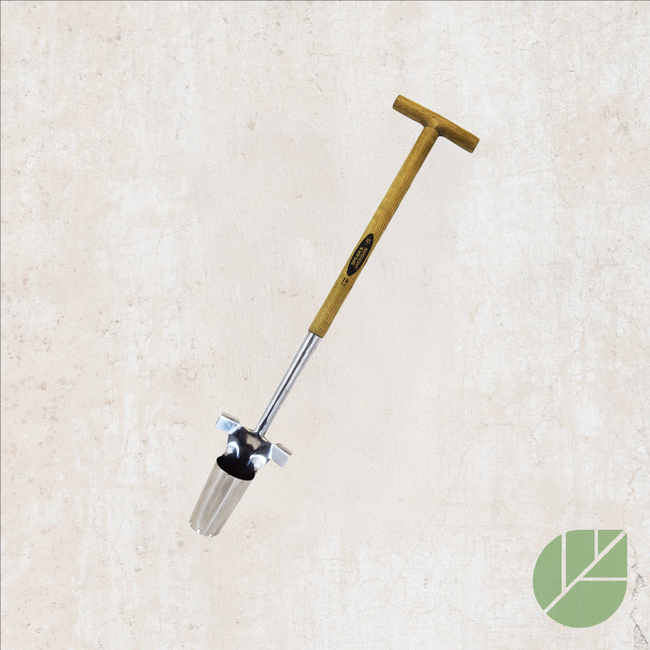
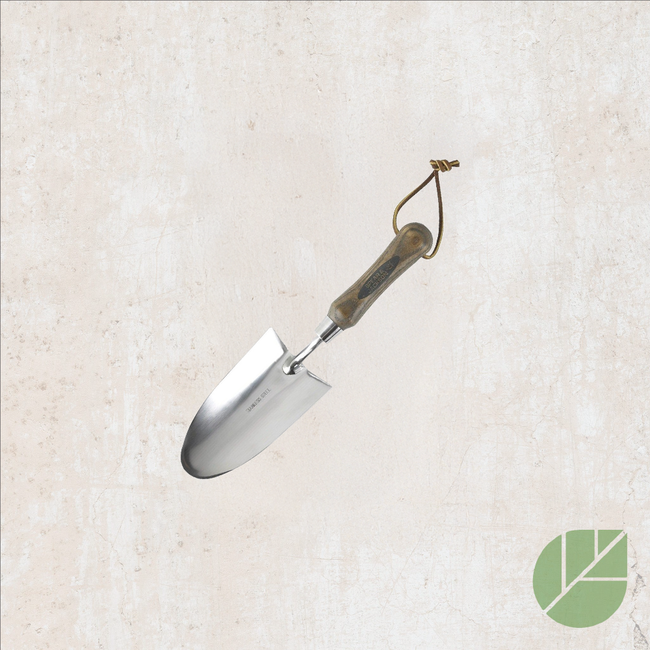
Bulb planters and planting tools
Shop the collection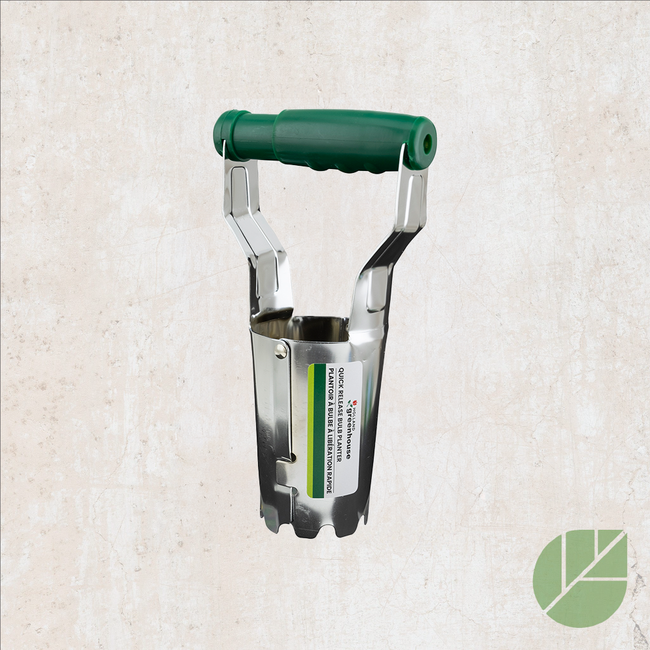

Soils and amendments for bulbs
Shop the collection