SaleSold out

BIOFOR® Forest Compost with Peat and Bark 1.2-0.8-0.5 – Fafard
BIOFOR Fafard Forest Compost for Clay Soil, Vegetable Gardens, and Flower Beds
BIOFOR Fafard Forest Compost is an organic amendment approved for organic farming, designed to improve soil structure, enrich the soil, and support healthy plant growth. Particularly useful in glay or clay soils, it helps reduce compaction and makes the soil easier to work with. This forest compost is suitable for vegetable gardens as well as flower beds, trees, shrubs, perennials, and annuals. It is aimed at Quebec gardeners looking for a natural, versatile, and effective solution to revitalize their soil, improve rooting, and create a more vibrant growing medium.
Its composition combines compost, sphagnum peat, and aged conifer bark. This formulation provides organic matter and essential nutrients, while contributing to improved aeration, water retention, and biological activity in the soil. Its guaranteed analysis is 1.2% total nitrogen (N), 0.8% available phosphoric acid (P2O5), 0.5% soluble potash (K2O), and 1% calcium (Ca). It also contains 35% organic matter, with a maximum moisture content of 55%. This organic mixture promotes a more fertile, better structured, and more favorable soil for root development.
Used as a clay breaker, planting amendment, or nutritive mulch, BIOFOR Fafard Forest Compost is a versatile product for gardening and landscaping work. It is ideal for improving heavy soil, enriching an existing flower bed, preparing an organic vegetable garden, or protecting the soil surface while gradually feeding plants. For gardeners wondering which compost to choose for clay soil, how to improve glay soil, or which natural amendment to use in the vegetable garden, this organic forest compost is a reliable, practical, and well-suited choice for residential growing conditions.
Uses
- Improvement of glay and clay soil structure
- Soil enrichment in residential vegetable gardens
- Planting and maintenance of trees and shrubs
- Nutrient supply for perennials and annuals
- Use as a nutritive surface mulch
- Preparation and revitalization of flower beds
Features
- Forest compost approved for organic farming
- Composed of compost, sphagnum peat, and aged conifer bark
- Guaranteed analysis of 1.2% N, 0.8% P2O5, and 0.5% K2O
- Contains 1% calcium
- 35% organic matter and maximum 55% moisture
- Practical 25-liter format
Recommended Plants
- Vegetable garden vegetables
- Herbs
- Annuals
- Perennials
- Trees
- Shrubs
Advantages
BIOFOR Fafard Forest Compost is particularly valued for its effectiveness in heavy and compacted soils. By incorporating it into the soil, it helps break up glay, improve porosity, and facilitate water and air penetration. Roots can thus develop more freely in a more flexible and better-structured environment. This improvement is important in gardens where the soil becomes sticky when wet and hard when dry, which can hinder planting, drainage, and plant establishment.
Its 35% organic matter content promotes a more vibrant and fertile soil. Organic matter helps nourish beneficial microorganisms, improve nutrient availability, and support plant growth. In both vegetable gardens and flower beds, this organic input helps plants establish faster and maintain better vigor throughout the season. Its guaranteed analysis of 1.2-0.8-0.5, with 1% calcium, also provides a gentle nutritional contribution that accompanies the physical improvement of the soil.
Used as a nutritive mulch, this forest compost protects the soil surface against drying out and temperature variations. It helps reduce water evaporation, maintain more stable conditions around the roots, and gradually enrich the top layer of the soil. This use is ideal around perennials, shrubs, annuals, and ornamental plantings. Its versatility makes it an excellent choice for gardeners who want a single product capable of amending, nourishing, and protecting the soil, while integrating with organic gardening practices.
Usage Tips
As a clay breaker, spread approximately 1.5 cm, or 5/8 inch, of BIOFOR Fafard Forest Compost on the soil surface, then incorporate the product to a depth of approximately 15 cm, or 6 inches. This method sustainably improves the structure of clay soils and promotes better rooting. For very heavy or compacted soils, repeated incorporation over seasons can help make the soil easier to work, more aerated, and more favorable for planting.
As a nutritive mulch, first remove weeds, then apply a layer of 2 to 5 cm, or 0.5 to 2 inches, to the soil surface. Avoid accumulating compost directly against stems, trunks, or the plant collar to prevent excessive moisture. For new plantings, incorporate the forest compost into the existing soil before planting to promote rapid recovery and vigorous plant growth. Water after application or planting to properly stabilize the soil around the roots.
Why choose BIOFOR Fafard Forest Compost
Choosing BIOFOR Fafard Forest Compost means opting for a quality organic forest compost designed to improve soils while supporting plant growth. Its combination of compost, sphagnum peat, and aged conifer bark increases soil organic matter, reduces compaction, and creates a more favorable environment for root development. It is particularly useful for gardeners who want to improve clay soil, enrich depleted soil, or prepare more fertile flower beds.
Whether to improve heavy soil, enrich a vegetable garden, nourish flower beds, or protect your plantings with a nutritive mulch, BIOFOR Fafard Forest Compost is a natural, versatile, and effective solution. Its practical 25-liter format facilitates its use in all types of gardens, from small residential spaces to larger landscaping projects. For Quebec gardeners looking for organic compost, a glay soil amendment, or a natural product to improve garden soil, BIOFOR Fafard offers a reliable base for more vigorous plants and more vibrant soil.
Frequently Asked Questions
Which compost to choose to improve clay soil
To improve clay soil, it is recommended to choose a compost rich in organic matter that helps reduce compaction and improve aeration. BIOFOR Fafard Forest Compost is designed to help break up glay and make the soil more flexible, more vibrant, and easier to work with.
How to use BIOFOR Fafard Forest Compost as a clay breaker
Spread approximately 1.5 cm of compost on the soil surface, then incorporate it to a depth of approximately 15 cm. This method mixes organic matter with the existing soil and gradually improves its structure.
Can this forest compost be used in the vegetable garden
Yes. BIOFOR Fafard Forest Compost can be used in the vegetable garden to enrich the soil, improve soil structure, and support the growth of vegetables and herbs. It is approved for organic farming, making it a good choice for food gardens.
Can this compost be used as a nutritive mulch
Yes. It can be used as a nutritive mulch by applying a layer of 2 to 5 cm to the soil surface, after removing weeds. This application helps retain moisture, protect the soil surface, and gradually enrich the soil.
Which plants benefit from BIOFOR Fafard Forest Compost
This compost is suitable for vegetable garden vegetables, herbs, annuals, perennials, trees, and shrubs. It is particularly useful when you want to improve soil structure, add organic matter, and promote more vigorous rooting.
For preparing your bulb planting
The right extras.Right here.
Bulb planters and planting tools
Shop the collection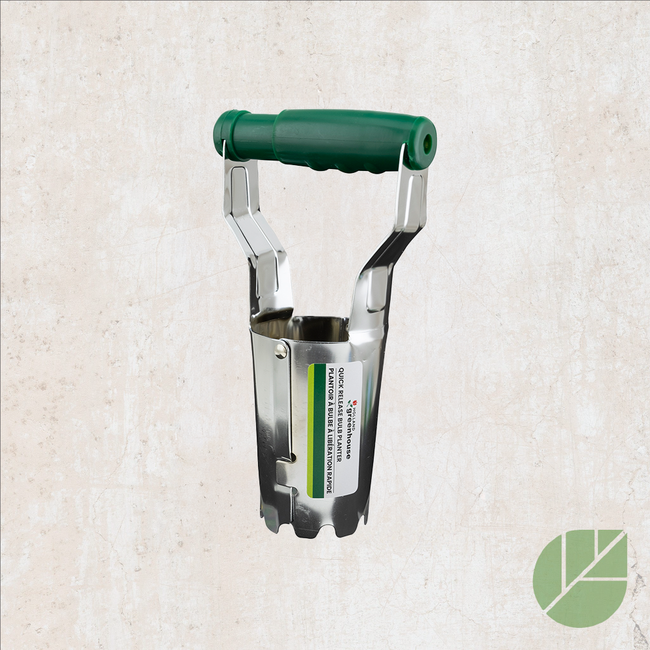
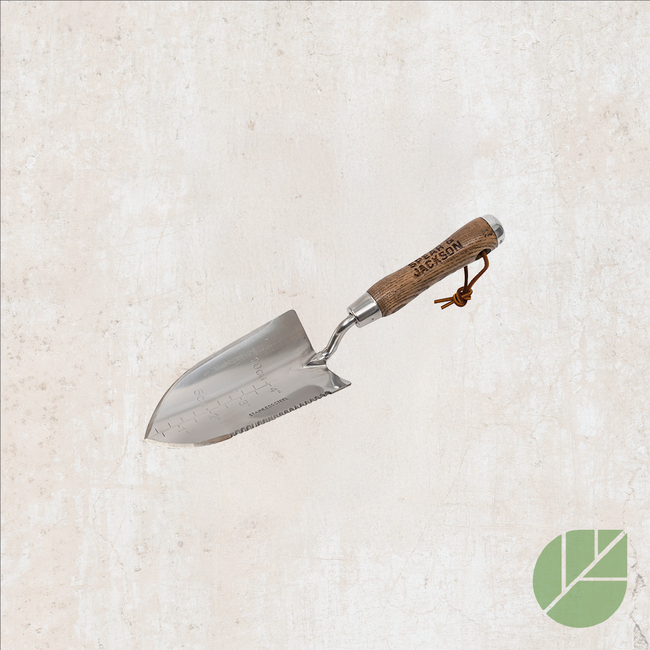
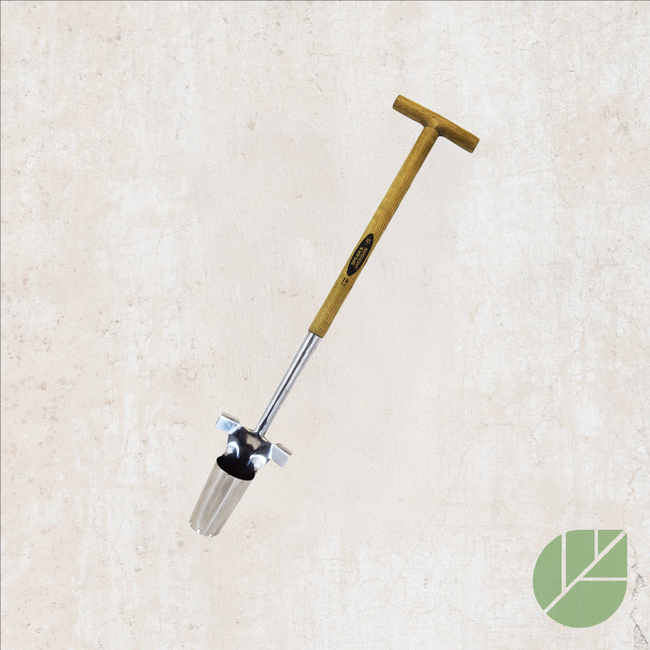
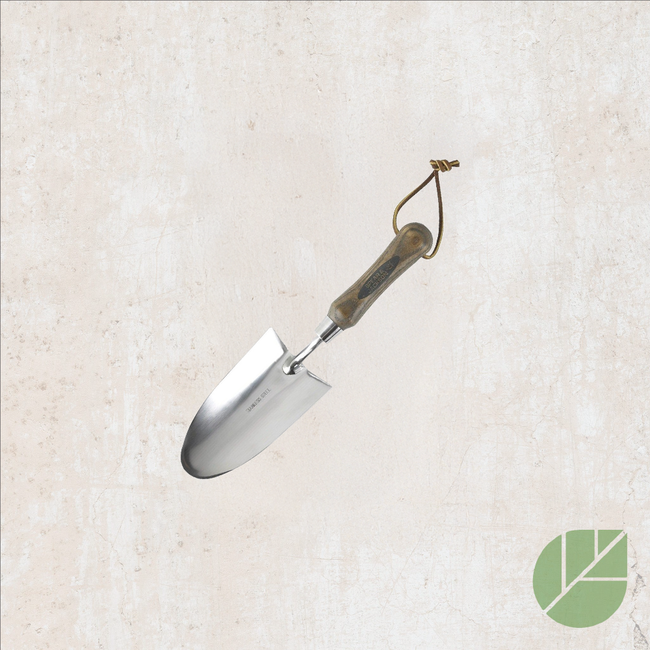
Soils and amendments for bulbs
Shop the collection