


Sale
Sold out

Open-pollinated slicing cucumber
Cucurbitaceae
Organic slicing cucumber seeds
Organic 'Marketmore' cucumber
Cucumis sativus
Product code : BIOVO-0031
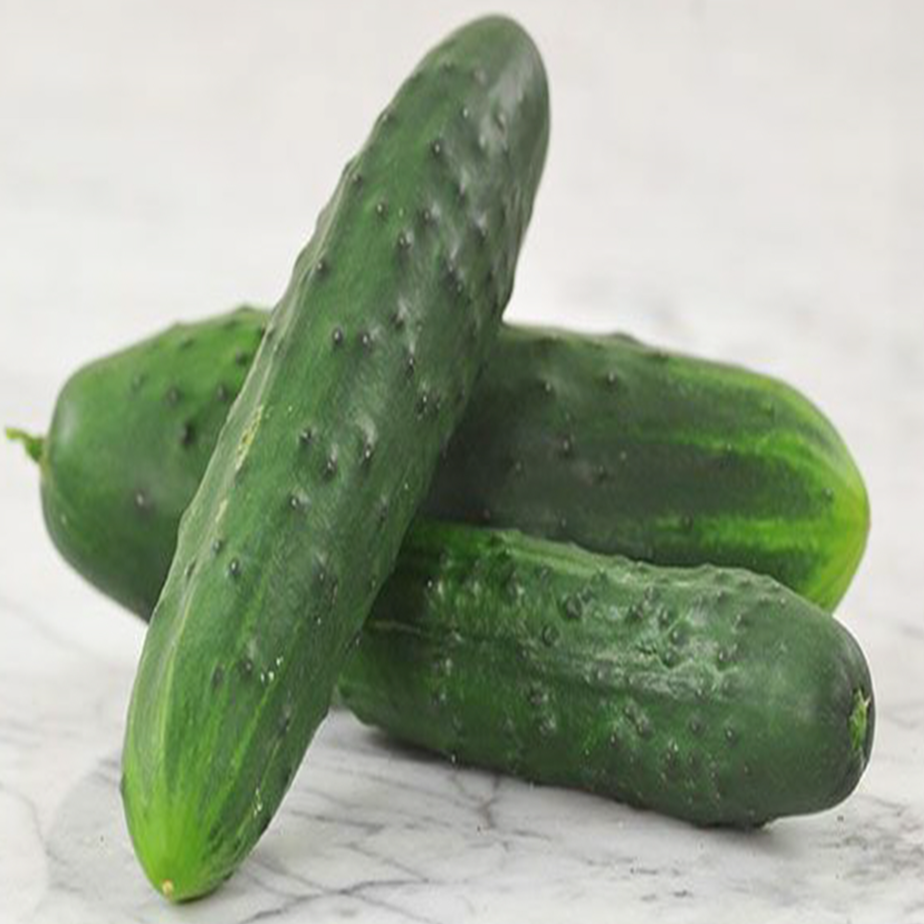
Organic 'Marketmore' is a vigorous widely adapted slicing cucumber producing cylindrical dark-green fruit approximately 20 to 22 cm long. The original cultivar is documented as open pollinated and resistant to scab and cucumber mosaic virus. Numbered lines are distinct and may carry different resistance packages. Harvest firm fruit before yellowing for crisp mild flesh. Train vines on a trellis to improve airflow and simplify picking. Warm soil, even moisture, and frequent harvests support continued production. Pick daily while fruit is sizing to retain fine texture and encourage new flowers. Remove oversized or yellowing cucumbers so developing fruit receives the plant's energy.
- Quantity
- Approximately 60 organic seeds
- Exposure
- Full sun
- Life cycle
- Warm-season annual
Discover the plant
Common name'Marketmore' cucumber, slicing cucumber
FamilyCucurbitaceae
GenusCucumis
Speciessativus
CultivarMarketmore
TypeOpen-pollinated slicing cucumber
Botanical nameCucumis sativus
Reproducible seedsYes
Organic 'Marketmore' cucumber (Cucumis sativus) is a traditional vigorous open-pollinated slicing cucumber. Cornell describes the original cultivar as monoecious, white-spined, widely adapted, and resistant to scab and cucumber mosaic virus. Firm cylindrical dark-green fruit generally reaches approximately 20 to 22 cm and maintains good colour during heat. The commercial name alone does not support assigning the additional resistances of 'Marketmore 76', '86', '97', or other numbered selections. Numbered selections are distinct; treat this product as unnumbered 'Marketmore'. Its classic slicing quality suits salads, sandwiches, cold soups, and refrigerator pickles.
Direct-sow after all frost risk once soil reaches at least 18 to 21°C, approximately 1.3 to 2.5 cm deep, or start plants two to three weeks before transplanting. Handle the root ball without disturbing roots and set in full sun. On a trellis, space approximately 30 to 45 cm apart; on the ground, allow 60 to 90 cm. Choose fertile soil rich in mature compost that remains evenly moist and well drained. Irrigate deeply at the base, mulch after soil warms, and remove floating covers once flowers open. Early male flowers may drop before female flowers appear without indicating crop failure.
Harvest usually begins near 65 days, depending on warmth, moisture, and the counting point. Begin inspecting before that point and harvest when fruit is dark green, firm, and approximately 18 to 22 cm long, before yellowing or seed hardening. Cut with pruners and pick every day or two during full production. Fruit suits fresh eating, salads, sandwiches, gazpacho, tzatziki, and refrigerator pickles. Monitor cucumber beetles, aphids, spider mites, bacterial wilt, powdery mildew, and downy mildew. Varietal resistance reduces certain risks but does not replace rotation, airflow, or prompt removal of diseased tissue.

Sowing guide
It all startswith a seed.
Sowing depth
Approximately 1.3 to 2.5 cm (1/2 to 1 in)
Spacing / density
Sow 3 seeds per hole 91 cm (36 in) apart; space rows 122 cm (48 in) apart
Germination temperature
Approximately 21 to 30 °C (69.8 to 86 °F)
Germination time
Approximately 4 to 10 days in warm soil; emergence is fastest near the upper end of the suitable temperature range.
Sowing period
After all frost risk in warm soil; indoors only two to three weeks before transplanting
Propagation
Direct sowing in warm soil or indoor sowing two to three weeks before transplanting
Growing method
Growing 'Marketmore' cucumber from seed. After frost, sow three seeds per hole 1.3 to 2.5 cm deep in soil at least 18 to 21°C, then retain the strongest plant. To gain time, start in pots two to three weeks before setting out. Harden, transplant without breaking the root ball, and space 30 to 45 cm on a trellis or 60 to 90 cm on the ground. Water at the base, mulch, and remove covers at flowering. Guide vines loosely and begin picking near 18 cm, while cucumbers are firm and dark green. Keep the sowing medium moist without saturation; germination generally occurs in 4 to 10 days near 21 to 30°C. Provide bright light immediately after emergence and retain only the strongest seedling at each location. Harden indoor-started plants gradually for approximately one week. Install the trellis before vines lengthen, then guide them with loose soft ties. Once flowers open, allow pollinators access and avoid applying insecticides to blossoms. Supply water consistently during flowering and fruit enlargement, then check the row every day or two and remove yellowing or diseased fruit. Cut cucumbers with clean pruners rather than twisting the vines, and cool each harvest promptly to preserve firmness.
Soil and care
The right care,at the right time.
Soil pH
Approximately 6.0 to 6.8
Minimum temperature
10 °C (50 °F)
Care level
Moderate
Watering
'Marketmore' cucumber needs consistent moisture as its climbing vine flowers and lengthens straight cylindrical dark-green fruit with fine white spines. Water 'Marketmore' cucumber slowly at the base, widening the wetted area as it spreads, and let excess drain between irrigations. Keep 'Marketmore' cucumber's leaves dry when practical and do not force the stream against stems, flowers, or fruit near the soil. Even 'Marketmore' cucumber's large container can dry beneath full foliage, so inspect it daily during heat and empty its saucer. Once 'Marketmore' cucumber's fruit reaches useful size, continue even watering and avoid a sudden heavy irrigation after drought.
Soil type
'Marketmore' needs fertile, loose soil rich in mature compost for its straight cylindrical dark-green fruit with fine white spines. Test the soil before making corrective mineral additions. In the 'Marketmore' planting, warm loam should retain dependable moisture while draining freely around its shallow roots. Avoid compaction, standing water, and sites that recently held seriously diseased cucurbits. Use a stable, rich, free-draining mix for container-grown 'Marketmore'. Mulch only after conditions suit the crop, keeping the crown uncovered.
Fertilization
'Marketmore' needs fertile soil for its vigorous seasonal growth. Let a soil test guide any corrective amendment. For 'Marketmore' cucumber, fruit development follows flowers, not nitrogen-heavy foliage. Never place fertilizer directly against young roots. Feed this vigorous branching climbing cucurbit plant bearing straight cylindrical dark-green fruit moderately before vines or stems begin running. Use new growth to judge whether nutrition is adequate. For 'Marketmore', its root zone needs even moisture during fruit development. Apply every fertilizer at its labelled rate. Late heavy feeding can postpone maturity on 'Marketmore' cucumber.
Moisture
Evenly moist soil with dry well-aerated foliage
Seasonal care
Seasonal care for 'Marketmore' cucumber. In spring, wait for warm soil or start plants only two to three weeks before setting out. After frost, install a trellis and protect temporarily from cucumber beetles, then remove cover at flowering. In summer, loosely guide first vines, mulch, water at the base, and harvest daily. Remove yellow fruit and severely diseased leaves without unnecessarily stripping the canopy. At season's end, dispose of infected debris, clean the trellis, and rotate away from cucurbits for three years. During flowering, maintain even moisture and open protective covers so bees can reach female blossoms. In heat waves, irrigate early in the morning, check containers again late in the day, and add mulch when soil dries too quickly. Feed lightly only when growth or fruit load warrants it because excess nitrogen favours leaves. At peak harvest, inspect both sides of the trellis daily, cut firm cucumbers, and cool them promptly. In autumn, harvest before frost, remove yellowing fruit, and pull severely diseased plants. Do not compost tissue affected by a persistent disease. Wash reusable ties and plan a rotation of at least three years before placing another cucumber in the same position. Store sound fruit refrigerated and review your sowing and first-harvest dates to improve next year's timing. During prolonged rain, improve airflow and avoid handling wet foliage. Check the crown after storms and redirect displaced vines gently.
Container growing
A garden,within reach.
Recommended pot size
At least 30 to 40 L and 35 to 45 cm (14 to 18 in) deep per plant
Growing 'Marketmore' cucumber in containers. Choose a container providing at least 30 to 40 L per plant, 35 to 45 cm deep, with excellent drainage. Install a sturdy 1.5-to-1.8-m trellis at the outset and use rich potting mix amended with mature compost. Water until drainage whenever the surface begins drying; a full-sun pot may require morning and evening checks. Feed lightly according to label directions after fruiting begins. Harvest every day so heavy fruit does not exhaust vines or slow fruit set. Place the container beside a sunny support protected from drying winds. Keep the crown at the same level as it grew in the cell and guide the first tendrils toward the trellis without tightening them. A light mulch moderates moisture swings, but leave several centimetres clear around the stem. Redirect vines toward light as needed instead of moving the container repeatedly. Check water daily during hot periods because abundant foliage and developing fruit quickly use the available reserve. Never allow a saucer to hold standing water. Cut fruit with small pruners, inspect leaf undersides for pests, and remove only severely diseased foliage so the plant retains enough photosynthetic surface. Keep the drainage holes clear throughout summer.

Bloom and dimensions
Its place,in your garden.
Mature height
On a trellis, approximately 1.5 to 1.8 m (5 to 6 ft)
Width / spread
On the ground, vines may extend approximately 1.2 to 1.8 m (4 to 6 ft)
Flower color
Yellow
Foliage color
Green
Foliage type
Large rough lobed leaves on tendrilled vines
Growth rate
Fast
Growth habit
Vigorous branching climbing or trailing vine
Fragrance
Crisp fresh mild flesh with classic cucumber flavour
Bloom period
Yellow male then female flowers on the same plant The first yellow flowers are often male and may drop naturally. Female blossoms follow with a tiny cucumber-shaped ovary behind the corolla. Bees usually transfer the pollen. Remove protective covers when flowering begins, avoid treatments on open blossoms, and maintain even moisture. Extreme heat, prolonged rain, or limited pollinator activity may temporarily reduce fruit set without indicating permanent crop failure.
Fruiting
Cylindrical fruit becomes dark green and carries fine white spines. Cucumbers generally reach 20 to 22 cm, although harvest may begin near 18 cm while skin is smooth, firm, and well coloured. Picking every day or two encourages continued production. Remove yellowing or oversized fruit because it develops a larger seed cavity and redirects energy away from new flowers and young cucumbers.
Days to maturity
Approximately 65 days
Harvest
Approximately 65 days; harvest dark-green fruit near 20 cm (8 in), before yellowing
Garden associations
In goodcompany.
Companion plants
Pair 'Marketmore' with garlic, basil, beans, and corn, the companions identified for this product. Position corn so it does not deprive the cucumber of sun, place basil along an accessible edge, and give climbing beans a neighbouring support. These plants share compatible warmth and watering needs without guaranteeing pest prevention. Keep every crop adequately spaced, preserve a clear path for harvest, and rotate the cucumber area with an unrelated plant family the following season. Check moisture separately beneath each crop during hot weather.
Plants to avoid
suppression
Recipe idea
From the gardento your plate.
Edible parts
Young firm fruit; clean correctly identified flowers only when untreated
Marketmore cucumber, tomato and chickpea salad, four servings. Prepare one large sound cucumber, two ripe tomatoes, 250 ml cooked and drained chickpeas, 30 ml olive oil, 15 ml lemon juice and 30 ml chopped parsley. Season lightly with salt and pepper. Wash the vegetables under running water. Trim the cucumber ends and cut the fruit into bite-size pieces; peel only if the skin is tougher than you prefer. Dice the tomatoes, reserving their juice for the dressing. Combine olive oil, lemon juice and the collected tomato juice in a large bowl. Fold in the cucumber, chickpeas and tomatoes, then add parsley immediately before serving. Taste and adjust the seasoning rather than adding salt automatically. Serve as a light lunch with bread or as a side for a freshly cooked meal. Keep the salad chilled until needed and refrigerate leftovers promptly in a clean covered container. Use a separate board and utensils from those used for raw meat. The dish is intended for fresh refrigerated use and is not suitable for shelf-stable storage or canning.
Frequently asked questions
Your questions,answered.
What distinguishes 'Marketmore' cucumber?
'Marketmore' is an open-pollinated slicing cucumber producing cylindrical dark-green fruit approximately 20 to 22 cm long. Its main value lies in vigorous growth, warm-weather adaptation, and dependable quality for fresh meals. The original variety has documented resistance to scab and cucumber mosaic virus without being immune. Numbered lines such as Marketmore 76 or Marketmore 97 are distinct and may carry other traits. Trellis the vines, maintain even moisture, and harvest before yellowing to retain firm crisp mild flesh. Frequent picking also encourages new blossoms and prevents hidden oversized fruit from slowing production. It performs well in large containers supplied with sturdy support.
At what length should 'Marketmore' be harvested?
Begin picking near 18 cm and generally harvest before 22 cm while fruit is dark green, firm, and cylindrical. Colour, weight, and a small seed cavity matter more than one isolated number. A cucumber that pales, yellows, or develops large seeds has passed its best table quality and slows new flowers. Inspect both sides of the trellis every day or two, cut the stem with pruners, and cool fruit promptly. Smaller cucumbers suit refrigerator pickles, while those near 20 cm provide broad even slices for meals. Remove every oversized fruit so the plant continues directing energy toward new blossoms. Check daily.
Which diseases does 'Marketmore' resist?
The historical description of the original cultivar lists resistance to scab and cucumber mosaic virus. More recent numbered lines have additional resistance packages, but those must not be assigned to unnumbered 'Marketmore'. Confirmed resistance does not mean immunity. Inspect plants, manage cucumber beetles that may spread disease, irrigate at soil level, and space vines for airflow. Remove severely affected tissue and sanitize tools between plants. Confirm unusual symptoms before treating or discarding an entire planting because several cucumber disorders can look similar. Crop rotation and prompt removal of infected debris remain important even when resistance is documented. Respond to symptoms promptly.
Why does a 'Marketmore' cucumber become bitter?
Extreme heat, drought, disturbed roots, or late harvest may increase bitterness. Maintain even moisture, mulch after soil warms, harvest before yellowing, and avoid excess fertilizer. Taste a small slice before serving because bitterness can vary from one end to the other. When flavour is exceptionally strong or persistent, spit it out and discard the fruit rather than cooking it; elevated cucurbitacins may cause digestive symptoms. Do not consume cucumbers from possible ornamental crosses or plants of uncertain identity. Review watering, heat exposure, and harvest frequency when several plants produce bitter fruit, then reduce those stresses before the next crop. Discard promptly.
Can 'Marketmore' seed be saved?
'Marketmore' is an open-pollinated variety, so seed may be saved when proper isolation is provided. Leave several fruit to enlarge and turn yellow far beyond eating stage until seed is fully mature. Cucumbers cross readily with other Cucumis sativus; isolate flowers or hand-pollinate when you want to preserve the variety accurately. Extract seed, ferment it briefly, rinse it, and dry it completely before storing it in a labelled envelope in a cool dry place. Never use very mature fruit retained strictly for seed production as food. Grow several healthy plants for broader genetic representation and keep clear notes about the harvest year and parent plants.
Wildlife and pets
Life,around your plants.
Supporting wildlife
Yellow flowers provide pollen and nectar for bees and other insects that move pollen to female blossoms. Good pollinator activity supports well-formed fruit. Avoid insecticides on open flowers, remove covers during bloom, and grow a few nectar-rich flowers nearby without blocking airflow around the cucumber foliage.
For a great start to your seeds
The right extras.Right here.
Seed Starting Soil
Shop the collectionSeed starting supplies
Shop the collection





