Sale
Sold out

Bush summer squash with scalloped fruit
Cucurbitaceae
Organic summer squash seeds
Organic 'Benning's Green Tint' pattypan squash
Cucurbita pepo
Product code : BIOVO-0060
Organic 'Benning's Green Tint' pattypan is an heirloom Cucurbita pepo summer squash. Its bushy plant produces pale-green to nearly creamy-white flattened scalloped fruit with tender flesh when harvested young, ideally at 5–10 cm. Pick every day or two to encourage new fruit. Its distinctive shape suits grilling, sautéing, roasting, or stuffing. Its compact habit makes fruit hidden beneath foliage easier to monitor. Set it in warm fertile soil, water consistently at the base, and allow bees to visit the blossoms. Young pattypans keep for several days in the refrigerator. Remove oversized fruit promptly so the next blossoms continue developing without delay.
- Exposure
- Full sun
- Life cycle
- Warm-season annual
Discover the plant
Common name'Benning's Green Tint' pattypan squash, scallop squash
FamilyCucurbitaceae
GenusCucurbita
Speciespepo
CultivarBenning's Green Tint
TypeBush summer squash with scalloped fruit
Botanical nameCucurbita pepo
Reproducible seedsYes
Organic 'Benning's Green Tint' pattypan squash (Cucurbita pepo) is an heirloom bush-form summer squash producing flattened saucer-shaped fruit with clearly scalloped edges and pale green to nearly creamy-white skin. Harvested young, ideally at 5–10 cm across, pattypans have tender skin and firm delicate cream-white flesh. Enjoy them raw, sautéed, grilled, steamed, roasted, or stuffed. The vigorous plant suits a vegetable garden, spacious raised bed, or very large container. Picking every day or two preserves a fine texture and encourages new fruit throughout the productive period. Their compact serving size and distinctive shape also make young pattypans convenient for summer meals.
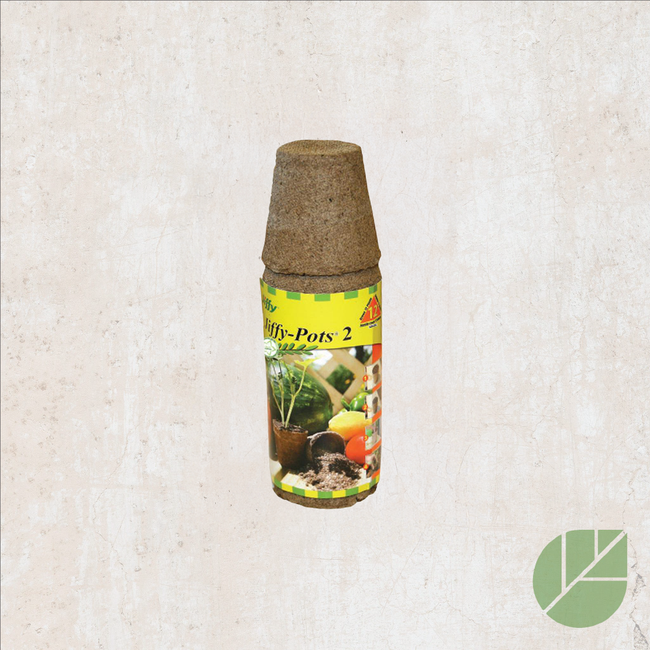
Sow after all frost risk once soil is warm, approximately 2–2.5 cm deep. Plants may also be started indoors about three weeks before transplanting in individual pots. Choose full sun and deep loose well-drained soil enriched with mature compost. Space plants approximately 90 cm apart and rows 60 cm apart. Water slowly at the base in the morning, then mulch once soil has warmed. Remove covers when the first blossoms appear so pollinators can reach them. Keep the centre of the bush accessible to find young fruit without breaking leaves, and avoid cultivating deeply around shallow roots.
Harvest generally begins after approximately 50–55 days, depending on warmth and growing conditions. Check plants daily or every other day and cut young fruit with a clean knife, leaving a short stem. Monitor cucumber beetles, squash bugs, vine borers, powdery mildew, and bacterial wilt. Rotate away from other Cucurbitaceae for at least three years. Refrigerate unwashed fruit in a perforated bag and use it promptly because pattypans are summer squash rather than long-storage winter squash. Discard any mouldy, extremely bitter, softened, or abnormal-smelling fruit instead of cooking it. Frequent harvest also prevents oversized fruit from slowing the next flush of blossoms.

Sowing guide
It all startswith a seed.
Sowing depth
Approximately 2 to 2.5 cm (3/4 to 1 in)
Spacing / density
Approximately 90 cm (36 in) between plants and 60 cm (24 in) between rows
Germination temperature
Approximately 21 to 32 °C (69.8 to 89.6 °F)
Germination time
Approximately 5 to 10 days in warm soil; cool or overly wet media can delay emergence.
Sowing period
After all frost risk in warm soil, or indoors approximately three weeks before transplanting
Propagation
Direct sowing in warm soil or indoor sowing approximately three weeks before transplanting
Growing method
Growing 'Benning's Green Tint' squash from seed. Sow two seeds 2–2.5 cm deep after frost in warm soil, then cut the weaker seedling. To advance the season, start in an individual pot approximately three weeks before setting out and transplant without breaking the root ball. Space 75–90 cm apart, water at the base, and remove covers at first bloom. Monitor pollination, squash bugs, and vine borer. Once fruit reaches 5–10 cm, harvest every day or two with a knife to keep the plant productive. Keep the seedbed evenly moist during emergence, which generally occurs in 5 to 10 days near 21 to 32°C. After thinning, retain the strongest seedling without pulling neighbouring roots. Harden indoor-started plants for approximately one week. Once flowering begins, allow bees to reach blossoms and avoid applying insecticide to open flowers. Check the centre of the bush for young fruit, squash-bug eggs, and early disease symptoms. Harvest at 5–10 cm, cool the crop promptly, and remove oversized fruit that slows production. Water deeply during flowering and fruit enlargement while keeping foliage dry whenever possible. Keep weeds shallowly controlled because squash roots spread near the surface. During rainy periods, increase airflow and wait until leaves dry before handling the plant.
Soil and care
The right care,at the right time.
Soil pH
Approximately 5.5 to 6.8
Care level
Moderate
Watering
Keep soil evenly moist during germination, then irrigate deeply at the base when the top few centimetres begin drying. Maintain steady moisture through flowering and fruit enlargement without leaving standing water around the crown. Water in the morning to keep leaves dry and add 5 to 8 cm of mulch after soil warms. Check containers daily in hot weather. Alternating drought and excess water may cause young fruit to abort and reduce harvest quality.
Soil type
Prepare deep loose well-drained soil amended with mature compost throughout the root zone. Pattypan grows rapidly while feeding blossoms, leaves, and young fruit, so poor or compacted soil directly restricts harvest. Moisture-retentive loam that never stays saturated performs best. Aim for pH near 5.5 to 6.8. In cold clay, grow on a broad mound; in sand, increase organic matter and mulch after warming. Avoid sites recently occupied by diseased squash, cucumbers, or melons and rotate for at least three years.
Fertilization
Work mature compost into the bed before sowing. When a soil test shows need, apply balanced fertilizer at planting according to label directions, then one light feeding after several harvests if growth slows. Avoid excess nitrogen because it favours large leaves over blossoms and makes fruit harder to locate. Adjust phosphorus and potassium from soil results instead of automatically. Keep products away from the crown, water after application, and observe the plant response before feeding again.
Moisture
Evenly moist soil, never saturated
Seasonal care
Seasonal care for 'Benning's Green Tint' squash. In spring, warm the soil and transplant without disturbing the root ball. A cover temporarily protects from cucumber beetles but must be removed at first bloom. In summer, mulch, water at the base, and harvest every day or two. Inspect leaf undersides for squash-bug eggs and the crown for vine borer; remove only dead or badly diseased leaves to preserve photosynthesis. At season's end, harvest before frost, pull affected plants, and do not compost heavily diseased tissue. Clear debris and rotate away from cucurbits. During flowering, open protective covers and maintain even moisture to support fruit set. In very hot weather, irrigate early in the morning and check container soil again late in the day. At peak harvest, lift leaves gently, pick at 5–10 cm, and remove overlooked fruit. Avoid excess nitrogen, which produces abundant foliage at the expense of blossoms. After prolonged rain, improve airflow and avoid unnecessary handling of wet leaves. In autumn, harvest before frost, discard severely diseased plants, and wash reusable containers. Record observed pests so protection can begin earlier the following season. Keep the crown visible, remove squash-bug egg clusters promptly, and sanitize cutting tools before moving between plants. During cool periods, reduce irrigation and confirm that water drains freely. Retain healthy leaves needed for fruit growth. Refrigerate harvested pattypans promptly and inspect stored fruit every day. At cleanup, do not leave diseased stems or fruit in the bed.
Container growing
A garden,within reach.
Recommended pot size
At least 60 to 75 L and 45 to 50 cm (18 to 20 in) deep
Growing 'Benning's Green Tint' squash in containers. Grow one plant in a stable container of at least 60–75 L and 45–50 cm deep with many drainage holes. Use rich potting mix containing compost, place in full sun, and keep approximately 1 m clear around foliage. Water to drainage whenever the surface dries; daily checks are essential in hot weather. Feed in small label-directed doses after several harvests. Never let the pot stand in a water-filled saucer. Frequent picking prevents large fruit from burdening the plant unnecessarily. Place the container out of strong wind without reducing the six to eight hours of sun required. Keep the crown at the same level as in its cell and leave open space around the bush. Light mulch moderates moisture but should not touch the stem. Check water morning and evening during heat waves; never leave the saucer full. After several harvests, feed lightly only when growth slows. Inspect leaf undersides, cut fruit with a clean knife, and rotate the pot only before roots and foliage occupy the entire space. Keep drainage holes open and harvest frequently to prevent large fruit from burdening the plant. A stable container also prevents tipping when broad leaves catch the wind.

Bloom and dimensions
Its place,in your garden.
Mature height
Approximately 45 to 60 cm (18 to 24 in)
Width / spread
Approximately 75 to 100 cm (30 to 40 in)
Flower color
Yellow
Foliage color
Green
Foliage type
Large rough lobed leaves on sturdy petioles
Growth rate
Fast
Growth habit
Vigorous open bush habit
Fragrance
Mild delicate flavour with firm white zucchini-like flesh
Bloom period
The first large yellow blossoms are often male and may drop naturally. Female flowers follow with a tiny pattypan behind the corolla. Bees usually transfer pollen. Remove covers when bloom begins, avoid treatments on open flowers, and maintain even moisture. When pollinators are scarce, move pollen from a fresh male blossom to the centre of an open female flower early in the morning.
Fruiting
Flattened scalloped fruit is very pale green when young and becomes nearly creamy white as it enlarges. Harvest ideally at 5–10 cm while skin remains glossy and tender and seeds are minimally developed. Check the plant centre every day or two because pattypans enlarge quickly. Cut the stem with a clean knife. Remove oversized fruit to support new blossoms and use it for stuffing when the skin has become firm.
Days to maturity
Approximately 50 to 55 days, depending on growing conditions
Harvest
Begin at approximately 50–55 days and harvest every day or two when fruit ideally measures 5–10 cm. Lift foliage gently, hold fruit without crushing scalloped edges, and cut the stem with a clean knife. Larger fruit remains edible but skin hardens, seed develops, and flesh loses delicacy. Do not let it mature on the plant when continued production is desired. Refrigerate young unwashed pattypans in a perforated bag and use promptly; these are summer squash, not long-storage winter squash.

Garden associations
In goodcompany.
Companion plants
Beet, celery, onion, potato, and thyme are the suggested companion plants. Position them far enough from the crown to preserve airflow, light, and watering access. Thyme may border the bed, while taller crops should remain to the north. These pairings do not guarantee freedom from pests and never replace rotation or inspection. Water each species according to its needs and keep a path open for picking pattypans without stepping on shallow roots. Check moisture separately beneath each crop during hot weather, and do not allow neighbouring foliage to crowd the squash crown.
Plants to avoid
Mainly avoid immediate competition from tall or heavy-feeding crops and recent succession after diseased cucurbits
Recipe idea
From the gardento your plate.
Edible parts
Young fruit and blossoms; properly prepared seed from mature fruit
'Benning's Green Tint' squash in the kitchen. Roasted mini pattypans — Wash 500 g sound young fruit measuring 5–8 cm, dry, and halve only the largest. Toss with 15 ml oil, one garlic clove, thyme, salt, and pepper. Spread in one layer and roast at 220°C for approximately 15–22 minutes, turning halfway, until browned yet still firm-tender. Finish with lemon and parsley. Refrigerate leftovers promptly. Discard every mouldy, extremely bitter, or abnormal-smelling fruit; intense bitterness may indicate undesirable cucurbitacins. This preparation makes approximately four servings. Space the pieces so they roast instead of steaming. Serve with rice, lentils, fish, or salad. For a variation, add smoked paprika or Parmesan during the final minutes. Cool leftovers promptly, refrigerate within two hours, and consume within two or three days. Reheat thoroughly and never keep cooked squash at room temperature for prolonged periods. For food safety, use clean utensils, wash the cutting board after contact with garden soil, and refrigerate the finished dish promptly. Young fruit can also be grilled in a perforated basket.
Frequently asked questions
Your questions,answered.
When should pattypan squash be harvested for tender texture?
Harvest fruit young, ideally at approximately 5–10 cm across. At this stage, skin is tender, seed is unobtrusive, and flesh cooks without peeling. Check plants daily or every other day in warm weather because fruit enlarges quickly beneath foliage. Cut the stem cleanly with a knife and refrigerate unwashed fruit in a perforated bag. Regular picking stimulates new blossoms and prevents the skin from hardening. Cool the harvest promptly and use it within the following days. A pale oversized firm fruit may still be stuffed, but it will have a coarser texture and more developed seeds. Remove every mature fruit from the bush so the plant can redirect energy toward younger fruit.
At what size should this pattypan be harvested?
Ideally pick at 5–10 cm across, often only one or two days after pollination. At this stage skin is tender, seed is unobtrusive, and fruit cooks nearly whole. Inspect the plant daily in warm weather because pattypans enlarge quickly beneath foliage. Fruit at 10–15 cm still suits stuffing or roasting, but larger specimens become white, hard, and seedy. Removing them remains useful for restarting new-fruit formation. Also judge glossy skin, firmness, and the small number of seeds visible after cutting. Use a clean tool instead of pulling the stem. Cool fruit promptly and cook specimens with a superficial scratch first. Record the harvest size that best matches your preferred recipe, since grilling and stuffing can favour different diameters.
Why do tiny pattypans yellow and fall off?
Incomplete pollination is the most common cause: the small swelling behind a female blossom begins enlarging, then yellows and aborts. Remove covers at bloom, avoid insecticides on flowers, and grow nearby nectar plants. Fresh pollen may also be transferred from a male blossom to the centre of a female blossom in the morning. Severe drought, saturated soil, cold, or excess nitrogen may worsen the problem. Correct conditions before adding fertilizer. Observe several blossoms over a few days before concluding that the entire plant has a problem because early flowers are often male. Keep the crown drained, irrigate deeply at the base, and protect pollinators. Remove aborted fruit so it does not decay in the centre of the bush. Hand-pollination may help when bee activity remains low.
Can the skin and blossoms be eaten?
Yes. Skin on young 5–10 cm fruit is normally tender and edible after washing; remove only the hard stem. Male and female blossoms are edible as well. To preserve yield, harvest mainly a few male blossoms after leaving enough pollen for female blossoms, identified by the tiny fruit behind the corolla. Use clean freshly opened flowers free from pesticides not labelled for food crops. Large hard-skinned fruit is better peeled or stuffed. Always wash fruit and blossoms under potable water before preparation. Remove damaged portions and use blossoms on the harvest day. Intense bitterness is abnormal: spit out and discard the fruit rather than trying to hide the flavour through cooking. Refrigerate prepared dishes promptly and keep culinary flowers separate from specimens treated with products not labelled for food crops.
Why does every blossom not produce a fruit?
Early blossoms are often male and do not carry a tiny fruit at their base. Female blossoms appear later and must receive pollen during their brief opening. Remove covers when bloom begins, avoid insecticides on flowers, and welcome bees with nectar plants. If needed, transfer pollen from a fresh male blossom to the centre of a female blossom early in the morning. Extreme heat, saturated soil, prolonged drought, or excess nitrogen may also cause young fruit to abort. Maintain even moisture, keep the crown well drained, and observe several blossoms for a few days before adding fertilizer. Repeated cool mornings may delay pollinator activity, so hand-pollination can improve fruit set.
Wildlife and pets
Life,around your plants.
Supporting wildlife
Large yellow blossoms provide pollen and nectar for bees and bumblebees that transfer pollen to female flowers. Their activity supports well-shaped pattypans. Remove covers during bloom, avoid insecticides on open corollas, and keep several nectar-rich plants nearby without blocking airflow around the squash foliage. Refresh a shallow insect water source regularly.
For a great start to your seeds
The right extras.Right here.
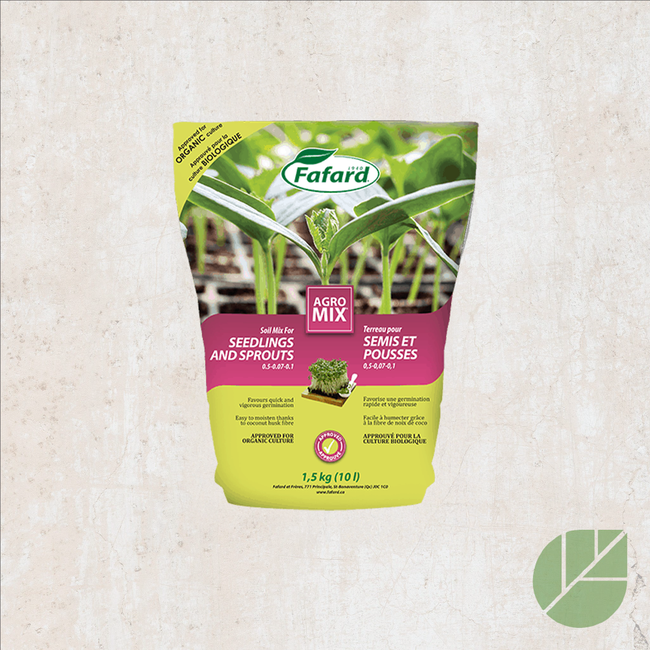
Seed Starting Soil
Shop the collectionSeed starting supplies
Shop the collection