Shade perennials

Wide Brim hosta

Hosta hybrid

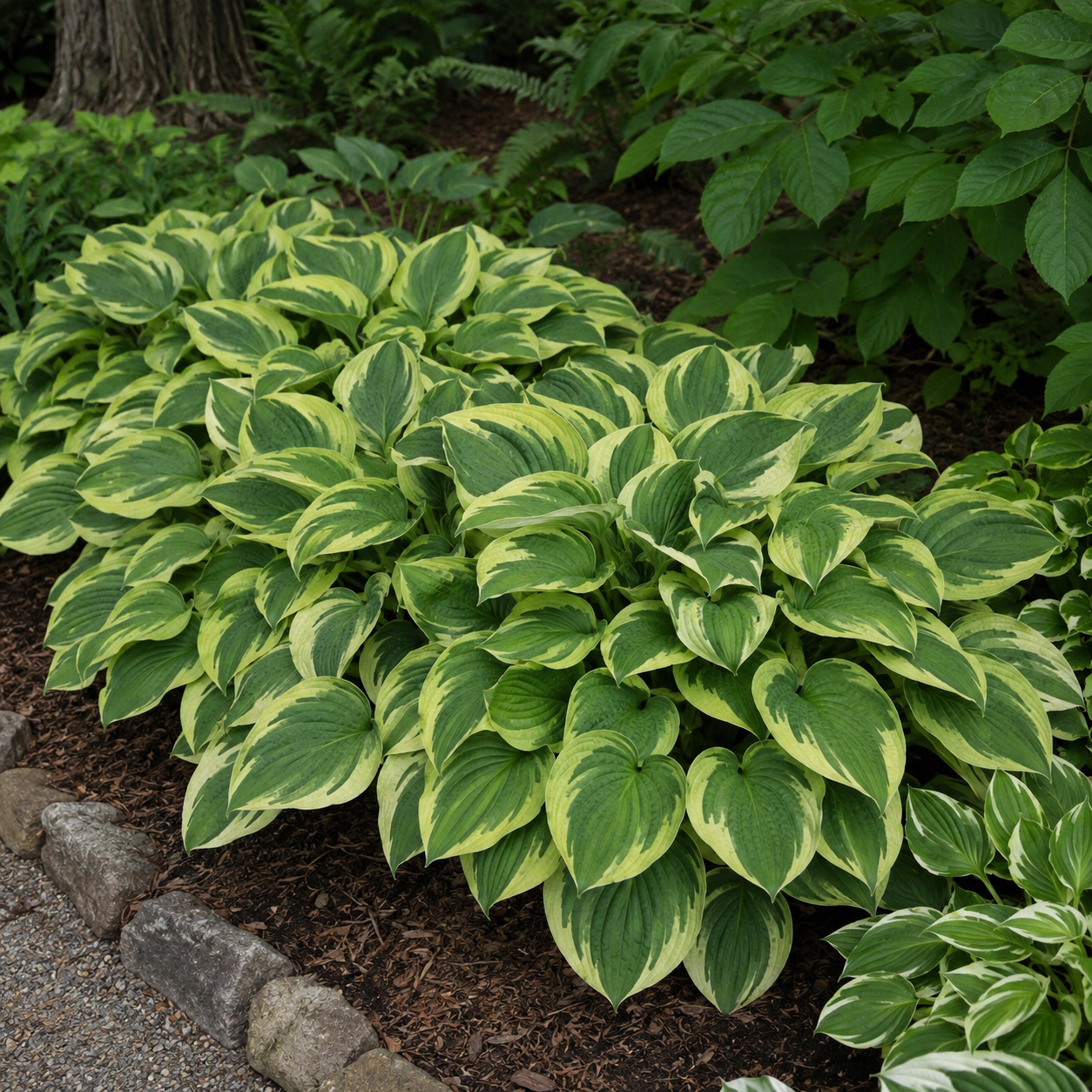
Wide Brim hosta is a moderate-growing shade perennial that forms a rounded clump measuring 30 to 45 cm (12 to 18 in) high and 60 to 105 cm (24 to 42 in) wide. Heart-shaped, corrugated leaves have dark green centres with a slight blue cast surrounded by broad irregular buttery yellow to creamy margins. From mid to late summer, pale lavender bells attract bees, butterflies and hummingbirds. Hardy in Zone 3 to 8, the plant prefers partial shade, rich moist soil and reliable drainage. It suits borders, woodland gardens, foundation plantings and large containers where its bright margin can be appreciated throughout the growing season.

Format

Share
Exposure
Partial shade
Life cycle
Hardy perennial
Hardiness
Zone 3 to 8

Discover the plant

Common nameWide Brim hosta
FamilyAsparagaceae
GenusHosta
CultivarWide Brim
TypeHerbaceous perennial
Botanical nameHosta hybrid

Wide Brim Hosta (Hosta ‘Wide Brim’) forms a rounded clump of heart-shaped, broadly oval and corrugated leaves. Dark green centres with a slight blue cast are surrounded by broad irregular buttery yellow to creamy margins that brighten shaded spaces. A mature clump reaches about 30 to 45 cm (12 to 18 in) high and 60 to 105 cm (24 to 42 in) wide. From mid to late summer, tall scapes carry pale lavender bell-shaped flowers above the foliage. Its moderate growth gradually creates a dense, structural mound suited to borders and woodland-style plantings.

Wide Brim prefers partial shade or light shade, although it tolerates gentle sun when the soil remains moist. Morning light can strengthen the yellow margin, while hot afternoon sun may scorch creamy portions. Plant it in rich, humus-filled, moist and well-drained soil with the crown level with the surrounding ground. Water consistently during establishment and dry periods without leaving roots waterlogged. Hardy in Zone 3 to 8, this hosta also has moderate salt tolerance and tolerates juglone from walnut trees according to a Canadian specialist nursery. A spring compost layer generally supplies enough nutrition for its steady foliage growth.

This perennial suits shade beds, designed woodland gardens, moist borders, foundation plantings and large containers. Its lavender flowers attract bees, butterflies and hummingbirds. Pair the variegated foliage with ferns, purple coral bells, astilbes, lungworts, brunneras or Japanese forest grass. Monitor slugs as young leaves unfold and protect the clump from deer, which often seek hostas. All parts contain saponins that are toxic to dogs and cats, so this ornamental should not be presented as pet friendly. Thoughtful placement protects the broad leaves from foot traffic while keeping the plant away from curious animals.

Hosta ‘Wide Brim’ — Hosta

Planting guide

From planting to establishment.

Spacing / density 60 to 105 cm (24 to 42 in)
Best planting time Spring or early fall
Propagation Clump division in spring or fall
Growing method
For best results, plant Wide Brim in spring or early fall in partial shade or light shade. Morning light often encourages a more golden centre, but protection from hot afternoon sun prevents scorching. Loosen an area wider than the root ball and incorporate mature compost into poor soil. Set the crown level with the surrounding ground, then allow 60 to 105 cm (24 to 42 in) for the mature spread. Backfill without excessive compaction and water slowly to remove air pockets. Keep the soil evenly moist during the first season without allowing water to collect around the roots. An organic mulch 5 to 7 cm (2 to 3 in) deep conserves moisture but should remain clear of the crown. In spring, a compost layer or balanced slow-release fertilizer is generally sufficient. Watch for slugs as young leaves unfold even though this cultivar has good substance. After flowering, scapes may be removed or left until they fade. Wait until foliage yellows after frost before cleaning it away. Division every four or five years is useful only if the clump becomes too broad or begins thinning at the centre. Replant vigorous sections at their original depth and water them consistently until new roots establish.

Soil and care

The right care,at the right time.

Soil pH

Slightly acidic to mildly alkaline

Care level

Easy

Watering

Water deeply after planting and keep the soil evenly moist during establishment. Afterwards, water when the top few centimetres begin to dry, especially during hot periods or beneath competing trees. Direct moisture toward the soil to keep leaves clean. Avoid repeated shallow watering and standing water. Check containers more often because the broad foliage increases water loss and potting mix dries faster than garden soil.

Soil type

Wide Brim prefers rich, humus-filled, moist and well-drained soil. Loam amended with compost or decomposed leaves supports its broad foliage. Soil may be slightly acidic, neutral or mildly alkaline, but it should retain consistent moisture without becoming waterlogged. Beneath trees, monitor competition from roots. An organic mulch reduces drying when kept away from the crown and renewed only as it decomposes.

Fertilization

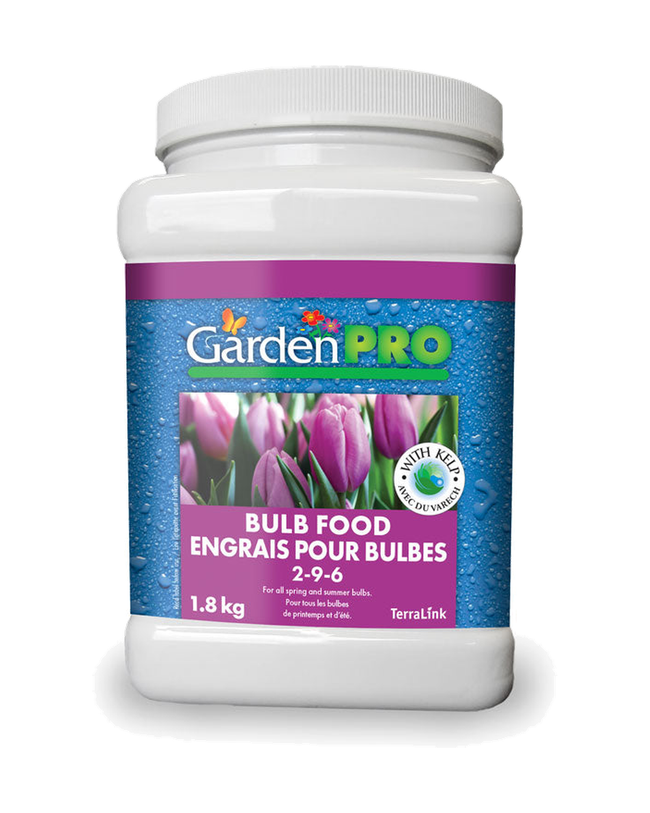
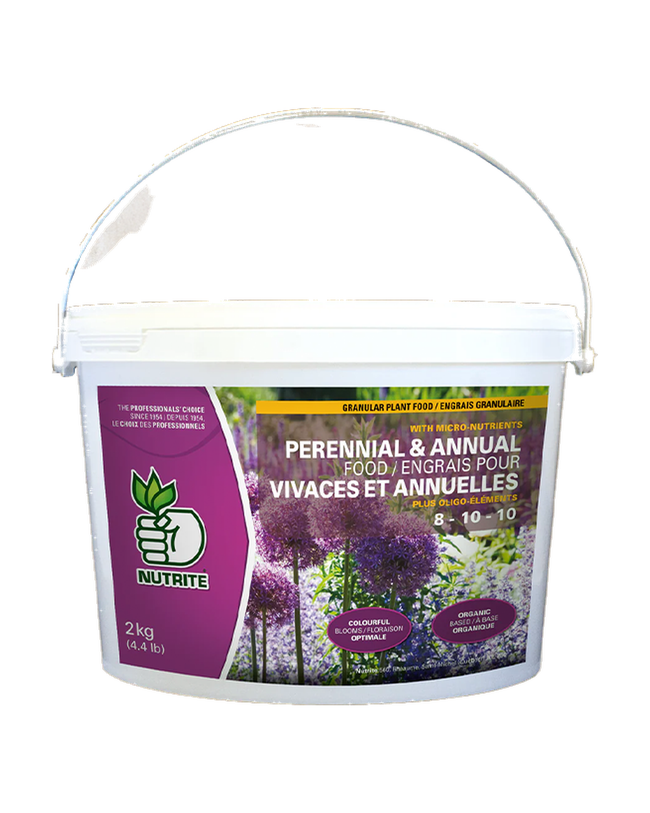
In spring, add a layer of mature compost around the clump or apply a balanced slow-release fertilizer according to the label. Moderate nutrition supports the development of broad leaves without making them excessively soft. Avoid nitrogen-heavy feeding, which may increase slug damage. In containers, a diluted water-soluble fertilizer can be used during active growth and then reduced by late summer as the hosta begins preparing for dormancy.

Moisture

Average to high

Seasonal care

In spring, remove the previous year’s foliage if it was not cleaned away after frost. Work carefully around new shoots because they break easily as they emerge. Add compost or a light application of balanced slow-release fertilizer, then renew mulch without covering the crown. Watch for slugs as leaves unfold; Wide Brim has good substance, but no cultivar is completely immune. During summer, keep the soil moist in dry periods and observe leaf edges. Browning can indicate insufficient water or overly intense sun. Flower scapes may remain for hummingbirds and bees, then be cut when they become faded. In fall, allow the foliage to yellow naturally so the plant can recover stored energy. Remove it after a hard frost or in early spring to reduce shelter for slugs. In cold regions, mulch applied after the ground freezes helps limit freeze-thaw cycles, especially around young plants. Containers should be protected from drying winds while retaining open drainage during thaws. Every four or five years, divide in spring or early fall only when the clump becomes too broad, loses vigour or thins at the centre. A healthy plant can otherwise remain undisturbed for many seasons. Continue checking soil moisture beneath mature trees because their roots can rapidly draw water away from the hosta during warm weather. Replenish organic mulch when it becomes thin.

Container growing

A garden,within reach.

Recommended pot size

At least 45 to 50 cm (18 to 20 in) in diameter
Wide Brim can grow in a container, but its broad mature spread requires a stable pot at least 45 to 50 cm (18 to 20 in) in diameter with generous depth. Choose a container with several drainage holes and fill it with rich, airy, freely draining potting mix. Set the crown level with the surface, then place the pot in partial shade or gentle morning light. Water thoroughly and let all excess moisture escape. Check moisture often in summer because the broad foliage loses considerable water and the mix should never dry completely. A thin mulch preserves freshness without covering the centre. Add compost or a balanced slow-release fertilizer in spring, then avoid nitrogen-heavy feeding. Remove damaged leaves and monitor for slugs around the pot. For Canadian winter, place the container beside a sheltered wall, group it with other pots or insulate its sides after dormancy. Drainage holes must remain open during thaws. The plant can also be moved into the garden in early fall. An undrained decorative vessel should serve only as a cachepot when the inner growing container can drain without leaving roots in water. Refresh the upper mix layer in spring before new shoots expand.
Hosta Wide Brim Hosta ‘Wide Brim’

Bloom and dimensions

Its place,in your garden.

Mature height

30 to 45 cm (12 to 18 in)

Width / spread

60 to 105 cm (24 to 42 in)

Flower color

Pale lavender

Foliage color

Dark blue-green centre with broad buttery yellow to creamy margin

Foliage type

Deciduous

Growth rate

Moderate

Growth habit

Large rounded spreading clump

Fragrance

Not fragrant

Bloom period

From mid to late summer, tall bracted scapes rise above the foliage and carry one-sided racemes of pale lavender bell-shaped flowers. They add a light outline to the variegated mound and attract bees, butterflies and hummingbirds. Scapes can remain throughout flowering and then be cut cleanly when they become faded, or retained until discreet capsules form if their appearance is desired.

Fruiting

Inconspicuous capsules after flowering
Hosta Wide Brim Hosta ‘Wide Brim’

Garden associations

In goodcompany.

Companion plants

Combine Wide Brim with ferns, dark-leaved coral bells, silver brunneras, astilbes, hellebores, lungworts and Japanese forest grass. These plants generally appreciate partial shade and moist organic soil. Their fine textures, dark or silver foliage and staggered bloom seasons emphasize the hosta’s golden centre. These pairings are based on compatible growing needs and visual interest; they do not guarantee automatic protection against slugs, deer or diseases. Preserve enough space so vigorous companions do not cover the emerging shoots or broad mature leaves.

Plants to avoid

Around Hosta ‘Wide Brim’, above all, avoid neighbors that would cover its leaves or strongly compete with its root ball. Compatibility of light, water, and spread takes precedence over a list of so-called enemy plants.

Frequently asked questions

Your questions,answered.

What light is best for Wide Brim hosta?
Wide Brim prefers partial shade or light shade. Two to four hours of gentle morning sun can intensify the golden centre when the soil remains moist. Hot afternoon sun may scorch yellow or creamy portions, especially during a dry period. Very dense shade protects the leaves but may keep the centre more chartreuse and reduce flowering. Observe the plant: browned edges often indicate excessive sun or insufficient water. In a Canadian garden, an east-facing position, a site beneath a light tree canopy or filtered shade generally offers the best balance of colour, cool soil and vigorous growth. Container plants can be moved if seasonal light becomes unexpectedly intense.
How large does Wide Brim hosta become?
A mature clump reaches about 30 to 45 cm (12 to 18 in) high and 60 to 105 cm (24 to 42 in) wide. Flower scapes rise higher above the foliage, although the selected sources do not publish one consistent exact scape height. This spread develops gradually at a moderate growth rate, so a newly purchased container plant will be smaller. Allow for the final size at planting to prevent leaves from covering a path or lower perennials. Generous spacing also improves air circulation and displays the rounded mound. Container growth may be more restricted when roots fill the available soil volume.
How can Wide Brim be protected from slugs and deer?
Monitor slugs as soon as young leaves emerge, especially during a wet spring. Remove debris where they shelter, water in the morning rather than evening and inspect beneath leaves and around the clump regularly. Wide Brim is not presented as immune to their damage. Deer also seek hostas and can consume the foliage quickly. In a frequently browsed area, a physical barrier, discreet netting or another appropriate protection strategy is more reliable than simply combining the hosta with companion plants. Select any control product carefully, especially around children, pets and pollinators, and always follow the label for safe placement and timing.
Can Wide Brim hosta grow in a container?
Yes, but its broad spread requires a stable container at least 45 to 50 cm (18 to 20 in) in diameter, with useful depth and several drainage holes. Use rich, airy potting mix, place the pot in partial shade and keep the substrate moist without leaving water in the saucer. Broad foliage increases water needs during hot periods. For Canadian winter, protect the container sides, position it out of drying winds and keep drainage open during thaws. Moving the plant into the garden in early fall is another option when the pot becomes too small. Divide only when needed, then retain vigorous sections with healthy roots.
Is Wide Brim hosta safe around pets?
No. Hostas contain saponins and are classified as toxic to dogs, cats and horses when eaten. Possible signs include vomiting, diarrhea and depression. Wide Brim should therefore be treated as an ornamental that is not pet friendly and not as an edible plant. Position it where curious animals cannot chew the leaves. If a pet consumes the plant or develops symptoms, promptly contact a veterinarian or animal poison-control service. Slug-control products used around hostas must also be selected and applied with great care near pets. Never assume a product is safe simply because it is marketed for garden use; always follow its label.

Wildlife and pets

Life,around your plants.

Attracts birds

Yes

Reported toxicity

Yes

Supporting wildlife

The pale lavender flowers of Wide Brim attract bees, bumblebees, butterflies and hummingbirds from mid to late summer. Scapes can remain throughout flowering to support these visits. Deer, however, often seek the foliage, so protection may be needed where browsing pressure is high. Avoid applying insecticides to open flowers while pollinators are actively visiting the clump.