Sale
Sold out

Hydrangeaceae
Trees and shrubs
‘Let’s Dance Can Do!’ Hydrangea
Hydrangea macrophylla × serrata
Each store has its own inventory.
Products and available quantities may vary between Brossard and Laval. To check a store’s inventory, please contact us directly.
Even better: visit us in store to discover the full selection available!
- Exposure
- Partial shade
- Hardiness
- Zone 5
Discover the plant
Common nameHydrangea
FamilyHydrangeaceae
GenusHydrangea
Speciesmacrophylla × serrata
CultivarLet's Dance Can Do!
TypeOrnamental shrub
Botanical nameHydrangea macrophylla × serrata
Hydrangea ‘Let’s Dance Can Do!’ (Hydrangea macrophylla × serrata ‘Let’s Dance Can Do!’). Hydrangea macrophylla 'Let's Dance Can Do!' is a new generation hydrangea offering abundant and reblooming flowers, even after a harsh winter. Its unique characteristic is that it flowers on both new and old wood, ensuring reliable blooms every season, including in colder regions. Its flat, lacecap-type flowers change from pink to purplish-blue depending on soil acidity, adding a graphic and changing touch.
To plant Hydrangea ‘Let’s Dance Can Do!’, choose a suitable exposure: partial shade. The recommended soil is rich, fresh, well-drained – with acidity influencing the color. Maintain regular moisture around the roots, as abruptly drying soil can cause the foliage to wilt. Avoid repeated pruning to artificially maintain a small silhouette; instead, choose a space suited to the variety's development. Water the root ball before planting it and ensure that water can drain after planting. During establishment, check the moisture by hand before watering again.
Allow for a width of 1.2 m (4 ft) to plan the placement of this plant in the garden. The indicated height of 90 cm (3 ft) helps in choosing its position relative to neighboring plants. Maintain access to the base for weeding, checking moisture, and removing damaged parts. Combine this variety with plants whose light and water requirements are compatible. If you are considering a container, first check that its volume and drainage are suitable for root development. Roots in pots are more exposed to cold than those planted in the ground.

Soil and care
The right care,at the right time.
Minimum temperature
'-34°C
Watering
Abundant in hot weather, soil always fresh
Soil type
Humiferous, well-drained, acidic to alkaline (pH influences color)
Fertilization
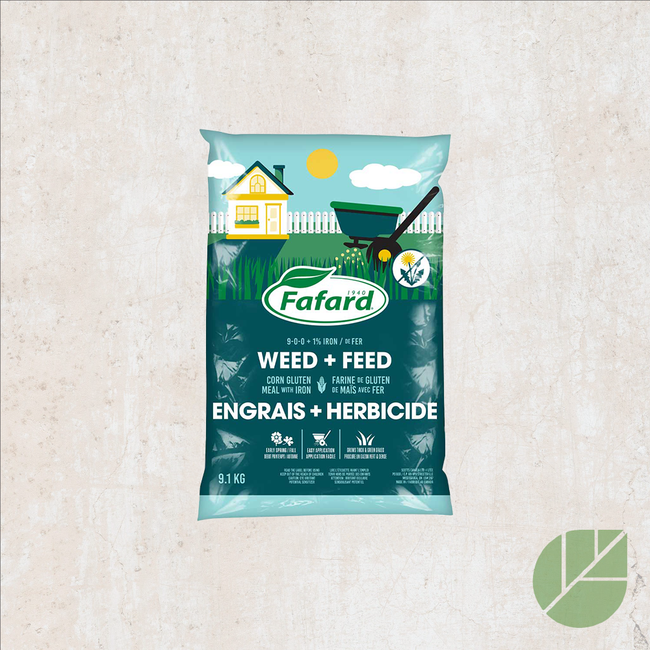
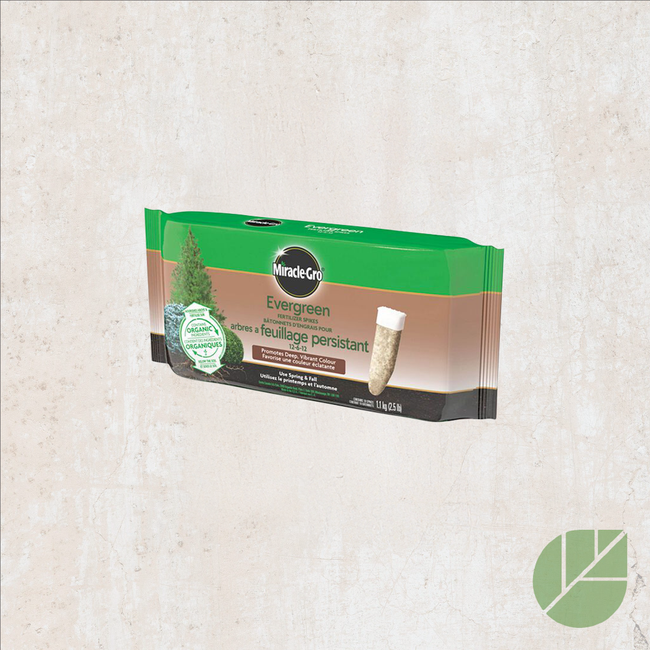
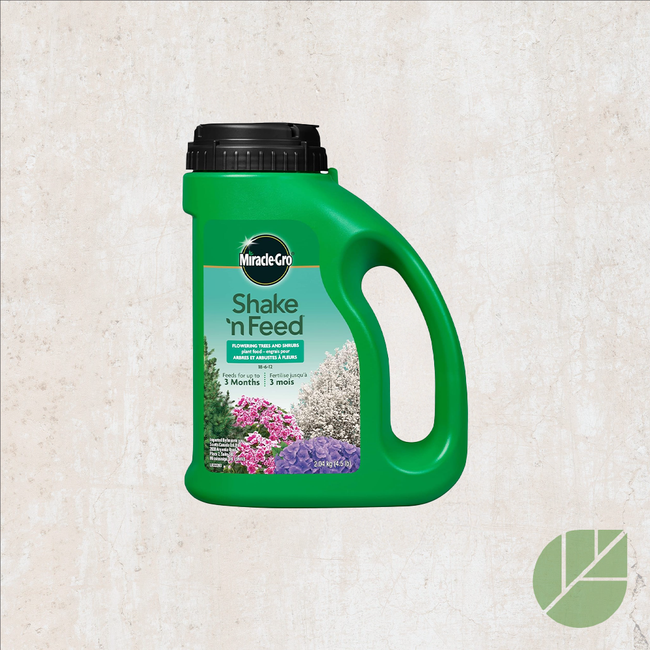
Specific hydrangea fertilizer according to the desired color:
Bloom and dimensions
Its place,in your garden.
Mature height
90 cm (3 ft)
Width / spread
4 ft (1.2 m)
Flower color
Pink or blue (depending on pH)
Foliage color
Green
Foliage type
Obsolete
Growth rate
Medium — steady growth, well-defined rounded shape achieved in 3 to 4 years, requires little pruning to establish structure.
Growth habit
Compact rounded, dense structured habit
Bloom period
Early summer to early fall
Fruiting
Discreet fruiting.
Wildlife and pets
Life,around your plants.
Supporting wildlife
Yes
For your trees, shrubs and conifers
The right extras.Right here.
Tree and Shrub Fertilizer
Shop the collection