Sale
Sold out

Iceberg or crisphead lettuce
Asteraceae
Organic leafy vegetable seeds
Organic 'Crispino' iceberg lettuce
Lactuca sativa
Product code : BIOVO-0051
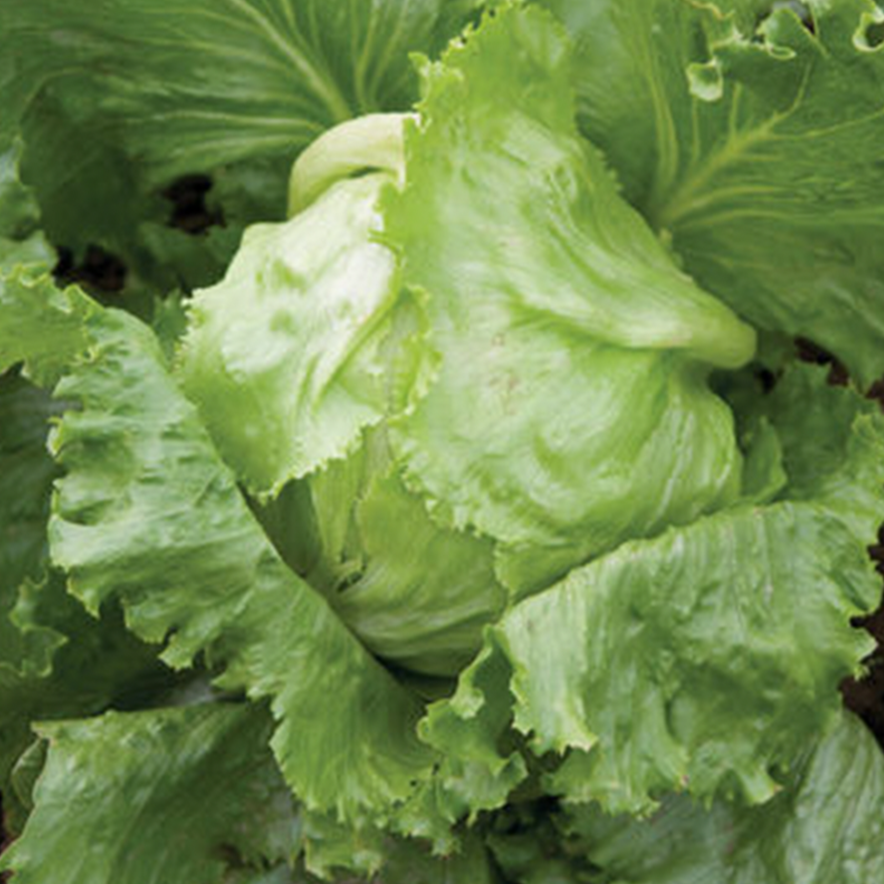
'Crispino' is iceberg lettuce producing a large, uniform, firm, dense, glossy head with green wrapper leaves and crisp white interior leaves. It generally reaches maturity in approximately 57 days. Sufficient spacing, uninterrupted growth, and cool temperatures encourage head closure. The variety is described as resistant to unspecified disorders, but no resistance to a particular disease is confirmed. Sow small amounts every two or three weeks so all heads do not mature together. Maintain steady moisture, provide light afternoon shade during heat, and harvest once heads are full before bolting. Chill promptly after cutting and refrigerate in a clean container. Use the tender outer leaves first.
- Exposure
- Full sun to partial shade
- Life cycle
- Annual vegetable
Discover the plant
Common nameIceberg lettuce, crisphead lettuce
FamilyAsteraceae
GenusLactuca
Speciessativa
CultivarCrispino
TypeIceberg or crisphead lettuce
Botanical nameLactuca sativa
Reproducible seedsYes
Organic 'Crispino' iceberg lettuce (Lactuca sativa) is crisphead lettuce producing a large firm dense glossy head surrounded by green leaves and filled with crisp white interior leaves. Unlike leaf lettuce picked progressively, it is mainly grown for a complete tightly formed head. Fresh brittle texture suits salads, sandwiches, tacos, burgers, wraps, and garnishes where abundant crunch is desired. Sound tender wrapper leaves may also be chopped into salads or wraps rather than discarded. The closed head also cuts neatly into uniform wedges for attractive serving at family meals.
Direct-sow as soon as soil can be worked or start plants three to four weeks before transplanting. Barely cover seed and maintain cool temperatures for uniform emergence. Space plants 25–30 cm apart in rows 38–45 cm apart so every head forms without competition and air moves around foliage. Choose loose fertile soil enriched with mature compost, moisture-retentive, and well drained. Grow in sun during cool weather; in heat, light afternoon shade and steady watering reduce stress. Water transplants immediately and keep the shallow root zone evenly moist throughout head formation. Keep the crown above soil level and weed shallowly around roots.
Maturity is approximately 57 days. Harvest once the head is full, firm under light pressure, and still fresh before the central stem begins elongating. Cut at soil level early in the morning, remove only damaged wrapper leaves, and chill immediately. 'Crispino' is described as resistant to certain unspecified disorders, but no resistance to a particular disease is confirmed. Good rotation, drainage, and airflow remain essential. Wash harvested heads carefully, dry them, and refrigerate promptly in a clean container. Keep cut heads shaded outdoors and discard every slimy or mouldy leaf.

Sowing guide
It all startswith a seed.
Sowing depth
Barely cover, approximately 0.3 to 0.5 cm (1/8 to 1/4 in)
Spacing / density
Thin to approximately 25 to 30 cm (10 to 12 in), with 30 to 45 cm (12 to 18 in) between rows
Germination temperature
Approximately 10 to 20 °C (50 to 68 °F); germination declines sharply in warm soil
Germination time
Approximately 5 to 10 days at 10–20°C; temperatures above 24°C can reduce or delay germination.
Sowing period
Early spring as soon as soil can be worked; late summer for an autumn harvest
Propagation
Direct sowing or indoor sowing three to four weeks before transplanting
Growing method
Growing 'Crispino' lettuce from seed. Sow on the surface of fine moist soil and cover only 0.3–0.5 cm. Keep cool until emergence. Thin promptly to retain 25–30 cm between plants and 38–45 cm between rows; crowded plants cannot close into heads. Harden three- to four-week-old transplants gradually and set without burying the crown. Water immediately, maintain steady growth, and make small successive sowings. Provide light afternoon shade during warm periods. Keep the seedbed evenly moist with a gentle stream and remove excess seedlings early without disturbing those retained. Apply light mulch after establishment to limit splashing and drying. Monitor head closure without squeezing foliage. For summer, sow early in the morning, shade the bed until emergence, and choose the coolest available location. Harvest the entire head once it becomes round and evenly firm before the centre elongates. Avoid recently diseased beds, improve drainage, and rotate with unrelated crops. Label every sowing date and chill each harvested head promptly. Remove bolting or badly diseased plants immediately. Preserve all sound wrapper leaves until head closure. Check moisture daily during heat, keep the crown dry, and inspect for slugs or aphids beneath outer foliage. Harvest in the morning and keep the cut head shaded until refrigeration.
Soil and care
The right care,at the right time.
Soil pH
Approximately 6.0 to 6.8
Care level
Moderate
Watering
'Crispino' iceberg lettuce has a compact, shallow root system, so keep the soil evenly moist while its round glossy dense head with green wrapper leaves and a white heart develop. Water 'Crispino' iceberg lettuce gently at soil level, let the surface begin drying before the next irrigation, and never leave its crown in standing water. Direct 'Crispino' iceberg lettuce's water beside the rosette so it does not remain trapped in the forming head. Check container-grown 'Crispino' iceberg lettuce daily in warm wind, but empty its saucer promptly.
Soil type
'Crispino' grows best in loose, fertile, aerated soil enriched with finished compost. Rotate away from related crops where soil-borne problems have occurred. In the 'Crispino' planting, the shallow root zone must stay evenly moist without becoming saturated while the round glossy dense head with green wrapper leaves and a white heart develops. Break surface crusts, improve heavy drainage, and avoid fresh manure or beds carrying recent disease in related greens. Containers for 'Crispino' need fine moisture-retentive mix from which surplus water can escape freely. Prepare the bed before sowing or transplanting rather than disturbing established roots.
Fertilization
'Crispino' responds best to moderate fertility and even moisture. Let a soil test guide any corrective amendment. For 'Crispino' iceberg lettuce, its leafy harvest should grow steadily without becoming soft. Never place fertilizer directly against young roots. Heavy feeding makes Iceberg lettuce more vulnerable to stress. Use new growth to judge whether nutrition is adequate. For 'Crispino', its leaf rosette benefits from cool, consistently moist soil. Apply every fertilizer at its labelled rate. Stop feeding 'Crispino' iceberg lettuce well before the intended harvest.
Moisture
Evenly moist soil without saturation
Seasonal care
Seasonal care for 'Crispino' lettuce. In spring, sow small amounts every two or three weeks and protect seedlings from slugs through regular inspection and a clean garden. Thin early for airflow. In summer, use light shade cloth during very hot afternoons, maintain uninterrupted watering, and harvest before bolting. In fall, resume sowing as nights cool and protect from first frost with row cover. Promptly remove severely diseased plants and rotate with unrelated crops. Also monitor aphids under leaves and slugs in damp areas; remove them by hand where practical and keep the garden clean. Do not continually pick wrapper leaves needed for closure. During a heat wave, water early, maintain light shade, and harvest every head whose stem elongates. After heavy rain, check drainage and remove slimy leaves. Wash harvested heads, dry them, and refrigerate promptly. Record sowing, closure, and harvest dates to adjust later successions. Clean containers after disease and replace contaminated mix. Keep paths clear so repeated inspections do not compact wet soil. Remove badly diseased plants rather than leaving them beside younger batches, and clean tools before moving to a healthy row. After heavy rain, vent covers, replace displaced mulch, and inspect crowns for rot. Keep the harvest basket clean and shaded. Never leave a cut head in direct sun during maintenance. Inspect irrigation lines for leaks and thin crowded batches promptly. Wash hands before handling foliage intended to be eaten raw. Label each batch, harvest the oldest first, and sanitize tools before moving from a diseased row to a healthy one.
Container growing
A garden,within reach.
Recommended pot size
At least 25 to 30 cm (10 to 12 in) deep and approximately 5 to 7 L per plant
Growing 'Crispino' lettuce in containers. Grow one head in a stable container at least 25–30 cm deep and approximately 30 cm wide, with several drainage holes. Use light fertile potting mix enriched with mature compost and place in sun during cool weather. Keep the crown above the mix and water once the top centimetre begins drying without leaving water in the saucer. Rotate the pot weekly for even light. During a heat wave, provide light afternoon shade and move the container away from heat-reflecting walls. Do not repeatedly remove leaves needed for head formation. Harvest the entire head once full and firm, then wash and chill immediately. Sow a second pot two or three weeks later to stagger production. Check drainage after heavy rain and remove bolting plants promptly. Label the pot with its sowing date and preserve enough space around the container for airflow. Check moisture daily during hot or windy weather without repeatedly wetting the centre. Remove only diseased or slimy wrapper leaves during formation. After heavy rain, empty the saucer, inspect drainage, and return the pot to its bright position. Wash harvested foliage between layers, dry it, and refrigerate promptly. Start with clean mix and sanitize any reused container that previously held diseased lettuce. Keep the harvest shaded outdoors.

Bloom and dimensions
Its place,in your garden.
Mature height
Approximately 20 to 30 cm (8 to 12 in)
Width / spread
Approximately 25 to 35 cm (10 to 14 in)
Flower color
Yellow
Foliage color
Green to blue-green
Foliage type
Broad blue-green leaves borne on long petioles
Growth rate
Fast
Growth habit
Low rosette closing into a large compact firm head
Fragrance
Mild fresh crisp flavour typical of leaf lettuce
Bloom period
'Crispino' flowers only after shifting away from harvest growth. Keep the root zone evenly moist during bloom. Lengthening days or stress can hasten 'Crispino' iceberg lettuce's bolting. Do not treat every fallen blossom as disease. As Iceberg lettuce bolts, leaf or root harvest quality changes. Let open flowers remain accessible to visiting insects. Remove 'Crispino' before seed disperses if volunteers are unwanted. Stable growth matters more than forcing extra bloom. For 'Crispino' iceberg lettuce, its seed stalk becomes taller and less harvest-focused. For Iceberg lettuce, leave selected blooms only when seed or insects matter.
Fruiting
Crispino's harvest is a firm lettuce head, not a fruit. Check developing heads by gently feeling their firmness rather than repeatedly opening the leaves. Pick when the head suits the kitchen and before the central stem elongates. Delaying harvest to obtain flowers or seed changes the crop's purpose and can compromise eating quality, so reserve separate plants if seed saving is part of the garden plan.
Days to maturity
Approximately 57 days
Harvest
Begin checking at approximately 55 days and harvest once the head is round, full, and firm under light pressure without becoming hard. Cut the stem at soil level early in the morning with a clean knife and keep a few intact wrapper leaves to protect the heart during handling. Chill immediately, remove only damaged parts, and wash just before use. Refrigerate in a perforated bag. An elongating central stem, loosening head, or increasing bitterness indicates immediate harvest.
Garden associations
In goodcompany.
Companion plants
Crispino needs space to form a head, so surrounding it with several permanent companions is less useful than leaving a clear planting grid. Fast radishes can occupy a separate strip that will be harvested early. Keep tall crops on the side where their shadows will not dominate the lettuce during head development. If a warm-season crop follows, schedule the handover around lettuce maturity and local weather. Nearby aromatic herbs may be convenient for the kitchen, but they should not be described as proven protection against every lettuce pest.
Plants to avoid
Celery parsley
Recipe idea
From the gardento your plate.
Edible parts
Leaves and tender centre, thoroughly washed; avoid very bitter bolted plants
'Crispino' lettuce in the kitchen. 'Crispino' lettuce wedges — Remove damaged wrapper leaves, thoroughly wash one sound head in cold water, and dry. Cut into four wedges while retaining a small core section to hold each portion together. Whisk 30 ml plain yogurt, 15 ml lemon juice, 15 ml oil, pepper, and one pinch salt. Spoon over wedges and add chives and radish. Serve immediately. Keep cold and refrigerate leftovers within two hours. For a fuller meal, add cooked chickpeas, thoroughly cooked chicken, or a cooked egg immediately before serving. Taste the dressing before salting because toppings may already be seasoned. Use a clean cutting board, wash hands, and prevent cross-contamination with raw animal foods. Do not leave wedges at room temperature for an extended period and promptly return unused portions to the refrigerator. Dress only the amount being served so remaining leaves stay crisp. Chill every prepared portion promptly and discard every slimy or abnormal-smelling leaf before serving.
Frequently asked questions
Your questions,answered.
Is 'Crispino' a true iceberg lettuce?
Yes. It is true crisphead or iceberg lettuce producing large glossy firm heads with white interior leaves. It therefore needs wider spacing than leaf lettuce and should grow until the head closes. Green wrapper leaves protect the paler heart. If the rosette remains open, first check heat, water shortage, competition, and maturity before assuming a varietal problem. Harvest early in the morning and chill promptly. Wash carefully between leaves, use slightly marked portions first, and discard every slimy, mouldy, or abnormal-smelling leaf. Preserve wrapper leaves until the head is ready. Wide spacing and uninterrupted moisture improve the likelihood of uniform closure.
How can head readiness be judged?
Place a hand gently over the top without crushing foliage. A ready head feels full, round, and evenly firm but not hard like a solid object. Begin checking at approximately 55 days. Harvest immediately if the central stem elongates, the head begins loosening, or leaves become bitter. Cut early in the morning and chill quickly because lettuce left in sunlight after cutting rapidly loses crispness and storage quality. After cutting, keep the head shaded, wash it, and refrigerate without delay. Do not leave a mature head hardening in the garden for several days, especially when heat is forecast. Inspect every successive batch regularly.
Which resistances are confirmed for 'Crispino'?
'Crispino' is described as resistant to certain disorders without precisely naming the diseases or disorders involved. No specific resistance to downy mildew, mosaic, bottom rot, corky root rot, or tipburn is therefore confirmed. For best results, use crop rotation, good drainage, sufficient airflow, and sound seed, then promptly remove severely affected plants. Clean tools before moving from a diseased bed to a healthy one and avoid carrying soil on footwear. Monitor every batch because problems may vary with soil and weather. Record symptoms and locations before removing affected plants, keep infected residue away from healthy crops, and water near the soil early in the day.
How can poor summer germination be avoided?
For better summer germination of Crispino, prevent the shallow seedbed from heating and drying. Sow in the coolest part of the day, barely cover the seed, and use light shade or shade cloth until seedlings appear. Moisten the soil before sowing, then water gently enough to preserve contact without creating a saturated crust. In containers, avoid heat-reflecting pavement and move the pot where it receives cooler morning light. Make several small sowings so one hot interval does not eliminate the entire crop. Thin successful seedlings to about 25 to 30 cm because a crisphead needs room to close into a firm head. If high temperatures prevent emergence, resow when weather moderates. Its approximate 57-day maturity still allows a later planting to finish under cooler conditions.
Can 'Crispino' be grown in a container?
Crispino can be grown in a container when one head receives approximately 5–7 L in a pot at least 25 to 30 cm deep. Allow 25 to 30 cm between plants so the low rosette can close into its large, firm head without crowding. Use a free-draining mix that stays evenly moist and keep the vessel cooler than heat-reflecting pavement during warm weather. Water near the soil rather than trapping moisture inside the forming head. Maturity is listed near 57 days, but harvest when green wrapper leaves surround a dense head with a white heart and before bolting. Cut at the base with a clean knife, cool promptly, and wash every layer. Avoid very bitter, elongated, slimy, or diseased plants. One well-spaced head is better than several cramped heads in the same pot.
Wildlife and pets
Life,around your plants.
Supporting wildlife
Crispino heads need no pollinator activity to form. The flower stalk appears later, when the plant has moved beyond the crisp eating stage. If wildlife habitat is a priority, retain nearby flowers while harvesting the lettuce on time; leaving every head to bolt would sacrifice the main purpose of this crop.
For a great start to your seeds
The right extras.Right here.
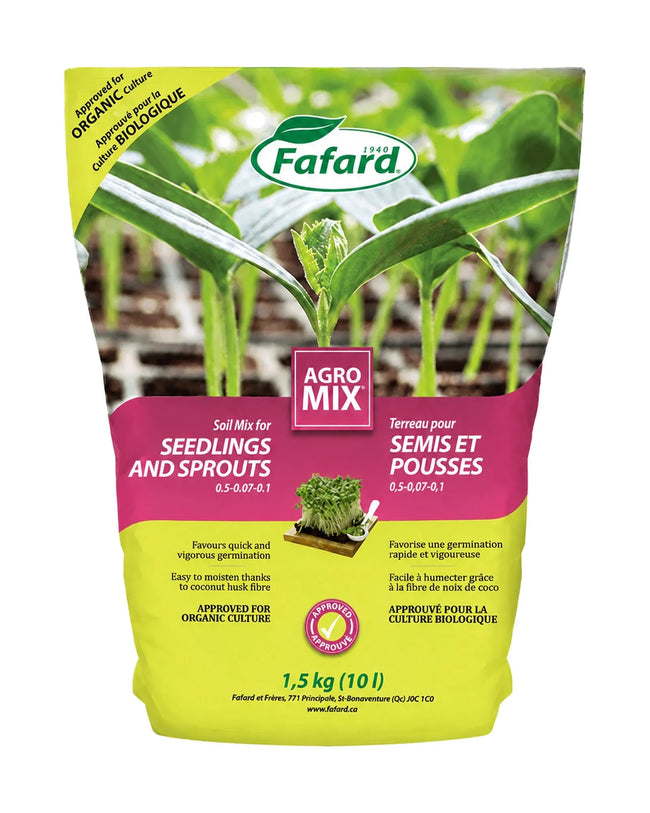
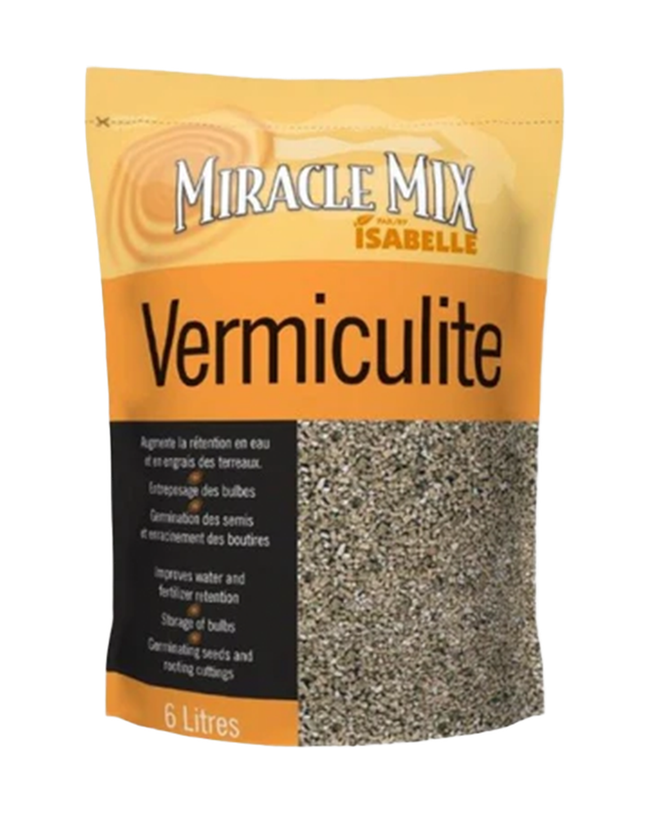
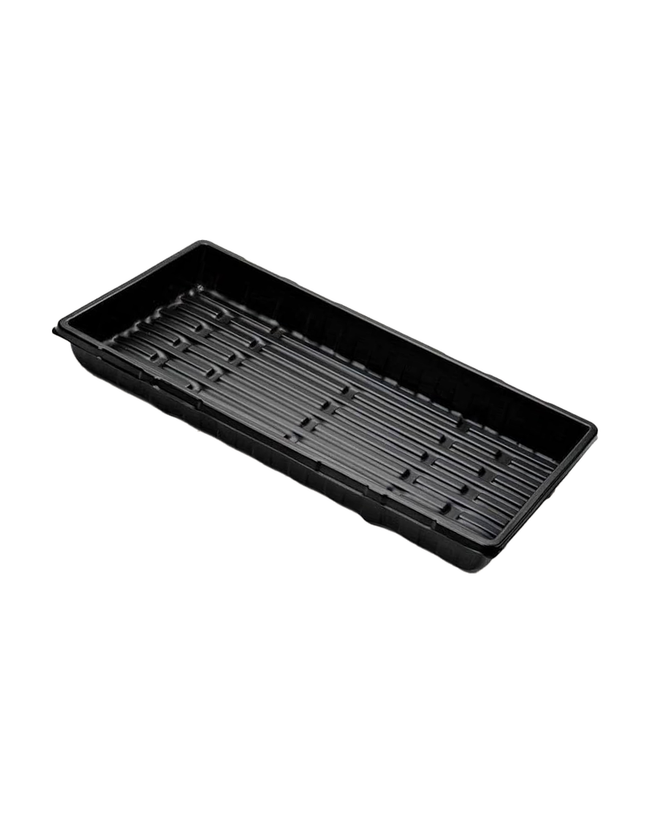
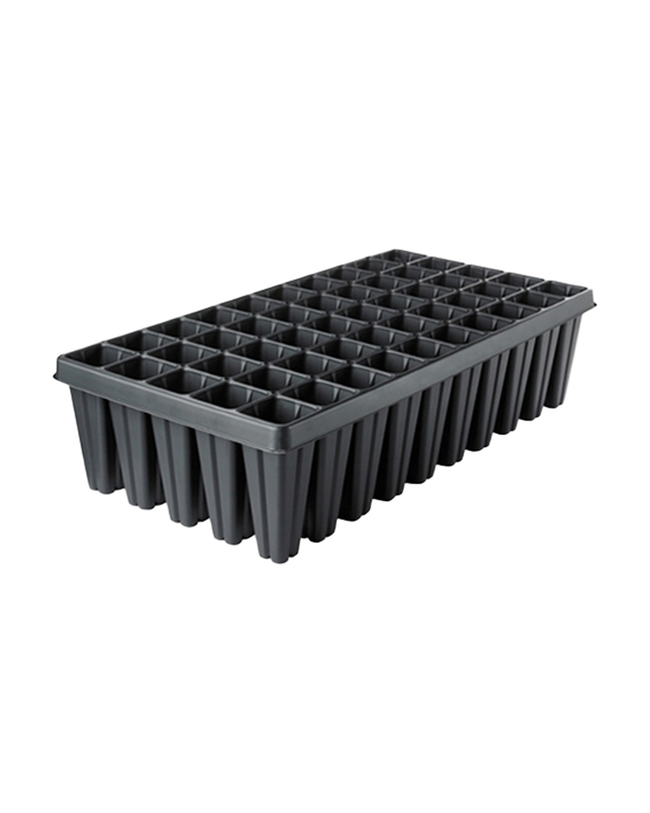
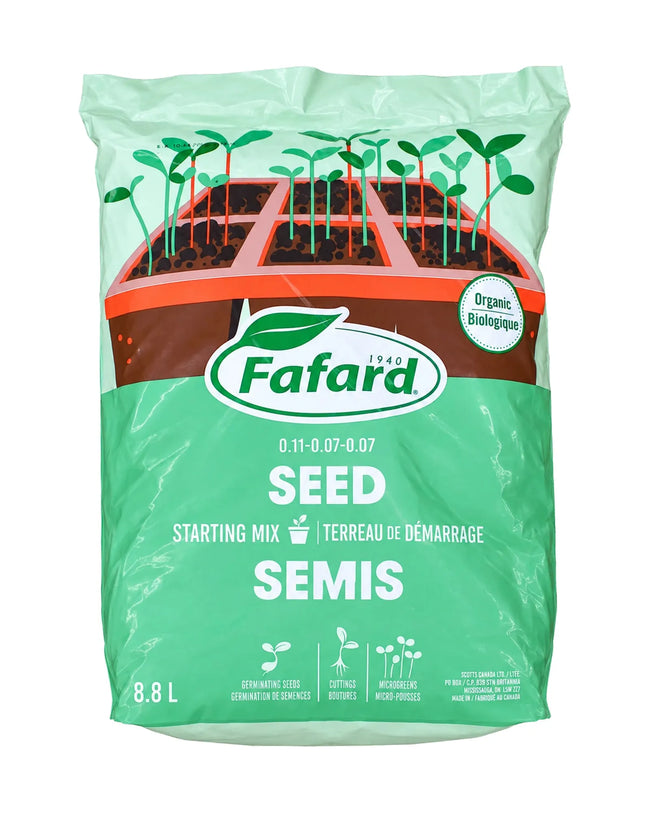
Seed Starting Soil
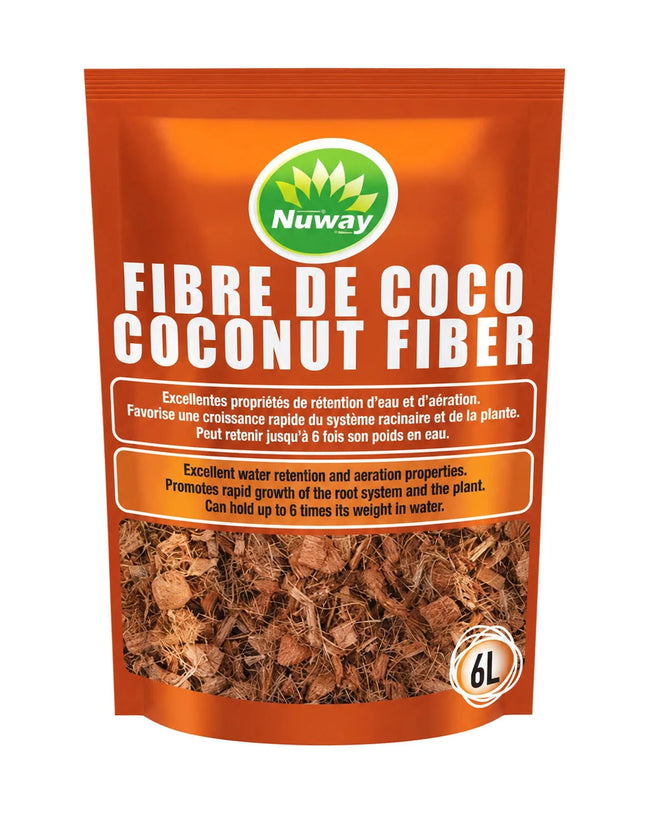
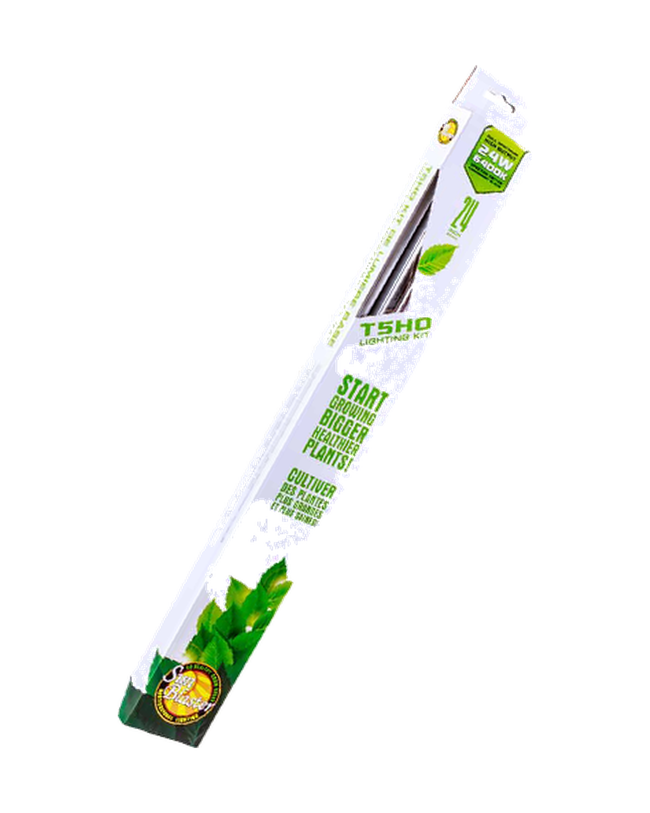
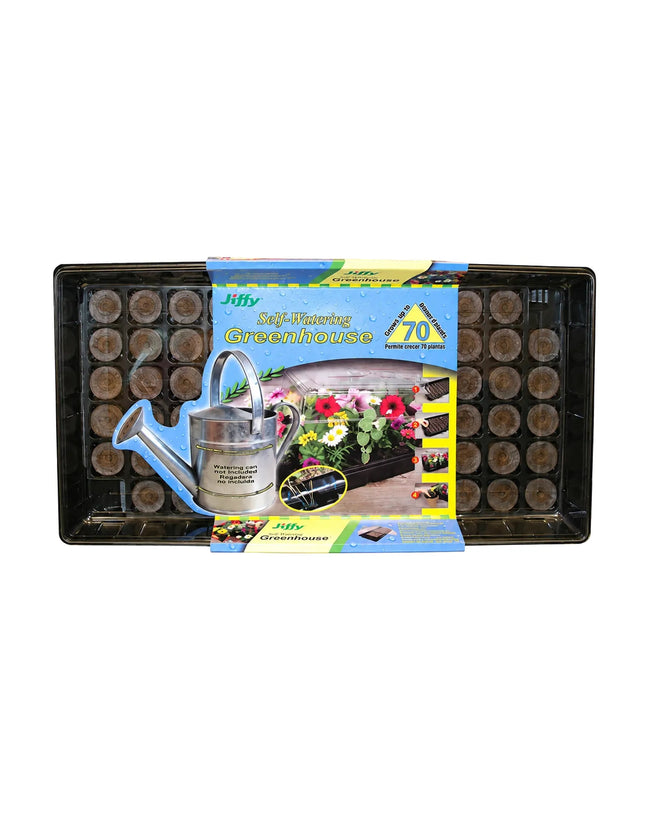
Shop the collectionSeed starting supplies
Shop the collection