

Sale
Sold out

Organic green romaine lettuce
Asteraceae
Organic stem vegetable seeds
Organic ‘Dragoon’ green romaine lettuce
Lactuca sativa ‘Dragoon’
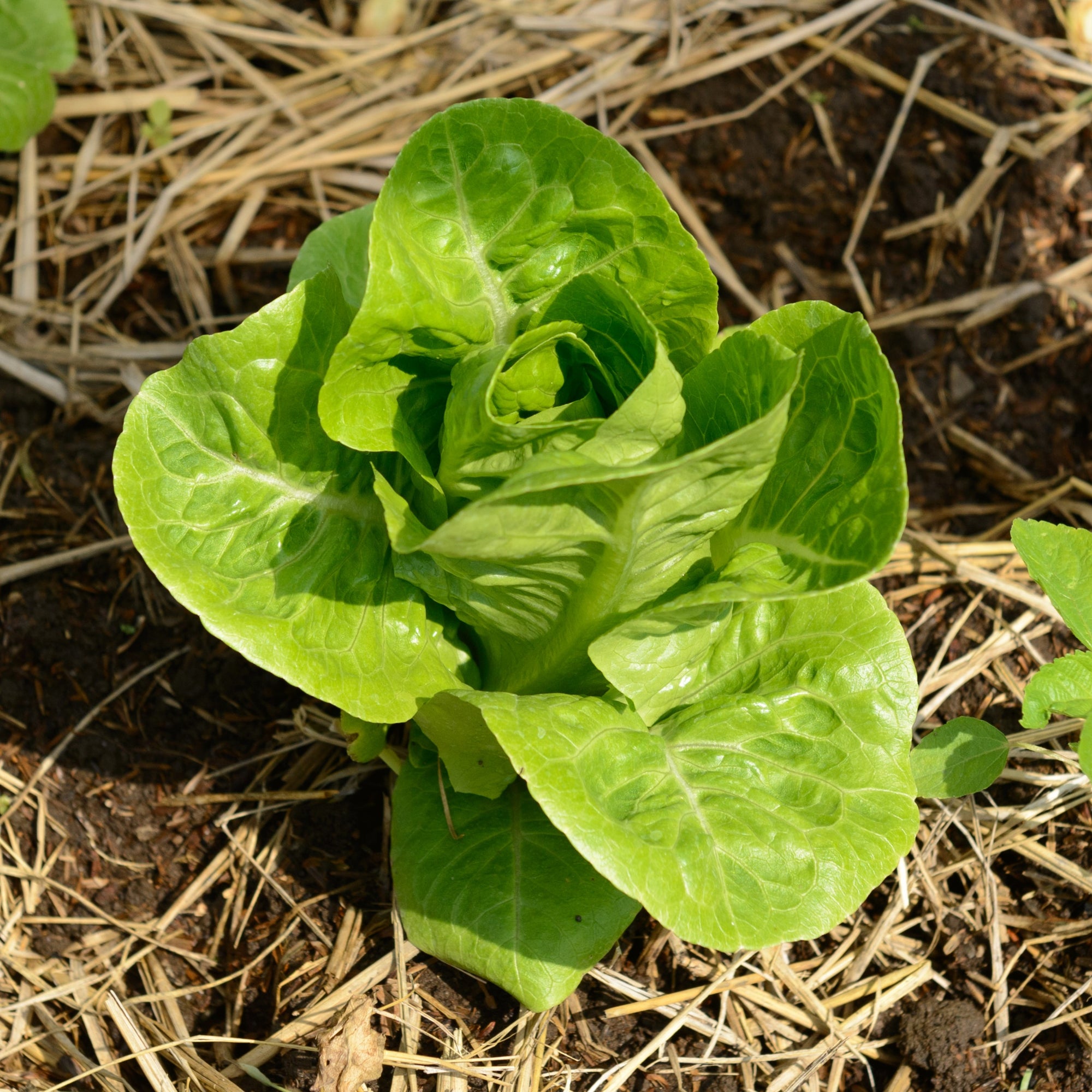
Organic Dragoon romaine, compact and upright, with bright-green tender crisp flavourful leaves ready in approximately 55 to 60 days.
- Quantity
- About 50 seeds
- Exposure
- Full sun to light partial shade
- Life cycle
- Biennial grown as an annual
Discover the plant
Common nameDragoon green romaine lettuce
FamilyAsteraceae
GenusLactuca
Speciessativa
CultivarDragoon
TypeOrganic green romaine lettuce
Botanical nameLactuca sativa ‘Dragoon’
Organic ‘Dragoon’ green romaine lettuce (Lactuca sativa ‘Dragoon’) is a vigorous organic variety forming compact well-filled bright-green romaine heads. Upright crisp tender flavourful leaves add refreshing texture to salads, sandwiches, wraps, and garnishes. Vertical habit optimizes space in family gardens, raised beds, planters, and small urban gardens. Head harvest generally begins around 55 to 60 days after sowing depending on conditions; outer leaves may be taken earlier in moderation.
Direct sow or start transplants April through August to stagger harvests. Cover seed very lightly, maintain surface moisture, and provide cool temperatures for even emergence. Set in sun in spring and fall or light partial shade during hot periods in rich cool fertile well-drained soil. Thin or transplant approximately 20 to 30 cm apart depending on desired head size and preserve good airflow.
Water regularly at soil level to preserve tenderness and limit stress that hastens bolting. Mulch lightly, weed without injuring shallow roots, and feed moderately with mature compost. Harvest firm heads before the flower stalk elongates, ideally in the morning, then cool and refrigerate promptly. Wash leaves thoroughly and discard anything slimy, mouldy, heavily yellowed, or abnormal-smelling. No particular resistance is confirmed for this lot.

Sowing guide
It all startswith a seed.
Sowing depth
Barely covered, approximately 0.3 to 0.5 cm (1/8 to 1/4 in)
Spacing / density
Thin to approximately 10 to 15 cm (4 to 6 in), with 30 to 45 cm (12 to 18 in) between rows
Germination temperature
Approximately 10 to 20°C (50 to 68°F); germination drops sharply in hot soil
Germination time
Approximately 7 to 10 days
Sowing period
Early spring as soon as soil can be worked; late summer for an autumn harvest
Propagation
Direct sowing or indoor sowing three to four weeks before transplanting
Growing method
Sow on fine moist soil and cover only 0.3–0.5 cm. Keep cool until emergence. Thin or transplant to 25–30 cm with 38–45 cm between rows so large heads remain well aired. Harden three- to four-week-old transplants without burying the crown. Water immediately, maintain continuous growth, and make small batches every two or three weeks. Provide light afternoon shade during very warm periods.
Soil and care
The right care,at the right time.
Soil pH
Approximately 6.0 to 6.8
Minimum temperature
-2 °C (28 °F)
Care level
Easy
Watering
Keep the surface consistently moist during germination with a very gentle stream so barely covered seeds are not displaced. Once established, water deeply as soon as the top one or two centimetres begin to dry. Shallow roots poorly tolerate cycles of drought and excess water; this stress encourages bitterness, tipburn, and bolting. Water early in the morning at soil level or by drip, avoid splashing soil onto leaves, and apply light mulch after thinning. Check containers daily in hot or windy weather.
Soil type
Prepare loose fine fertile soil enriched with mature compost, able to retain steady moisture without becoming waterlogged. Shallow lettuce roots need an aerated zone; crusted compact or very sandy soil quickly slows growth and makes leaves more bitter. Aim for approximately pH 6.0–7.0. Incorporate organic matter before sowing rather than placing fresh manure near leaves. Improve drainage in heavy soil, avoid beds recently occupied by diseased lettuce, and rotate with unrelated crops.
Fertilization
Incorporate mature compost before sowing and correct fertility according to a soil test or label directions. Lettuce requires moderate steady nutrition; one light balanced feed at planting is generally sufficient in fertile soil. If foliage pales after thinning, side-dress one small nitrogen dose and water. Avoid heavy or late applications that create soft tissue, increase some disorders, and make harvested produce harder to cool. Never apply granular fertilizer onto leaves and stop feeding shortly before whole-rosette harvest.
Moisture
Evenly moist soil without saturation
Seasonal care
In spring, sow small amounts every two or three weeks and protect seedlings from slugs through regular inspection and a clean garden. Thin early for airflow. In summer, use light shade cloth during very hot afternoons, maintain uninterrupted watering, and harvest before bolting. In fall, resume sowing as nights cool and protect from first frost with row cover. Promptly remove severely diseased plants and rotate with unrelated crops.
Container growing
A garden,within reach.
Recommended pot size
At least 25 to 30 cm (10 to 12 in) deep and approximately 5 to 7 L per plant
Use a container at least 20–25 cm deep with numerous holes and allow approximately 25–30 cm diameter per mature rosette. A wide box may also hold one denser baby-leaf strip. Fill with light fertile well-drained mix, place in sun during spring, then light partial shade during strong heat. Water as soon as the surface begins to dry and never leave standing water in the saucer. Pick outer leaves regularly or cut the entire rosette at maturity.
Bloom and dimensions
Its place,in your garden.
Mature height
Approximately 30 cm (12 in)
Width / spread
Approximately 25 to 30 cm (10 to 12 in)
Flower color
Yellow
Foliage color
Green to blue-green
Foliage type
Broad blue-green leaves borne on long petioles
Growth rate
Rapid under cool conditions
Growth habit
Large tall very upright dense semi-closed head
Fragrance
Mild cabbage flavour with a turnip-like crisp texture
Bloom period
Yellow flowers in the second year if the plant overwinters and bolts
Days to maturity
Approximately 55 to 60 days after sowing depending on conditions
Harvest
Harvest generally 55 to 60 days after sowing when the head is well formed firm and crisp before the flower stalk elongates. For progressive harvest cut several clean outer leaves while preserving the centre; for a whole head slice at the base with a clean knife. Harvest ideally in the morning, cool, and refrigerate promptly. Wash thoroughly and discard any slimy mouldy heavily yellowed or abnormal-smelling leaf.

Garden associations
In goodcompany.
Companion plants
Beet spinach radish
Plants to avoid
Celery parsley
Recipe idea
From the gardento your plate.
Edible parts
Leaves and tender centre, thoroughly washed; avoid very bitter bolted plants
‘Dragoon’ Caesar salad — Thoroughly wash 400 g sound leaves, dry, and tear. Whisk 30 ml oil, 15 ml lemon juice, 10 ml plain yogurt, 5 ml mustard, one small garlic clove, and pepper. Toss immediately before serving, then add croutons and Parmesan. Keep lettuce cold until the meal and refrigerate leftovers within two hours. Discard every slimy, mouldy, or abnormal-smelling leaf.
Frequently asked questions
Your questions,answered.
When should this romaine lettuce be sown?
Sow April through August in several small batches two to three weeks apart. Cover seed very lightly because it needs light and cool temperature for even emergence. Keep the surface moist without saturation. In spring and fall choose sun; during heat, light partial shade and cool soil delay bolting. Thin or transplant without burying the crown.
How can bolting be limited?
Maintain even moisture, mulch lightly, and protect summer sowings from scorching afternoon sun. Harvest before the head elongates or a firm central stalk appears. Extended heat, drought, and very long days naturally hasten flowering; no method can prevent it indefinitely. Successive sowings and choosing cooler periods remain the most reliable strategies.
When should the whole head be harvested?
Begin checking around 55 to 60 days. Press the top very gently: the head should be well formed and firm without becoming hard or elongated. Cut at the base with a clean knife ideally early in the morning, then cool leaves promptly. If the centre begins rising or flavour becomes bitter, harvest without delay. Actual conditions may advance or delay maturity.
Can this romaine be grown in a container?
Yes. Use a stable container at least 20 cm deep with several drainage holes filled with rich airy mix. Space plants so they do not touch at maturity, place in cool sun or partial shade in summer, and check moisture daily during hot weather. Water at soil level, feed lightly according to label directions, and do not leave standing water in the saucer.
How should lettuce be stored after harvest?
Harvest sound leaves, remove visible soil, wash thoroughly in potable water, then dry without crushing. Refrigerate promptly in a clean container that limits drying while avoiding excessive condensation. Use leaves within several days of harvest for best crispness. Discard anything slimy mouldy heavily yellowed or abnormal-smelling.
Wildlife and pets
Life,around your plants.
Supporting wildlife
Pollinators
For a great start to your seeds
The right extras.Right here.
Platters, pots and domes
Shop the collection
Seed Starting Soil
Shop the collectionSeed starting supplies
Shop the collection




