Plantes d’extérieur
Tout pour fleurir, cultiver et aménager votre jardin.


Pépinière.ca
Climbing Honeysuckle ‘Peaches and Cream’ (Lonicera periclymenum ‘Peaches and Cream’). Lonicera periclymenum ‘Peaches and Cream’, known as climbing honeysuckle ‘Peaches and Cream’, is a deciduous climbing plant with a flexible and twining habit, sought after for its bicolored blooms and intense fragrance. In summer, it produces an abundance of tubular flowers in rosy cream and peach tones, creating a luminous and delicate effect on pergolas, fences, and trellises. Highly melliferous, its blooming attracts pollinators and releases a sweet fragrance particularly appreciated near outdoor living areas. Lonicera periclymenum ‘Peaches and Cream’ prefers full sun to partial shade exposure and well-drained, slightly fertile soil.
To plant climbing honeysuckle ‘Peaches and Cream’, choose an appropriate exposure: sun to partial shade. The recommended soil is well-drained, slightly fertile. Water the root ball before planting it and ensure that water can drain away after planting. During establishment, check the soil moisture by hand before watering again. Spread mulch around the base, leaving the collar clear. Avoid systematic fertilizer applications without considering the soil's richness. In Quebec, choose a period when the soil is thawed and easy to work.
Allow a width of 2 m (6.5 ft) to accommodate this plant in the garden. The indicated height of 4 m (13 ft) helps in choosing its position relative to neighboring plants. Maintain access to the base for weeding, checking moisture, and removing damaged parts. Associate this variety with plants whose light and water needs are compatible. If you are considering a container, first check that its volume and drainage are suitable for root development. Potted roots are more exposed to cold than those planted in the ground.
Planting guide
Soil and care
Wildlife and pets
Click a product to build your selection.
Tout pour fleurir, cultiver et aménager votre jardin.
Une touche de nature, dans chaque pièce.
Tout pour fleurir, cultiver et aménager votre jardin.
Tout découvrir Potager et fines herbes
 Fleurs et vivaces
 Arbres et arbustes
 Soins et plantation
Une touche de nature, dans chaque pièce.
Tout découvrir Plantes tropicales
 Cactus et succulentes
 Collections spécialisées
 Soins et accessoires
Tout pour semer, planter et faire pousser.
Tout découvrir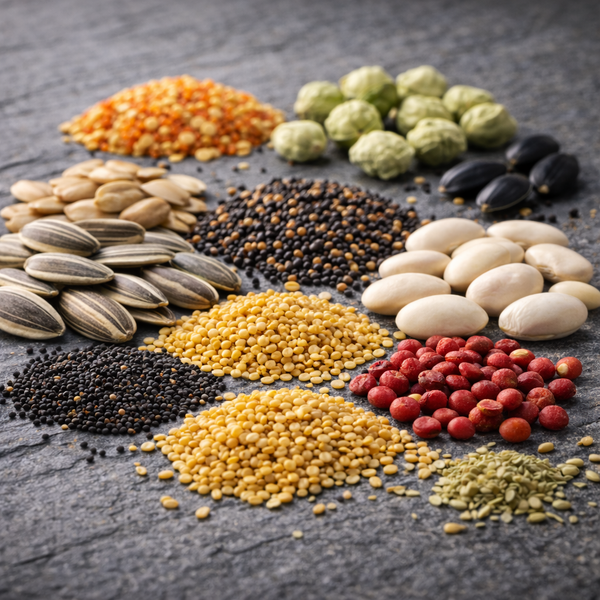 Semences
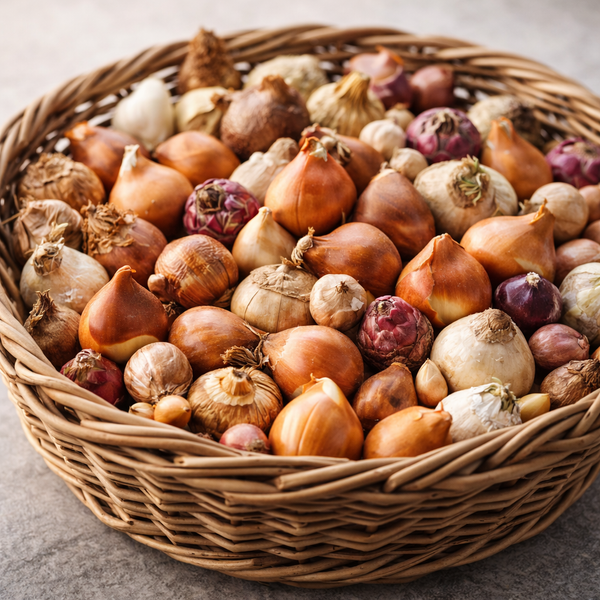 Bulbes
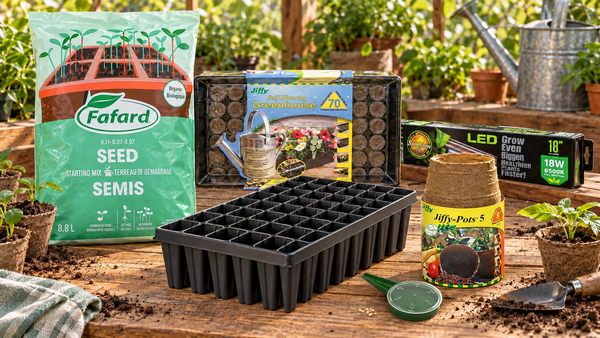 Tout pour les semis
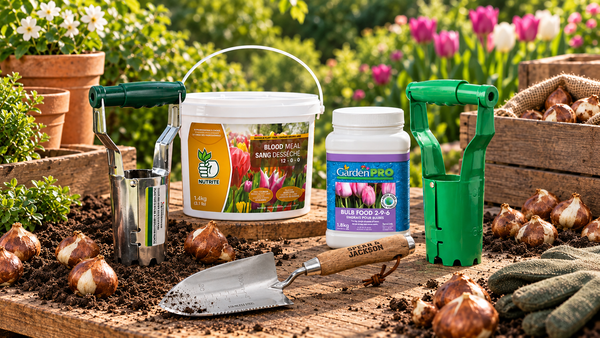 Pour planter les bulbes
Tout pour semer, nourrir et retrouver une belle pelouse.
Tout pour semer, nourrir et retrouver une belle pelouse.
Tout découvrir Semences à gazon
 Engrais pour gazon
 Tourbe et préparation
 Soins et traitements
Tout pour nourrir, protéger et entretenir vos plantes.
Tout pour nourrir, protéger et entretenir vos plantes.
Tout découvrir



Valide uniquement dans la succursale choisie lors de l’achat.
Choisir la carte en magasinTout pour semer, planter et faire pousser.
 Outils
 Compostage et écologie