Sale
Sold out

Early organic corn salad with oval dark-green leaves
Caprifoliaceae
Organic cool-season leafy vegetable seeds
Organic 'Vit' corn salad
Valerianella locusta
Product code : BIOVO-0054
'Vit' is a very early organic corn salad forming small compact rosettes of short, thick, oval dark-green leaves. It is valued for fast growth, good cold resistance, postharvest holding, and a mild, lightly nutty flavour. Baby leaves may be harvested around 21–30 days and rosettes around 40–60 days depending on conditions. Sow small batches in cool soil, maintain steady moisture, and preserve airflow so the tender foliage remains clean and easy to harvest. It also performs well in containers and unheated cold frames. Naturally. In this overview, inspect Organic 'Vit' corn salad regularly and adjust care to its actual stage of growth.
- Quantity
- Approximately 250 seeds per packet
- Exposure
- Full sun to partial shade
- Life cycle
- Cool-season annual vegetable
Discover the plant
Common nameCorn salad, mâche, lamb's lettuce
FamilyCaprifoliaceae
GenusValerianella
Specieslocusta
CultivarVit
TypeEarly organic corn salad with oval dark-green leaves
Botanical nameValerianella locusta
Reproducible seedsYes
Organic 'Vit' corn salad (Valerianella locusta), also called mâche or lamb's lettuce, forms small compact rosettes of short, thick, oval dark-green leaves. A tender, lightly crisp texture accompanies its mild, delicate, nutty flavour. 'Vit' stands out for fast growth, good cold resistance, and very good postharvest holding. It suits fresh autumn, late-winter, and early-spring harvests as well as growing under unheated protection. The selection contains approximately 250 organic seeds, making several small successive sowings practical for home gardeners. Short dated rows help spread the harvest and preserve quality.
Direct-sow into fine moist soil approximately 0.5–1 cm deep, then firm lightly to ensure soil contact. Cool temperatures encourage even emergence; heat may slow or prevent germination. Space rows approximately 20–25 cm apart and thin plants to 6–10 cm. Maintain even moisture without waterlogging because shallow roots suffer from both drought and saturated soil. Loose, humus-rich, healthy, well-drained soil is sufficient, and corn salad has modest fertility needs. Short dated rows make successive batches easier to compare, maintain, and harvest at their best stage. Gentle soil-level watering also keeps mud away from low foliage.
The selection contains approximately 250 seeds, with plants reaching 10–15 cm high and spreading 15–20 cm. Depending on conditions, baby leaves may be harvested around 21–30 days and developed rosettes around 40–60 days. Cut the rosette at the crown early in the morning once dense but still tender, then chill promptly. The plant handles cold well but bolts quickly as days lengthen and weather becomes warm or dry. Wash leaves thoroughly in potable water shortly before serving, and discard any damaged or slimy tissue. Keep each harvested batch shaded until it can be refrigerated.

Sowing guide
It all startswith a seed.
Sowing depth
Approximately 0.5 to 1 cm (¼ to ⅜ in)
Spacing / density
Thin to 6–10 cm (2½ to 4 in), with 20–25 cm (8 to 10 in) between rows
Germination temperature
Approximately 18 °C (64 °F); avoid hot soil
Germination time
Approximately 10 to 14 days at 5–20°C; temperatures above 21°C can induce dormancy.
Sowing period
Early spring as soon as soil can be worked; late summer for an autumn harvest
Propagation
Direct sowing; plug sowing possible for protected culture
Growing method
Growing 'Vit' corn salad from seed. Prepare a fine, firm, pre-moistened surface, then sow in rows approximately 0.5–1 cm deep. Space rows 20–25 cm apart and firm gently so seed contacts the soil. Keep the surface moist until emergence; if the soil is warm, wait for cooler weather or provide temporary light shade. Thin rosettes to 6–10 cm, hand weed, and apply very light mulch only after establishment. Sow small batches at staggered times to avoid one simultaneous harvest. Water at soil level early in the morning and remove leaves touching muddy ground. Inspect around young plants for slugs and keep the path clean. Under an unheated tunnel or cold frame, ventilate on mild days to release condensation, then close protection before a strong temperature drop. Harvest baby leaves once they reach a useful size or wait for a dense rosette, generally between 40 and 60 days depending on conditions. Cut before bolting, chill promptly, and begin another batch when cool growing weather returns. Label every row clearly, remove damaged foliage promptly, and wash the final harvest thoroughly in potable water shortly before use. Keep harvested leaves shaded until they can be chilled. Store each cutting promptly.
Soil and care
The right care,at the right time.
Soil pH
Approximately 6.0 to 6.8
Care level
Easy
Watering
Moisten soil before sowing, then keep the top few centimetres evenly moist with a very gentle stream because lightly covered seeds move easily. After emergence, water deeply once the surface begins to dry rather than applying frequent shallow wetting. Corn salad has fine roots and poorly tolerates drought, which slows rosettes and encourages bolting. Avoid saturated soil, especially under cold protection. Water at soil level early in the morning, ventilate tunnels afterward, and reduce frequency during cold weather without allowing complete drying.
Soil type
Choose healthy, loose, moist, well-drained soil enriched with a moderate amount of mature compost. Corn salad accepts average fertility and often succeeds in a bed vacated by a more demanding crop. Crumble the surface finely so small seeds contact the soil, then firm lightly after sowing. Avoid fresh manure, surface crusting, and hollows where autumn water collects. Slightly acidic to neutral soil suits this crop well. Improve drainage before protected winter growing in heavy ground.
Fertilization
Incorporate a thin layer of mature compost before sowing if the previous crop did not already leave fertile soil. Corn salad has a short cycle and modest needs, so most gardens require no additional fertilizer. If a soil test shows a deficiency or foliage clearly pales, apply one low dose of balanced fertilizer beside the row and water. Avoid strong or late nitrogen feeding, and never place granular fertilizer in the centres of rosettes.
Moisture
Evenly moist soil without saturation
Seasonal care
Seasonal care for 'Vit' corn salad. In spring, sow early into workable cool soil, then add light row cover if nights turn sharply colder. Thin clumps as soon as seedlings can be distinguished to improve airflow, and inspect close to the soil for slugs. As days lengthen, harvest rosettes promptly when their centres begin to elongate. In summer, pause sowing during very hot periods or choose a bright site with light afternoon shade. Keep the soil moist without saturation and prepare new short strips once nights cool. In autumn, sow several small batches, keep them weeded, and protect foliage from soil splashing. Under an unheated tunnel or cold frame, open covers on mild days to release humidity, then close them before a strong temperature drop. In winter, water less often and only when the growing mix begins to dry. Avoid handling frozen leaves because they bruise easily. Remove yellow, slimy, or diseased tissue promptly, clean harvesting tools, keep paths free of debris, and rotate the bed with a different crop group before the next season. After each cutting, sort the leaves, chill them immediately, and check whether remaining rosettes still have enough space. Replace sparse batches with a new sowing while conditions remain cool. At the end of the crop, remove roots and residue, improve drainage when needed, and record which dates produced the best harvests. Before reusing protection, dry and clean it so old plant debris is not carried into the next batch.
Container growing
A garden,within reach.
Recommended pot size
Container at least 15 to 20 cm (6 to 8 in) deep
Growing 'Vit' corn salad in containers. Choose a container at least 15–20 cm deep with numerous drainage holes, then fill it with fine, light, well-drained growing mix. Moisten before sowing, draw short rows, cover seeds 0.5–1 cm, and firm gently. Thin to approximately 6–10 cm for whole rosettes or retain slightly closer spacing for baby leaves. Place the container in sun during cool weather and provide light afternoon shade when temperatures rise. Check moisture regularly, empty the saucer, and shelter the box from drying wind. Rotate it periodically so every rosette receives comparable light. A sheltered balcony, cold frame, or unheated greenhouse can extend harvest. During severe freezes, insulate container walls and cover foliage without crushing it. Ventilate during thaws, reduce watering in winter, and harvest before rapid spring growth resumes. Remove damaged leaves promptly and keep the rim, saucer, and cutting tools clean throughout the crop. Harvest early in the morning, keep leaves shaded, and chill them without delay. After the final cutting, empty the container, remove roots, and clean the box before renewing the growing mix. Keep dated labels with each section so older rosettes are harvested first and overcrowding can be corrected promptly.

Bloom and dimensions
Its place,in your garden.
Mature height
Approximately 10 to 15 cm (4 to 6 in)
Width / spread
Approximately 15 to 20 cm (6 to 8 in)
Flower color
Very small pale bluish to pinkish flowers
Foliage color
Uniform dark green
Foliage type
Small, short, thick, distinctly veined oval leaves in a compact rosette
Growth rate
Fast
Growth habit
Small, low, compact spreading rosette
Fragrance
Mild, lightly sweet, nutty flavour with a tender, lightly crisp texture
Bloom period
Flowering begins when the rosette sends up stems, generally in response to longer days, warmth, or water stress. Very small pale bluish to pinkish flowers gather on branched stems. For a tender edible harvest, cut rosettes before this elongation because leaf quality declines as growth shifts toward seed production. No flowering is needed to enjoy the leaves. Inspect every batch regularly as spring days lengthen.
Fruiting
After flowering, the plant forms small dry fruits containing seeds. This stage is not sought for leaf production and generally reduces culinary quality. Remove stems before dispersal when volunteer seedlings are unwanted. For experimental seed saving, retain only healthy typical plants, allow them to dry completely, and store the collected seed separately in a clearly labelled container away from seed intended for eating.
Days to maturity
Approximately 21 to 30 days for baby leaves; 40 to 60 days for rosettes
Harvest
For baby leaves, begin around 21–30 days once they reach a useful size. For whole rosettes, begin checking around 40 days and generally harvest before 60 days depending on conditions. Cut with a knife just above or at the crown without soiling foliage. Work early in the morning, remove soil and yellowed parts, then chill immediately. Store for several days refrigerated in a ventilated container and wash only before use. Harvest promptly if a flower stalk appears.

Garden associations
In goodcompany.
Companion plants
Carrots, radishes, and lettuces are the suggested companions. Grow them in neighbouring rows and respect their spacing so small corn-salad rosettes retain enough light, airflow, and water. Radishes are harvested quickly, while carrots use a different soil depth. Avoid excessive density and remove diseased residue promptly. This arrangement helps organize and stagger the vegetable bed, but it does not guarantee protection from pests or diseases. Rotate crop groups between seasons when practical. Keep a clear path for watering and clean harvesting.
Plants to avoid
Avoid poorly drained sites, overcrowded plantings, and diseased leafy-crop residue
Recipe idea
From the gardento your plate.
Edible parts
Leaves and tender centre, thoroughly washed; avoid bolted plants that have become very bitter
'Vit' corn salad in the kitchen. Corn salad with apple and walnuts — Thoroughly wash 200 g of sound rosettes in potable water, remove roots, and dry gently. Add one sliced apple, 40 g toasted walnuts, and 60 g crumbled mild cheese. Whisk 30 ml oil, 15 ml apple cider vinegar, and 5 ml mustard. Season to taste, then toss only when ready to serve so the tender texture remains intact. For a fuller meal, add cooked lentils or cooled roasted beet wedges. Keep corn salad refrigerated until assembly and avoid leaving it at room temperature for long periods. Use clean utensils, separate leaves from raw animal foods, and discard every slimy, mouldy, badly damaged, or abnormal-smelling leaf. This recipe works with whole rosettes or a baby-leaf harvest. Serve immediately on cool plates, and refrigerate any prepared leftovers without delay in a clean covered container. Do not reuse dressing that contacted unwashed produce or raw ingredients.
Frequently asked questions
Your questions,answered.
Why sow 'Vit' mainly during cool weather?
Corn salad germinates and grows best while soil remains cool. High heat may slow emergence, dry young roots, and cause rapid bolting. Sow in late summer for autumn, under protection for winter, or very early spring. If soil remains warm, sow in the evening, moisten before sowing, and use light shade until emergence. Remove shade once seedlings establish and weather cools. Maintain steady moisture without saturation, preserve airflow under covers, and harvest promptly when central stems begin to elongate. Small dated batches make it easier to replace a planting affected by unexpected heat. This timing also preserves the rosettes' tender texture and mild flavour.
What is the difference between baby-leaf and whole-rosette harvest?
Baby leaves may be cut around 21–30 days for a quick, very tender harvest. A developed rosette generally needs approximately 40–60 days depending on temperature and light, but provides more volume and the characteristic form of 'Vit'. To preserve possible regrowth, cut slightly above the crown. For whole-rosette presentation, slice at the crown and chill immediately without crushing foliage. Wash only before use. Harvest every batch before the central stem elongates because bolting reduces culinary quality. Label sowing dates so older sections are cut before younger ones. In both cases, keep harvested leaves clean, shaded, and cold until they are prepared.
How much cold can corn salad withstand?
'Vit' has good cold resistance, but actual tolerance varies with acclimation, wind, moisture, snow cover, and growth stage. An established rosette in the ground handles freezing better than a seedling or container plant. Protect the crop with fabric or an unheated tunnel during severe cold, ventilate during thaws, and avoid handling frozen foliage. This seasonal cold tolerance is not a perennial hardiness-zone rating. After thawing, remove damaged tissue, confirm that the soil still drains freely, and water only when the root zone begins to dry. Give extra protection to containers exposed to wind and repeated freezing. Monitor them closely during thaws.
How can poor emergence be avoided?
Sow fresh seed into cool, fine, pre-moistened soil. Do not bury deeply; 0.5–1 cm is sufficient, then firm gently for good contact. Keep the surface moist with a very gentle stream and prevent crusting. If warm weather is forecast, delay sowing or shade temporarily. Waterlogged soil does not improve germination; it reduces available air and increases rot risk. Label the date, ventilate after emergence, and thin clumps before roots become crowded. Use clean growing mix in containers and verify that drainage holes remain open after every heavy watering. Even emergence depends mainly on cool conditions, steady contact, clean soil, and patient watering.
Can 'Vit' be grown in a container during winter?
Yes, in a container at least 15–20 cm deep on a sheltered balcony, under a cold frame, or in an unheated greenhouse. Growing mix must remain moist but well drained, and the container must not stand in water. Protect the sides during severe freezes because container roots cool faster than those in the ground. Water less often in winter, ventilate on mild days, and harvest rosettes before rapid spring growth resumes. Use the documented container guidance—Container at least 15 to 20 cm (6 to 8 in) deep—as the starting point, then keep every drainage opening clear and check moisture below the surface before watering. Leave enough access to inspect Short, thick, distinctly veined oval to rounded leaves, and secure any trellis or support independently so moving the vessel does not twist loaded stems.
Wildlife and pets
Life,around your plants.
Supporting wildlife
Corn salad is grown mainly for its leaves and requires no pollination for harvest. If several plants are allowed to flower, their tiny blooms may be visited by small insects. Flowering reduces leaf quality, however. Remove stems before seed dispersal when volunteer seedlings are unwanted, and preserve separate flowers nearby for dependable pollinator support.
For a great start to your seeds
The right extras.Right here.
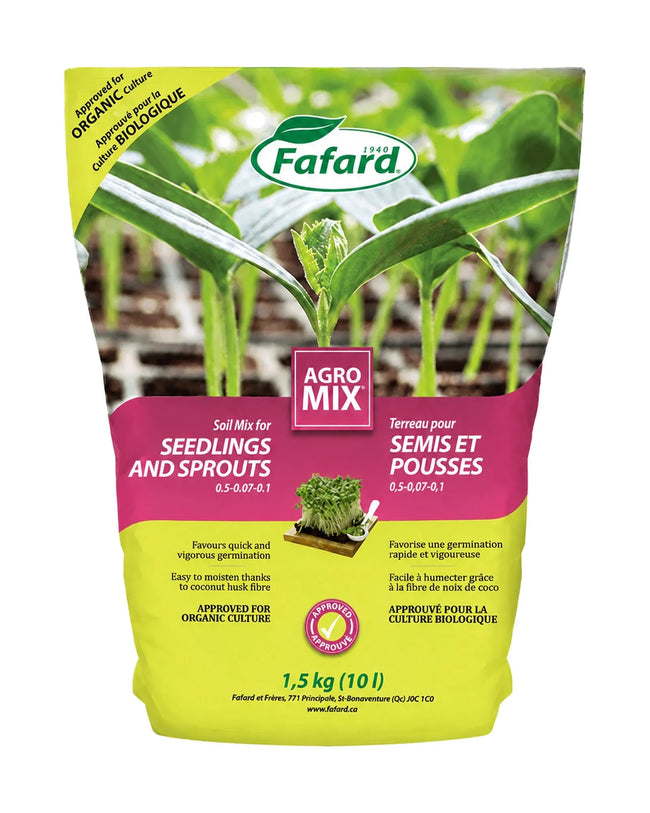
Seed Starting Soil
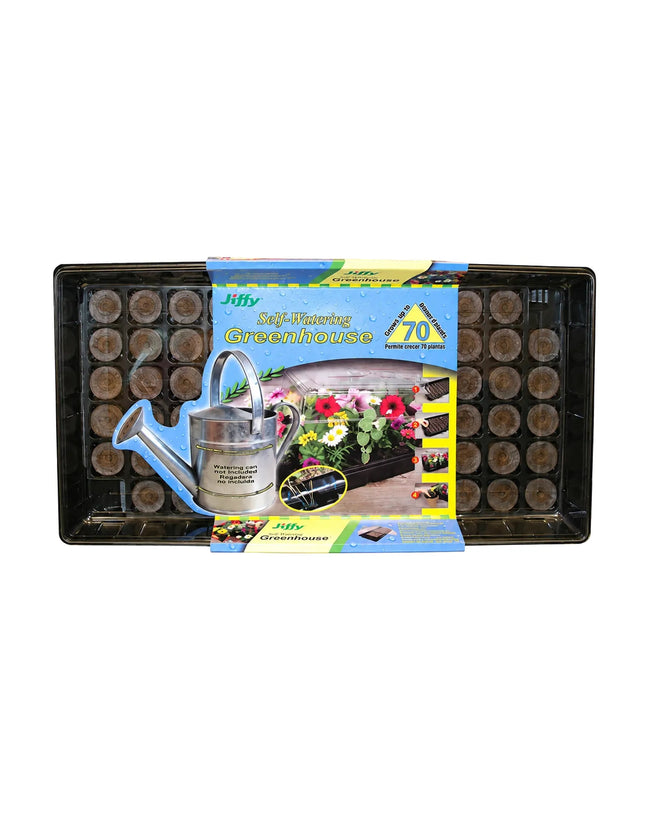
Shop the collectionSeed starting supplies
Shop the collection