Sale
Sold out

Early organic seeded icebox watermelon
Cucurbitaceae
Organic watermelon seeds
Organic 'Sugar Baby' watermelon
Citrullus lanatus
Product code : WESTO-0263
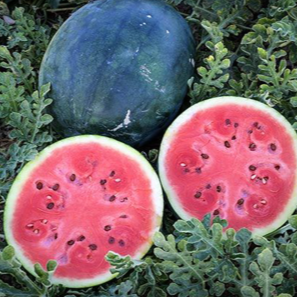
'Sugar Baby' is an early organic icebox watermelon producing round fruit with very dark green rind, nearly black at maturity, and red fine-textured juicy sweet flesh. The selection contains 25 seeds, fruit 18–20 cm and 3.5–4.5 kg, plus spread of 1.5–2 m. Maturity is approximately 76 days and generally one or two fruits per plant. This is an open-pollinated seeded variety. Its family-size fruit chills and portions easily. Start seedlings in individual pots, transplant only after frost into warm soil, and reserve open space for the long vines. Provide steady moisture, pollinator access, and full sun so fruit can develop during the available Canadian warm season.
- Quantity
- Approximately 25 seeds per packet
- Exposure
- Full sun
- Life cycle
- Annual vegetable
Discover the plant
Common nameWatermelon
FamilyCucurbitaceae
GenusCitrullus
Specieslanatus
CultivarSugar Baby
TypeEarly organic seeded icebox watermelon
Botanical nameCitrullus lanatus
Reproducible seedsYes
Organic 'Sugar Baby' watermelon (Citrullus lanatus) is an early icebox-type watermelon known for round compact fruit. At maturity the very dark green rind becomes nearly black and protects red juicy fine-textured sweet flesh. Fruit reaches approximately 18–20 cm in diameter and generally weighs 3.5–4.5 kg. Its size chills easily and suits small families, snacks, fruit salads, and summer desserts. The selection contains approximately 25 organic seeds, allowing several plants to be started while retaining only vigorous seedlings with undisturbed roots. The compact size also simplifies chilling and serving.
Start plants three to four weeks before transplanting in individual pots so roots are not disturbed. Keep mix warm, then transplant only after frost risk once soil exceeds approximately 21°C and nights are mild. Choose full sun and deep fertile very well-drained soil, then space plants to let vines run. Maintain even moisture during establishment, flowering, and early fruit enlargement; reduce excess watering near maturity. Gradual hardening reduces transplant shock, while black mulch or a warm south-facing mound can help the root zone reach a suitable temperature. Mulch helps preserve moisture.
The variety matures in approximately 76 days and generally produces one or two fruit per plant. The selection contains approximately 25 seeds. Vines reach 30–40 cm tall and spread 1.5–2 m. To judge ripeness, watch the tendril nearest the fruit as it browns and dries and the ground spot as it changes from greenish white to cream-yellow. Cut the stem instead of pulling the fruit. Wash the rind thoroughly before cutting, use clean utensils, chill prepared portions promptly, and discard any fruit showing fermentation, mould, or an abnormal odour. Serve promptly.

Sowing guide
It all startswith a seed.
Sowing depth
Approximately 1.3 to 2.5 cm (½ to 1 in)
Spacing / density
Approximately 60 to 90 cm (24 to 36 in) between plants
Germination temperature
Approximately 27 to 32 °C (80 to 90 °F) until germination
Germination time
Approximately 5 to 10 days in warm soil; cooler conditions slow emergence.
Sowing period
Start indoors 3 to 4 weeks before last frost; transplant after soil warms
Propagation
Seed
Growing method
Growing 'Sugar Baby' watermelon from seed. Sow two seeds per individual 5–8 cm pot, 1.3–2.5 cm deep, three to four weeks before transplanting. Keep at 27–32°C until emergence, then retain the best plant without separating roots. Harden gently and transplant after frost into soil above 21°C without burying the stem. Space 75–90 cm in-row and allow 1.8–2.4 m between rows. Water, mulch, and remove covers once female flowers appear. After transplanting, protect plants temporarily from wind, then allow vines to run over a sunny mulched surface. Water deeply at soil level without alternating severe drought and saturation. Place a board or tile beneath each young fruit to reduce contact with damp soil. Avoid moving vines unnecessarily after fruit set. Inspect for cucumber beetles and remove severely diseased tissue. Once several fruits are developing, favour those already well formed instead of encouraging late growth. Before harvest, check the nearest tendril, ground spot, tapped sound, and rind colour together. Cut the stem cleanly, handle fruit without impact, wash the rind before slicing, and refrigerate prepared portions promptly in clean covered containers. Keep every plant labelled and record approximate fruit-set dates for later comparison. Protect young transplants from cold wind.
Soil and care
The right care,at the right time.
Soil pH
Approximately 6.5 to 7.5
Care level
Moderate
Watering
Deep, regular watering supports the spreading vine and developing fruit of 'Sugar Baby' watermelon. Water 'Sugar Baby' watermelon slowly at the base, widening the wetted area as it spreads, and let excess drain between irrigations. Keep 'Sugar Baby' watermelon's leaves dry when practical and do not force the stream against stems, flowers, or fruit near the soil. Even 'Sugar Baby' watermelon's large container can dry beneath full foliage, so inspect it daily during heat and empty its saucer. Once 'Sugar Baby' watermelon's fruit reaches useful size, continue even watering and avoid a sudden heavy irrigation after drought.
Soil type
Choose deep loose very well-drained warmed soil enriched with mature compost. Watermelon needs more heat than lettuce or root crops; a south-facing mound, black fabric, or plastic mulch may accelerate spring warming. Ground must hold enough moisture for long vines while draining excess promptly. Aim for pH approximately 6.5–7.5 for this crop. Avoid fresh manure, cold waterlogged areas, and beds recently affected by cucurbit diseases. A soil test should guide amendments.
Fertilization
Incorporate mature compost before planting. When a soil test indicates need, apply a balanced organic fertilizer at the labelled rate during establishment. After flowering begins, avoid high-nitrogen feeding that favours leaves and stems at the expense of fruit set. A light side-dressing may be used only when plant growth and soil conditions justify it, without touching stems and never on dry soil. Check heat, irrigation, pollination, and pests before adding nutrients.
Moisture
Consistent soil moisture without saturation; good air circulation around the foliage.
Seasonal care
Seasonal care for 'Sugar Baby' watermelon. In spring, warm soil and harden transplants without disturbing roots. Install floating cover against wind and cucumber beetles, then remove it once female flowers appear so pollinators can enter. In summer, guide vines, mulch, water deeply, and slide a board or tile beneath every fruit. As autumn approaches, remove new fruit that cannot ripen, watch maturity signs, and protect from an early cold spell. After transplanting, keep protection only while it does not block flower access. Inspect leaf undersides and stems regularly for insects or unusual symptoms. During fruit set, maintain steady moisture, avoid excessive nitrogen, and support fruit that does not rest safely on the ground. When nights begin to cool, remove very young fruit that is unlikely to mature and focus care on fruit already developing. Check every watermelon separately because they do not all ripen together. After the final harvest, remove roots and residue, clean trellises and slings, and rotate with a different crop group. Record which planting date and warming method produced the best results for the next season. At every visit, check ties, slings, and boards beneath fruit. After heavy rain, confirm that water drains freely and delay the next irrigation accordingly. Clean cutting tools before harvest, keep harvested fruit shaded, and refrigerate prepared portions promptly. Do not handle vines unnecessarily when foliage is wet, and remove badly damaged tissue without spreading it across the bed.
Container growing
A garden,within reach.
Recommended pot size
Very large container of at least 75 to 100 L per plant
Growing 'Sugar Baby' watermelon in containers. Container growing is possible only in one very large 75–100 L or larger deep heavy freely drained vessel. Allow one plant per container, use rich mix, and place in full sun against a warm wall. Let vines trail on the ground or use a very strong trellis; support every fruit in an expanding sling without constricting the stem. Check moisture daily during heat, fertilize moderately, and ensure pollinator access once flowering begins. Rotate the container only when vines and fruit can remain supported without twisting. Mulch the surface to limit evaporation and place a board beneath any fruit resting on the ground. During flowering, allow bees to reach blossoms and avoid insecticide treatment. Harvest when the nearby tendril is dry, the ground spot is cream-yellow, and the rind is nearly black. After harvest, remove roots, clean the container, and renew part of the growing mix before another demanding crop. Record watering and feeding so unnecessary applications are not repeated. Shelter the container from cold wind and check every support after windy weather. Never leave the vessel standing in a full saucer. Wash the rind before cutting, chill prepared portions promptly, and remove spent roots after the season.

Bloom and dimensions
Its place,in your garden.
Mature height
Approximately 30 to 40 cm (11.8 to 15.7 in) on the ground; taller when supported
Width / spread
Approximately 1.5 to 2 m (5 to 6½ ft)
Flower color
Yellow
Foliage color
Green
Foliage type
Green, deeply lobed, slightly hairy foliage
Growth rate
Fast
Growth habit
Trailing or climbing vine with tendrils
Fragrance
Ripe fruit fragrant, mild, and sweet
Bloom period
Yellow male flowers generally appear before female flowers on the same plant. A female flower has a small fruit-like swelling beneath its petals and must receive enough pollen carried by bees during its short opening period for proper fruit set. Remove floating covers at this stage and avoid applying insecticides to open blossoms or while pollinators are active. Check blossoms every morning.
Fruiting
Round fruit reaches approximately 18–20 cm and generally weighs 3.5–4.5 kg, often one or two per plant. Very dark green rind becomes nearly black and protects fine-textured, juicy, sweet red flesh. Steady moisture reduces abrupt growth changes. Support trellised fruit or place ground-grown fruit on a clean surface, then check several maturity signs before cutting the stem. Inspect developing fruit regularly.
Days to maturity
Approximately 76 days from transplanting; add approximately 10 days when direct sown
Harvest
Begin checking around 76 days after transplanting. Three signs should converge: the tendril nearest the stem browns and dries, the ground spot becomes cream-yellow rather than greenish white, and fruit gives a duller hollow sound when gently tapped. 'Sugar Baby' rind also becomes very dark, nearly black. Cut the stem with a knife leaving several centimetres; do not pull. Handle without impact and ideally store at 7–10°C for two to three weeks.
Garden associations
In goodcompany.
Companion plants
Basil and early lettuce may occupy nearby space early in the season when light, water, airflow, and root room remain sufficient. Harvest lettuce before vines spread and place basil outside their path. Avoid excessive density and do not rely on this arrangement to prevent pests or diseases. Open flowers nearby can support the bees needed for fruit set, but they must not shade the watermelon or compete strongly for moisture. Keep paths open so watering, inspection, and harvest remain practical.
Plants to avoid
Avoid close rotations with other cucurbits, and do not let long vines compete with nearby potatoes for light, water, or growing space.
Recipe idea
From the gardento your plate.
Edible parts
Flesh of ripe fruit and seeds prepared for culinary use
'Sugar Baby' watermelon in the kitchen. Watermelon cucumber mint salad — Wash the rind before cutting. Cube 600 g sound flesh and remove seeds. Add one sliced cucumber, 30 ml chopped mint, 15 ml lime juice, and a pinch of salt. Toss gently and keep chilled until serving. Refrigerate within two hours and consume promptly. Discard every cracked, fermented, mouldy, or abnormal-smelling fruit. For a fuller dish, add 120 g crumbled feta and a handful of berries. Use a clean board and knife kept separate from raw meat. Refrigerate ingredients until assembly and do not rechill a preparation left warm for a long period. Remove seeds before serving if preferred. Prepare only the quantity needed to preserve texture and juice, and keep the finished salad covered until it reaches the table. Serve in chilled bowls and add mint at the last moment. Keep the finished salad shaded outdoors, use a clean serving spoon, and refrigerate any safe leftovers promptly in a covered container.
Frequently asked questions
Your questions,answered.
Is 'Sugar Baby' a seedless watermelon?
No. 'Sugar Baby' is an open-pollinated diploid variety that normally produces seeds. It therefore does not require a distinct pollenizer cultivar like triploid seedless watermelons, but female flowers still need pollen carried by bees. Avoid insecticides during bloom, remove floating covers once female flowers appear, and grow nearby flowers to support pollinators. Repeated visits to female blossoms generally improve pollen transfer. The first flowers are often male, so allow several cycles before judging fruit set. Steady moisture and moderate feeding also support fruit development. Hand pollination with a clean brush may help when bee activity remains very low. Observe the flowers each morning.
How can ripeness be recognized?
Do not rely on one sign. Wait until the tendril nearest the fruit browns and dries, the ground spot becomes cream-yellow, and the tapped sound grows duller. 'Sugar Baby' rind also becomes nearly black-green and loses some shine. Use approximately 76 days after transplanting as a guide, then inspect every fruit. Once cut, watermelon does not continue ripening like a tomato. Cut the stem with a clean tool, leave several centimetres attached, and handle the fruit without impact. Record the signs observed so later harvests from the same planting can be compared. Wash the rind before slicing and chill prepared portions promptly.
Can 'Sugar Baby' succeed in Québec?
Yes, provided available heat is maximized. Start plants only three to four weeks before planting to prevent root binding, use individual pots, and transplant after frost into soil above 21°C. A south-facing mound, black fabric, and floating cover speed establishment. Remove cover at flowering, water regularly, and remove very late fruit that will not have time to mature. Choose the sunniest site, shelter vines from cold wind, and monitor every fruit separately. A reliable harvest depends mainly on the actual number of warm days after transplanting. Keep pollinator access open and avoid encouraging late fruit when autumn cooling approaches. Plan carefully.
Why do flowers fall without forming fruit?
Sugar Baby produces separate male and female flowers, and the earliest blooms are often male. Those flowers naturally fall after shedding pollen and cannot become watermelons. A female flower has a tiny swelling behind its petals; it needs several effective pollen visits during its brief opening. Cold, rain, extreme heat, scarce pollinators, or insecticide exposure can interrupt that transfer. Keep the vine evenly watered, avoid excessive nitrogen that favours leaves, and grow untreated flowering plants nearby. If bee activity is low, use a clean soft brush in the morning to move fresh pollen from a male flower onto the centre of an open female flower. Do not judge the plant after one bloom cycle. Watch several rounds, then check whether the small ovary enlarges or yellows and drops, which distinguishes successful pollination from failure.
Can 'Sugar Baby' be grown on a trellis?
Yes, but the support must be extremely strong and every 3.5–4.5 kg fruit must rest in one wide sling attached to the trellis, never to the fruit stem. Guide vines gently without breaking tendrils and provide at least a 75–100 L container if not growing in open ground. Trellising improves airflow but increases wind exposure and drying, so monitor watering daily. Use the documented container guidance—Very large container of at least 75 to 100 L per plant—as the starting point, then keep every drainage opening clear and check moisture below the surface before watering. Leave enough access to inspect Trailing vine bearing round fruit with very dark green rind and red flesh, and secure any trellis or support independently so moving the vessel does not twist loaded stems.
Wildlife and pets
Life,around your plants.
Supporting wildlife
Watermelon flowers depend mainly on bees to carry pollen from male to female blossoms. Bumblebees, honey bees, and solitary bees can contribute to fruit set while flowers are open. Remove row covers at flowering, avoid insecticides during their visits, and provide other nearby blooms without shading vines or competing strongly for water.
For a great start to your seeds
The right extras.Right here.
Seed Starting Soil
Shop the collectionSeed starting supplies
Shop the collection