Sale
Sold out

Vegetable seeds
Organic seeds
Squash 'Costata Romanesco'
Product code : NORWI-0048
'Costata Romanesco' zucchini is a vegetable cucurbit from Cutleaf Seed intended for the kitchen garden. This fact sheet gathers the essential guidelines for preparing sowing, choosing a consistent location, and organizing care throughout the season. It emphasizes observation, measured watering, and harvesting at the right stage, under conditions adapted to Quebec. Regular observations allow for adjustments in care without overloading the soil. In Quebec, actual weather remains the best guide for adapting the schedule. Clean mulch then helps to stabilize moisture and limit splashing. Attentive harvesting promotes quality and simplifies crop monitoring.
Discover the plant
Common name'Costata Romanesco' Zucchini
CultivarCostata Romanesco
TypeVegetable seeds
Reproducible seedsYes
Heirloom varietyYes
'Costata Romanesco' zucchini is a vegetable cucurbit offered as seeds by Cutleaf Seed. This fact sheet presents a practical approach to incorporating it into a Quebec vegetable garden, without promising identical performance in every garden. The choice of location, sowing date, and consistency of care directly influence its establishment. This variety deserves a clear label in order to track its growth, compare results, and preserve information specific to the batch. Regular observations allow for adjustments in care without overburdening the soil. In Quebec, actual weather remains the best guide for adapting the schedule.
To successfully grow this variety, it is recommended to sow in warmed soil or transplant without disturbing the roots, and to favor a warm, fertile, and well-drained space. Keep the seedbed consistently moist during germination, without saturating it, then adapt watering to the weather and drainage. Thin or space out the plants to maintain good air circulation. Weed early, watch for signs of stress, and avoid excessive fertilizer application. Simple tracking, noted week after week, helps you understand how the crop behaves in your microclimate.
Harvesting targets fruits at the desired stage and is planned according to the intended use. This crop is suitable for summer harvests and cooking, with clean picking and tools adapted to the need. Harvest preferably when the plants are dry, then handle the edible parts with care. To extend the season, stagger sowing when the species allows and observe the progress rather than relying solely on a theoretical date. Finally, rotation, mulch, and cleaning up residue contribute to a better-organized vegetable garden.

Sowing guide
It all startswith a seed.
Growing method
To grow 'Costata Romanesco' zucchini, begin by sowing in warmed soil or transplanting without disturbing the roots. Prepare a fine surface substrate, free of large clods, and follow the depth indicated on the packet when available. Maintain consistent moisture during germination, without leaving standing water. After emergence, provide sufficient light and proper air circulation. Gradually acclimate seedlings grown indoors before moving them to the garden. Establish the crop in a warm, fertile, and well-drained space, space the plants according to their actual growth, and keep the area weeded. Observe the leaves, stems, and soil before each intervention. A light mulch can stabilize moisture once the soil has warmed up. Avoid strong and repeated fertilization; mature compost incorporated in moderation is often sufficient in living soil. Harvest the fruits at the desired stage using clean tools. Note the dates of sowing, emergence, and first harvest to refine the calendar for your garden in Quebec. Regular observations allow for adjustments in care without overloading the soil. In Quebec, actual weather conditions remain the best guide for adapting the calendar.
Soil and care
The right care,at the right time.
Watering
Water 'Costata Romanesco' zucchini gently after sowing, then keep the area consistently moist during germination. Once the plants are established, water more deeply and less frequently, depending on the weather and drainage. Check the soil before adding water. Avoid prolonged saturation and, if possible, direct water to the soil rather than the foliage. Regular monitoring allows for care adjustments without overwatering the soil.
Soil type
For 'Costata Romanesco' zucchini, prefer loose, moderately fertile, and well-drained soil. Add mature compost in moderation and avoid inputs that make the soil waterlogged. The structure should allow roots to spread and water to infiltrate. Correct drainage before sowing rather than trying to compensate later with irregular watering. Regular observations allow for adjustments to care without overloading the soil.
Fertilization
Before planting 'Costata Romanesco' zucchini, incorporate a reasonable amount of mature compost if the soil requires it. Subsequently, observe growth before fertilizing. Excess nitrogen can promote abundant foliage at the expense of the desired harvest. In containers, use a balanced, diluted feed according to the product label, without unnecessarily increasing applications. Regular observations allow for adjusting care without overloading the soil.
Seasonal care
At the start of the season, prepare loose, well-draining soil with moderate amendments for 'Costata Romanesco' zucchini. Plan sowing according to actual temperatures rather than a fixed date, then keep the surface moist during germination. Once emerged, ensure sufficient light and thin out crowded seedlings. When transplanting, gradually acclimate plants to sun, wind, and cool nights. In spring and early summer, weed while weeds are small, inspect the undersides of leaves, and water deeply when the soil begins to dry. During hot periods, monitor containers more closely and replace mulch if it has shifted. Avoid watering foliage late in the evening when foliar diseases are present. As harvest approaches, monitor the fruits at the desired stage and pick with clean hands or tools. At the end of the season, harvest what you can, remove weakened plants, and record the results. Clean supports, dispose of diseased residue, and rotate crops the following year. These simple actions make seasonal maintenance more consistent and facilitate adaptation to the Quebec climate. Regular observations allow for adjustments in care without overloading the soil. In Quebec, actual weather remains the best guide for adapting the calendar. Clean mulch then helps to stabilize moisture and limit splashing.
Container growing
A garden,within reach.
Growing 'Costata Romanesco' zucchini in containers is possible if the pot volume matches the needs of this garden cucurbit. Choose a stable container with several drainage holes and fill it with high-quality potting soil that retains moisture while allowing excess water to drain. Place the container in a warm, fertile, and well-drained area. Sow or transplant without overcrowding the surface; air must circulate between the plants. Check moisture with your finger rather than following a fixed schedule, as wind and heat accelerate drying. Water slowly until the entire root ball is moist, then empty any filled saucers. A light application of compost or balanced fertilizer can support growth, depending on the richness of the soil. Rotate the pot if light only comes from one side, and install a support when the plant's shape requires it. Monitor containers more frequently on hot days. Harvest fruits at the desired stage and replace the soil between seasons if its structure degrades. Regular observation allows you to adjust care without overloading the soil. In Quebec, actual weather remains the best guide for adjusting your schedule.

Bloom and dimensions
Its place,in your garden.
Bloom period
The flowering of 'Costata Romanesco' zucchini depends on the plant's development, temperature, and day length. For crops harvested before bolting, early flowering can reduce quality. For fruit-bearing crops, protect the general health of the plants and avoid significant water stress during this stage. Regular observations allow for adjustments in care without overburdening the soil.
Fruiting
For 'Costata Romanesco' zucchini, the harvest stage should be evaluated based on the part being consumed rather than a single date. For fruit or pod crops, observe the expected size, color, and firmness. For leaf or root crops, harvest before bolting diverts energy and alters the texture.

Garden associations
In goodcompany.
Companion plants
To accompany 'Costata Romanesco' zucchini, choose plants whose height, spread, and water needs do not create excessive competition. A variety of nearby flowers can support insect diversity, while overly dense ground cover may hinder aeration. Respect botanical family rotation and keep access clear for watering and harvesting. No companion planting can replace proper spacing and healthy soil. Regular observation allows for care adjustments without overtaxing the soil.
Recipe idea
From the gardento your plate.
Edible parts
Fruits
After growing 'Costata Romanesco' zucchini, harvest only the recognized edible parts of the crop and wash them thoroughly. Use the fruits at the desired stage according to their maturity and texture, then adapt your preparation to the summer harvests and your cooking. A simple method is to prepare a small portion first to evaluate the flavor and level of doneness. Season gradually and keep food that is not served immediately in the cold. Firm vegetables can be roasted, sautéed, or pickled as appropriate; tender leaves are often enjoyed fresh or quickly wilted in a pan. Chili peppers require caution when cutting, especially for the eyes and skin. For a collection, treat each variety separately according to its species. Never use the seed packet as an ingredient and follow standard food safety rules. Regular observations allow you to adjust care without overburdening the soil.
Frequently asked questions
Your questions,answered.
When to sow 'Costata Romanesco' zucchini in Quebec?
The best date for sowing 'Costata Romanesco' zucchini depends on soil temperature, risk of frost, and your chosen method. As a general rule, sow in warmed soil or transplant without disturbing the roots. Check the seed packet instructions for specific depth or temperature requirements. In Quebec, conditions change rapidly from one region and garden to another; use local weather and soil conditions as your guide. If starting indoors, plan for a gradual acclimatization period before final planting. Note the sowing and germination dates to adjust your future planting.
How to successfully germinate 'Costata Romanesco' zucchini?
To promote germination of 'Costata Romanesco' zucchini, use a fine, clean, and well-drained substrate. Sow at the depth recommended on the packet, firm down lightly, then moisten with a gentle spray. Keep the medium damp, but never saturated, and ensure the appropriate temperature for cultivation. As soon as the seedlings appear, increase light and air circulation to prevent etiolation. Label the sowing and count the days without concluding too quickly that it has failed, as the speed varies with the temperature. Then, thin out plants that are too close together. Regular observations allow for adjustments to care without overloading the soil.
Can 'Costata Romanesco' zucchini be grown in containers?
Yes, Zucchini 'Costata Romanesco' can be grown in a container if the pot offers enough volume and stability for this vegetable cucurbit. The container must have proper drainage holes and be filled with a well-structured potting soil. Place it in a warm, fertile, and well-drained area, ensuring the plants are not crowded. Pots dry out faster than garden soil, so check moisture levels frequently and water the entire root ball when necessary. Avoid leaving water in the saucer, however. Add support if the plant's growth habit requires it and monitor the soil's fertility throughout the season. Regular observation allows you to adjust care without overloading the soil.
How to water 'Costata Romanesco' zucchini?
Watering 'Costata Romanesco' zucchini must remain consistent without keeping the roots in standing water. After sowing, gently moisten the surface so as not to displace the seeds. Once the plants are established, water more deeply and allow for proper drainage. Touch the soil before watering, as heat, wind, mulch, and the type of container will change the necessary frequency. Direct water toward the base whenever possible and avoid frequent light waterings that do not reach the roots. Constant observation is better than a fixed schedule. Regular monitoring allows you to adjust care without overloading the soil.
When to harvest 'Costata Romanesco' zucchini?
Harvest 'Costata Romanesco' zucchini when the fruits have reached the desired size for their intended use. The date indicated on a packet remains an estimate, as light, heat, water, and fertility influence the growth rate. Inspect the crop regularly and harvest with clean hands or tools. Frequent harvesting can support the production of more fruits or leaves, while root vegetables mainly require a check of their size. Avoid harvesting foliage when wet if diseases are present. Note the first harvest to improve your schedule. Regular observations allow you to adjust care without overloading the soil.
Wildlife and pets
Life,around your plants.
Supporting wildlife
When 'Costata Romanesco' zucchini is left to flower, its blossoms can provide a resource for certain visiting insects. This effect varies according to the species, the weather, and neighboring plants; it does not replace a diversity of staggered blooms or a habitat free from unnecessary pesticides. Regular observations allow for care to be adjusted without overloading the soil.
For a great start to your seeds
The right extras.Right here.
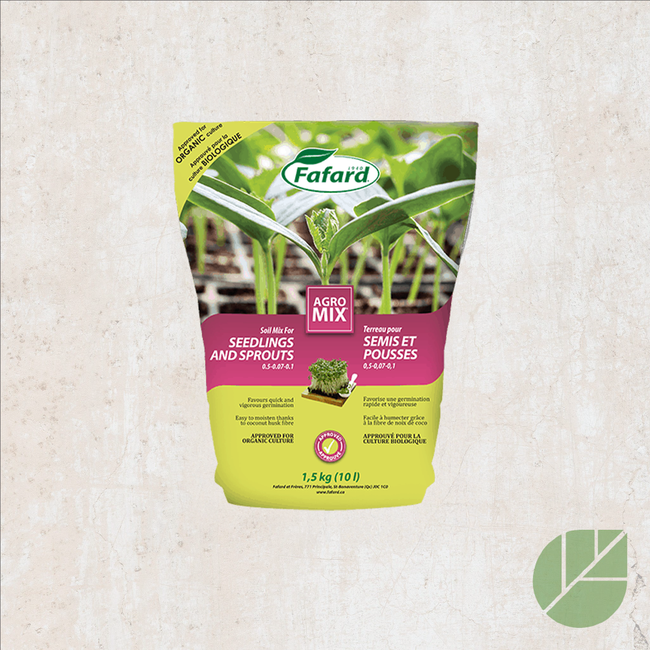
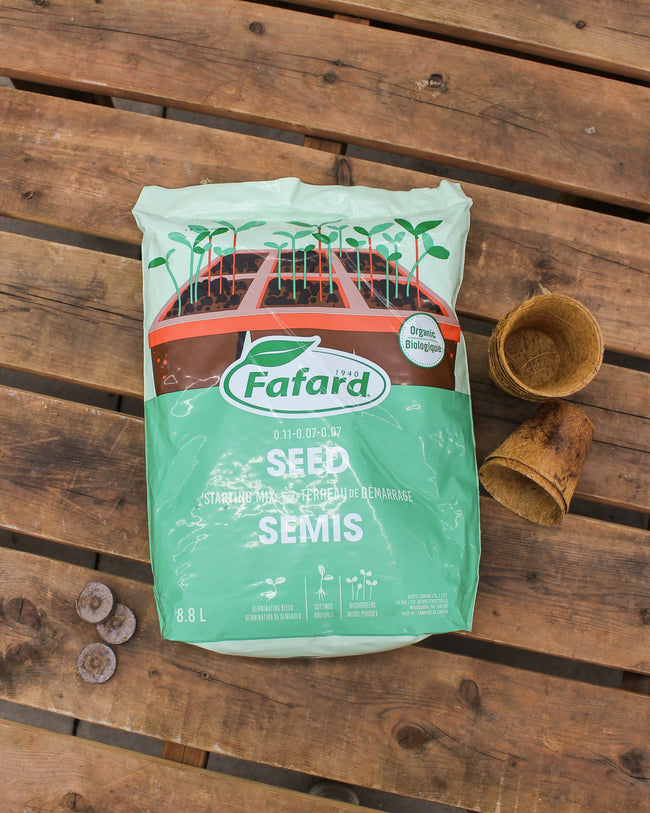
Seed Starting Soil
Shop the collectionSeed starting supplies
Shop the collection