Sale
Sold out

Hybrid F1.
Amaryllidaceae.
Organic 'Gladstone' F1 Onion Seeds
Allium cepa.
Product code : GAIAS-0426
Gladstone onion is available as organic seed for Quebec vegetable gardens. Known in northern regions, the variety has dark green foliage and 10 to 13 cm (4 to 5 in) bulbs and was originally selected by Bejo Seeds. Space plants 10 to 15 cm (4 to 6 in) apart. Harvest when the tops fall over and begin to dry. It is suited to fresh cooking, cooked dishes, soups and short-term storage after curing. Each packet contains 100 seeds. onion seeds are presented here with Canadian seed starting and seasonal care guidance.
- Quantity
- 100 seeds
- Exposure
- Full sun.
- Life cycle
- Biennial grown as an annual.
Discover the plant
Common nameGladstone onion.
FamilyAmaryllidaceae.
GenusAllium
Speciescepa.
CultivarGladstone
TypeHybrid F1.
Botanical nameAllium cepa.
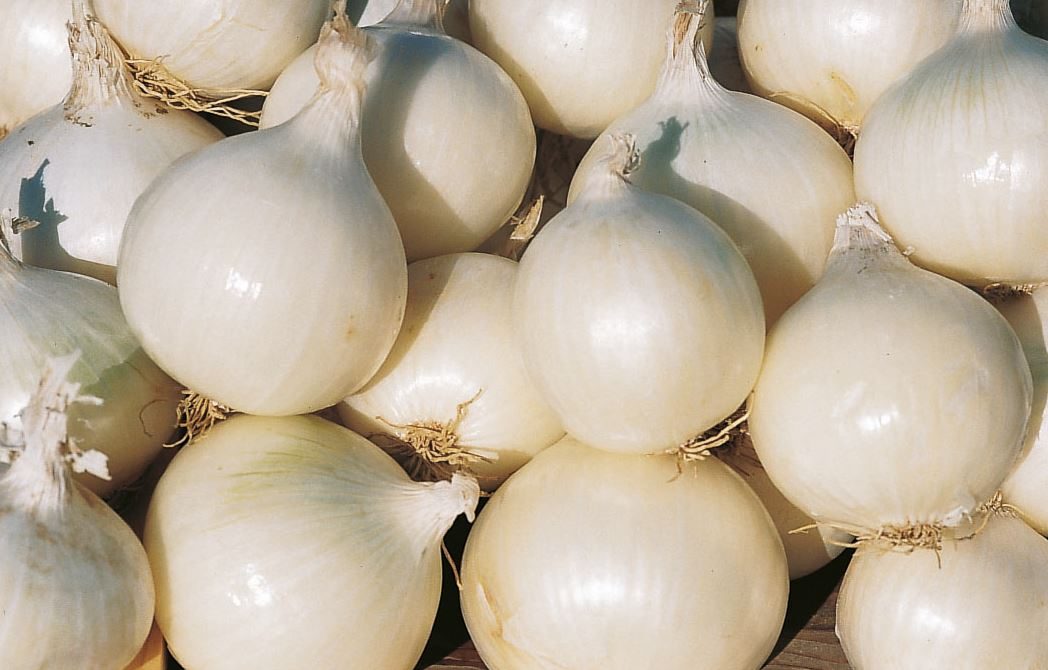
Organic 'Gladstone' F1 Onion Seeds (Allium cepa). Allium cepa, forms rounded white bulbs and vigorous green foliage. This Bejo hybrid can be harvested in bunches with its leaves or grown as dry bulbs for short-term storage. It is an intermediate-day onion, so day length helps trigger bulb development. Gladstone organic seed offers a versatile onion for fresh, everyday cooking. Its strength is a quality seasonal harvest rather than long winter storage. For practical seed starting, growing from seed succeeds best when the verified product depth, moisture and temperature guidance is followed.
Start seeds indoors ten to twelve weeks before the intended transplanting date. Gaia recommends a depth of 3 to 6 mm and an optimal temperature of 20 to 25 °C, with emergence generally taking six to twelve days. Keep the mix moist during this stage. Harden off young plants, then set them in full sun in loose, fertile, well-drained soil. Spacing plants about 10 to 15 cm apart leaves room for bulbs to develop. Weed early and cultivate only the soil surface around the rows because onion roots are shallow and do not tolerate aggressive tools. Use the product details as a clear guide on how to start seeds while keeping the growing medium evenly moist, never saturated. For indoor seed starting, count back from local conditions and frost dates to decide when to start indoor seeds.
Harvest some onions young for bunching and let the rest size up. For dry bulbs, watch the foliage: when a significant proportion of the tops has fallen and dried, production is nearing its end. Lift bulbs without bruising them, then cure them in a warm, dry, well-ventilated place. Wait until the outer skins and necks are dry before storage. Use damaged bulbs or those with thick necks promptly. Even when properly cured, Gladstone is a short-storage onion, so plan meals and preserving projects accordingly.

Sowing guide
It all startswith a seed.
Sowing depth
3 to 6 mm (1/8 to 1/4 in).
Spacing / density
10 to 15 cm (4 to 6 in) between plants.
Germination temperature
20 to 25 °C (68 to 77 °F).
Germination time
6 to 12 days.
Propagation
Seed.
Growing method
For Gladstone onion, follow this schedule: Sow early indoors or direct-sow outdoors as soon as the soil can be worked; thin seedlings to allow the bulbs to size up. Sow 3 to 6 mm (1/8 to 1/4 in) deep in a clean, well-drained seed-starting mix. Maintain 20 to 25 °C (68 to 77 °F) and even moisture without waterlogging; emergence normally takes 6 to 12 days. Before planting, harden plants off gradually for 7 to 10 days by increasing exposure to sun and wind. Set them in full sun and fertile, loose, moist, well-drained soil, spaced 10 to 15 cm (4 to 6 in) apart. Harvest when the tops fall over and begin to dry. This seed starting sequence supports reliable growing from seed while preserving the product-specific depth and temperature facts.
Soil and care
The right care,at the right time.
Care level
Moderate.
Watering
Water Gladstone onion at the base when the soil surface begins to dry.
Soil type
Gladstone onion prefers fertile, loose, moist, well-drained soil.
Fertilization
Fertilize Gladstone onion moderately according to plant vigour, avoiding excess nitrogen.
Seasonal care
Sow 3 to 6 mm (1/8 to 1/4 in) deep at 20 to 25 °C (68 to 77 °F), keeping moisture steady during the 6 to 12 days usually needed for emergence. Thin or transplant carefully. Set plants in full sun and fertile, loose, moist, well-drained soil, spaced 10 to 15 cm (4 to 6 in) apart. Harvest when the tops fall over and begin to dry, and remove damaged plant material.
Container growing
A garden,within reach.
Recommended pot size
A container at least 20 cm (8 in) deep.
Gladstone onion can be grown in a container when its root volume and mature size are accommodated. Choose a container at least 20 cm (8 in) deep; make sure it has several drainage holes.

Bloom and dimensions
Its place,in your garden.
Mature height
30 to 60 cm (12 to 24 in).
Width / spread
15 to 20 cm (6 to 8 in).
Foliage type
Green foliage.
Growth rate
Fast.
Growth habit
Upright to bushy.
Bloom period
Gladstone onion flowers after establishment once warmth, light and plant maturity are sufficient.
Fruiting
Medium to large white bulbs with dark green foliage.
Garden associations
In goodcompany.
Companion plants
Pair Gladstone onion with crops that have similar sun, fertility and moisture needs.
Recipe idea
From the gardento your plate.
Edible parts
Bulbs and young leaves.
Prepare a simple recipe with the confirmed edible parts of Gladstone onion: bulbs and young leaves. For four small servings, use about 500 mL (2 cups) of prepared produce, 15 mL (1 tbsp) of oil and 10 mL (2 tsp) of a seasoning suited to the dish. Wash the harvest thoroughly, remove damaged portions and prepare it according to the intended use: fresh cooking, cooked dishes, soups and short-term storage after curing. Eat only the parts identified as edible and only at the recommended stage of maturity.
Frequently asked questions
Your questions,answered.
How many 'Gladstone' F1 Onion seeds are in the packet?
To sow Gladstone onion successfully, follow this schedule: Sow early indoors or direct-sow outdoors as soon as the soil can be worked; thin seedlings to allow the bulbs to size up. Sow 3 to 6 mm (1/8 to 1/4 in) deep in a fine, well-drained seed-starting mix and maintain 20 to 25 °C (68 to 77 °F). Germination usually takes 6 to 12 days.
How should I start 'Gladstone' F1 Onion seeds in Canada?
Gladstone onion prefers full sun and fertile, loose, moist, well-drained soil. Water at the base when the soil surface begins to dry, and fertilize moderately according to plant vigour without applying excess nitrogen. For seed starting, label the cultivar and use the stated sowing depth instead of a generic estimate.
How long do 'Gladstone' F1 Onion seeds take to germinate?
For Gladstone onion, allow for a height of 30 to 60 cm (12 to 24 in) and a spread of 15 to 20 cm (6 to 8 in). In the garden, space plants 10 to 15 cm (4 to 6 in) apart for good light, airflow and harvest access. For container growing, use a container at least 20 cm (8 in) deep. When growing from seed, keep conditions stable for the full stated germination window before disturbing the mix.
Where should I grow 'Gladstone' F1 Onion in the garden?
Harvest Gladstone onion when the tops fall over and begin to dry. Confirmed edible parts include bulbs and young leaves. The harvest is well suited to fresh cooking, cooked dishes, soups and short-term storage after curing.
When and how should I harvest 'Gladstone' F1 Onion?
Gladstone is an F1 hybrid onion selected by Bejo. The F1 designation matters when choosing seed for a future crop: seed eventually collected from seed-bearing plants is not guaranteed to produce offspring true to Gladstone's characteristics. The onion generally forms its bulb during the first growing cycle and may flower after a period of cold. Saving a bulb to observe this cycle is therefore different from simply saving a few seeds from an annual fruit. To produce the expected rounded white bulbs again, start with identified Gladstone F1 seed. Organic status is separate from hybrid type.
For a great start to your seeds
The right extras.Right here.
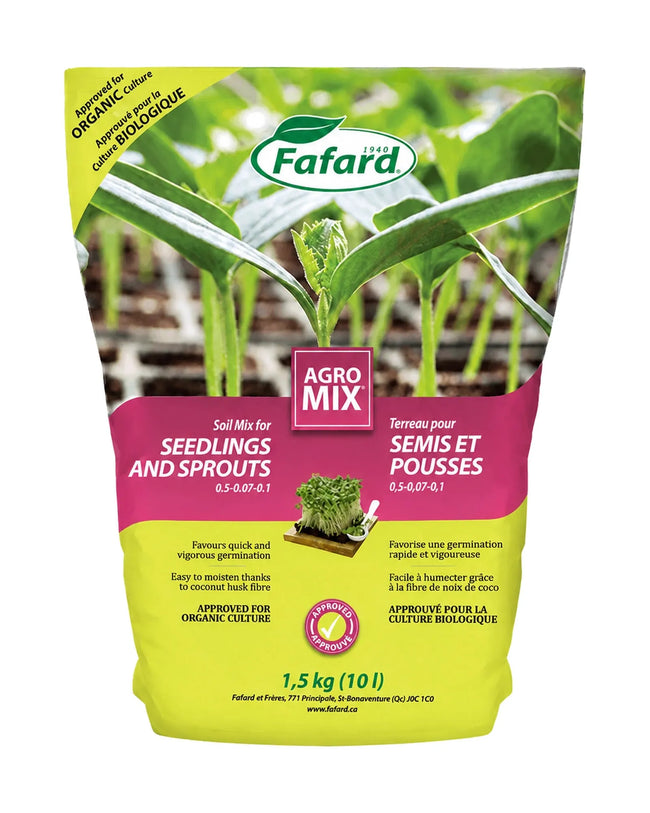
Seed Starting Soil
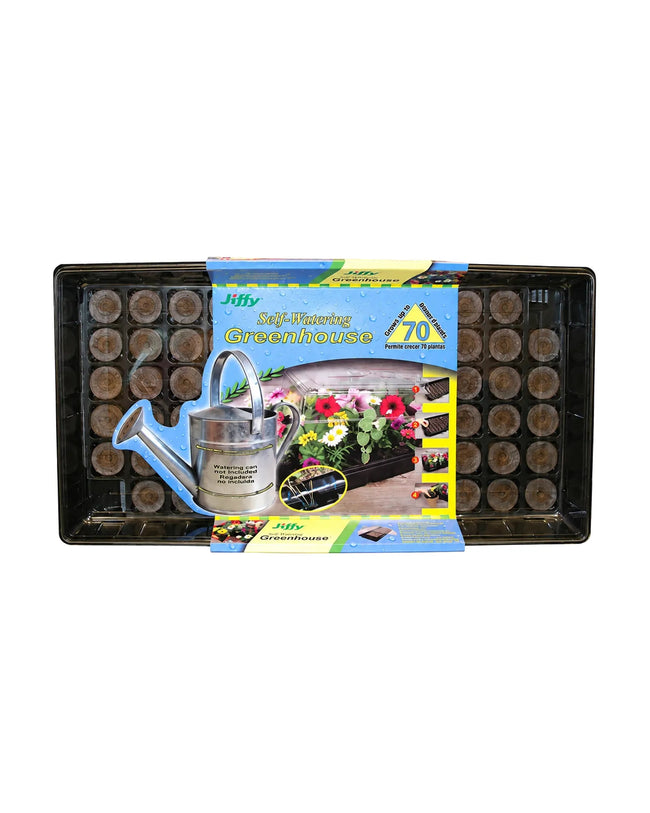
Shop the collectionSeed starting supplies
Shop the collection