Sale
Sold out

Vegetable
Amaryllidaceae
Organic seeds
Allium cepa ‘Ring’
Product code : JAREC-0163
Developed to produce bulbs with a single centre, this onion is particularly useful for cutting the thick, evenly shaped rings that are so valued in the kitchen. Its crisp, flavourful red flesh brings both colour and character to dishes ranging from fresh summer salads to the familiar pleasure of crunchy fried onion rings. Easy to grow and generous at harvest, it suits gardeners planting their first vegetable beds as well as those who appreciate carefully selected, productive varieties. In the garden, the upright leaves give structure to the rows while taking up little space, making this onion convenient for a neatly organized vegetable patch. Like other alliums, it can attract a range of pollinating insects if a few plants are allowed to flower during their second year of growth.
- Quantity
- 150 seeds
- Exposure
- Full sun
- Life cycle
- Biennial grown as an annual for harvest
Discover the plant
Common nameRing Onion
FamilyAmaryllidaceae
GenusGarlic
Speciescep
CultivarRing
TypeVegetable
Botanical nameAllium cepa
Reproducible seedsYes
Allium cepa ‘Ring’ — Ring Onion. Developed to produce bulbs with a single centre, this onion is particularly useful for cutting the thick, evenly shaped rings that are so valued in the kitchen. Its crisp, flavourful red flesh brings both colour and character to dishes ranging from fresh summer salads to the familiar pleasure of crunchy fried onion rings. Easy to grow and generous at harvest, it suits gardeners planting their first vegetable beds as well as those who appreciate carefully selected, productive varieties. In the garden, the upright leaves give structure to the rows while taking up little space, making this onion convenient for a neatly organized vegetable patch.
Sowing onion seeds: spring or direct seeding. The depth to be respected is 1 cm. Germination usually takes 5-12 days. For germination, keep the soil at 21 to 27°C (70 to 81°F). Keep the seedlings of onions, leeks, or scallops well identified, as their young foliage is similar. Sufficient light and regular humidity accompany the growth of seedlings. Replicate delicately when requested by the crop type, without crushing the base of the leaves. In the garden, prepare an easy surface to weed: these narrow plants cover little soil at the beginning of their development.
Rows of onions and leeks suit parts of the vegetable garden where you can tend the crops without walking between the individual plants. Their upright shape can border a more spreading crop, provided that their foliage continues to receive the light it needs. Label the varieties intended for bunching separately from those grown for bulbs, so that you can choose the right stage for harvesting each one. Keep the row easy to reach for weeding until the young plants have become firmly established. Developed to produce bulbs with a single centre, this onion is particularly useful for cutting the thick, evenly shaped rings that are so valued in the kitchen.

Sowing guide
It all startswith a seed.
Sowing depth
1 cm
Spacing / density
15 cm (6 in.) between plants
Germination temperature
21 to 27°C (70 to 81°F)
Germination time
5-12 days
Sowing period
Spring or direct seeding
Propagation
From seed
Growing method
Recommended planting period: spring or direct seeding. The depth to be respected is 1 cm. Germination usually takes 5-12 days. For germination, keep the soil at 21 to 27°C (70 to 81°F). Keep the seedlings of onions, leeks, or scallops well identified, as their young foliage is similar. Sufficient light and regular humidity accompany the growth of seedlings. Replicate delicately when requested by the crop type, without crushing the base of the leaves. In the garden, prepare an easy surface to weed: these narrow plants cover little soil at the beginning of their development. Weed regularly around crops in the onion family, keeping your cultivation shallow around their roots. Their narrow foliage does not cover the soil quickly enough to prevent competition from weeds. Observe the desired part of the harvest: soft barrel, aromatic leaves or ripe bulb. For preservative bulbs, the harvest stage and drying count as much as the caliber. Handle the bases carefully to minimize injuries before cooking or storage. Green onions and onions grown for mature bulbs are harvested at different stages of their development. For bulbs intended for storage, wait for signs of maturity, then dry the harvest in a well-ventilated place.
Soil and care
The right care,at the right time.
Soil pH
Slightly acidic
Watering
Keep the soil fresh regularly during foliage growth and bulb magnification. Water near the row, without soaking the soil for a long time or wetting the leaves unnecessarily. The low soil cover at the beginning of the crop justifies careful monitoring of drying. As the harvest of mature bulbs approaches, adjust inputs to foliage yellowing and weather conditions. Avoid unnecessary watering during drying, when storage is sought.
Soil type
Prepare a loose, fertile and well-drained soil. Keep the seedlings of onions, leeks, or scallops well identified, as their young foliage is similar. Sufficient light and regular humidity accompany the growth of seedlings. Replicate delicately when requested by the crop type, without crushing the base of the leaves. In the garden, prepare an easy surface to weed: these narrow plants cover little soil at the beginning of their development.
Fertilization
Fertilization supports growth and should take into account the nutrients already present in the soil or potting mix. Use mature compost or a fertilizer suitable for the crop, following the recommended application rate. Avoid combining too many products, especially in a container where the roots have a limited volume of growing medium. Water as needed after applying nutrients, and observe foliage growth before deciding whether another fertilizer application is necessary.
Moisture
Moist, well-drained soil
Seasonal care
Its crisp, flavourful red flesh brings both colour and character to dishes ranging from fresh summer salads to the familiar pleasure of crunchy fried onion rings. Keep the seedlings of onions, leeks, or scallops well identified, as their young foliage is similar. Sufficient light and regular humidity accompany the growth of seedlings. Replicate delicately when requested by the crop type, without crushing the base of the leaves. In the garden, prepare an easy surface to weed: these narrow plants cover little soil at the beginning of their development. Weed regularly around crops in the onion family, keeping your cultivation shallow around their roots. Their narrow foliage does not cover the soil quickly enough to prevent competition from weeds. Observe the desired part of the harvest: soft barrel, aromatic leaves or ripe bulb. For preservative bulbs, the harvest stage and drying count as much as the caliber. Handle the bases carefully to minimize injuries before cooking or storage. Green onions and onions grown for mature bulbs are harvested at different stages of their development. For bulbs intended for storage, wait for signs of maturity, then dry the harvest in a well-ventilated place. For soft drums, harvest gradually according to your needs. A piece of land facilitates the exit of the plants without injuring the part consumed. Developed to produce bulbs with a single centre, this onion is particularly useful for cutting the thick, evenly shaped rings that are so valued in the kitchen. Recommended planting period: spring or direct seeding.
Container growing
A garden,within reach.
Suitable for containers
Yes
Recommended pot size
A stable container with drainage holes, enough width for the plant’s spread and sufficient depth for its roots
Choose a location in full sun. Reserve this spread around the plant: 20 to 25 cm (8 to 10 in.). Alliaceae are placed in a container depending on the part harvested. The leaves or young casks allow close picking, while the bulbs need their definitive place to grow. Spread the plants regularly and keep a piece of soil. Avoid watering that digs around the base. To harvest, gently lift the root ball rather than shoot the foliage abruptly. Developed to produce bulbs with a single centre, this onion is particularly useful for cutting the thick, evenly shaped rings that are so valued in the kitchen. Its crisp, flavourful red flesh brings both colour and character to dishes ranging from fresh summer salads to the familiar pleasure of crunchy fried onion rings. Easy to grow and generous at harvest, it suits gardeners planting their first vegetable beds as well as those who appreciate carefully selected, productive varieties. In the garden, the upright leaves give structure to the rows while taking up little space, making this onion convenient for a neatly organized vegetable patch. Like other alliums, it can attract a range of pollinating insects if a few plants are allowed to flower during their second year of growth.

Bloom and dimensions
Its place,in your garden.
Mature height
30 to 40 cm (12 to 16 in)
Width / spread
20 to 25 cm (8 to 10 in)
Foliage type
Seasonal foliage
Growth habit
Upright
Bloom period
This plant normally forms its flowers during a cycle subsequent to that of the first vegetable harvest. For the production of leaves, bulbs or roots, flowering is not the desired stage. Bolting before the intended harvest can reduce the tenderness of the parts you plan to eat. Keep plants intended for seed production separate from those grown for harvest, allowing enough room for their developing flower stems.
Fruiting
Developed to produce bulbs with a single centre, this onion is particularly useful for cutting the thick, evenly shaped rings that are so valued in the kitchen. Its crisp, flavourful red flesh brings both colour and character to dishes ranging from fresh summer salads to the familiar pleasure of crunchy fried onion rings. Easy to grow and generous at harvest, it suits gardeners planting their first vegetable beds as well as those who appreciate carefully selected, productive varieties.
Days to maturity
About 100 days
Harvest
100 days after sowing

Garden associations
In goodcompany.
Companion plants
In a mixed planting, you can reserve sections close to these plants: carrot, beet, lettuce, strawberry. The association is used here to organize space and crops. Allow for the height, light requirements and water needs of each plant, leaving enough room between the foliage. Keep a path clear for watering and harvesting, then remove finished crops to make room for the next planting. This arrangement makes maintenance easier without promising protection against garden pests. Rows of onions and leeks suit parts of the vegetable garden where you can tend the crops without walking between the individual plants.
Recipe idea
From the gardento your plate.
Edible parts
Bulbs, drums and leaves according to type
Recipe idea using Ring Onion: slowly cooked onions for four servings. Prepare 500 g of the harvested part, cleaned and minced, then brown it in 15 ml of olive oil over medium heat. Add 30 ml of water, cover and continue gently until tender. Young stems cook faster than well-developed bulbs. Stir regularly and add a little water if the mixture starts to stick to the bottom. Season with salt, pepper and serve on toast or with roasted vegetables. Prepare the ingredients with clean utensils and adapt the cut to the size of your harvest. This recipe highlights freshly picked parts: remove damaged pieces before preparation. If you double the quantities, keep enough space in the dish to mix or cook evenly. Quickly place leftovers in the refrigerator in a closed container and consume them within two days. To prepare a smaller meal for two people, use half of every ingredient quantity given in this recipe.
Frequently asked questions
Your questions,answered.
How do I grow Ring Onion from seed?
Recommended planting period: spring or direct seeding. The depth to be respected is 1 cm. Germination usually takes 5-12 days. For the seeds to germinate, maintain the potting mix at a temperature of 21 to 27°C (70 to 81°F). Keep the seedlings of onions, leeks, or scallops well identified, as their young foliage is similar. Sufficient light and regular humidity accompany the growth of seedlings. Replicate delicately when requested by the crop type, without crushing the base of the leaves. In the garden, prepare an easy surface to weed: these narrow plants cover little soil at the beginning of their development.
Can I grow Ring Onion in a container?
Choose a location in full sun. Reserve this spread around the plant: 20 to 25 cm (8 to 10 in.). Alliaceae are placed in a container depending on the part harvested. The leaves or young casks allow close picking, while the bulbs need their definitive place to grow. Spread the plants regularly and keep a piece of soil. Avoid watering that digs around the base. To harvest, gently lift the root ball rather than shoot the foliage abruptly. Developed to produce bulbs with a single centre, this onion is particularly useful for cutting the thick, evenly shaped rings that are so valued in the kitchen.
When can I harvest Ring Onion?
Developed to produce bulbs with a single centre, this onion is particularly useful for cutting the thick, evenly shaped rings that are so valued in the kitchen. Its crisp, flavourful red flesh brings both colour and character to dishes ranging from fresh summer salads to the familiar pleasure of crunchy fried onion rings. Easy to grow and generous at harvest, it suits gardeners planting their first vegetable beds as well as those who appreciate carefully selected, productive varieties. Heir to a rigorous selection work from horticultural research, ‘Ring' unites with happiness innovation, productivity and pleasure to harvest an onion as beautiful as it is delicious. Green onions and onions grown for mature bulbs are harvested at different stages of their development.
What makes Ring Onion distinctive in the garden?
Developed to produce bulbs with a single centre, this onion is particularly useful for cutting the thick, evenly shaped rings that are so valued in the kitchen. Its crisp, flavourful red flesh brings both colour and character to dishes ranging from fresh summer salads to the familiar pleasure of crunchy fried onion rings. Easy to grow and generous at harvest, it suits gardeners planting their first vegetable beds as well as those who appreciate carefully selected, productive varieties. In the garden, the upright leaves give structure to the rows while taking up little space, making this onion convenient for a neatly organized vegetable patch. Like other alliums, it can attract a range of pollinating insects if a few plants are allowed to flower during their second year of growth.
How do I arrange a planting of Ring Onion?
At planting, plan 15 cm (6 in) between the plants. Rows of onions and leeks suit parts of the vegetable garden where you can tend the crops without walking between the individual plants. Their upright shape can border a more spreading crop, provided that their foliage continues to receive the light it needs. Label the varieties intended for bunching separately from those grown for bulbs, so that you can choose the right stage for harvesting each one. Keep the row easy to reach for weeding until the young plants have become firmly established. Weed regularly around crops in the onion family, keeping your cultivation shallow around their roots. Their narrow foliage does not cover the soil quickly enough to prevent competition from weeds.
For a great start to your seeds
The right extras.Right here.
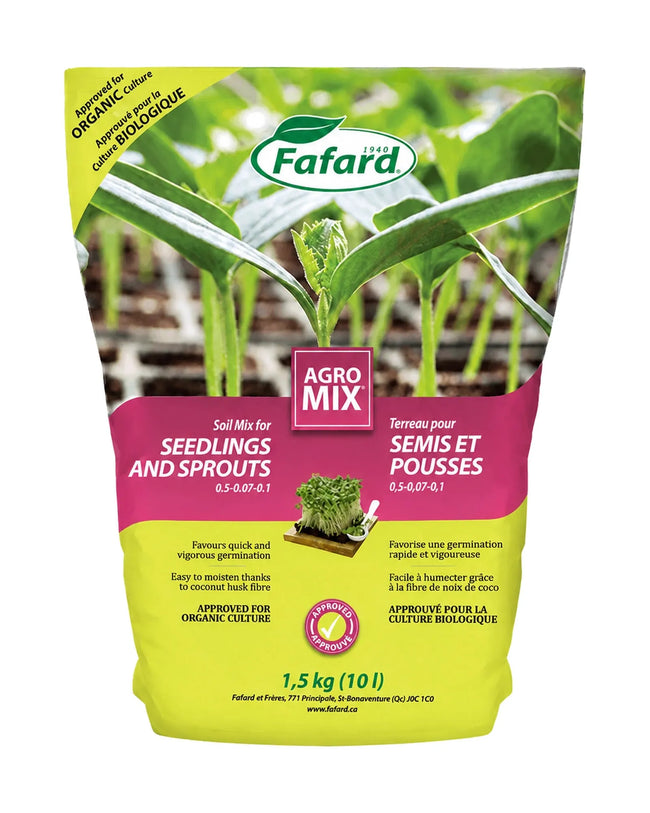
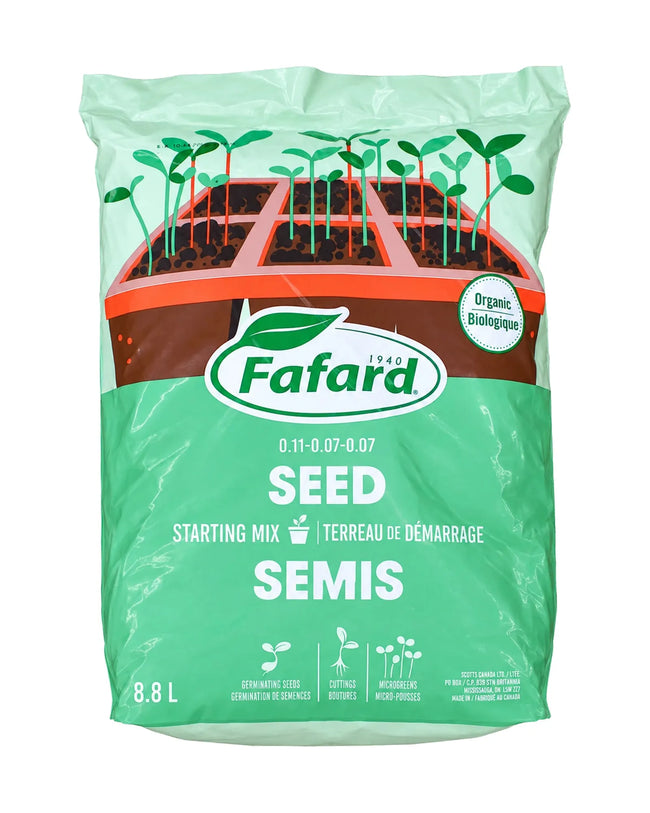
Seed Starting Soil
Shop the collectionSeed starting supplies
Shop the collection