Sale
Sold out

Fruiting vegetable
Solanaceae
Organic fruiting vegetable seeds
Organic jalapeño
Capsicum annuum
Product code : BIOVO-0088
This organic Capsicum annuum jalapeño is sold without a more precise cultivar. It produces conical fleshy thick-walled fruit, commonly harvested dark green or left to turn red at full maturity. Heat generally falls around 2,500 to 8,000 Scoville Heat Units, with variation from seed genetics, maturity, and growing conditions. Use fruit in salsa, nachos, grilling, sauces, or tested pickles. Start seed indoors with steady warmth, then transplant after frost into full sun. Fertile freely draining soil, even moisture, and light support encourage harvest. Because no cultivar lineage is specified, maturity can vary. Judge harvest by fruit size, firmness, and colour instead of relying on a fixed calendar.
- Quantity
- Approximately 25 organic seeds
- Exposure
- Sun
- Life cycle
- Annual in Canadian gardens; frost-tender perennial where frost-free
Discover the plant
Common nameJalapeño
FamilySolanaceae
GenusCapsicum
Speciesannuum
TypeFruiting vegetable
Botanical nameCapsicum annuum
Reproducible seedsYes
Organic jalapeño (Capsicum annuum) here refers to a classic type without a more precise confirmed cultivar. It produces conical, fleshy, thick-walled fruit, generally dark green before turning red at full maturity. Vegetal flavour and moderate heat suit salsa, nachos, grilling, sauces, and tested pickles. University references commonly place jalapeño around 2,500 to 8,000 Scoville Heat Units, although seed-harvest genetics, maturity, and growing conditions influence actual pungency. This organic seed provides both green and red harvests. The product description assigns no unverified lineage, history, exact maturity, or heirloom characteristic to this generic product. Its familiar fruit type makes it useful in a broad range of home recipes.
Start seed indoors eight to ten weeks before the last frost, approximately 5 or 6 mm deep. Keep starting mix warm and lightly moist without saturation, then provide intense light immediately after emergence. Pot on as needed and harden plants gradually to sun and wind. Transplant only after frost danger has passed, soil has warmed, and nights remain mild. Select full sun, fertile soil amended with mature compost, and reliable drainage. Water deeply when the surface begins to dry, then mulch after soil warms. A stake or small cage protects loaded branches. Avoid excessive nitrogen, which promotes foliage at the expense of flowers and fruit. Inspect leaf undersides regularly and remove genuinely diseased material with clean tools.
Harvest green when fruit reaches full size, walls feel firm, and the characteristic jalapeño form develops. Leave peppers to turn red for full maturity, generally sweeter flavour, and colour useful in sauces or drying. Because no cultivar is specified, judge fruit instead of promising an exact day count. Cut stems with a clean tool. Wear gloves if skin reacts to peppers and taste one small cooked portion before seasoning a whole dish. Refrigerate cut fruit within two hours. For pickles, preserves, or drying, follow a tested food method and label the finished product clearly with its date and likely heat. Discard fruit showing mould or decay and clean preparation surfaces carefully.

Sowing guide
It all startswith a seed.
Sowing depth
5 to 6 mm (approximately 1/4 in)
Spacing / density
Space approximately 45 to 60 cm (18 to 24 in) apart
Germination temperature
Approximately 24 to 29 °C (75 to 85 °F)
Germination time
Approximately 10 to 14 days at 21–29°C; cooler media can extend emergence to about three weeks.
Sowing period
Indoors, 8 to 10 weeks before the last frost
Propagation
Seed
Growing method
Growing jalapeño from seed. Sow indoors eight to ten weeks before the last frost, 5 or 6 mm (1/4 in) deep in clean, lightly moist starting mix. After germination, give Jalapeño strong light and gentle airflow while keeping the young root zone evenly moist. Harden plants gradually to sun, wind, and cooler air, bringing them back under cover if frost threatens. For Jalapeño, the expected harvest form—conical jalapeño-type fruit with fleshy thick walls—helps confirm crop identity, while local warmth and plant health still influence maturity. Label every seedling because fruit colour and heat cannot identify young pepper plants. Match Jalapeño to sun and observe the actual hours of unobstructed light at the site. Pot Jalapeño up when roots occupy the starter cell, handling the root ball rather than pulling the stem. Leave Jalapeño open to light, airflow, and watering at soil level. Its growth is compact, upright, and branching. After emergence, move seedlings immediately under strong light with gentle airflow so stems remain sturdy. Space Jalapeño approximately 45 to 60 cm (18 to 24 in) apart to preserve access for watering, inspection, and harvest. Mulch only after the ground has warmed, and keep the material away from the stem. After late-season rain or wind, confirm drainage and support while preserving healthy foliage needed to finish ripening. Clip jalapeño without pulling on loaded branches. Compare green and ripe stages when appropriate, then harvest remaining sound fruit as the first autumn frost approaches.
Soil and care
The right care,at the right time.
Soil pH
Approximately 6.0 to 6.8
Care level
Moderate
Watering
For jalapeño, water according to soil drying rather than a fixed weekly calendar. As jalapeño's conical jalapeño-type fruit with fleshy thick walls develops on a plant with compact, upright, and branching growth, widen the wetted area with the expanding canopy and roots. Jalapeño is listed at approximately 65 days according to the front of the supplier packet; treat that as a planning reference and monitor moisture while later flowers and fruit are still developing. Water jalapeño slowly at soil level, soak the active root zone, and let surplus water drain before irrigating again.
Soil type
Jalapeño performs best in loose, fertile soil that holds useful moisture yet releases excess rain promptly. Give jalapeño's compact, upright, and branching growth enough uncompacted root area to carry conical jalapeño-type fruit with fleshy thick walls. With jalapeño's harvest listed as approximately 65 days according to the front of the supplier packet, keep its soil open and workable through the full production period. Before planting jalapeño, incorporate mature compost and break compacted layers instead of creating a rich, wet pocket around the crown. For jalapeño, the supplied pH guidance is approximately 6.0 to 6.8; adjust only after a soil test.
Fertilization
Jalapeño needs steady nutrition, not lush nitrogen-driven growth. Let a soil test guide any corrective amendment. For this compact, upright, and branching pepper plant bearing conical jalapeño-type fruit, its branches should remain sturdy as fruit begins filling. Keep concentrated product away from stems and crowns. For Jalapeño, fruit development responds best once feeding becomes restrained. Record plant response before repeating the treatment. Once this compact, upright, and branching pepper plant bearing conical jalapeño-type fruit buds, excessive nitrogen can delay fruiting. Use mature compost as a gentle fertility foundation. Even moisture helps Jalapeño use available nutrients consistently.
Moisture
Consistent soil moisture without saturation; good air circulation around the foliage.
Seasonal care
Seasonal care for jalapeño. Jalapeño begins with season-aware timing—indoors, 8 to 10 weeks before the last frost—so compare that guidance with the actual spring or autumn at your site. Sow 5 to 6 mm deep. Expect germination in 10 to 14 days at approximately 24 to 29 °C (75 to 85 °F); keep the medium evenly moist but aerated throughout that interval. After emergence, give the cultivar seedlings bright light and gentle air movement; pot on before roots circle densely, without burying a weak stem in wet mix. Harden the plants gradually, then transplant only after frost risk has passed, the soil is warm, and nights remain consistently mild. Choose full sun and loose fertile soil, mixing in mature compost while preserving drainage around the crown. Keep the root zone evenly moist but never saturated, widening the watered area as the canopy expands through summer. For container-grown jalapeño, use the supplied guidance—at least 15 to 20 L, approximately 30 to 35 cm (12 to 14 in) in diameter—and check drainage before growth hides the surface. During flowering, inspect the cultivar foliage for pests, maintain airflow, and avoid excess nitrogen, which can favour leafy growth over flower set and fruit ripening. Follow the supplied harvest guidance—harvest green at full size or red at full maturity; exact timing variable by conditions—while remembering that warmth and light still determine how quickly each fruit reaches its final stage. When the cultivar fruit begins colouring, handle it with gloves until the actual heat is known and label green and fully ripe harvests separately. Before the first autumn frost, move portable pots under protection or collect sound developed fruit, then remove diseased debris from the growing area.
Container growing
A garden,within reach.
Recommended pot size
At least 15 to 20 L, approximately 30 to 35 cm (12 to 14 in) in diameter
Growing jalapeño in containers. For Jalapeño, choose a container matching this guide: at least 15 to 20 L, approximately 30 to 35 cm (12 to 14 in) in diameter. Keep several drainage holes unobstructed. Check moisture daily during hot or windy periods, using pot weight and the root zone rather than a rigid schedule. Give Jalapeño sun, and keep water from collecting around the crown or container base. Place the pot in full sun where heat reflected from pavement will not overheat the roots. At final planting, space Jalapeño approximately 45 to 60 cm (18 to 24 in) apart; crowding extra plants reduces access. Install a stake or cage at planting when support is needed, without later piercing the root ball. Place Jalapeño before late-season crowding develops, keeping its mature habit in mind: compact, upright, and branching. Rotate the container when one side receives less light, but do not twist loaded stems against their support. For Jalapeño, watch for conical jalapeño-type fruit with fleshy thick walls and confirm maturity from colour, firmness, or size as appropriate. Position supports so branches remain accessible without rubbing the pot rim, then inspect blossoms and fruit from more than one side. As nights cool, let the rate of mix drying guide watering, and inspect leaf undersides before sheltering the container. Remove ripe fruit promptly and keep damaged produce out of storage. Before protecting the container from frost, examine stems and foliage for insects.

Bloom and dimensions
Its place,in your garden.
Flower color
White to greenish white
Foliage color
Green
Foliage type
Herbaceous
Growth rate
Fast
Growth habit
Compact, upright, and branching
Bloom period
For Jalapeño, those self-fertile blossoms precede fruit development. Keep the root zone evenly moist during bloom. Gentle air movement helps this compact, upright, and branching pepper plant bearing conical jalapeño-type fruit release pollen. Stable growth matters more than forcing extra bloom. Jalapeño opens small flowers where leaves meet its stems. Protect open flowers from abrupt water stress. Secure this compact, upright, and branching pepper plant bearing conical jalapeño-type fruit before fruit weighs down flowering branches. Stable growth matters more than forcing extra bloom. Jalapeño may also receive pollen-moving visits from insects.
Fruiting
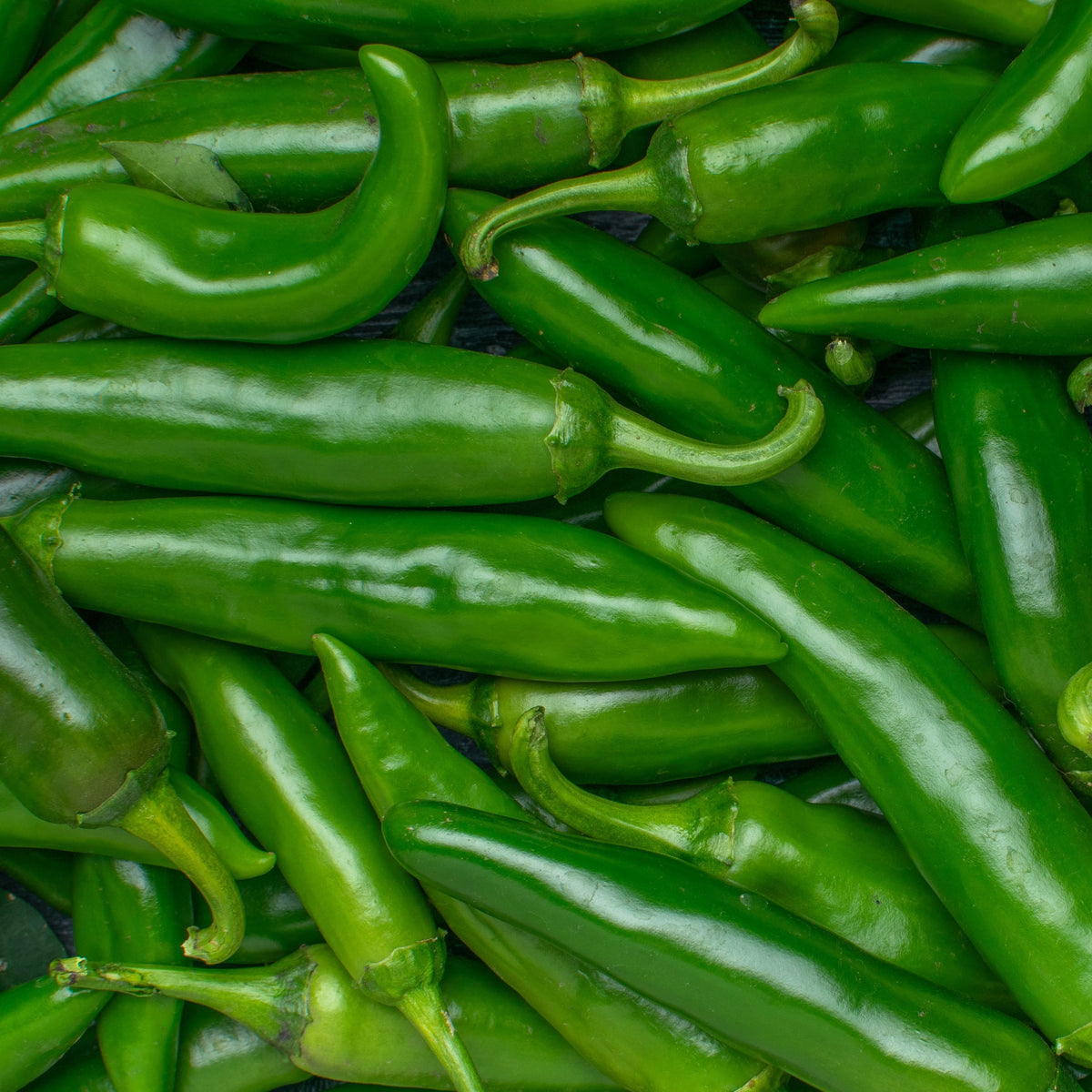
Conical, fleshy, thick-walled fruit develops dark green, then turns red at full maturity. Harvest green peppers when they reach full size and remain firm, or let them colour for generally sweeter flavour and a useful hue for sauces or drying. Because no precise cultivar is confirmed, judge size, firmness, and colour instead of promising an exact day count. Cut stems with a clean tool and continue picking regularly. Gather sound remaining peppers before persistently cold autumn nights.
Days to maturity
Approximately 65 days according to the front of the supplier packet
Harvest
Harvest green at full size or red at full maturity; exact timing variable by conditions
Garden associations
In goodcompany.
Companion plants
Rotate jalapeño with crops outside the nightshade family; nearby herbs do not interrupt a soil-borne disease cycle. Basil, parsley, oregano, or chives can occupy nearby space around Jalapeño when they do not shade the pepper. Give the pepper plant enough sun and airflow as branches begin carrying fruit. Around Jalapeño, remove any neighbour that begins competing for light, moisture, airflow, or harvest access. Keep access open to the conical jalapeño-type fruit with fleshy thick walls so gloves, labels, and clean harvest containers can be used without brushing other crops. Reassess the arrangement around Jalapeño as both crops approach mature size. Use companion planting to organize succession and diversity, not as a substitute for sound crop care.
Recipe idea
From the gardento your plate.
Edible parts
Fruit, after appropriate culinary preparation
Pepper in the kitchen. Green jalapeño salsa — Wear gloves and wash one firm green jalapeño. Remove the stem, then chop only half the fruit at first. Combine with three firm diced tomatoes, 60 mL (1/4 cup) chopped onion, 30 mL (2 tbsp) cilantro, and 15 mL (1 tbsp) lime juice. Season lightly with salt and refrigerate for fifteen minutes. Taste a small portion before adding the remaining pepper because heat can vary around 2,500 to 8,000 Scoville Heat Units. Serve with chips, beans, or grilled vegetables. Refrigerate leftovers within two hours. This fresh salsa is not shelf-stable; follow a tested recipe for any room-temperature storage. Wash hands, knife, and board carefully after preparation and label the container as hot. For extra colour, add a few diced yellow tomatoes or sweet peppers only when serving. Do not use this fresh recipe for canning, and keep every ingredient chilled until the salsa is eaten. Serve immediately.
Frequently asked questions
Your questions,answered.
When should 'Jalapeño' pepper be sown in your region?
Start this jalapeño indoors eight to ten weeks before your garden's expected last frost. Sow 5–6 mm deep in lightly moist seed-starting mix and keep the tray at approximately 24–29°C. Germination can occur over 10 to 14 days, depending on warmth and natural seed variation; label the sowing and avoid saturating slow cells. Once leaves appear, remove any dome, place seedlings under strong light, and provide gentle airflow. Pot each plant up when roots fill its cell, then harden it by increasing outdoor sun and wind exposure over about seven days. Final planting should wait until frost risk has ended, the soil is warm, and nights stay mild. Space the compact, branching plants 45–60 cm apart. The packet's approximate 65-day maturity is counted after transplanting, not from the indoor sowing date.
How hot is a jalapeño?
University references commonly place jalapeño types around 2,500 to 8,000 Scoville Heat Units. This range remains guidance because cultivar, seed genetics, maturity, temperature, and watering influence actual pungency. Since this product names no cultivar, its exact heat cannot be inferred in advance. Wear gloves if skin reacts, avoid touching eyes, and taste one tiny cooked piece before seasoning an entire dish. Warn diners and label sauces or pickles clearly. If a recipe requires a very mild pepper, choose a confirmed heatless cultivar instead of assuming that a particular jalapeño will be weak. Keep hot preparations away from children and pets. Taste cautiously.
Can jalapeños be harvested green?
Yes. Extension services note that jalapeños may be used green once they reach full size and walls feel firm. This stage offers more vegetal flavour and suits salsa, nachos, grilling, or tested pickling. Fruit left on the plant turns red, reaches full maturity, and often develops greater sweetness. Cut stems with a clean tool instead of pulling. Pick regularly to support continued production. Before cold nights, gather remaining sound green fruit. Refrigerate cut or damaged peppers promptly and discard any showing mould or decay. Record green and red harvest dates to create a local schedule for the following season. Local timing varies.
Can 'Jalapeño' be grown in a container?
Jalapeño can be container-grown. Give one compact plant at least 15–20 L in a pot approximately 30 to 35 cm wide with several drainage holes. Use an airy mix and move the container outdoors after frost risk has ended. Water thoroughly, allow surplus to drain, and check moisture frequently during hot or windy conditions. A small cage can hold branches upright once fleshy fruit develops. The supplier packet gives an approximate 65-day reference, but exact timing varies; harvest green at full size or leave peppers until red at full maturity. Keep the pot labelled as hot pepper and away from casual contact. When cutting, wear gloves if needed, avoid touching your eyes, and wash tools and hands before working with mild foods.
When does jalapeño harvest begin?
No precise cultivar is given, so this product description provides no fixed timing. Begin when fruit reaches its characteristic conical form, full size, and firm walls. Harvest green for vegetal flavour or wait for red colour, full maturity, and greater sweetness. Warmth, light, watering, and seed-harvest genetics change the schedule. Cut stems cleanly and pick regularly. Record transplant date, first green harvest, and first red fruit to build a local reference. Before autumn cold, gather every sound usable pepper. Refrigerate cut or damaged fruit promptly and discard any showing decay. These observations will improve the following indoor sowing schedule without inventing a cultivar-specific day count.
Wildlife and pets
Life,around your plants.
Supporting wildlife
Jalapeño blossoms are self-fertile, and normal wind or plant movement is often enough for fruit set. Outdoor bumblebees and other bees may visit and vibrate the flowers, releasing more pollen. This is a modest, seasonal benefit rather than dependable habitat. Avoid spraying blooms during visits and provide other flowering species across the season.
For a great start to your seeds
The right extras.Right here.
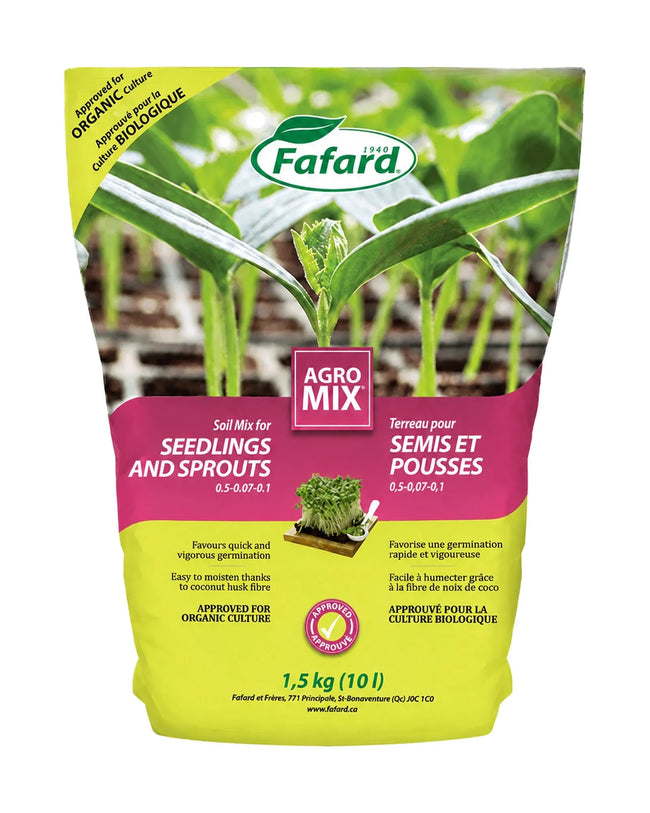
Seed Starting Soil
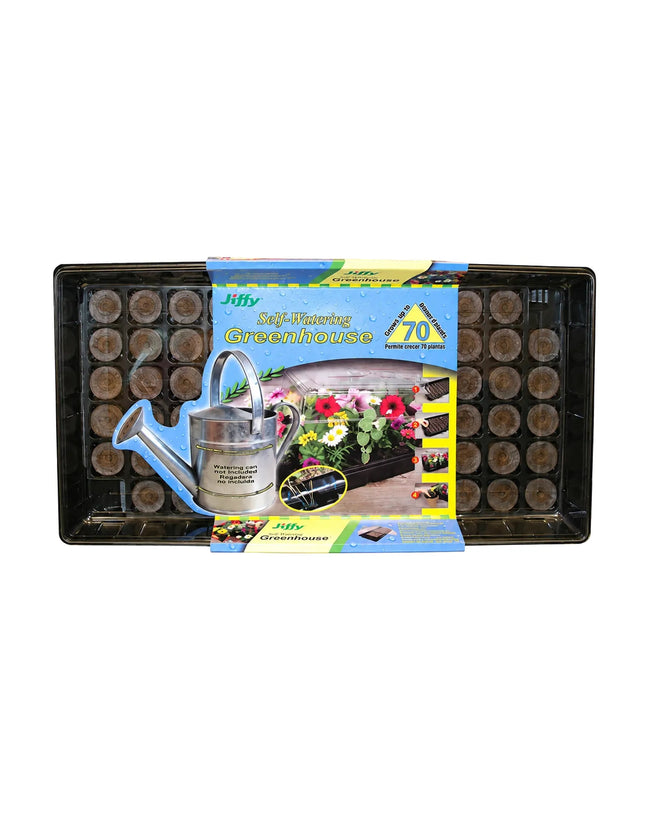
Shop the collectionSeed starting supplies
Shop the collection