Sale
Sold out

Organic compact intensely aromatic perennial culinary herb
Lamiaceae
Organic Greek oregano
Origanum vulgare subsp. hirtum
Product code : BIOVO-0058
Organic Greek oregano is a compact perennial culinary herb with robust, warm, peppery aroma. Its small green leaves provide the classic flavour expected from oregano and remain aromatic after drying. Grow it in full sun and light, gritty or sandy, very well-drained soil. The low clump suits herb gardens, rock gardens, borders, and containers near the kitchen. Harvest stems immediately before or as flowering begins while leaving several pairs of leaves for regrowth. Small white flowers feed pollinators during summer. Reliable winter drainage encourages this hardy perennial to return. Fresh and dried leaves both season many Mediterranean-style dishes. Harvest modestly.
- Exposure
- Sun
- Life cycle
- Perennial
Discover the plant
Common nameGreek oregano
FamilyLamiaceae
GenusOriganum
Speciesvulgare subsp. hirtum
TypeOrganic compact intensely aromatic perennial culinary herb
Botanical nameOriganum vulgare subsp. hirtum
Reproducible seedsYes
Organic Greek oregano (Origanum vulgare subsp. hirtum) is a compact perennial culinary herb recognized for robust, warm, peppery aroma. Its small green leaves retain pronounced flavour after drying and season tomato sauces, pizza, roasted vegetables, soups, marinades, dressings, and Mediterranean dishes. The low spreading clump suits herb gardens, rock gardens, sunny borders, and very well-drained containers. Small white summer flowers attract bees, butterflies, and other pollinators. For the best culinary aroma, harvest part of the stems immediately before flowers open fully. Fresh leaves are potent, so begin with a modest amount and adjust to taste.
Surface-sow the tiny seed or cover it only minimally, then maintain even moisture without saturation through emergence. Provide strong light and gentle airflow afterward. Harden young plants gradually before setting them in full sun and light, gritty or sandy, very well-drained soil. Space clumps approximately 30 to 45 cm apart according to the planting design. Water regularly during establishment, then let the surface dry slightly between applications. Pinch tips to encourage branching and avoid rich fertilizer that produces soft, less aromatic growth. Reliable drainage is particularly important in heavy soil and during winter thaw.
Begin with light cuts once the plant is well rooted. Harvest in the morning after dew dries, using clean scissors and leaving several pairs of leaves for regrowth. Use stems fresh or dry them in small bundles in a dark, dry, ventilated place. Leave several stems to bloom for pollinators, then cut tired growth back. In cold climates, excellent winter drainage protects the crown better than wet compact mulch. In spring, remove dead stems gradually. Discard any foliage that is mouldy, rotten, soiled, or abnormal-smelling before culinary use. Store dried leaves only after they become completely crisp.

Sowing guide
It all startswith a seed.
Sowing depth
0.3 cm (1/8 in)
Spacing / density
Space plants approximately 30 to 45 cm (12 to 18 in) apart to allow the clump to spread, maintain good airflow, and simplify harvest.
Germination temperature
20 to 24 °C (68 to 75 °F)
Germination time
Approximately 7 to 14 days
Sowing period
Spring to early summer, adjusted to local frost dates
Propagation
Seed, cuttings, and division
Growing method
Growing oregano from seed. Surface-sow the tiny seed on fine moistened mix, then press gently without burying it. Keep the surface evenly moist without saturation and provide steady light. After emergence, increase airflow and pot up when seedlings are easy to handle. Harden them gradually to outdoor sun, wind, and temperatures. Set out after frost in full sun and light, very well-drained soil, approximately 30 to 45 cm apart. During establishment, provide consistent moisture; once roots are active, wait for slight surface drying before irrigating again. Pinch tips to create a branched clump. Avoid excessive fertilizer and constantly wet soil. Begin with light harvests, then cut stems immediately before or as flowering begins while leaving several pairs of leaves. Dry surplus in shade with good ventilation. After bloom, remove tired stems. Before winter, clear the crown, reduce watering, and ensure snowmelt or rain never collects around roots. In spring, wait for regrowth and gradually remove dead parts. Inspect leaf undersides periodically for aphids or mites and use clean scissors for every harvest. Refrigerate stems intended for fresh use promptly, never harvest spotted or rotten foliage, and protect young transplants temporarily from strong cold wind. Keep the crown free of heavy wet mulch.
Soil and care
The right care,at the right time.
Soil pH
Neutral to slightly alkaline
Minimum temperature
-25 °C (-13 °F)
Care level
Easy
Watering
Allow the surface around Greek oregano to dry slightly between thorough waterings once the perennial clump is established. Water Greek oregano at soil level in the morning and schedule the next irrigation from actual soil moisture, not the calendar. Greek oregano's recommended container must drain freely; inspect it more often in wind and empty the saucer after watering. Around Greek oregano, pull compacted mulch away from the crown and avoid prolonged leaf wetness before cool nights.
Soil type
Greek oregano favours light, sharply drained soil over a rich bed that stays wet around the perennial crown. Before planting Greek oregano, use mature compost, remove perennial weed roots, and break any compacted layer. For Greek oregano, the supplied soil reaction is neutral to slightly alkaline; test before adding lime or acidifying material. For container-grown Greek oregano, choose the recommended soil volume and an airy mix with unblocked drainage holes. Keep Greek oregano's crown or bulb at its proper level rather than sinking it into a wet amended pocket.
Fertilization
Greek oregano produces better leafy growth with restrained fertility. Let a soil test guide any corrective amendment. For this bushy, branching, and slightly herb grown for upright to spreading leafy, harvest quality can decline under excessive feeding. Never place fertilizer directly against young roots. Feed Greek oregano lightly after harvest only when growth slows. Use new growth to judge whether nutrition is adequate. For this bushy, branching, and slightly herb grown for upright to spreading leafy, its leafy growth should stay aromatic, firm, and compact. Apply every fertilizer at its labelled rate. Greek oregano can lose flavour intensity and firm growth under rich nitrogen.
Moisture
Oregano prefers moderate to low humidity around the foliage and soil that drains quickly. Space plants generously to maintain airflow, especially during rainy periods. Persistent humidity and a wet crown encourage disease, while slight drying between waterings is tolerated well after establishment.
Seasonal care
Seasonal care for oregano. For the first sowing of Greek oregano, use this crop-specific timing as a guide and adjust it to the garden: spring to early summer, adjusted to local frost dates. Label the tray or row after sowing 0.3 cm deep; seed generally emerges in 7 to 14 days at 20 to 24 °C (68 to 75 °F), and slower seeds should not be disturbed. After emergence, give seedlings bright light and gentle airflow, thinning crowded growth before stems stretch or crowns remain damp. Use the stated exposure and freely drained soil, adding mature compost modestly rather than forcing soft growth. Water from actual root-zone moisture: young plants need consistency, while established roots should not remain saturated. Greek oregano container guidance: at least 25 to 30 cm (10 to 12 in) wide and deep. Set the pot where runoff can escape and light is adequate. Begin light tip harvests only after vigorous growth is established, always leaving enough clean foliage for recovery. Follow this harvest guidance: the crop-specific leafy stage. Gather stems in the cool part of the day with clean scissors. Pinch or cut flower stems according to the desired harvest: delay bloom for leaves, or retain selected usable flowers. Before frost or winter dormancy, take the final sound harvest, then remove damaged material and reduce watering as growth slows. For perennial plants, reassess drainage and crown health when spring growth resumes.
Container growing
A garden,within reach.
Recommended pot size
At least 25 to 30 cm (10 to 12 in) wide and deep
Growing oregano in containers. Choose a container at least 25 to 30 cm wide and deep for Greek oregano, with multiple drainage holes and a saucer that can be emptied promptly. Use a light, free-draining potting mix containing a modest amount of finished compost and coarse mineral material. Surface-sow according to the seed instructions or transplant an acclimated seedling without covering the crown. Set the pot in full sun, water thoroughly after planting, and wait until the surface begins drying before watering again. Greek oregano resents a constantly saturated root zone more than a brief dry surface. Pinch young tips to build a bushy, branching plant and rotate the container when one side receives noticeably more light. Feed sparingly and only at the labelled rate if foliage pales or growth stalls after other causes have been checked. Harvest clean stems before or as flower clusters open, always leaving a leafy base for recovery. After heavy rain, confirm that the drainage holes remain open. For winter, shelter the pot from repeated soaking and damaging freeze-thaw exposure while still allowing the perennial its natural cold rest. Insulate the container sides without wrapping the drainage area or trapping water around the crown. During thaws, remove only dead or damaged tissue. Wait for visible spring regrowth before pruning hard, renew only part of the potting mix at once, and retain a clear botanical label so Greek oregano is not confused with marjoram or another oregano.
Bloom and dimensions
Its place,in your garden.
Mature height
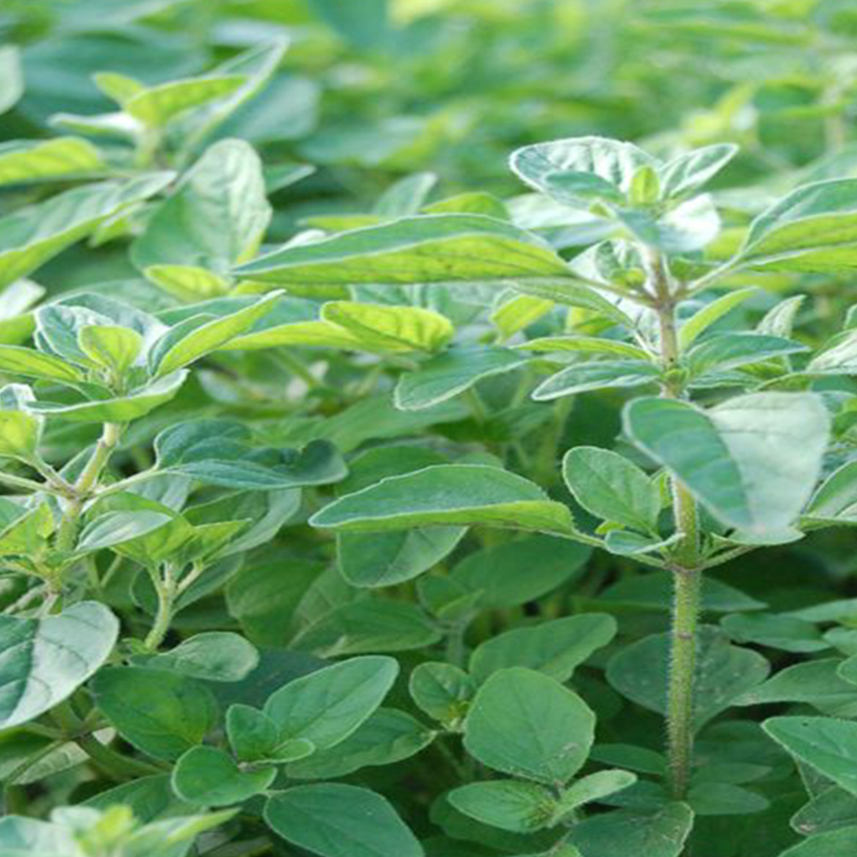
30 to 45 cm (12 to 18 in)
Width / spread
30 to 45 cm (12 to 18 in)
Flower color
White to pale pink
Foliage color
Medium to dark green
Foliage type
Evergreen to semi-evergreen depending on winter
Growth rate
Moderate
Growth habit
Bushy, branching, and slightly spreading
Bloom period
Greek oregano raises flower stems above its leafy growth. Keep the root zone evenly moist during bloom. For this bushy, branching, and slightly herb grown for upright to spreading leafy, bloom redirects energy away from the tender leaf harvest. Support stems before the developing harvest adds weight. Small insects may visit Greek oregano's unsprayed flowers. Check moisture before blaming poor set on fertility. For this bushy, branching, and slightly herb grown for upright to spreading leafy, its leafy growth becomes less harvest-focused after flowering. Good light and airflow help reproductive growth continue. Pinch Greek oregano's buds when leafy harvest remains primary.
Fruiting
After flowering, pollinated blooms may form small brown nutlets containing seed. Let several healthy stems mature and dry on the plant when seed harvest is desired. Cut them in dry weather over a bag, then finish drying under cover before separating and labelling seed. Store it in a cool, dry, dark place. Discard any harvest that is damp or mouldy.
Harvest
Begin with light cuts once the clump is well rooted. For concentrated aroma, harvest healthy stems immediately before or as flowering begins, in the morning after dew dries. Use clean scissors and leave several pairs of leaves above the base to support regrowth. Move stems into shade immediately. Use them fresh or dry them in a dark, dry, ventilated place. Discard foliage that is mouldy, rotten, soiled, or abnormal-smelling.

Garden associations
In goodcompany.
Companion plants
Greek oregano may grow near other Mediterranean herbs that enjoy full sun and very well-drained soil, such as thyme, sage, or lavender. Leave enough space for every clump to receive light and air. Companion planting does not replace rotation, weeding, or proper pest identification. Avoid highly water-demanding plants immediately against its roots. Low flowers can extend forage for pollinators without smothering aromatic foliage. Keep paths open for harvest and spring pruning. Avoid crowding that traps humidity around the crown during winter.
Plants to avoid
Basil and mint can compete in confined spaces. Good planting planning helps limit this competition.
Recipe idea
From the gardento your plate.
Edible parts
Leaves, tender stems, and flowers
Oregano in the kitchen. Quick Greek oregano tomato sauce — Warm 15 mL olive oil in a saucepan over medium heat. Add 80 g finely diced onion and cook until translucent. Stir in one minced garlic clove for 30 seconds, then add 500 g crushed tomatoes, 5 mL dried Greek oregano or 15 mL finely chopped fresh leaves, black pepper, and a small pinch of salt. Simmer uncovered for 15–20 minutes, stirring occasionally, until the sauce lightly coats a spoon. Add 10 mL red-wine vinegar at the end and taste before adding more oregano; fresh and dried leaves differ in strength. Spoon over pasta, white beans, baked eggplant, or grilled bread. If using fresh oregano, rinse and dry sound sprigs, strip the leaves, and discard tough stems. Refrigerate the cooled sauce promptly in a shallow covered container. This quick sauce is not a tested canning recipe, even though it contains tomatoes and acid. Discard herbs that are slimy, mouldy, or unusually discoloured, and use a clean utensil each time the sauce is served.
Frequently asked questions
Your questions,answered.
Why should Greek oregano seed be surface-sown?
Greek oregano seed is extremely small and should receive light while it begins germinating. Level and pre-moisten a fine starting mix, scatter the seed on top, then press it gently into contact instead of covering it deeply; the listed depth is only about 0.3 cm. Keep the tray near 20–24°C and prevent the surface from drying during the approximately 7–14-day emergence period. A clear cover can slow moisture loss, but ventilate it and remove it as soon as seedlings appear. Deeply buried seed may exhaust its limited reserves before reaching light. After emergence, use strong light and mild airflow so stems do not stretch. Thin crowded spots with scissors rather than pulling through the delicate roots. Label the tray with the full botanical identity, since tiny oregano seedlings are difficult to distinguish from other herbs at first.
When and how should Greek oregano be harvested?
Wait until oregano forms a vigorous clump before the first pruning. In the morning after dew disappears, select clean shoots whose flower buds are beginning to form. Cut above several leaf levels so lower branches continue growing. Take only part of the plant and avoid major pruning in late fall. Move fresh stems into shade immediately. For preservation, hang small bundles or spread leaves in a dark, dry, well-ventilated place. Store them only when completely crisp. Keep several flowering shoots for pollinators and discard any mouldy or abnormal-smelling material. Use a clean, opaque container and check it later for condensation before long-term storage.
How should Greek oregano be protected during a Canada winter?
Drainage is the priority. Place the clump in light, raised, or gravelly soil where water cannot remain around the crown. In fall, stop rich feeding, reduce irrigation, and remove waterlogged debris without pulling healthy tissue. Light cover may limit temperature swings, but it must not trap moisture. Move pots to a place sheltered from repeated rain and freeze-thaw cycles while keeping drainage holes open. In spring, wait for regrowth before gradually removing dead stems with a clean tool. Established Greek oregano is hardy, but every garden microclimate influences winter survival. Stable snow may insulate the clump, but repeated thaws make rapid drainage even more important.
What is the difference between Greek oregano and sweet marjoram?
Greek oregano, Origanum vulgare subsp. hirtum, is a perennial with robust, warm, peppery aroma that remains pronounced after drying. Sweet marjoram, Origanum majorana, generally offers a gentler floral delicate aroma and behaves as a more tender plant in cold climates. Greek oregano foliage seasons tomato sauces, pizza, roasted vegetables, and marinades in modest amounts. Check the Latin name when choosing a plant, then always adjust herb quantity to taste because intensity varies with harvest timing and growing conditions. Both herbs are useful, but they provide noticeably different flavour profiles. Begin with a small amount of Greek oregano, then increase gradually according to the dish and personal preference.
How should Greek oregano be stored after harvest?
For fresh use, refrigerate clean stems in a ventilated container and use promptly. For drying, harvest before or as flowering begins, then hang small bundles or spread leaves in a thin shaded layer. Provide good airflow and avoid strong heat, which may reduce aromatic quality. Store only when leaves are completely crisp. Use a clean, dry, opaque container and record the date. Check after several days that no condensation has formed. Discard any portion showing mould, soft texture, insects, or unusual odour. Crush dried leaves only when needed to preserve more aroma. Label each Greek oregano storage batch with its harvest date and keep newly harvested material separate from older lots. Recheck for trapped moisture, softness, mould, or abnormal odour during storage, and remove any affected portion promptly instead of allowing decay to spread.
Wildlife and pets
Life,around your plants.
Supporting wildlife
Small white flowers provide nectar and pollen for bees, butterflies, moths, and other pollinators during summer. Leave several stems to bloom when leaf harvest is not the only priority. Avoid insecticides while visitors are active and maintain enough airflow around the clump. Nearby flowering herbs can extend forage beyond the oregano bloom period.
For a great start to your seeds
The right extras.Right here.
Seed Starting Soil
Shop the collectionSeed starting supplies
Shop the collection