Sale
Sold out

Open-pollinated seeds
Fabaceae
bean
Bean 'Velour'
Phaseolus vulgaris
Grow Bean 'Velour' from these bean seeds so you can harvest the pods while tender, before the seeds inside grow larger. Velour is a purple bush filet bean, extra-fine and stringless, measuring 10 to 12 cm (4 to 4.7 in). The pods turn green when cooked. The plant reaches approximately 50 cm (20 in); the supplier states 60 days. Pick the pods while they are still tender, following the length or other harvest characteristic described for the particular variety. Support the stem with one hand and detach the pod with the other. Do not mix overly developed pods into a harvest intended for young snap beans. Sow directly in the garden after the last frost. You can also start the seeds indoors in containers, sowing them 10 days before the planned planting date. Sow 2 cm (0.8 in) deep. The recommended location is full sun.
- Quantity
- ±50 seeds
- Exposure
- Full sun
- Life cycle
- Annual
Discover the plant
Common nameBean
FamilyFabaceae
GenusPhaseolus
Speciesvulgaris
CultivarVelour
TypeOpen-pollinated seeds
Botanical namePhaseolus vulgaris
Reproducible seedsYes
Bean 'Velour' belongs to Phaseolus vulgaris. This purple bush bean. Filet-type snap bean. Round, stringless, extra fine, 10 to 12 cm (3.9 to 4.7 in) long. Turns green when cooked. for freezing. Easy to harvest. Plant height: 50 cm (19.7 in). A productive, disease-resistant variety. The stated maturity period is 60 days. These characteristics help you choose its position in the garden and compare this selection with other cultivars in the same group. Plan its location around its growth, leaving enough room to observe and care for the plant.
Choose a growing location in full sun, with soil that allows excess water to drain away freely. Sow directly after the last frost, or start indoors 10 days beforehand. Sow the seeds at a depth of 2 cm (0.8 in). Leave 15 cm (5.9 in) between plants. In Quebec, wait for the soil and nights to warm before planting out; the last frost date varies by location. Gradually get the plants started indoors accustomed to outdoor wind and direct sunlight before you plant them out in the garden. Water at the base, accounting for rainfall and drainage, and check moisture more closely on hot days.
Harvest pods while tender, before the seeds become too large. Check the rows regularly and pick with both hands to avoid tearing the stems. Use fresh pods cooked; their colour may change during cooking depending on the variety. If the bean plant is a climber, install its support before the stems attach to it, and keep the harvest within easy reach. Avoid handling wet foliage to limit the spread of disease. Spacing and watering at the base then make care easier throughout the season. Keep these bean seeds dry until the next sowing.

Sowing guide
It all startswith a seed.
Sowing depth
2 cm (0.8 in)
Spacing / density
15 cm (5.9 in)
Sowing period
Direct sow in the garden after the last frost. You can also start seeds in containers indoors 10 days before.
Propagation
Seed sowing
Growing method
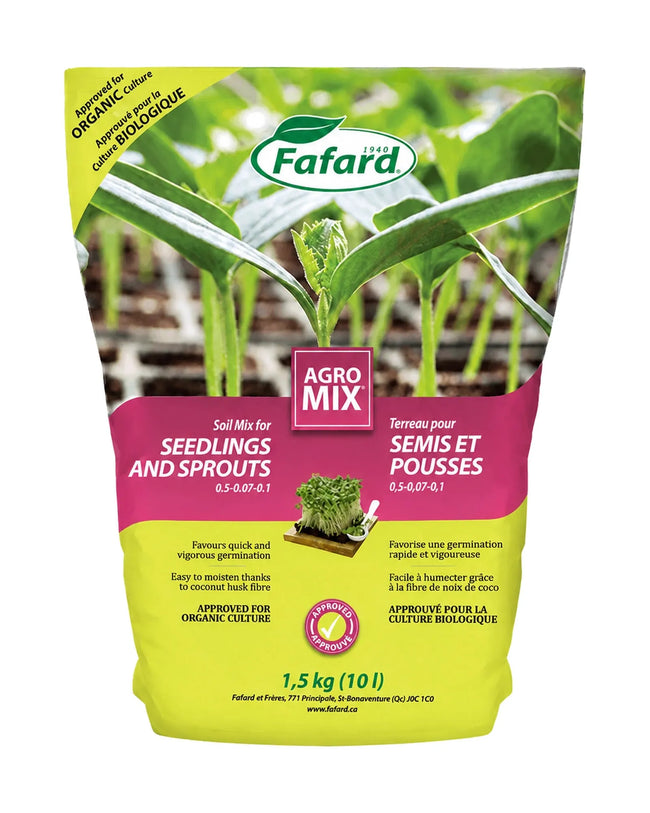
These seed-starting tips for Bean 'Velour' concern gardening in Quebec and can be adjusted to local frost risks. Sow directly in the garden after the last frost. You can also start the seeds indoors in containers, sowing them 10 days before the planned planting date. Sow the seeds at a depth of 2 cm (0.8 in). Leave 15 cm (5.9 in) between plants. This crop is identified as Phaseolus vulgaris. Position snap beans within harvesting reach, alongside an aisle where the pods can be checked from both sides. Position climbing bean plants so that their trellis does not deprive bush bean plants of sunlight. Let the leaves dry before handling the entire row. Prepare the final growing site and seed-starting supplies first. For seed starting in pots, moisten the growing mix before filling the cells, then sow without compressing it into a hard mass. For direct sowing, remove large soil clods and mark a row that you can locate again after watering. Distribute seeds according to the intended spacing rather than pouring several into one spot. Water the growing medium gently so that the flow of water does not displace the seeds you have sown. Once the seedlings have emerged, keep the healthy young plants and allow enough space for them to continue developing. If seedlings are started indoors, gradually acclimatize them to outdoor conditions before planting them out. Handle the root ball carefully without pulling on the stem. Transplant into prepared soil, then water to help the soil settle into contact with the root ball. The pods turn green when cooked.
Soil and care
The right care,at the right time.
Care level
Moderate
Watering
For Bean 'Velour', adjust watering to the stage of growth. Water the seedbed gently so that the seeds remain in place. After establishment, check moisture near the roots rather than judging only by the appearance of the leaves. Direct water to the base and adjust the amount according to rainfall. Check a wind-exposed container more often; excess water must be able to drain freely.
Soil type
For Bean 'Velour', the source recommends well-drained soil. Prepare soil that the roots can explore, without large clods around the seeds. Assess drainage after rain as well: water should not remain around the crown for long. In containers, use a growing mix rather than heavy, compacted garden soil. The fertility requirements described for this plant should guide additions, without automatically adding large amounts of compost.
Fertilization
When feeding Bean 'Velour', begin with the fertility of the growing medium. For this legume, do not repeatedly add nitrogen out of habit. Foliage growth is not the only harvest goal. Before applying fertilizer, examine the soil or growing mix already in use. Measure each application according to the label and the crop's needs, without combining several products at once. In containers, account for nutrients already present in the growing mix. A plant that is suffering from a lack of water cannot be helped simply by applying additional fertilizer.
Moisture
Even moisture without saturation
Seasonal care
Care for Bean 'Velour' should reflect this trait: Velour is a purple bush filet bean, extra fine and stringless, 10 to 12 cm (4 to 4.7 in) long. The pods turn green when cooked. The plant reaches approximately 50 cm (20 in); the supplier states 60 days. Check the row regularly to spot pods hidden beneath the leaves. A snap bean grows quickly during warm weather. Remove overly developed pods from the batch intended for brief cooking; harvest without pulling out stems that still carry flowers. Start the season with a prepared site and labelled seedlings. During emergence, check that moisture reaches the seed zone without creating a persistent puddle. After planting, observe establishment before adding more fertilizer or pruning. Remove small weeds and check damaged leaves so that isolated damage is not mistaken for a need for fertilizer. Throughout summer, adjust watering to the condition of the soil and the rain received. Check support ties after windy weather, and do not let a tie constrict a thickening stem. Make cuts with a clean tool; do not remove a healthy stem simply to improve the view. In fall, separate what should be harvested, left in place or removed according to the plant's life cycle. After detaching the stems, put the supports away and clean your tools; take care not to move diseased plant debris into other growing areas. Whether the plant returns in spring depends on its stated life cycle, not simply on the word garden in its description. Pick the pods while they are still tender, following the length or other harvest characteristic described for the particular variety. Support the stem with one hand and detach the pod with the other. The recommended location is full sun.
Bloom and dimensions
Its place,in your garden.
Mature height
50 cm (20 in)
Growth habit
Dwarf
Fruiting
For harvesting Bean 'Velour', follow the stage specific to this crop. Pick the pods while they are still tender, following the length or other harvest characteristic described for the particular variety. Support the stem with one hand and detach the pod with the other. Do not mix overly developed pods into a harvest intended for young snap beans. Monitor the parts to be harvested as they develop. The stated timing does not replace this crop's specific signs of maturity or tenderness. Cut or harvest without injuring neighbouring stems.
Days to maturity
60 days
Harvest
Velour is a purple bush filet bean, extra-fine and stringless, measuring 10 to 12 cm (4 to 4.7 in). The pods turn green when cooked. The plant reaches approximately 50 cm (20 in); the supplier states 60 days. Pick the pods while they are still tender, following the length or other harvest characteristic described for the particular variety. Support the stem with one hand and detach the pod with the other. Do not mix overly developed pods into a harvest intended for young snap beans.

Garden associations
In goodcompany.
Companion plants
When choosing companions for Bean 'Velour', consider light, access and space. Position snap beans within harvesting reach, alongside an aisle where the pods can be checked from both sides. Position climbing bean plants so that their trellis does not deprive bush bean plants of sunlight. Let the leaves dry before handling the entire row. Plan companion planting around the available space and growing requirements. Leave enough light and air around the plant, and keep taller neighbours from covering its foliage. A practical arrangement of plants makes watering and harvesting easier to manage; it does not, by itself, guarantee protection against insect pests or an increase in yield. Keep every crop accessible and maintain its individual spacing.
Recipe idea
From the gardento your plate.
Edible parts
Cooked edible young pods
Here is a preparation suited to cooking the harvest from Bean 'Velour'. Prepare a cooked bean dish with butter and herbs. Rinse young pods, trim the ends and cut only the longest ones into even pieces. Cook them in a pot of boiling water, or use steam to cook them, continuing until they have become tender. Drain, then add a little butter or oil and chopped herbs. Serve with an omelette, fish or potatoes. For a salad, let cooked pods cool before adding a light vinaigrette. Set aside fibrous or overmature pods: they will not provide the texture sought in a filet-type bean. When growing several colours, remember that some pods change colour during cooking. Food use applies to the pod harvested at the right stage, without extending that use to the foliage. Refrigerate leftovers; a marinade for serving does not replace a validated canning process. Velour is a purple bush filet bean, extra-fine and stringless, measuring 10 to 12 cm (4 to 4.7 in). The pods turn green when cooked. The plant reaches approximately 50 cm (20 in); the supplier states 60 days.
Frequently asked questions
Your questions,answered.
How do you start Bean 'Velour' seeds in Quebec?
For Bean 'Velour', sow directly in the garden after the last frost. You can also start the seeds indoors in containers, sowing them 10 days before the planned planting date. Sow the seeds at a depth of 2 cm (0.8 in). Leave 15 cm (5.9 in) between plants. To choose a sowing date in Quebec, begin with your local frost risk, then apply the timing recommended for this crop. Always plan indoor seed starting by counting backwards from the expected planting date; do not start the seeds too early simply on principle. Prepare containers before sowing and label the variety. Maintain moisture suited to the seeds without leaving standing water. When sowing directly in the garden, prepare the row before distributing the seeds and water gently.
How much space should you allow for Bean 'Velour'?
For Bean 'Velour', Velour is a purple bush filet bean, extra fine and stringless, 10 to 12 cm (4 to 4.7 in) long. The pods turn green when cooked. The plant reaches approximately 50 cm (20 in); the supplier states 60 days. Position snap beans within harvesting reach, alongside an aisle where the pods can be checked from both sides. Position climbing bean plants so that their trellis does not deprive bush bean plants of sunlight. Let the leaves dry before handling the entire row. Choose the position according to this plant's habit and growth, then leave access for watering and cutting. If the plants require a support, put it in place before their stems begin to grow longer. The distance between plants does not replace a working aisle.
How should you manage watering for Bean 'Velour'?
Caring for Bean 'Velour' requires observing the plant. Check the growing mix or soil near the roots before watering. Water must reach the root ball, and excess water must then be able to drain from the container or soil. Recent rain, wind and heat affect how often watering is needed. Water at the base rather than routinely wetting the flowers and foliage. When a plant wilts, check its root ball as well: adding water to an already saturated root ball will not solve every problem. Use a gentle stream when watering newly sown seeds. Check the row regularly to spot pods hidden beneath the leaves. A snap bean grows quickly during warm weather. Remove overly developed pods from the batch intended for brief cooking; harvest without pulling out stems that still carry flowers.
How should you monitor the development of Bean 'Velour'?
The growth of Bean 'Velour' follows this profile. Velour is a purple bush filet bean, extra-fine and stringless, measuring 10 to 12 cm (4 to 4.7 in). The pods turn green when cooked. The plant reaches approximately 50 cm (20 in); the supplier states 60 days. Check the row regularly to spot pods hidden beneath the leaves. A snap bean grows quickly during warm weather. Remove overly developed pods from the batch intended for brief cooking; harvest without pulling out stems that still carry flowers. Pick the pods while they are still tender, following the length or other harvest characteristic described for the particular variety. Support the stem with one hand and detach the pod with the other. Do not mix overly developed pods into a harvest intended for young snap beans. Let the leaves dry before handling the entire row.
What growth stage should you look for in Bean 'Velour'?
For Bean 'Velour', pick pods at the tender stage, following the length or trait indicated for the variety. Support the stem with one hand and detach the pod with the other. Do not mix overly developed pods into a harvest intended for young snap beans. Velour is a purple bush filet bean, extra-fine and stringless, measuring 10 to 12 cm (4 to 4.7 in). The pods turn green when cooked. The plant reaches approximately 50 cm (20 in); the supplier states 60 days. The schedule is a guide, but observing the plant determines the right moment. Follow the recommended stage for the part harvested, and distinguish botanical maturity from culinary quality. Harvest with a clean tool when the stem resists, and immediately sort out damaged parts. For a bouquet flower, choose a healthy stem when this use is confirmed.
For a great start to your seeds
The right extras.Right here.
Seed Starting Soil
Shop the collectionSeed starting supplies
Shop the collection