Sale
Sold out

Open-pollinated seeds
Solanaceae
tomato
Litchi tomato
Solanum sisymbriifolium
Litchi tomato, Solanum sisymbriifolium, bears small fruits to harvest when they are fully red. This plant, sometimes called litchi tomato, is also recognizable by its many thorns and white flowers. It needs a location where people can move around without brushing against the foliage. The plant reaches about 150 cm (59 in.) in height and 100 cm (39 in.) in width, sometimes more in rich soil. Start the seeds indoors in warmth, then set the plants in the sun after hardening them off. Since ripening is late, monitor the fruits towards the end of the season. Only the ripe fruits are eaten, rather than the whole plant.
- Quantity
- ±50 seeds
- Exposure
- Full sun
- Life cycle
- Annual
Discover the plant
Common nameLitchi tomato
FamilySolanaceae
GenusSolanum
Speciessisymbriifolium
TypeOpen-pollinated seeds
Botanical nameSolanum sisymbriifolium
Reproducible seedsYes
Litchi tomato, also called litchi tomato, belongs to the species Solanum sisymbriifolium. Its common name should not lead to confusion with an ordinary litchi tomato variety: the plant is very thorny and has its own botanical identity. It reaches about 150 cm (59 in.) in height and 100 cm (39 in.) in width, sometimes more in rich soil. White flowers appear in succession from July until frost and attract pollinating insects. They precede small fruits measuring 2 to 3 cm (0.8 to 1.2 in.), which turn red when ready to eat. Ripening is late.
The seed supplier recommends starting indoors eight to fourteen weeks before the last frost. Sow 6 mm (0.24 in.) deep and maintain a temperature of 25 to 30 °C (77 to 86 °F); germination is listed as seven to ten days. After hardening off, plant in rich, well-drained soil in full sun when temperatures exceed 10 °C (50 °F). Leave 60 cm (24 in) between plants. Given their growth, also leave a path for care and harvesting. The thorns make it worthwhile to plan this access before the foliage fills the space.
In the garden, this plant suits a location where its form can be observed without passersby brushing against the thorns. Wait until the fruits are fully red before harvesting: the grower specifies eating them only at this ripe stage. Their sweet flavour adds interest to this vegetable-garden curiosity, but that does not make every part of the plant edible. Pick carefully, and do not pull on the stems to reach a distant fruit. Late ripening calls for monitoring the fruits at the end of the season rather than relying on their size alone.

Sowing guide
It all startswith a seed.
Sowing depth
6 mm (0.24 in)
Spacing / density
60 cm (23.6 in)
Germination temperature
25 to 30°C (77 to 86°F)
Germination time
7 to 10 days
Sowing period
Start seeds indoors 8 to 14 weeks before the last frost
Propagation
Seed sowing
Growing method
Full sun and rich, well-drained soil. Start indoors 8 to 14 weeks before the last frost. Transplant when the temperature is above 10°C (50 °F). Sow the seeds at a depth of 6 mm (0.24 in). 60 cm (23.6 in) between plants. The seeds germinate in 7-10 days at 25-30°C (77 to 86 °F). When planning seed starting for this selection of litchi tomato seeds in Quebec, match the sowing schedule to the conditions in your own garden rather than choosing one planting date for all of Canada. Start seeds in clean seed-starting mix and provide sufficient light as soon as they emerge. A long, leaning stem often indicates insufficient light. Transplant carefully once seedlings are large enough to handle, avoiding squeezing the stem between your fingers. Before planting outdoors, gradually expose young litchi tomato plants to wind and sunshine. In Quebec, wait until frost risk has passed and the soil has warmed; the date varies between regions. Litchi tomato forms a large plant covered with thorns. Reserve a sunny place for it, away from narrow walkways and areas where leaves are picked with bare hands.
Soil and care
The right care,at the right time.
Watering
Water the litchi tomato's root zone regularly, instead of wetting only the surface or waiting for severe wilting. Check the soil after rainfall to adjust watering. Sudden changes from dry conditions to watering can reduce the quality of the fruit, even when the cultivar is described as being less susceptible to fruit cracking. Mulch applied after the soil has warmed reduces evaporation.
Soil type
Full sun and rich, well-drained soil. Well-drained soil lets roots develop without sitting in a waterlogged area. Prepare the seedbed before you sow, remove any obstacles and keep the soil surface clear of foot traffic. The amount of compost you add should match the soil's fertility and this plant's needs rather than a uniform dose applied throughout the entire garden.
Fertilization
Prepare the soil with well-rotted organic matter, then adjust fertilization to its actual fertility. The litchi tomato plant needs to support both its foliage and its fruits, but an excess of nitrogen can favour growth of stems and leaves at the expense of fruit production. A soil test helps avoid unnecessary additions. When growing in containers, take account of the nutrients that the potting mix already contains and follow the directions on the fertilizer label; simply increasing the dose does not guarantee a more abundant harvest.
Moisture
Even moisture without saturation
Seasonal care
Full sun and rich, well-drained soil. Start indoors 8 to 14 weeks before the last frost. Transplant when the temperature is above 10°C (50 °F). 6 mm (0.24 in) deep. 60 cm (23.6 in) between plants. The seeds germinate in 7-10 days at 25-30°C (77 to 86 °F). When planning seed starting for this selection of litchi tomato seeds in Quebec, match the sowing schedule to the conditions in your own garden rather than choosing one planting date for all of Canada. Start seeds in clean seed-starting mix and provide sufficient light as soon as they emerge. A long, leaning stem often indicates insufficient light. Transplant carefully once seedlings are large enough to handle, avoiding squeezing the stem between your fingers. Before planting outdoors, gradually expose young litchi tomato plants to wind and sunshine. In Quebec, wait until frost risk has passed and the soil has warmed; the date varies between regions. Water the litchi tomato's root zone regularly, instead of wetting only the surface or waiting for severe wilting. Check the condition of the soil after rainfall so that you can adjust the amount of water you provide. Sudden changes from dry conditions to watering can reduce the quality of the fruit, even when the cultivar is described as being less susceptible to fruit cracking.
Bloom and dimensions
Its place,in your garden.
Mature height
1.50 m (4.9 ft)
Width / spread
100 cm (39 in), sometimes more in rich soil
Bloom period
This is a tall-growing plant whose surface is covered with spines. White flowers that are highly attractive to pollinating insects. Flowers from July until frost. Litchi tomato flowers precede the fruit clusters and are not a culinary harvest. Watch for their appearance as the plant grows. Poor fruit set may be related to heat, humidity or the plant's overall condition; do not automatically try to correct it with extra fertilizer.
Fruiting
Fruit measuring 2 to 3 cm (0.79 to 1.2 in) in diameter, edible when red. For the litchi tomato plant, the grower confirms that its fruits are edible once they have turned red. Wait for this stage and do not apply the uses of a green litchi tomato or a tomatillo. Wear gloves and approach the clusters carefully because of the thorns.
Harvest
For the litchi tomato plant, the grower confirms that its fruits are edible once they have turned red. Wait for this stage and do not apply the uses of a green litchi tomato or a tomatillo. Wear gloves and approach the clusters carefully because of the thorns. Pick the fruit without pulling on an entire branch. Ripening is described as late: watch the fruit and changing temperatures, without presenting tolerance of the first light frosts as a guarantee of winter harvests.

Garden associations
In goodcompany.
Companion plants
When planting beside Litchi tomato, favour plants whose eventual height will not block the light needed for this crop to grow. Keep the root zone and access routes clear: space and water requirements matter more than a simple list of companion plants. Simply placing plants close together does not provide proven protection against plant diseases or insect pests. Arrange rows or clumps so that you can water, check leaves and remove a damaged plant without harming its neighbours. These litchi tomato seeds fit a garden project chosen for the growth habit and uses of Litchi tomato.
Recipe idea
From the gardento your plate.
Edible parts
Ripe red fruit only
Serve the ripe red fruits of the litchi tomato plant in a small fruit salad, after washing them and removing any parts that are damaged. Their sweet flavour makes it worthwhile to taste them on their own before combining them with familiar fruits. Discard fruits that are still green or whose identity is uncertain. Approach the plant wearing gloves to avoid the thorns, then use only fruits at the edible stage confirmed by the grower; leaves and stems are not part of this preparation. Prepare a sound harvest that has been freshly cleaned, taking care to remove any parts that have been damaged. Choose the cut according to the dish, and keep pieces similarly sized to control their texture. Begin with light seasoning, then adjust after tasting. Serve once the desired texture is reached rather than continuing to cook out of habit. Place any leftovers promptly in the refrigerator, using a clean container to hold the prepared food.
Frequently asked questions
Your questions,answered.
What distinguishes Litchi tomato?
Litchi tomato: this crop is grown as an annual. A tall plant covered in spines. 1.50 metre (4.9 ft) tall and 1 metre (3.3 ft) wide. Or more, if grown in rich soil. Litchi tomato fruits can be served fresh or cooked according to their texture. Fleshy litchi tomato fruits can easily be cut into slices; small whole fruits are suitable for salads, and firm fruits can be prepared as a sauce. The cultivar's colour remains visible in a fresh preparation. The leaves and stems are not culinary ingredients. For preservation in jars, use a validated recipe and its complete processing treatment; the mild taste of a litchi tomato does not demonstrate sufficient acidity for a canning method improvised at home.
How do you start Litchi tomato from seed?
Full sun and rich, well-drained soil. Start indoors 8 to 14 weeks before the last frost. Transplant when the temperature is above 10°C (50 °F). 6 mm (0.24 in) deep. 60 cm (23.6 in) between plants. The seeds germinate in 7-10 days at 25-30°C (77 to 86 °F). When planning seed starting for this selection of litchi tomato seeds in Quebec, match the sowing schedule to the conditions in your own garden rather than choosing one planting date for all of Canada. Start seeds in clean seed-starting mix and provide sufficient light as soon as they emerge.
How should you position Litchi tomato in the garden?
Litchi tomato: this crop is grown as an annual. A tall plant covered in spines. 1.50 metre (4.9 ft) tall and 1 metre (3.3 ft) wide. Or more, if grown in rich soil. Litchi tomato forms a large plant covered with thorns. Reserve a sunny place for it, away from narrow walkways and areas where leaves are picked with bare hands. Prepare the soil according to the grower's advice and keep the fruit accessible without having to reach through the branches. The plant can exceed the stated dimensions in rich soil. The location must therefore account for its size, thorns and the late ripening of the fruits.
How do you care for Litchi tomato during the growing season?
Water the litchi tomato's root zone regularly, instead of wetting only the surface or waiting for severe wilting. Check the soil after rainfall to adjust watering. Sudden changes from dry conditions to watering can reduce the quality of the fruit, even when the cultivar is described as being less susceptible to fruit cracking. Mulch applied after the soil has warmed reduces evaporation. Avoid spraying the leaves unnecessarily, and ensure that water can drain away when growing in a pot. Wear gloves and sleeves that cover your arms when working with litchi tomato. The thorns make handling difficult; keep a clear path and use a clean tool to remove damaged tissue.
What growth stage should you look for in Litchi tomato?
Fruit measuring 2 to 3 cm (0.79 to 1.2 in) in diameter, edible when red. For the litchi tomato plant, the grower confirms that its fruits are edible once they have turned red. Wait for this stage and do not apply the uses of a green litchi tomato or a tomatillo. Wear gloves and approach the clusters carefully because of the thorns. Pick the fruit without pulling on an entire branch. Ripening is described as late: watch the fruit and changing temperatures, without presenting tolerance of the first light frosts as a guarantee of winter harvests. Near the end of Quebec's growing season, watch for cold nights and gather the fruit before a damaging frost.
Wildlife and pets
Life,around your plants.
Supporting wildlife
Litchi tomato may provide resources for some visiting insects while in bloom. Their appeal varies with flower shape, flowering time and the species present in the area. Avoid applying insecticide treatments while the plants are flowering, in order to protect the beneficial insects that visit their flowers.
For a great start to your seeds
The right extras.Right here.
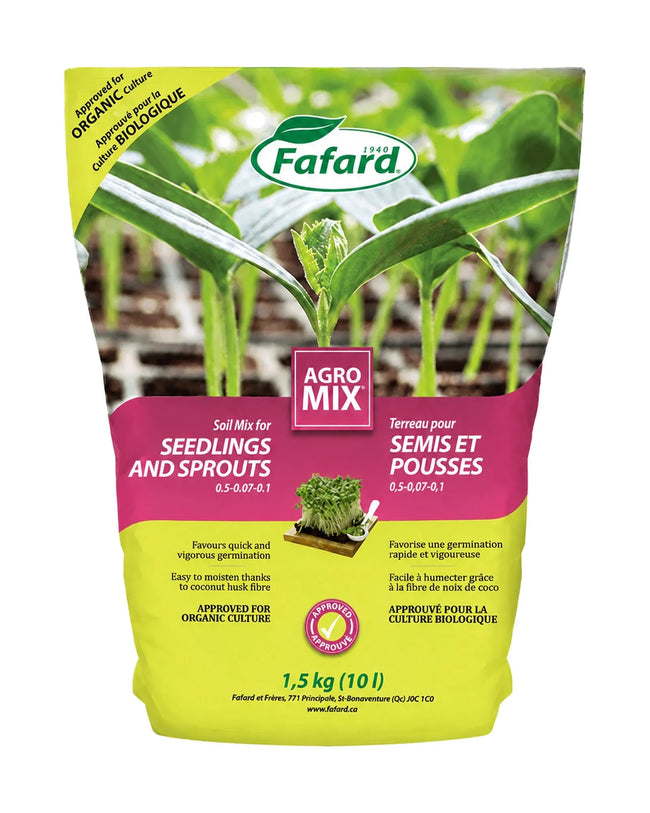
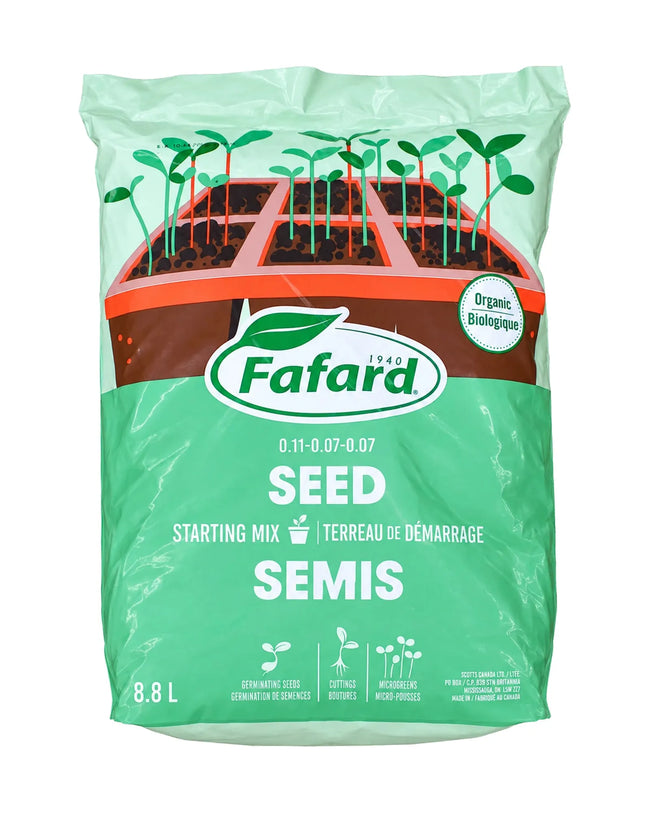
Seed Starting Soil
Shop the collectionSeed starting supplies
Shop the collection