Sale
Sold out

Open-pollinated seeds
Brassicaceae
spinach
Mustard ‘Oak Fire’ (Brassica juncea)
Mustard Oak Fire is a spinach variety for gardeners who want a clearly documented crop. It is especially notable for this feature: Magnificent mustard with green/red/purple leaves. The confirmed botanical name, Brassica juncea, supports accurate identification. Choose light conditions suited to this type of plant. Direct sowing in May, June. Sow 6 mm deep. Allow 15 cm between plants. Harvest timing varies with weather and sowing date. Harvesting at the proper stage highlights its culinary qualities. These spinach seeds suit garden projects in Quebec and across Canada. Store the packet in a dry place until sowing and adjust care to local weather.
- Quantity
- ±500 seeds
- Life cycle
- Annual
Discover the plant
Common namespinach
FamilyBrassicaceae
GenusBrassica
Speciesjuncea
CultivarOak Fire
TypeOpen-pollinated seeds
Botanical nameBrassica juncea
Reproducible seedsYes
Mustard Oak Fire Brassica juncea Mustard Oak Fire is a spinach variety offered as seed for gardens in Quebec and across Canada. This variety is especially notable for the following characteristic: Magnificent mustard with green/red/purple leaves. Its confirmed botanical name is Brassica juncea, which helps gardeners identify the plant accurately. Development speed varies with warmth, light, soil quality, and sowing time. Final size depends on available space and consistent care. Suitable spacing promotes air movement around the foliage. Light suited to the crop supports steady, balanced growth. A clean, loose, well-drained soil supports emergence and healthy root development.
The confirmed sowing depth is 6 mm. The producer recommends 15 cm between plants. Stable warmth generally encourages more even emergence. Germination time can vary with substrate moisture and temperature. For best results, keep the growing medium lightly moist during germination without saturating it. Once plants are established, water as needed while considering rainfall, drainage, and heat. Regular observation of the foliage makes it easier to adjust watering and care promptly. A light mulch can moderate moisture swings after plants are well established. Avoid persistent waterlogging, which reduces oxygen around the roots.
You can grow this variety beside plants with similar light and soil requirements. Harvesting at the right stage highlights the culinary qualities of this variety. Edible parts can be harvested at the recommended stage and prepared for the intended culinary use. These spinach seeds offer a clearly presented option for planning a garden project suited to the season. Store the packet in a dry place and use the product-specific details to plan sowing. Gradual hardening off is recommended before outdoor planting when seedlings were started indoors. Watch young plants closely during windy, very hot, or unusually wet periods.

Sowing guide
It all startswith a seed.
Sowing depth
6 mm
Spacing / density
15 cm
Sowing period
Direct sowing in May, June.
Propagation
Seed propagation
Growing method
Direct sowing in May, June. Sow 6 mm deep. Allow 15 cm between plants. Stable warmth encourages more even emergence. Emergence time varies with warmth and substrate moisture. Choose light conditions suited to this type of plant. Loose, well-drained soil supports steady root development. Keep the growing medium lightly moist during germination without leaving it waterlogged. After emergence, provide enough light to encourage compact, steady growth. Thin seedlings when needed so each plant has air, light, and root space. If sowing starts indoors, harden plants off gradually before outdoor planting. Water at soil level when the surface begins to dry, taking rainfall and heat into account. A light mulch can moderate moisture swings after plants are established. Check foliage regularly and remove only damaged growth. Harvest timing varies with weather and sowing date. Harvest at the recommended stage to enjoy the variety’s culinary quality. Results naturally vary with microclimate, sowing date, and consistency of care. This simple habit also supports consistent care. Steady care remains helpful throughout the season. Regular observation supports balanced plant growth. Consistent attention encourages the best results. Local weather may still shift the schedule slightly. Each observation helps adjust care at the right time.
Soil and care
The right care,at the right time.
Watering
During germination, keep the growing medium evenly moist without saturating it. After establishment, water when the soil surface begins to dry. Direct water to the root zone instead of wetting the foliage. Deep, less frequent watering generally encourages better rooting than repeated shallow applications. Reduce frequency after substantial rain and increase it during very hot or windy periods. Check containers more often because potting mix dries faster.
Fertilization
Mature compost incorporated before planting provides a balanced foundation for growth. Use a fertilizer suited to this crop only when plant vigour or soil fertility justifies it. Follow the product label to avoid excessive salts and unbalanced growth. Container-grown plants may need more regular feeding because nutrients are depleted more quickly. Water after application when the fertilizer label recommends it. Observe foliage colour and vigour before adjusting feeding frequency.
Moisture
Consistent moisture without saturation
Seasonal care
At sowing time, prepare a clean, loose, lightly moist growing medium. Sow 6 mm deep. Stable warmth encourages more even emergence. Emergence time varies with warmth and substrate moisture. After emergence, place seedlings under suitable light and check moisture daily. Thin crowded seedlings to reduce competition and improve airflow. Before outdoor planting, harden plants off gradually to sun, wind, and temperature changes. Choose light conditions suited to this type of plant. Loose, well-drained soil supports steady root development. Allow 15 cm between plants. During growth, water at soil level according to the weather and remove only truly damaged leaves. A light mulch reduces evaporation and splashing after the soil warms. Monitor edible parts and begin harvesting at the recommended stage. Harvest timing varies with weather and sowing date. Regular picking may support the quality of later harvests while the plant continues producing. At season’s end, remove diseased residue and compost only healthy material. Clean containers and store remaining seeds in a cool, dry place. Care spread throughout the season supports attentive cultivation without unnecessary interventions. Steady care remains helpful throughout the season. Regular observation supports balanced plant growth. Consistent attention encourages the best results. Local weather may still shift the schedule slightly. Each observation helps adjust care at the right time. Well-drained soil remains essential for healthy roots. Plant needs naturally change as growth progresses.
Bloom and dimensions
Its place,in your garden.
Bloom period
Chez un légume-feuille cultivé pour sa récolte, l’allongement d’une tige florale marque un changement d’objectif. Les feuilles peuvent devenir plus fermes ou changer de saveur, tandis que le plant dirige sa croissance vers les fleurs puis les graines. Réservez un sujet identifié si vous souhaitez observer ce cycle, plutôt que de laisser toute la récolte tendre monter en même temps.
Harvest
Harvest timing varies with weather and sowing date. Harvest Mustard Oak Fire when edible parts show the size, colour, or texture expected for the variety. Pick with clean hands and use a clean tool when stems resist. Regular harvesting often provides more consistent quality. Discard damaged portions and use the most delicate harvests promptly. Exact timing varies with heat, watering, and sowing date.

Garden associations
In goodcompany.
Companion plants
Auprès de Moutarde 'Oak Fire', privilégiez des plantes dont la hauteur ne masque pas la lumière nécessaire à la culture. Gardez la zone racinaire et les accès dégagés: les besoins d’espace et d’eau priment sur une simple liste de compagnons. La proximité ne constitue pas une protection prouvée contre les maladies ou les insectes. Organisez les rangées ou les touffes pour pouvoir arroser, observer les feuilles et retirer une plante abîmée sans endommager les voisines. Ces graines de moutarde rejoignent un projet de jardin choisi pour le port et les usages de Moutarde 'Oak Fire'.
Recipe idea
From the gardento your plate.
Edible parts
Leaves and young shoots
After harvest, gently clean the edible parts of Mustard Oak Fire and remove damaged material. Prepare only the parts identified as edible in this profile. For a simple preparation, cut the harvest into even pieces for consistent cooking. Serve it raw when the species is suitable, or cook it gently with a little oil and aromatics. Begin with light seasoning to preserve the variety’s own flavour. Then add fresh herbs, a touch of acidity, or a small amount of salt to suit the dish. Firmer harvests work well in sautés, soups, or oven dishes. Tender parts can be added to salads, garnishes, or quickly served preparations. Always follow preparation methods appropriate to the species, especially when certain parts should not be eaten raw. Refrigerate leftovers in a clean container and use them promptly to preserve quality. This flexible approach adapts to the amount harvested and ingredients already available. Consistent attention encourages the best results.
Frequently asked questions
Your questions,answered.
When should Mustard Oak Fire be sown?
Direct sowing in May, June. Sow 6 mm deep. Stable warmth encourages more even emergence. Emergence time varies with warmth and substrate moisture. Keep the growing medium lightly moist until emergence without waterlogging it. If sowing starts indoors, give seedlings ample light and harden them off before outdoor planting. The exact date should reflect the last frost, soil temperature, and conditions at your site. Label the sowing with the variety name and date to track germination accurately. Local weather may still shift the schedule slightly. Each observation helps adjust care at the right time. Well-drained soil remains essential for healthy roots.
Which exposure suits Mustard Oak Fire?
Choose light conditions suited to this type of plant. Place Mustard Oak Fire where this amount of light remains available through most of the growing period. A site that is too dark may stretch seedlings and slow development. In a very hot location, check soil moisture more frequently. Rotate containers when needed for more even exposure. Also consider shade cast by buildings and taller plants as the season progresses. Good airflow complements an appropriate light exposure. Each observation helps adjust care at the right time. Well-drained soil remains essential for healthy roots. Plant needs naturally change as growth progresses. This simple habit also supports consistent care.
How should Mustard Oak Fire be watered?
During germination, keep the growing medium evenly moist without saturating it. After Mustard Oak Fire is established, water when the soil surface begins to dry. Direct water toward the root zone instead of wetting foliage. Water more often during very hot or windy periods and reduce applications after substantial rain. In containers, check moisture daily when needed because potting mix dries faster. Always allow excess water to drain. Light mulch can help stabilize moisture after plants become established. Well-drained soil remains essential for healthy roots. Plant needs naturally change as growth progresses. This simple habit also supports consistent care. Steady care remains helpful throughout the season.
Can Mustard Oak Fire be grown in a container?
Mustard Oak Fire can be grown in a container when pot size matches the plant’s expected development. Choose a stable container with drainage holes and fill it with quality potting mix. Choose light conditions suited to this type of plant. Check moisture more often than in the ground, especially in hot weather. Water slowly, then allow excess water to drain completely. A suitable fertilizer may help as potting-mix reserves decline. Provide support if the plant’s growth habit or crop load requires it. A sufficiently large pot reduces rapid moisture swings and supports steadier rooting. Plant needs naturally change as growth progresses.
When is the best time to enjoy Mustard Oak Fire?
Harvest timing varies with weather and sowing date. Begin harvesting when edible parts reach the size, colour, or texture typical of the variety. Regular picking helps you enjoy harvests at their best stage. Observe the plant rather than relying only on the calendar because weather can advance or delay development. Discard damaged portions and keep only healthy harvests or flowers. Record important dates to plan the crop more accurately next season. Consistent care supports more even growth and better overall quality. This simple habit also supports consistent care. Steady care remains helpful throughout the season. Regular observation supports balanced plant growth.
For a great start to your seeds
The right extras.Right here.
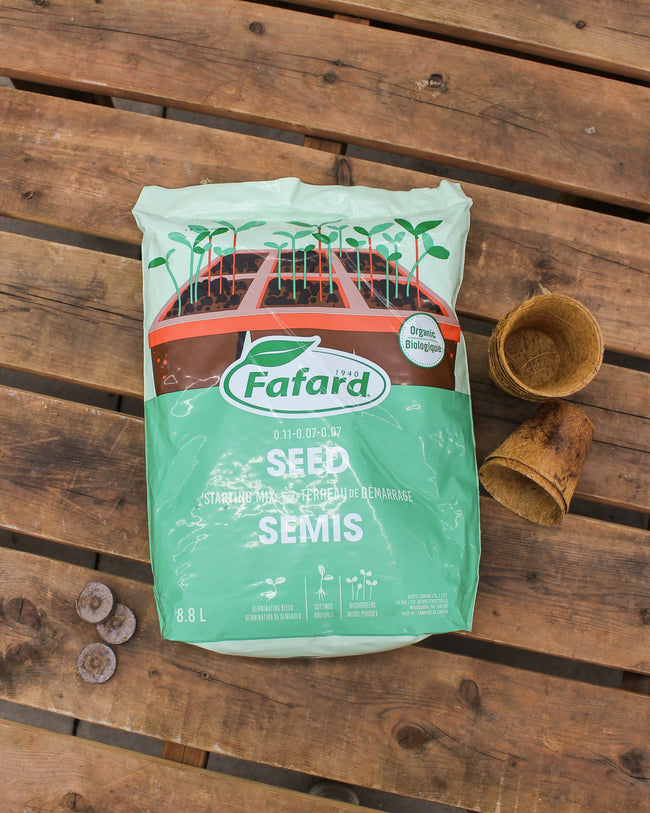
Seed Starting Soil
Shop the collectionSeed starting supplies
Shop the collection