Sale
Sold out

Open-pollinated seeds
Papaveraceae
poppy
Poppy 'giganthemum'
Papaver somniferum
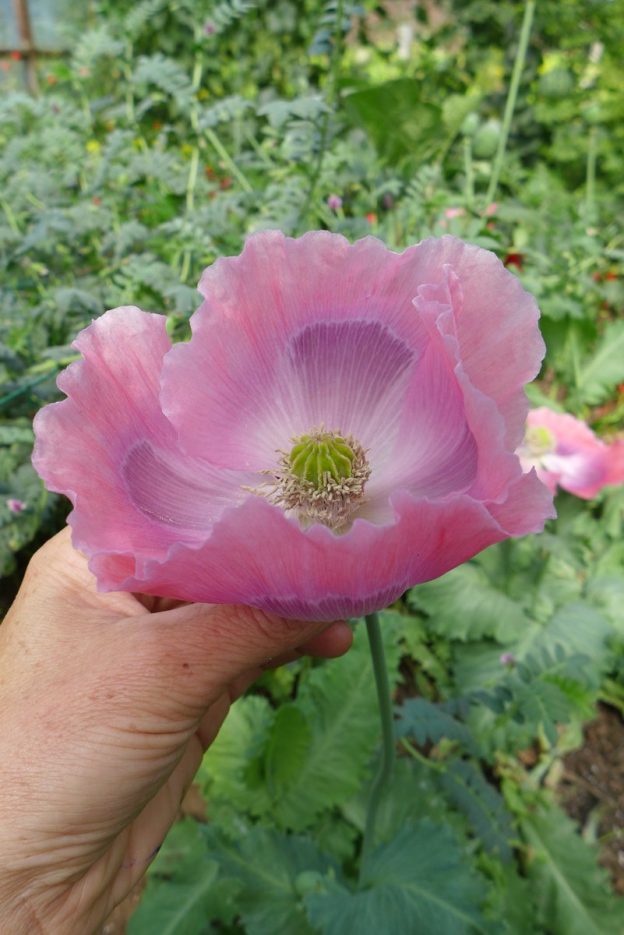
Poppy 'giganthemum': this crop is grown as an annual. It bears a pink or purple flower. From 60 cm (23.6 in) to 1.2 metre (3.9 ft) in height or more. A seed capsule 4 to 8 cm (1.6 to 3.1 in) in diameter. Full sun. Set aside an open area for the flower stalks and seed capsules. Keep stems accessible so that you can observe the flowers and tend the plants without breaking them. The height and width described for this selection help organize planting while accounting for the growth of neighbouring plants. Leave a working aisle along the edge of the flower bed, and avoid squeezing stems between a wall and a dense row.
- Quantity
- ±500 seeds
- Exposure
- Full sun
- Life cycle
- Annual
Discover the plant
Common namePoppy
FamilyPapaveraceae
GenusPapaver
Speciessomniferum
Cultivargiganthemum
TypeOpen-pollinated seeds
Botanical namePapaver somniferum
Reproducible seedsYes
Poppy 'giganthemum' belongs to Papaver somniferum. The plant completes its life cycle in one season. The flower is pink or mauve. 60 to 120 cm (23.6 to 47.2 in.) or more in height. A seed capsule 4 to 8 cm (1.6 to 3.1 in) in diameter. Edible seeds. Needs support. These characteristics help you choose its position in the garden and compare this selection with other cultivars in the same group. Plan its location around its growth, leaving enough room to observe and care for the plant. The sowing date, available light and warmth received then influence the pace of growth in Quebec.
Choose full sun. Prepare a growing area with soil that allows excess water to drain away freely. Make successive sowings every 3 weeks from May to July. Seeds can be started in cell trays 4 to 6 weeks before transplanting. Sow the seeds at a depth of 1 mm (0.04 in). Leave 25 cm (9.8 in) between plants. In Quebec, adjust the timing of planting to the frost risks in your particular area and to the life cycle of the plant. Keep the growing mix slightly moist during emergence without saturating it, and provide light as soon as seedlings appear. If sowing begins indoors, acclimatize the seedlings to wind and sun before planting them in the garden.
Position the plants where their flowers will remain clearly visible, taking their expected height and spread into account when arranging the planting. Leave access for watering at the base, following buds as they open and removing damaged stems. Group plants with similar requirements for light exposure and soil moisture, while avoiding crowding young plants together simply to create an immediate visual effect. Leave enough room for the foliage as it continues to grow and develop through the season. For this annual, follow flowering through the season and choose which stems to keep for their seeds. Keep labels in place to recognize each variety, even after the flowers have faded. Keep these flower seeds dry until the next sowing.

Sowing guide
It all startswith a seed.
Sowing depth
1 mm (0.04 in)
Spacing / density
25 cm (9.8 in)
Sowing period
Make successive sowings every 3 weeks from May to July.
Propagation
Seed sowing
Cold stratification
Yes
Growing method
Full sun. Well-drained soil. Make successive sowings every 3 weeks from May to July. Seeds can be started in cell trays 4 to 6 weeks before transplanting. 1 mm (0.04 in) deep. 25 cm (9.8 in) between plants. When starting this selection of flower seeds in Quebec, match your sowing schedule to conditions in your garden rather than using one date for all of Canada. Prepare a finely textured surface before scattering the small poppy seeds. Surface sowing helps avoid burying the seeds too deeply; watering should moisten the soil without moving the seeds. Keep the seedbed clean and watch for emergence. Then thin to the precise spacing in the reference, without pulling up the seedlings you are keeping. The prepared space must allow the flower stems and seed capsules to develop, with the specified support for cultivars that need it. Set aside an open area for the flower stalks and seed capsules. Keep stems accessible so that you can observe the flowers and tend the plants without breaking them. The height and width described for this selection help organize planting while accounting for the growth of neighbouring plants.
Soil and care
The right care,at the right time.
Watering
Direct water towards the poppy roots, then check the soil rather than watering only at fixed intervals. A container-grown plant dries out faster than a clump planted in the ground. Rain may wet the leaves without penetrating far enough into the growing medium. Keep the drainage working properly and adjust the amount of water to the heat, wind and stage of plant growth.
Soil type
Choose a growing position that receives full sun. Well-drained soil lets roots develop without sitting in a waterlogged area. Prepare the seedbed before you sow, remove any obstacles and keep the soil surface clear of foot traffic. The amount of compost you add should match the soil's fertility and this plant's needs rather than a uniform dose applied throughout the entire garden.
Fertilization
Adjust fertilization of poppy plants to suit the fertility of the soil and their growth. Applying too much fertilizer does not guarantee that the plant will produce more flowers, and it can make it harder to keep the stems supported. Keep drainage working and observe growth before adding more soil amendments. In containers, check the nutrients already in the potting mix and follow the instructions for your chosen fertilizer.
Moisture
Even moisture without saturation
Seasonal care
Full sun. Well-drained soil. Make successive sowings every 3 weeks from May to July. Seeds can be started in cell trays 4 to 6 weeks before transplanting. 1 mm (0.04 in) deep. Leave a spacing of 25 cm (9.8 in) between the plants. When starting this selection of flower seeds in Quebec, match your sowing schedule to conditions in your garden rather than using one date for all of Canada. Prepare a finely textured surface before scattering the small poppy seeds. Surface sowing helps avoid burying the seeds too deeply; watering should moisten the soil without moving the seeds. Keep the seedbed clean and watch for emergence. Then thin to the precise spacing in the reference, without pulling up the seedlings you are keeping. The prepared space must allow the flower stems and seed capsules to develop, with the specified support for cultivars that need it. Direct water towards the poppy roots, then check the soil rather than watering only at fixed intervals. A container-grown plant dries out faster than a clump planted in the ground. Rain may wet the leaves without penetrating far enough into the growing medium. Keep the drainage working properly and adjust the amount of water to the heat, wind and stage of plant growth. Persistent wilting calls for checking actual moisture before adding more water.
Bloom and dimensions
Its place,in your garden.
Mature height
60 cm (23.6 in)
Bloom period
It bears a pink or purple flower. Watch the poppy buds and flowers during the flowering period indicated above. The date when the seeds are sown, the amount of light and the weather conditions can all change the time when flowering begins. The flower colour described for this selection helps you choose its position beside neighbouring plants. Keep flowering stems accessible to remove faded blooms or pick flowers for bouquets when this use is confirmed.
Fruiting
Edible seeds. For poppy, its garden appeal lies in flowering beds and seed capsules. Follow the harvest stage suited to this use rather than treating every part of the plant as an edible crop. A stem cut for a bouquet and a seed capsule left to mature are managed at different times. Edible parts, when confirmed, must be identified separately.
Harvest
For poppy, its garden appeal lies in flowering beds and seed capsules. Follow the harvest stage suited to this use rather than treating every part of the plant as an edible crop. A stem cut for a bouquet and a seed capsule left to mature are managed at different times. Edible parts, when confirmed, must be identified separately. Keep healthy stems and use a clean tool to work without injuring neighbouring shoots.
Garden associations
In goodcompany.
Companion plants
When planting beside Poppy 'giganthemum', favour plants whose eventual height will not block the light needed for this crop to grow. Keep the root zone and access routes clear: space and water requirements matter more than a simple list of companion plants. Simply placing plants close together does not provide proven protection against plant diseases or insect pests. Arrange rows or clumps so that you can water, check leaves and remove a damaged plant without harming its neighbours. These flower seeds suit a garden project planned around the growth habit and uses of Poppy 'giganthemum'.
Recipe idea
From the gardento your plate.
Edible parts
Seeds only
For poppy seed muffins, use only the seeds confirmed as edible for this selection. Separate them from the capsules and other tissue, then sort out harvest debris. Add the seeds to your usual batter with washed zest from a lemon intended for eating. Divide the batter among the moulds and bake until the crumb is set. The leaves, stems and capsules are not part of the preparation. The recipe uses edible seeds, with no medicinal use. Prepare a sound harvest that has been freshly cleaned, taking care to remove any parts that have been damaged. Choose the cut according to the dish, and keep pieces similarly sized to control their texture. Begin with light seasoning, then adjust after tasting. Serve once the desired texture is reached rather than continuing to cook out of habit. Place any leftovers promptly in the refrigerator, using a clean container to hold the prepared food. This culinary suggestion does not replace a tested procedure for canning food.
Frequently asked questions
Your questions,answered.
What distinguishes Poppy 'giganthemum'?
Poppy 'giganthemum': this crop is grown as an annual. It bears a pink or purple flower. From 60 cm (23.6 in) to 1.2 metre (3.9 ft) in height or more. A seed capsule 4 to 8 cm (1.6 to 3.1 in) in diameter. Use poppy plants for flower beds and seed capsules, allowing for the flower stalks and capsules. Keep stems accessible and maintain effective drainage as the plants grow. In an ornamental garden, choose neighbours according to their size and requirements, and leave enough room to care for the planting without breaking stems. These flower seeds suit a garden project planned around the growth habit and uses of Poppy 'giganthemum'.
How do you sow Poppy 'giganthemum' seeds?
Full sun. Well-drained soil. Make successive sowings every 3 weeks from May to July. Seeds can be started in cell trays 4 to 6 weeks before transplanting. 1 mm (0.04 in) deep. Leave a spacing of 25 cm (9.8 in) between the plants. When starting this selection of flower seeds in Quebec, match your sowing schedule to conditions in your garden rather than using one date for all of Canada. Prepare a finely textured surface before scattering the small poppy seeds. Surface sowing helps avoid burying the seeds too deeply; watering should moisten the soil without moving the seeds.
How should you position Poppy 'giganthemum' in the garden?
Poppy 'giganthemum': this crop is grown as an annual. It bears a pink or purple flower. From 60 cm (23.6 in) to 1.2 metre (3.9 ft) in height or more. A seed capsule 4 to 8 cm (1.6 to 3.1 in) in diameter. Full sun. Set aside an open area for the flower stalks and seed capsules. Keep stems accessible so that you can observe the flowers and tend the plants without breaking them. The height and width described for this selection help organize planting while accounting for the growth of neighbouring plants. Leave a working aisle along the edge of the flower bed, and avoid squeezing stems between a wall and a dense row.
How do you care for Poppy 'giganthemum' during the growing season?
Direct water towards the poppy roots, then check the soil rather than watering only at fixed intervals. A container-grown plant dries out faster than a clump planted in the ground. Rain may wet the leaves without penetrating far enough into the growing medium. Keep the drainage working properly and adjust the amount of water to the heat, wind and stage of plant growth. Persistent wilting calls for checking actual moisture before adding more water. To maintain the poppy plant, remove its seed capsules before they disperse if you do not want self-sown seedlings. Use a clean tool and avoid tearing out stems that are still growing.
What growth stage should you look for in Poppy 'giganthemum'?
Edible seeds. For poppy, its garden appeal lies in flowering beds and seed capsules. Follow the harvest stage suited to this use rather than treating every part of the plant as an edible crop. A stem cut for a bouquet and a seed capsule left to mature are managed at different times. Edible parts, when confirmed, must be identified separately. Keep healthy stems and use a clean tool to work without injuring neighbouring shoots. The outdoor growing season for poppy ends with the annual season. When the stems are no longer useful, remove them without dispersing seeds you do not wish to keep.
For a great start to your seeds
The right extras.Right here.
Seed Starting Soil
Shop the collectionSeed starting supplies
Shop the collection