Sale
Sold out

Ornamental deciduous shrub
Oleaceae
Lilas bleu très parfumé à fleurs doubles
Lilac Scentara® Double Blue
*Syringa* × *hyacinthiflora*
Scentara® Double Blue is the cultivar 'SMNSHBBL', a rounded hybrid lilac renowned for its exceptionally intense fragrance. In early to mid-spring, very large panicles of double lavender-blue florets cover the shrub; the cool purple hues take on a bluish cast in the sun. The green foliage shows good resistance to powdery mildew. Hardy from Zone 2 to Zone 8, it reaches about 6 to 8 feet in height and width. It prefers full sun, neutral to alkaline well-drained soil, and sufficiently cold winters to provide about 1,700 hours below 45°F.
2 gallons
Each store has its own inventory.
Products and available quantities may vary between Brossard and Laval. To check a store’s inventory, please contact us directly.
Even better: visit us in store to discover the full selection available!
- Quantity
- 2 gallons
- Exposure
- Sun
- Hardiness
- Zone 2 to 8
Discover the plant
Common nameLilac Scentara® Double Blue
FamilyOleaceae
GenusLilac
Species× hyacinthiflora
CultivarSMNSHBBL (Scentara® Double Blue)
TypeOrnamental deciduous shrub
Botanical name*Syringa* × *hyacinthiflora*
Lilas Scentara® Double Blue (Syringa × hyacinthiflora ‘SMNSHBBL’) stands out with very large panicles composed of double lavender-blue florets. The fresh violet flowers take on bluish hues in the spring light and give off an exceptionally intense lilac fragrance. This rounded deciduous shrub flowers profusely in early to mid-spring and reaches approximately 6 to 8 feet in height and width. Its green foliage is resistant to powdery mildew and forms a dense mass after flowering. Hardy in Zones 2 to 8, it was named the 2025 National Flowering Shrub of the Year by Proven Winners.
Plant Scentara® Double Blue in full sun, with at least six hours of direct light, in well-drained soil, preferably neutral to alkaline. Drainage is essential, especially during winter, as lilacs tolerate soggy soil poorly. Water deeply during establishment, then adjust watering based on rainfall and soil drying. Good air circulation strengthens the foliage. This lilac blooms on old wood; perform any necessary pruning immediately after flowering to preserve the buds already prepared for the following spring.
Reserve this fragrant blue lilac for a flowering hedge, a large bed, a screen, a spacious foundation, or a focal point visible from a patio. Its double panicles are perfect for bouquets and attract various pollinators. Deer generally browse it less readily, though no plant is completely protected. The shrub requires approximately 1700 hours below 45°F to flower well; it is therefore better suited to regions with cold winters than to very hot climates. Anticipate its adult width at planting to limit repeated pruning. For best results, keep the root collar visible and adjust watering based on rainfall.

Soil and care
The right care,at the right time.
Minimum temperature
Around -45°C (-50°F)
Watering
Regular then moderate, avoid overwatering
Soil type
Well-drained, neutral to slightly alkaline
Fertilization
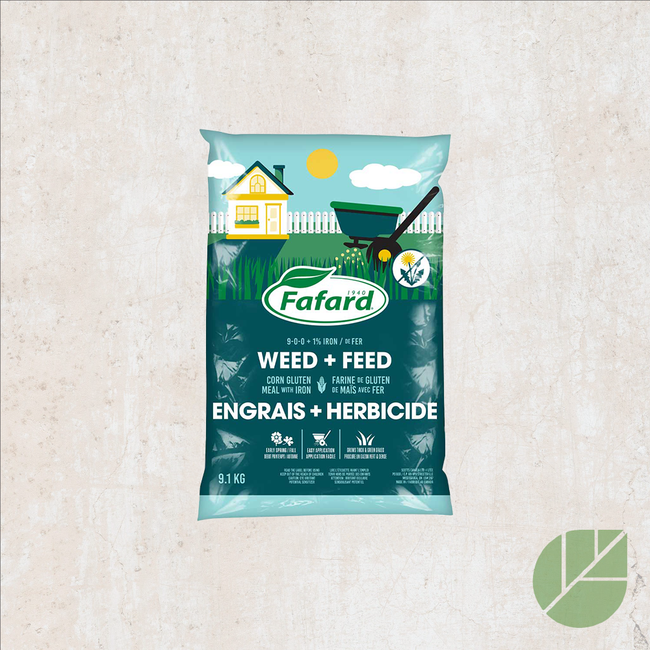
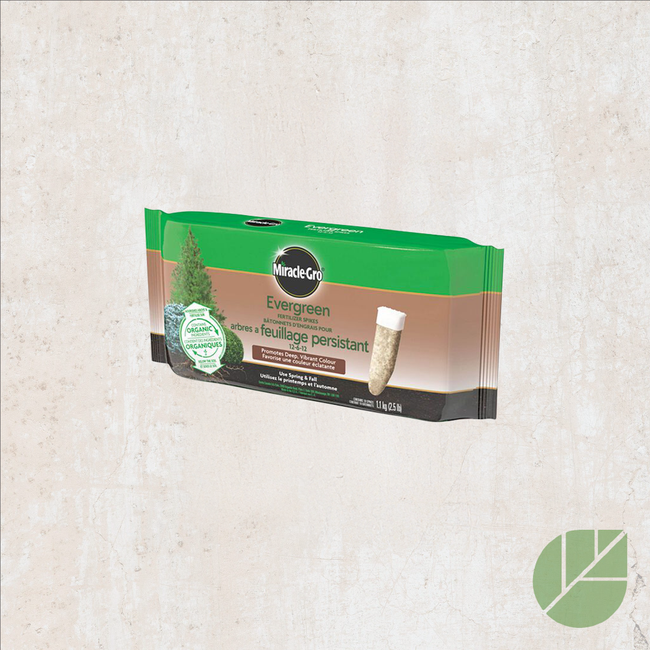
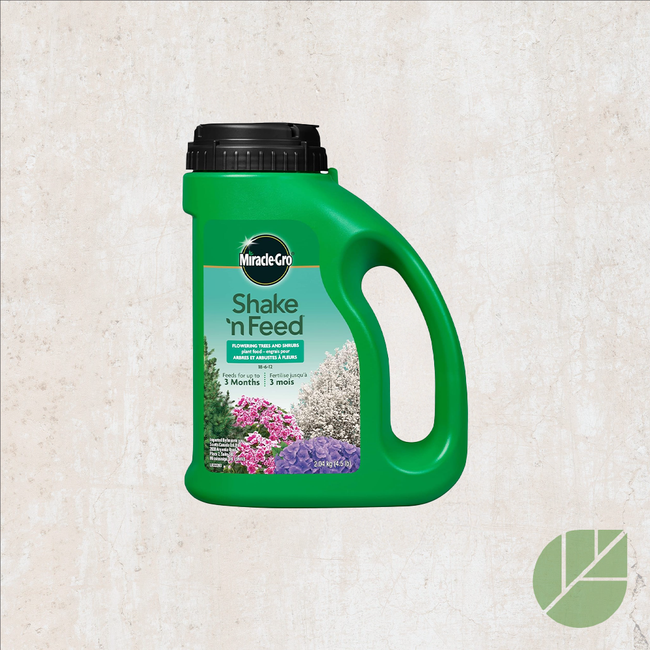
In fertile soil, a thin layer of mature compost in the spring is usually sufficient. Have the soil analyzed before adding fertilizer or lime. If a deficiency is confirmed, apply a balanced product according to its label. Avoid excess nitrogen, which produces tender stems and many leaves at the expense of flowers. Stop late applications so that the shoots harden off before winter.
Bloom and dimensions
Its place,in your garden.
Mature height
10 ft (3 m)
Width / spread
8 ft (2.5 m)
Flower color
Lavender blue to cool violet; double florets
Foliage color
Fresh green
Foliage type
Obsolete
Growth rate
Moderate
Growth habit
Large, rounded, multi-stemmed shrub
Bloom period
Early to mid-spring
Fruiting
After pollination, some flowers may form small, dry capsules containing seeds. This fruiting is discreet and not the main attraction of Scentara® Double Blue. Faded flower heads can be removed immediately after flowering for a tidier appearance, though it's not strictly necessary horticulturally. The capsules and seeds are not presented as food. The gardener's energy can instead be focused on good drainage and preserving flower buds.
Wildlife and pets
Life,around your plants.
Supporting wildlife
Fragrant spring panicles provide nectar and pollen for various insects, including bees and butterflies. Diverse plantings extend resources beyond the lilac’s short blooming period. Avoid insecticides while flowers are open and add later-blooming perennials to support visitors throughout the season.
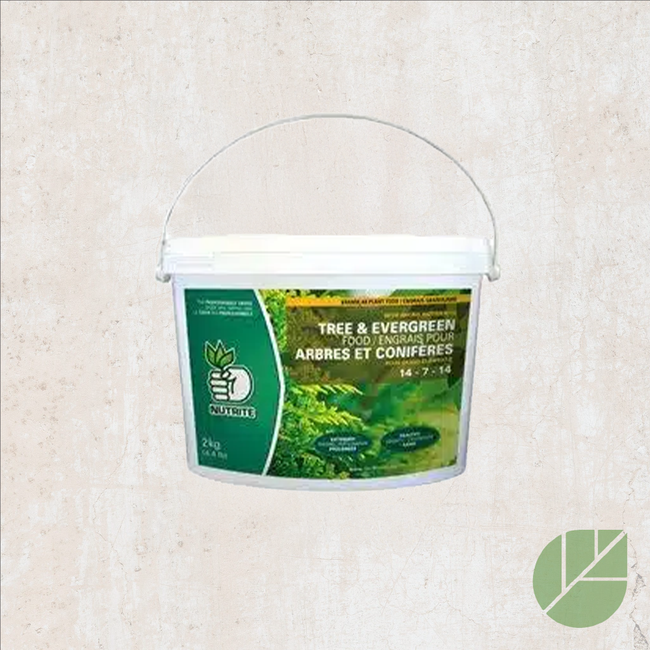
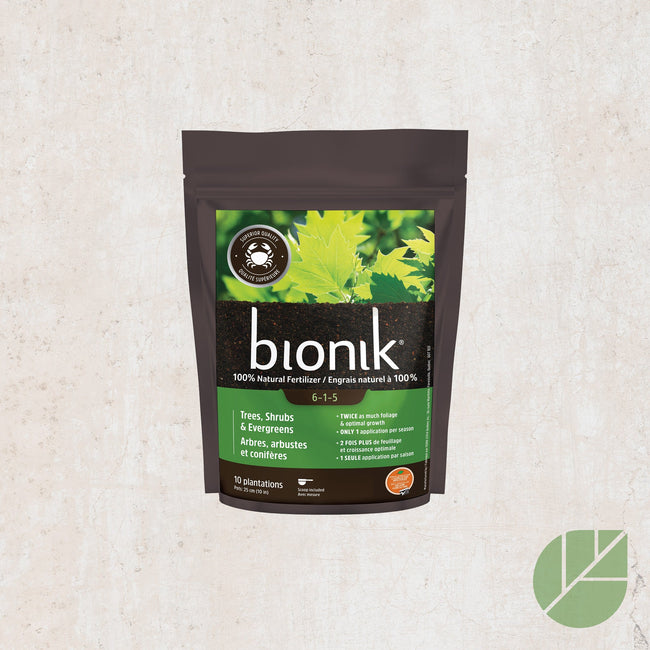
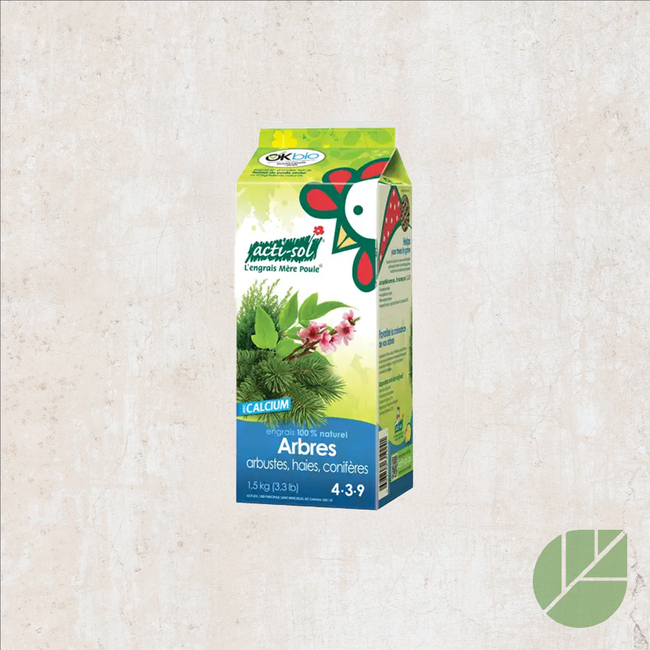
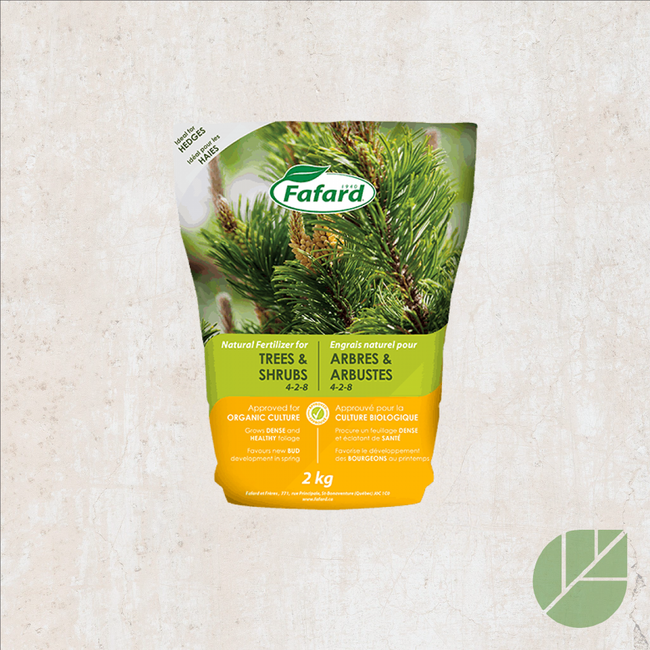
For your trees, shrubs and conifers
The right extras.Right here.
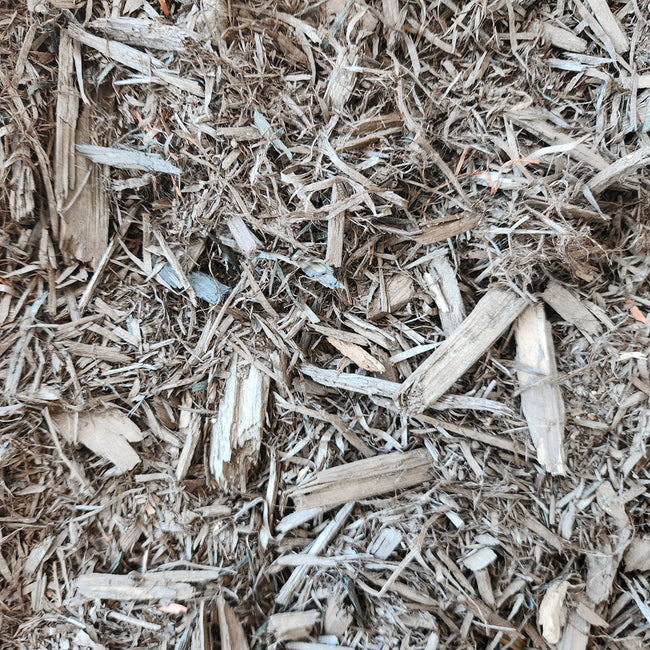
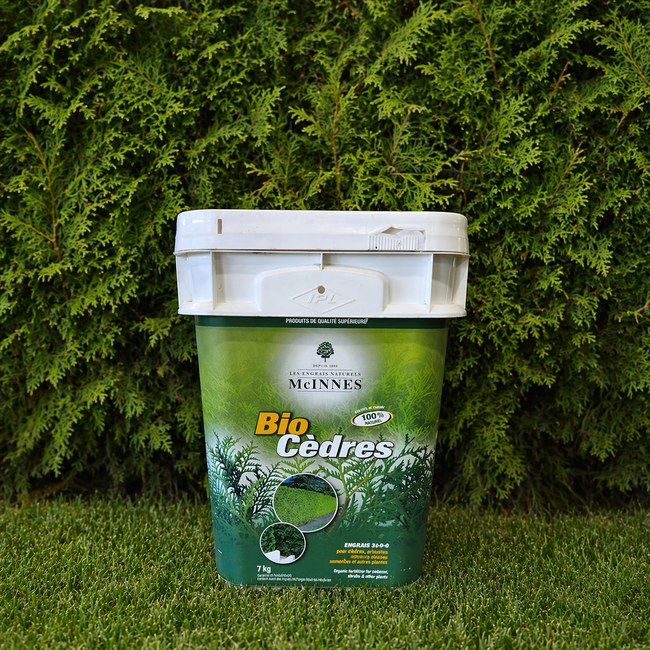
Tree and Shrub Fertilizer
Shop the collection