Trees

Silver Colorado fir

Abies concolor 'Candicans'

Abies concolor 'Candicans' is a large ornamental fir valued for its long, exceptionally bright silver-blue needles and naturally balanced conical form. Hardy to Zone 3 and moderate in growth, it gradually becomes an impressive specimen capable of providing structure in a large garden, conifer planting or long-term landscape screen.

Format

Share
Exposure Sun
Hardiness Zone 3
Difficulty level Moderate

Discover the plant

Family Pinaceae
Genus Abies
Species concolor
Cultivar Candicans
Type Large evergreen ornamental conifer

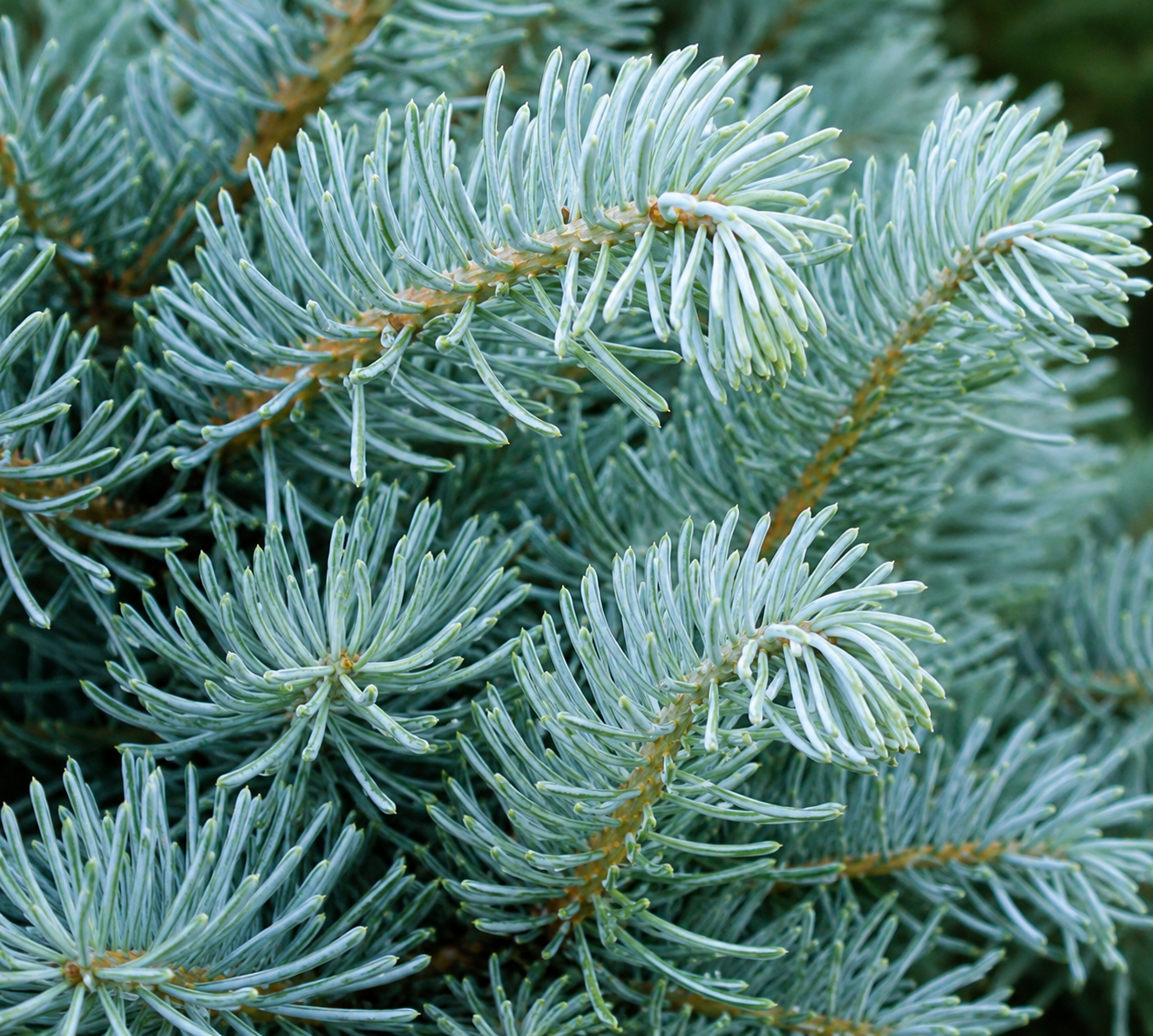
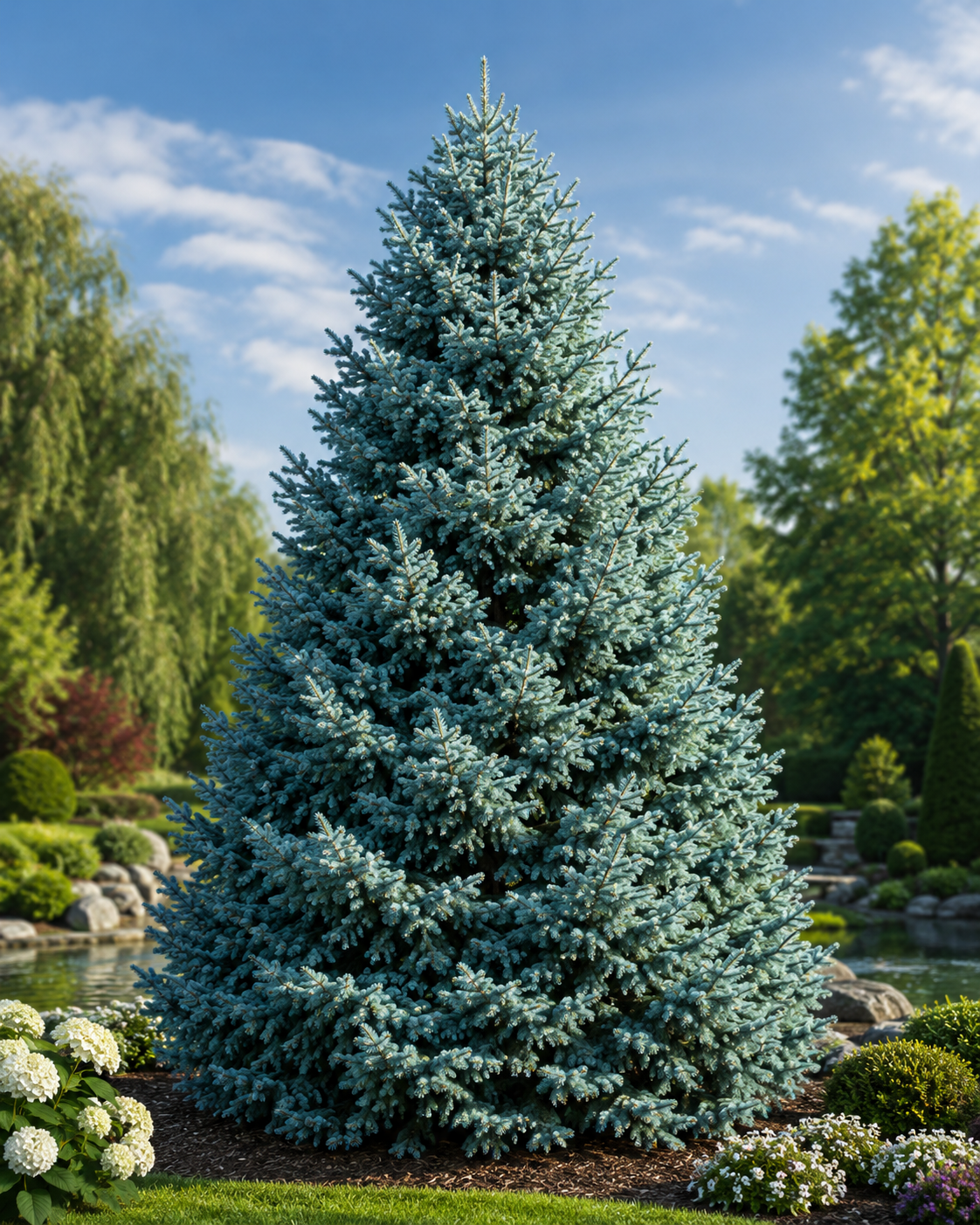
Silver Colorado fir (Abies concolor 'Candicans') is a large evergreen conifer with a dense, regular conical habit, valued for its long, soft needles and exceptionally luminous silver-blue colour. The foliage remains attractive throughout the year, creating strong contrast with snow, dark green evergreens and stone elements. When crushed, the needles release the light citrus fragrance characteristic of the species. Mature trees may produce upright cones that develop brownish-purple tones as they ripen. With a moderate growth rate, 'Candicans' can eventually reach approximately 15 m (49 ft) tall and 6 m (20 ft) wide. Its reported Zone 3 hardiness makes it suitable for cold-climate landscapes.

A sunny exposure encourages balanced growth and displays the silver-blue foliage particularly well. 'Candicans' performs best in deep, moist to moderately moist soil that drains efficiently, with acidic to neutral conditions. Water regularly during the first several growing seasons to support root establishment; once well established, the tree becomes better able to tolerate temporary dry periods. Organic mulch helps conserve soil moisture and reduce rapid fluctuations around the root zone. Fertility requirements are low, and a spring application is generally useful only where soil is poor or growth appears weak. Major pruning is normally unnecessary because the cultivar naturally develops a balanced conical framework that is most attractive when allowed to mature without frequent shaping.

With its architectural habit and silvery foliage, this fir works especially well as an accent tree, isolated specimen, structural element in a large conifer planting or part of a long-term visual screen. Its cool foliage colour combines effectively with dark green conifers, purple-leaved shrubs and durable perennials positioned far enough away to avoid excessive root competition. The evergreen branches can provide shelter and cover for some birds and small animals, while the tree contributes valuable year-round structure to the landscape. Generous space should be reserved from the beginning so its conical silhouette can mature naturally without repeated pruning or interference from buildings and neighbouring trees. Its scale is best suited to larger residential and institutional landscapes.

Abies concolor 'Candicans'

Planting guide

From plantingto establishment.

Best planting time Spring or early autumn, when soil is cool and roots can begin establishing before more extreme seasonal conditions arrive.
Spacing / density Allow approximately 6 m (20 ft) of space to accommodate the eventual canopy width and reduce the need for corrective pruning.
Propagation Grafting, a vegetative method used to preserve the distinctive characteristics of the 'Candicans' cultivar.

Soil and care

The rightconditions.

Exposure Sun
Soil Deep, moist to moderately moist and well-drained soil; avoid persistently waterlogged sites and conditions with poor drainage.
Soil pH Acidic to neutral
Watering Water regularly during the first growing seasons to encourage deep rooting; once established, irrigate mainly during prolonged dry periods.
Fertilization Low fertilizer requirement; apply a conifer fertilizer in spring only when soil is poor or growth appears noticeably weak.
Care level Moderate
Seasonal care
In spring, inspect the branches after winter and remove only wood that is dead, broken or seriously damaged. Check the mulch layer and renew organic material when needed without piling it against the trunk. A light conifer fertilizer may be applied if soil is poor or growth appears weak, but routine annual feeding is unnecessary. During summer, maintain consistent moisture around newly planted trees and water deeply during dry periods. Avoid frequent shallow irrigation, which can encourage a less resilient surface root system. In autumn, continue watering when rainfall is limited so the soil does not become excessively dry before freezing. No cosmetic winter pruning is required. Simply monitor for mechanical damage or unusual accumulations that could compromise individual branches while preserving the tree’s naturally conical framework and balanced architectural form.

Container growing

A controlledenvironment.

Recommended pot sizeVery large, deep and stable container, suitable only for young specimens during their first years of growth.
Container growing is practical only during the early years because 'Candicans' eventually becomes a large tree. Choose a very large, deep and stable container with numerous drainage openings. Use a structured growing medium suitable for conifers that retains moderate moisture while allowing excess water to drain rapidly. Position the pot in sun and monitor watering more closely than for a tree planted in the ground, especially during warm weather. Roots of container-grown conifers are more exposed to Quebec winter temperature fluctuations, so substantial protection around the container is necessary. As the tree grows, increasing height, wind exposure and root development make transplanting into the ground clearly preferable for long-term cultivation and normal development of its conical canopy.
Abies concolor 'Candicans'

Bloom and dimensions

The completeprofile.

Bloom periodReproductive structures appear in spring; their ornamental contribution is secondary compared with the persistent silver-blue foliage.
Flower colorNot applicable
Foliage colorIntensely luminous silver-blue, retaining strong ornamental interest throughout all four seasons.
Foliage typeEvergreen, consisting of long, soft needles that create a refined texture and remain ornamental throughout the year.
FruitingUpright cones becoming brownish-purple at maturity, mainly produced by sufficiently mature trees and generally borne on the upper crown.
Maximum height15 m (49 ft)
Maximum width6 m (20 ft)
Growth rateModerate
Hardiness zoneZone 3
Minimum temperatureApproximately −40 °C
Abies concolor 'Candicans'

Garden associations

What to plantwith it.

Good companionsDark green conifers, purple-leaved shrubs and durable perennials can provide effective contrasts when positioned far enough from the tree to limit competition.
Avoid planting withNot applicable
Accent tree, large isolated specimen, structural conifer, conifer planting and long-term visual screen for landscapes with generous available space.

Frequently asked questions

Everything toknow.

'Candicans' prefers a sunny exposure, which supports balanced growth and displays the silver-blue colour of its needles particularly well. The site should also provide well-drained soil and enough room for the mature tree. Good air movement and the absence of standing water around the root zone help maintain favourable growing conditions as the fir becomes established.
Under suitable conditions, 'Candicans' can reach approximately 15 m (49 ft) tall and 6 m (20 ft) wide. It is therefore a large conifer that should be planted away from structures or obstacles that could restrict future growth. Its habit generally remains conical and architectural, making it a highly visible specimen in larger landscapes.
'Candicans' is rated for Zone 3, with a stated minimum temperature of approximately −40 °C. It can therefore suit many cold regions of Quebec when other growing conditions are appropriate. Well-drained soil remains important because prolonged saturation around the roots can cause problems regardless of the tree’s ability to tolerate low winter air temperatures.
Regular pruning is generally unnecessary because 'Candicans' naturally develops a balanced conical silhouette. In spring, maintenance is normally limited to removing dead, broken or clearly damaged branches. Heavy pruning can alter the natural habit that forms an important part of the cultivar’s ornamental appeal, so adequate space should be provided at planting instead of attempting to control its mature size later.
Container culture is possible temporarily for a young tree, but it is not a practical long-term solution for this large conifer. A very large, deep and well-drained pot is required, along with careful watering. In Quebec, containerized roots are also more exposed to winter cold. Planting in the ground therefore becomes preferable as the tree gains height and develops a larger root system.

Its strengths, naturally.

Pet friendly
Safe for pets

Pets