Sale
Sold out

Small ornamental deciduous hybrid tree
Sapindaceae
Hardy maple with extended fall colour
Final Fire® hybrid maple
Acer × pseudosieboldianum ‘IsFinFi’
Final Fire® is a small Zone 5 hybrid maple developed by Iseli Nursery to combine Japanese maple refinement with hardier Korean maple genetics. Its broad upright form rounds with age and reaches approximately 6 m in height and 4.5 m in spread. Leaves open in pastel yellow, pink and green, mature to green with orange-red highlights, then move slowly from orange to wine red and fire-engine red. Across Canada, plant it in full sun or partial shade and fresh, organic-rich, well-drained soil. Protection from drying winds and intense late-day sun helps maintain clean foliage during hot weather. A Final Fire maple tree is especially effective where this colour sequence can be viewed closely.
Each store has its own inventory.
Products and available quantities may vary between Brossard and Laval. To check a store’s inventory, please contact us directly.
Even better: visit us in store to discover the full selection available!
- Exposure
- Full sun to partial shade; morning sun and light late-day shade on hot sites
- Hardiness
- Zone 5
Discover the plant
Common nameFinal Fire® hybrid maple
FamilySapindaceae
GenusAcer
Species× pseudosieboldianum
CultivarIsFinFi (Final Fire®)
TypeSmall ornamental deciduous hybrid tree
Botanical nameAcer × pseudosieboldianum ‘IsFinFi’
Final Fire® hybrid maple (Acer × pseudosieboldianum ‘IsFinFi’) is an Iseli Nursery Pacific Rim® selection developed from Japanese and Korean maple genetics. This small deciduous tree begins with a broad upright crown that becomes more rounded with age, supported by a sturdy, well-branched framework. New leaves emerge in pastel shades of yellow, pink and green, then mature to green with orange-red highlights through summer. Its unusually long autumn display moves from orange to wine red and finishes fire-engine red. Allow approximately 6 m in height and 4.5 m in spread at maturity, with annual growth commonly reported at about 30 to 38 cm.
Across Canada, grow Final Fire® in full sun or partial shade in a location protected from drying winds. Morning sun with light late-day shade helps limit leaf scorch on hot urban sites. Choose fertile, organic-rich, evenly moist, well-drained soil, preferably with a slightly acidic to neutral reaction. Water deeply through the first two growing seasons and prolonged dry periods without saturating the root ball. Keep the root flare visible and spread 5 to 8 cm of mulch without touching the trunk. Avoid road salt, compaction and excessive nitrogen, which can encourage soft late growth before winter.
Use Final Fire® as a specimen in a residential yard, near a patio, within a Japanese-inspired garden or at the edge of a layered woodland planting. Reserve room for the mature crown from the beginning and keep it clear of overhead wires, foundations and paving. Small spring flowers are followed by winged samaras, while the sturdy branching silhouette remains attractive after leaf drop. Preserve its natural form with light pruning limited to dead, damaged or crossing wood. This horticultural hybrid is not indigenous to Canada; combine it with regionally native shrubs and perennials to strengthen habitat value and landscape diversity.

Planting guide
From planting to establishment.
Spacing / density
Space approximately 4.5 to 5 m (15 to 16 ft) from other small trees
Best planting time
Spring or early fall, allowing enough time for root establishment before freeze-up
Propagation
Vegetatively propagated cultivar, generally by grafting
Soil and care
The right care,at the right time.
Soil pH
Slightly acidic to neutral, approximately 5.5 to 7.0
Minimum temperature
Approximately −28.9°C to −23.3°C (Zone 5)
Care level
Low to moderate
Watering
Water slowly and deeply after planting, then keep the root ball and surrounding soil evenly moist through the first two growing seasons. Check moisture beneath mulch before watering again. During prolonged drought, soak the developing root zone before leaves wilt or brown. Avoid small daily applications beside the trunk, standing water and systems that keep bark continually wet. Expand the irrigated area as roots extend beyond the original planting hole.
Soil type
Choose fertile, organic-rich, evenly moist and well-drained soil. Slightly acidic to neutral loam supports root establishment and consistent colour. Loosen a broad area without burying the root flare and correct drainage before planting. Avoid continually waterlogged clay, rapidly drying sand, compacted fill and small pits surrounded by paving because root stress promotes leaf scorch and dieback. Preserve an uncompacted zone beyond the original planting hole as the tree grows.
Fertilization
In fertile soil, organic mulch and a thin surface layer of mature compost are generally sufficient. If growth appears weak, test the soil before applying a labelled tree fertilizer. Avoid heavy nitrogen, products placed against the trunk and late-season feeding, which can extend soft growth before winter. Steady growth creates a stronger framework than forced growth and reduces unnecessary maintenance. Correct moisture and drainage before assuming that fertilizer will solve pale or limited growth.
Moisture
Average to evenly moist; consistent moisture without standing water
Seasonal care
In spring, inspect the trunk, graft union, root flare and main branch unions after snowmelt. Restore 5 to 8 cm of mulch without covering bark, remove tight ties and water when rainfall is inadequate. Compare bud break across several branches before declaring winter injury. In summer, check moisture, drainage and compaction whenever leaf margins brown; young foliage can also be damaged by dry wind and intense sun. Watch for aphids, scale insects, leaf spots and Verticillium symptoms, then obtain a diagnosis before treating. Prune after leaves expand or during dormancy to remove only dead, broken, diseased or crossing wood. In autumn, water deeply before freeze-up when soil is dry and collect heavily spotted leaves. In winter, keep salt-laden snow outside the root zone and protect a young trunk from rodents without binding the guard. Clean tools between trees, never top the crown and have major cracks assessed by a qualified arborist. Reassess clearance from buildings, wires and paving periodically. Record heat, irrigation and damage events to separate site stress from recurring pest or disease problems. After storms, look for split branches, torn unions and damaged ties. Remove winter guards before heat builds and keep mowers outside the mulch ring. During drought, direct water across the full developing root zone rather than applying small amounts at the trunk. Inspect leaves from several parts of the crown before diagnosing a disorder. Check drainage during snowmelt and protect soil from construction traffic. If repeated scorch occurs, review afternoon exposure, wind and rooting volume before applying products. Replace damaged guards promptly but never fasten them tightly around expanding bark.
Container growing
A garden,within reach.
Recommended pot size
Very large container of 75 L or more
Growing in a large container is possible during the tree’s early years, particularly where garden space is limited, but this maple performs best in the ground over the long term. Choose a broad, stable container with excellent drainage holes and fill it with an organic-rich yet well-aerated growing medium. Monitor watering more frequently than for an in-ground tree because container roots dry quickly. In Quebec and similar Canadian climates, roots confined in pots are also more vulnerable to winter cold, so substantial insulation or overwintering in a cold, sheltered location is required.

Bloom and dimensions
Its place,in your garden.
Mature height
Approximately 6 m (20 ft)
Width / spread
Approximately 4.5 m (15 ft)
Flower color
Purplish red, discreet
Foliage color
Pastel yellow, pink and green in spring; green with orange-red highlights in summer; orange, wine red then fire-engine red in autumn
Foliage type
Deciduous
Growth rate
Moderate, approximately 30 to 38 cm (12 to 15 in) per year
Growth habit
Broad upright, becoming rounded with age
Bloom period
Small purplish-red flowers appear discreetly in spring before or as leaves unfold. They are not the cultivar’s principal feature, but add seasonal detail and may provide a temporary resource for early-active insects. Abundance varies with tree age, weather and nearby maples. Avoid insecticides during flowering unless a diagnosis and specific need justify treatment. Winged samaras may develop later when pollination succeeds and the tree is mature enough.
Fruiting
Winged samaras may follow flowering when the tree reaches maturity and pollination succeeds. They remain secondary to the foliage, and quantity varies from year to year. Seedlings do not reproduce the Final Fire® cultivar faithfully because named plants are propagated vegetatively. Do not identify a volunteer seedling as the same cultivar. Remove unwanted seedlings while small and keep the root flare clear of accumulated fruit and debris. A young tree may produce few or no samaras for several seasons.

Garden associations
In goodcompany.
Companion plants
Pair Final Fire® with dark green conifers, dogwoods, viburnums, ferns, hostas and white perennials that enjoy fresh, well-drained soil. Regionally native shrubs suited to the site add flowers, fruit and cover for wildlife. Establish companions toward the future crown perimeter without cutting roots or burying the flare. Keep a broad mulch ring open for inspection and watering. Avoid invasive groundcovers, plants requiring frequent digging and large competing trees positioned too close. Similar moisture needs simplify long-term care as shade increases.
Frequently asked questions
Your questions,answered.
How large does Final Fire® maple grow?
Final Fire® reaches approximately 6 m in height and 4.5 m in spread at maturity, or about 20 by 15 ft. Its habit is broad upright while young and becomes more rounded with age. The breeder reports growth near 30 to 38 cm per year. Measure clearance from the trunk centre and keep buildings, wires, utilities, paving and other large trees away. The 6-gallon sale plant is still young and will gain considerable size. Correct placement allows the natural framework to develop without topping or large future cuts. Climate, soil quality and growing-season length affect how quickly mature dimensions are reached.
What colours does Final Fire® produce through the seasons?
New leaves open in pastel shades of yellow, pink and green. They then mature to green with orange-red highlights through summer. The principal display begins in autumn, when the crown moves first to orange, then wine red and finally fire-engine red before leaf drop. Duration and intensity vary with cool nights, sunlight, soil moisture and tree health. Deep shade can soften some colour, while severe drought may brown leaf margins before the normal transition. Compare several branches and recent weather before assuming that an unexpected tone indicates a pest, disease or incorrect cultivar. Healthy roots support the cleanest seasonal sequence.
Is Final Fire® hardy enough for Canadian winters?
Final Fire® is rated Zone 5 by Iseli Nursery and Canadian grower NVK. It suits Canadian locations whose hardiness zone and microclimate meet that requirement. Choose shelter from prevailing winds, avoid low areas that collect water and stop late nitrogen applications so shoots mature before winter. Water deeply before freeze-up when autumn is dry, then keep salt-laden snow away from the roots. In a zone colder than 5 or an exposed wind corridor, winter injury becomes more likely. Confirm the planting site’s current Canadian hardiness zone and consider local exposure, snow cover, drainage and frost pockets before purchase. Local nursery experience can help interpret borderline sites accurately.
Does Final Fire® prefer full sun or partial shade?
The breeder recommends full sun to partial shade. Across Canada, morning sun with light late-day shade is particularly useful on hot, dry or reflective sites. Full sun can produce strong colour when roots have access to fresh, deep soil, but drying wind, paving and inadequate water increase leaf scorch. Dense shade reduces vigour and may soften seasonal colour. Observe the site’s actual hours of sun, protect a broad root zone with mulch and water deeply through establishment instead of frequently wetting only the trunk area. Exposure should be evaluated together with drainage, soil volume and wind rather than as a single isolated factor.
How should Final Fire® maple be pruned?
Preserve the broad upright crown and perform most structural work while the tree is young. Remove dead, broken or diseased wood, a crossing branch and a weak union before it becomes large. Avoid topping, shearing and repeated cuts intended to contain a tree planted too close to a structure. Maples can bleed heavily in spring, so work after leaves expand or during dormancy in dry weather with clean tools. Remove only a small portion of the crown at one time. Consult a qualified arborist before a large cut or when a crack affects a main scaffold. Correct placement remains the most effective long-term pruning strategy.
Wildlife and pets
Life,around your plants.
Attracts birds
Yes
Supporting wildlife
Small spring flowers may be visited by early-active insects, while samaras are sometimes eaten by birds or small mammals. As the tree matures, its branched crown provides perches, cover and potential nesting locations. Because Final Fire® is not indigenous to Canada, combine it with several layers of regionally native plants to increase food, shelter and ecological diversity within the garden.
For your trees, shrubs and conifers
The right extras.Right here.
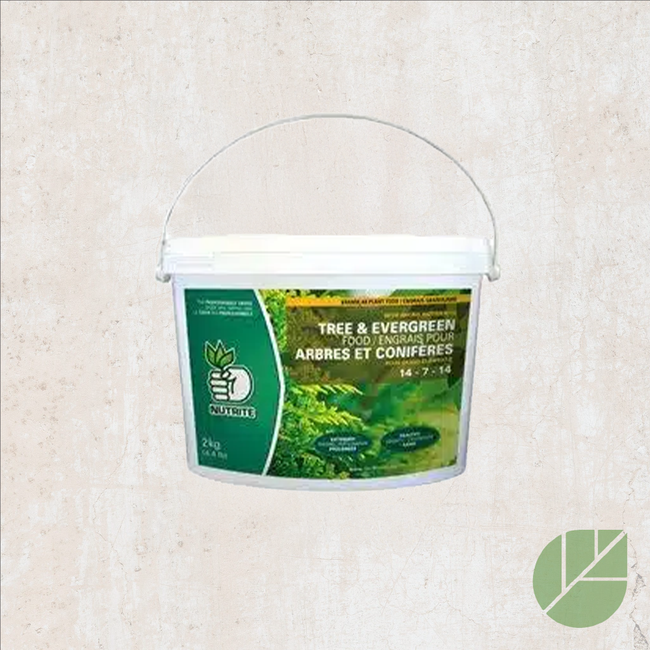
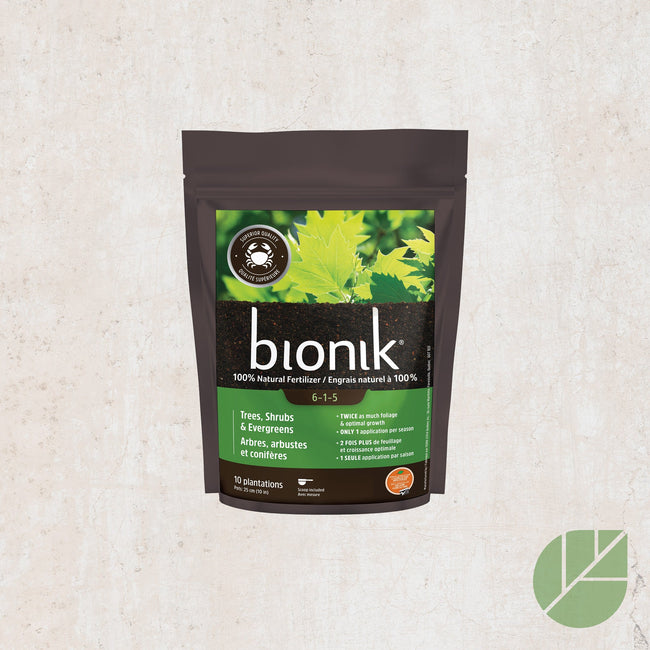
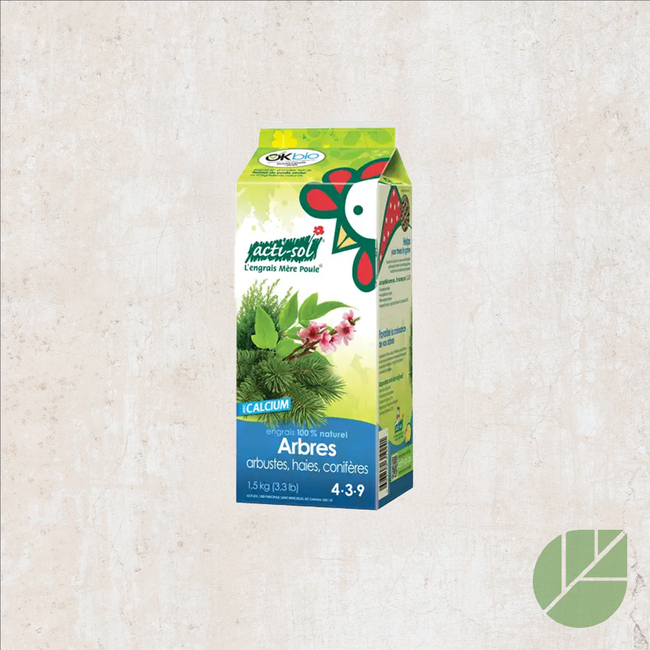
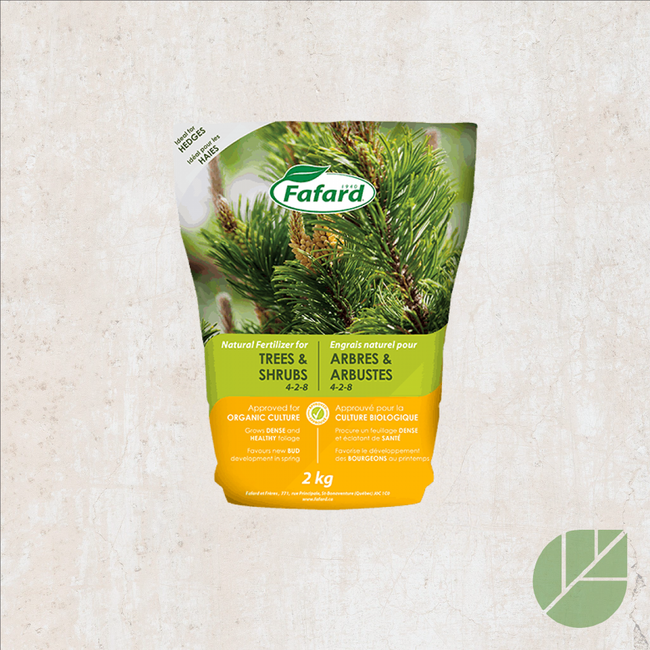
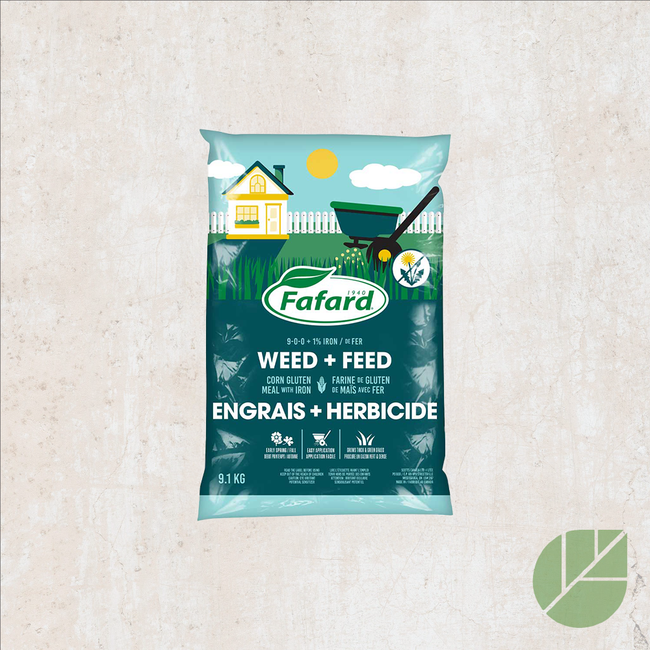
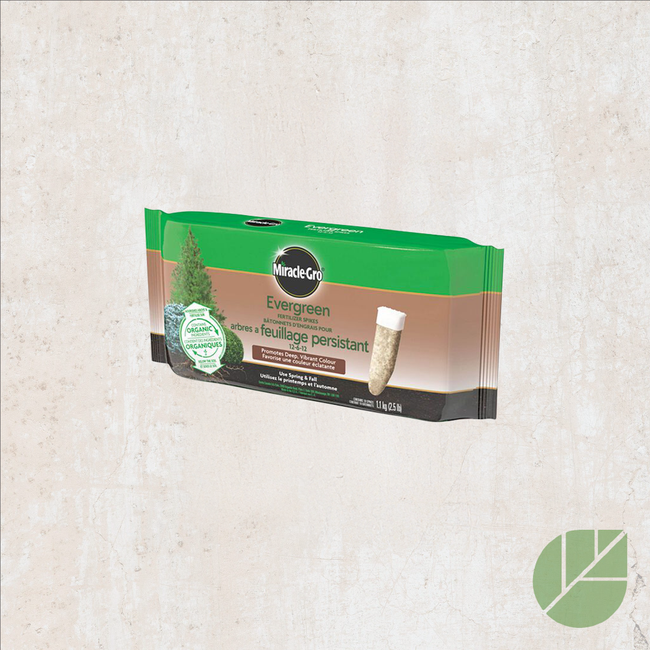
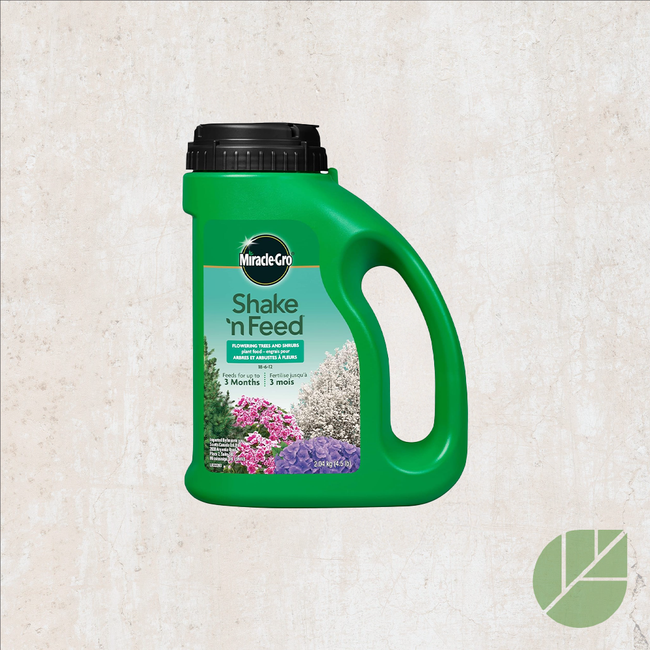
Tree and Shrub Fertilizer
Shop the collection