Sale
Sold out

Perennial climbing plants
Ranunculaceae
Clematis duos
Crystal Fountain clematis and Samaritan Jo clematis duo
Clematis ‘Evipo038’ and Clematis ‘Evipo075’
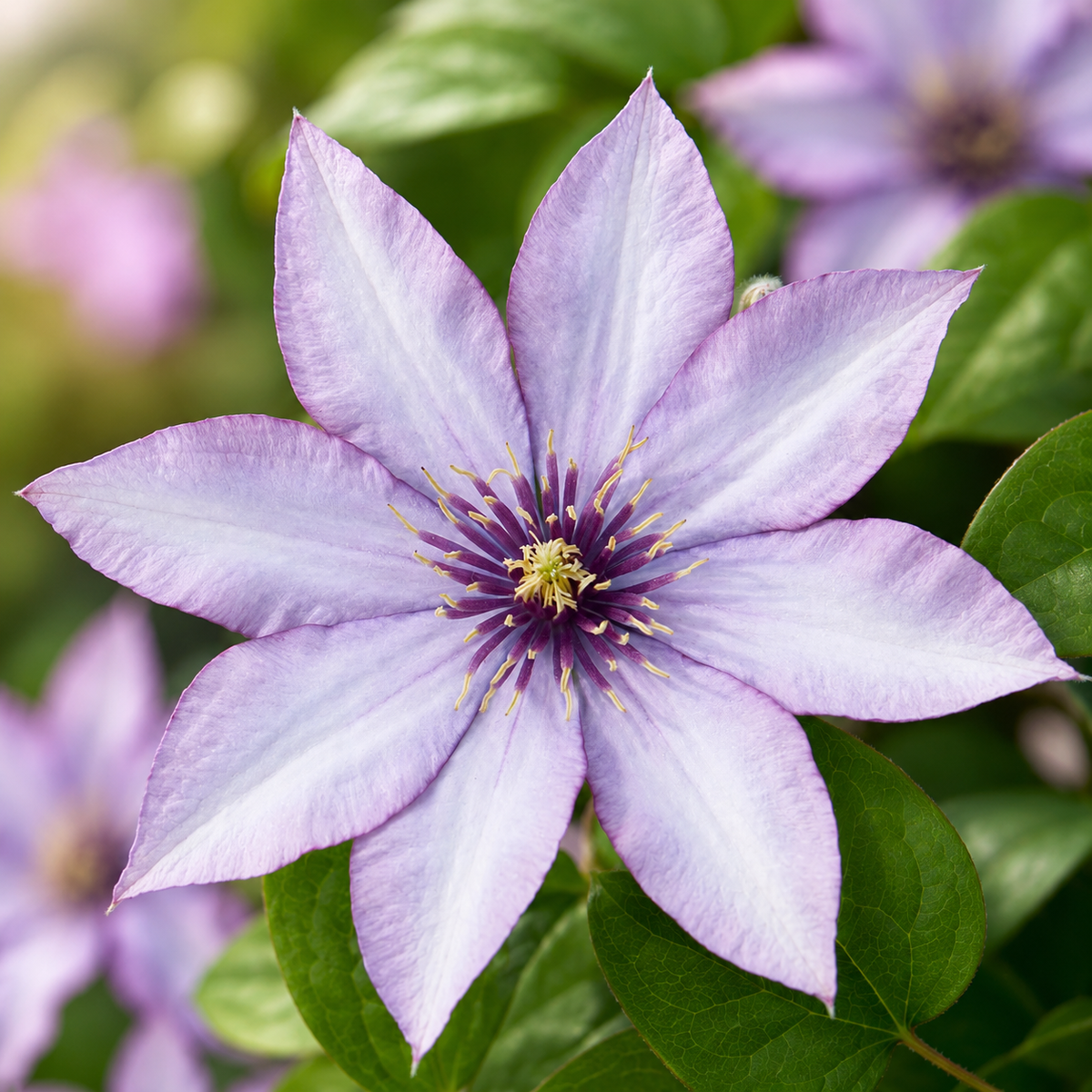
This duo combines Crystal Fountain™, a 150 to 180 cm clematis with large violet-blue flowers centred by silvery-mauve petaloid staminodes, and Samaritan Jo™, a 120 to 150 cm climber with silvery-white stars edged in purple. Their green deciduous foliage is not variegated. Flowering continues from late spring into mid-fall, making the pair useful on trellises, patios and in large containers. Crystal Fountain needs light pruning, whereas Samaritan Jo accepts a short cut for a simpler maintenance routine. The clematis Crystal Fountain provides double-flower texture, while the clematis Samaritan Jo extends the star-shaped display well into the colourful fall garden season.
- Exposure
- Full sun to partial shade; bright partial shade preserves the colours well
- Hardiness
- Zone 4 to 9
Discover the plant
Common nameCrystal Fountain clematis and Samaritan Jo clematis duo
FamilyRanunculaceae
GenusClematis
SpeciesGarden hybrids
CultivarEvipo038 (Crystal Fountain) and Evipo075 (Samaritan Jo)
TypePerennial climbing plants
Botanical nameClematis ‘Evipo038’ and Clematis ‘Evipo075’
Crystal Fountain™ and Samaritan Jo™ Clematis Duo (Clematis ‘Evipo038’ and Clematis ‘Evipo075’) combines two compact climbers with strikingly different flowers. Crystal Fountain™ produces large double or semi-double violet-blue blooms centred by a fountain of silvery-mauve petaloid staminodes. Samaritan Jo™ opens silvery-white stars 10 to 15 cm across, edged in purple, marked with a faint pale-green central stripe and finished with pink-purple stamens tipped yellow. Their foliage is green, deciduous and not variegated. Together the flowers create a refined contrast of form, colour and texture on a manageable vertical garden framework.
Crystal Fountain™ generally reaches 150 to 180 cm, while Samaritan Jo™ grows approximately 120 to 150 cm. Both prefer full sun or partial shade in fertile, moisture-retentive yet well-drained soil. Samaritan Jo may fade slightly under very intense direct sun, so gentle light preserves its purple margins well. Install fine trelliswork or a stable obelisk at planting time, then distribute stems so each flower remains visible. Keep roots cool with light mulch without covering the crowns, and water deeply during dry periods, especially when the pair grows in a container.
Crystal Fountain™ flowers from late spring through midsummer and repeats in early fall. Samaritan Jo™ extends the display from early summer into mid-fall. In late winter, prune Crystal Fountain lightly by removing dead stems and shortening remaining growth by approximately one third. Samaritan Jo can be cut back to about 15 cm for a simple routine or pruned lightly to preserve earlier flowers. This duo suits patios, trellises and large supported containers. Clematis is toxic when eaten, and its sap may irritate sensitive skin, so wear gloves during pruning and collect cut stems promptly.

Planting guide
From planting to establishment.
Spacing / density
Approximately 90 to 120 cm (3 to 4 ft) between crowns
Best planting time
Spring or early fall
Propagation
Semi-ripe cuttings or layering; commercial propagation may be restricted
Growing method
Plant both clematis in gentle sun or partial shade in fertile, moisture-retentive yet well-drained soil. Set crowns 5 to 8 cm below the surface and install fine trelliswork or a stable obelisk immediately. Space plants approximately 90 to 120 cm apart, then direct each cultivar over a separate support section. Water deeply when the surface begins drying and keep roots cool with light mulch without covering the crowns. Add mature compost in spring and feed moderately. In late winter, remove dead Crystal Fountain™ stems and shorten healthy growth by approximately one third. Samaritan Jo™ may be pruned lightly or cut to about 15 cm for a simple routine. Loosen ties as stems thicken. Watch for slugs, aphids and sudden wilting, removing affected tissue with disinfected tools. In containers, check moisture frequently, preserve drainage and protect roots from repeated freeze-thaw cycles. After the first flush, remove only easily reached spent flowers and avoid severe summer pruning. Leave several feathery seed heads for fall texture. Beside a wall, position crowns away from the foundation so rainfall reaches the roots. A sheltered site protects large flowers from wind damage. Stop feeding in fall, inspect drainage after heavy rain and keep every crown clearly labelled. Reposition loose shoots promptly after storms while they remain flexible and easy to guide.
Soil and care
The right care,at the right time.
Soil pH
Acid to alkaline
Care level
Intermediate
Watering
Water deeply and regularly during establishment so the root ball stays evenly moist without becoming saturated. In hot weather, check containers and plants growing beside walls more often because these sites dry quickly. Direct water toward the base instead of wetting foliage. Established clematis still perform best with consistent moisture and should not be treated as highly drought tolerant, especially while actively extending and flowering.
Soil type
Fertile, organic-rich soil that holds moisture yet drains well suits both cultivars. Loam, clay, sand or chalk-based soil can work when drainage remains effective. Mature compost improves water retention without leaving the crown waterlogged. Avoid sites where winter water collects, and keep the root zone cool during summer while allowing the flowering stems to reach good light. Work organic matter through a broad area rather than only inside the planting hole.
Fertilization
In spring, add mature compost or apply a balanced fertilizer according to label directions. A second light feeding after Samaritan Jo’s first flush can support repeat bloom. Avoid excessive nitrogen, which encourages foliage at the expense of flowers. Water before and after feeding, and stop fertilizing early enough for stems to mature before winter. Container plants may need smaller, more regular applications because nutrients leach with watering.
Moisture
Moist soil without standing water
Seasonal care
In late winter, identify both crowns before pruning. On Crystal Fountain™, remove dead or damaged wood, then shorten healthy stems by approximately one third to vigorous buds. On Samaritan Jo™, choose light pruning to preserve earlier bloom or cut every stem to about 15 cm to renew the plant. Wear gloves and collect debris because sap may irritate skin. In spring, inspect the support, add mature compost and renew light mulch without covering the crowns. Guide new shoots while they remain flexible. Water deeply whenever soil begins drying and feed moderately. After the first flower flush, maintain even moisture to support repeat bloom. Watch for slugs, aphids, caterpillars and sudden wilting. In fall, stop feeding, stabilize supports and leave several feathery seed heads when their texture is desired. Before winter, shelter containers from wind, insulate their sides and prevent standing water. As spring returns, resume watering gradually and replace worn ties before they injure expanding stems. During prolonged rain, remove diseased leaves from the soil and confirm that water drains quickly. After strong wind, redirect loose stems before they break. If foliage becomes excessively dense, remove several weak shoots to improve air circulation instead of shortening every stem during summer. Inspect flower centres for earwig damage and young shoots for snails. Water below the foliage when practical, and disinfect pruners after removing any wilted or diseased stem. Continue monitoring containers during mild fall weather because potting mix can dry even after flowering slows.
Container growing
A garden,within reach.
Recommended pot size
At least 45 cm (18 in) deep and wide per plant; choose a larger container for the duo
Choose a frost-resistant container at least 45 cm deep and wide for one plant and substantially larger when combining the duo. Several drainage holes are essential. Install a stable obelisk before filling the pot so roots are not damaged later. Use rich but free-draining loam-based potting mix, then position crowns slightly below their production-pot level. Water slowly until excess drains away. Check moisture daily during hot weather because two flowering clematis use available water quickly. Thin mulch limits evaporation without trapping moisture against stems. Feed moderately in spring and after the first flower flush. Rotate the pot occasionally to balance light. Before winter, move it to a sheltered position, insulate the sides and raise it so drainage holes remain open. In spring, replace the upper layer of mix, inspect visible roots and verify support stability. Keep each crown labelled so the correct pruning method remains easy to apply. Direct stems over separate support sections and loosen ties regularly. Samaritan Jo benefits from gentle light that limits fading along its purple margins. Avoid water-filled saucers and reduce watering as growth slows without allowing the mix to dry completely. During prolonged rain, move the pot where excess water can drain freely. Check moisture below the mulch rather than judging only the exposed surface.

Bloom and dimensions
Its place,in your garden.
Mature height
Crystal Fountain: 150 to 180 cm (5 to 6 ft); Samaritan Jo: 120 to 150 cm (4 to 5 ft)
Width / spread
Crystal Fountain: about 90 to 150 cm (3 to 5 ft); Samaritan Jo: 50 to 100 cm (20 to 39 in)
Flower color
Violet blue with silvery-mauve centres and silvery white edged in purple
Foliage color
Mid- to dark green, not variegated
Foliage type
Deciduous
Growth rate
Moderate
Growth habit
Compact climbers with dense habits
Fragrance
Not fragrant
Bloom period
Crystal Fountain™ produces large double or semi-double violet-blue flowers with silvery-mauve fountain-like centres from late spring through midsummer, then repeats in early fall. Samaritan Jo™ opens silvery-white stars with purple edges from early summer into mid-fall. Gentle light helps preserve Samaritan Jo’s colours, which may fade slightly in intense direct sun. Regular moisture supports both flowering periods throughout the season.
Fruiting
Achenes with decorative feathery styles late in the season
Garden associations
In goodcompany.
Companion plants
Pair the duo with burgundy coral bells, hardy geraniums, catmints or small ornamental grasses. Dark foliage highlights Samaritan Jo’s silvery-white flowers, while silver leaves echo Crystal Fountain’s fountain-like centre. Choose low companions with similar needs, but preserve clear space around each crown for watering, air circulation and pruning. Avoid aggressive roots that would quickly deplete moisture, especially when the clematis are establishing or sharing a container display. White or violet annuals in separate pots can repeat the colours without creating lasting root competition around either crown.
Plants to avoid
Avoid highly invasive plants or aggressive roots immediately around the crowns
Frequently asked questions
Your questions,answered.
How should Crystal Fountain and Samaritan Jo be pruned?
The two cultivars can be maintained differently to preserve their best flowering schedules. In late winter or early spring, first remove dead Crystal Fountain™ stems, then shorten healthy growth by approximately one third to strong buds. For Samaritan Jo™, light pruning preserves earlier flowers, but the breeder also recommends a simple cut to about 15 cm when fully renewing the plant. Wear gloves, use clean pruners and label each crown so the short cut is not mistakenly applied to Crystal Fountain. Spread fresh shoots over their assigned support sections before they become intertwined. Check support ties regularly as stems lengthen.
Does Samaritan Jo have variegated foliage?
No. Botanical sources describe Samaritan Jo™ with mid- to dark-green leaves, without white variegation. Its contrast instead comes from large silvery-white flowers edged in purple, accompanied by a faint pale-green central stripe and pink-purple stamens tipped yellow. To highlight this pattern, train stems over a dark support and avoid extremely intense direct sun, which may fade the colours. Truly variegated foliage on a plant labelled Samaritan Jo should therefore prompt a check of the cultivar label. The normal green leaves provide a quiet background for the detailed flowers. This strong flower contrast therefore remains the cultivar’s main visual feature outdoors.
Does the Crystal Fountain and Samaritan Jo duo suit containers?
Yes. Both cultivars suit large containers. Allow at least 45 cm of depth and width for one plant, or choose a substantially larger pot when combining the duo without crowding roots. Use a frost-resistant container, several drainage holes and a stable obelisk installed before planting. Keep potting mix evenly moist without waterlogging it, and check moisture daily during hot weather. In winter, shelter the pot from wind, insulate its sides and raise it so water continues draining freely. Label each crown because the two pruning methods differ. In spring, replace the upper layer of potting mix and verify that the support remains securely anchored before new shoots extend.
When do Crystal Fountain and Samaritan Jo flower?
Crystal Fountain™ flowers from late spring through midsummer and generally offers a second flush in early fall. Samaritan Jo™ begins in early summer and can continue into mid-fall. Their flowering periods therefore overlap for several months. Pruning suited to each cultivar, consistently moist soil, moderate feeding and good light support this sequence. Avoid excessive nitrogen because it promotes foliage, and remember that a newly planted clematis may devote its first season to root establishment. Exact timing varies with climate, exposure and spring temperatures. Gentle light helps Samaritan Jo preserve its purple flower edges during very hot periods and intense summer exposure.
Are Crystal Fountain and Samaritan Jo clematis toxic?
Yes. Clematis contains protoanemonin and is toxic to dogs, cats and horses when eaten. Ingestion can cause salivation, vomiting and diarrhea. In people, plant material may cause severe mouth irritation, while sap can irritate sensitive skin. Wear gloves for pruning, wash exposed skin and never present any part as edible. Position the duo away from young children and pets that chew plants, and collect cut stems promptly after maintenance. If ingestion occurs or symptoms appear, contact an appropriate medical professional or veterinarian promptly. Do not attempt home treatment unless a qualified professional provides specific instructions for the situation. Keep cut stems out of any compost area accessible to pets or grazing animals.
Wildlife and pets
Life,around your plants.
Reported toxicity
Yes
Supporting wildlife
Clematis flowers can be visited by bees and other insects seeking pollen, and some also supply nectar. Exact wildlife value varies by cultivar and region. This duo is therefore presented as useful to pollinating insects without promising specific attraction for butterflies or hummingbirds. Avoid spraying open flowers when pollinators are active.
For your climbing plants
The right extras.Right here.
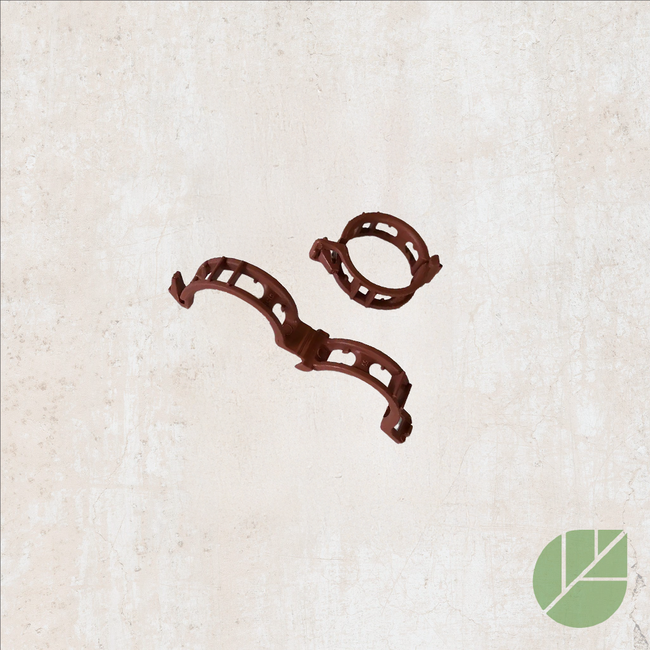
Trellis, Garden Stakes & Plant Ties
Shop the collection


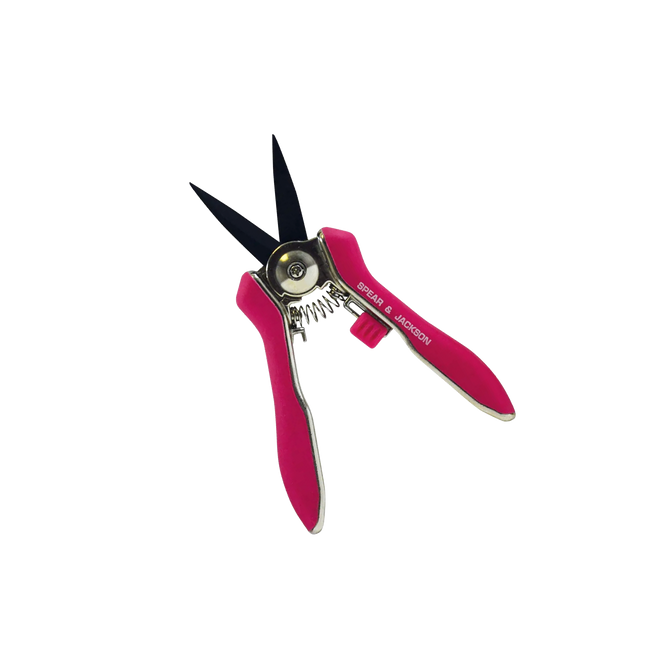
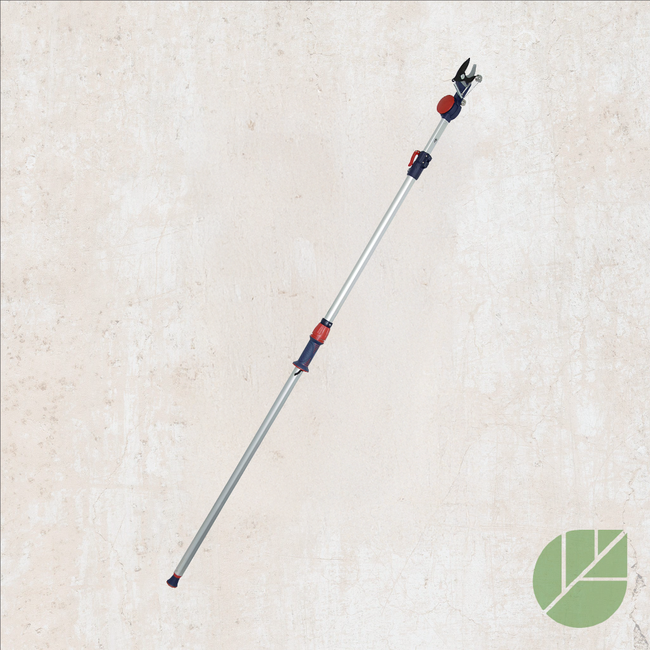
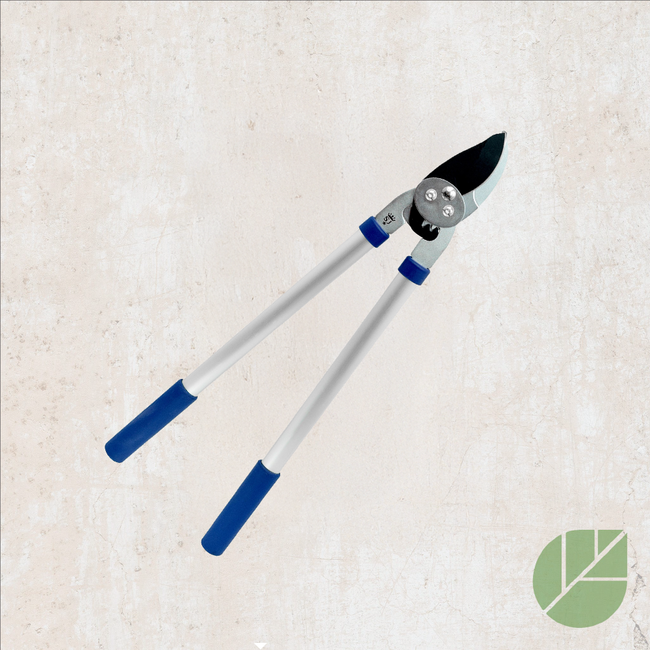
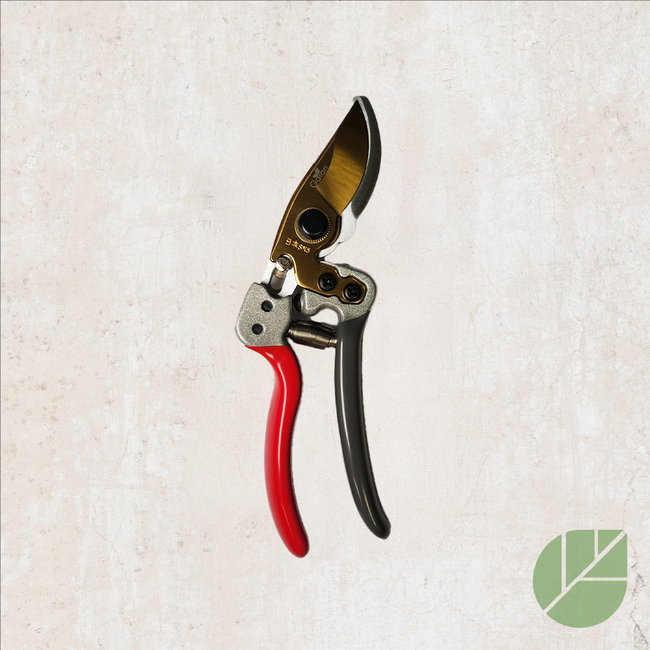
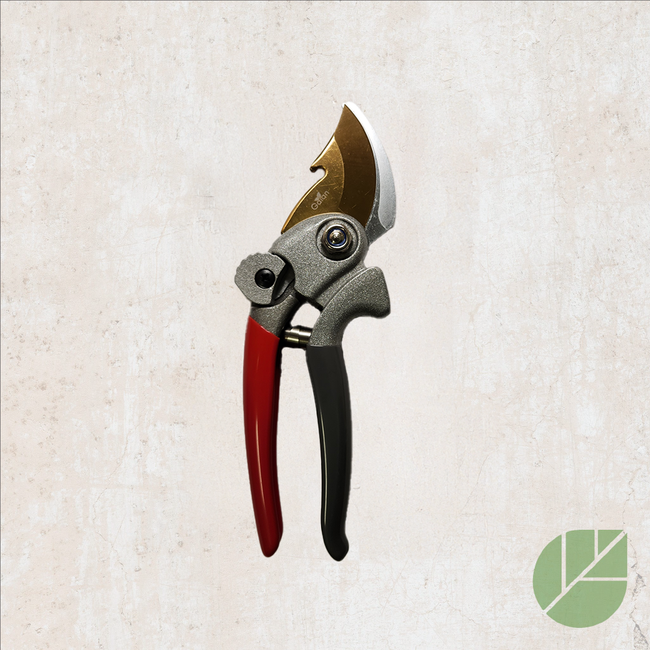
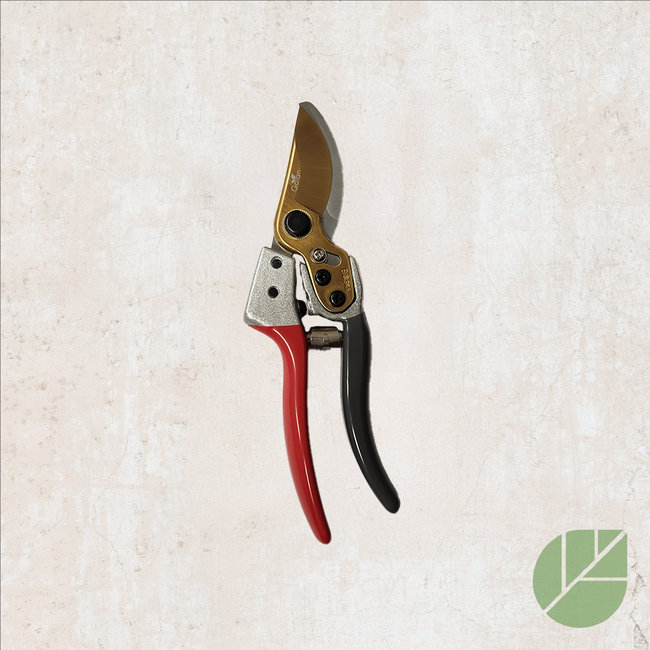
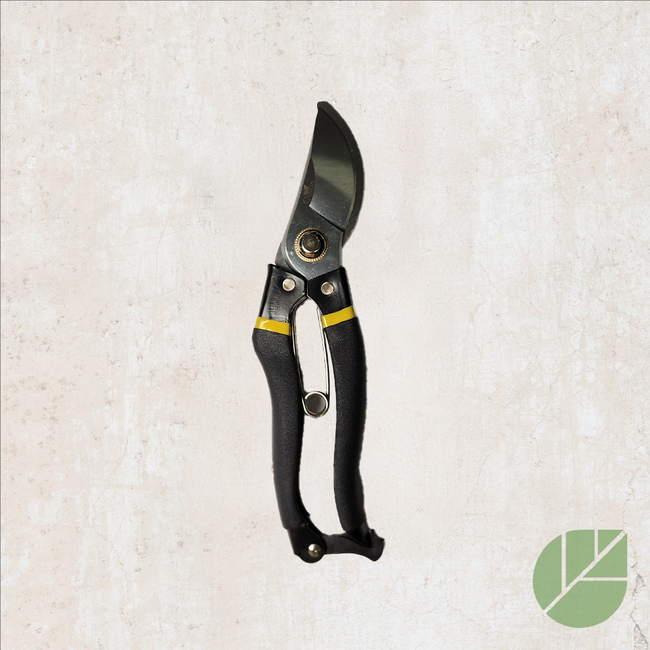
Pruning Shears
Shop the collection